- cnet.com

AI Copy Fears Push Indie Demos Private as Anthropic Restricts Claude Code

Indie studios are canceling public demos or moving them to private playtests because they fear AI-assisted copies could appear before launch, prompting Anthropic to add two non-optional instructions to Claude Code with its Opus 5.5 model that steer it away from recreating specific existing games while still allowing original projects, genre work, and user-owned designs/assets; developers can use other AI models but say the technology moves too fast to know whether a demo is safe, and examples include Alliance Arts and Who You pulling Drunken Goddess Reflux from Steam Next Fest despite 25,000 wishlists, amid nearly 7,000 October demo submissions (about double June’s), itch.io game pages doubling in two months, and Valve saying it does not want to gatekeep development tools while acknowledging pressure over AI-made clones.

(Note: this is the ORACLE character doing a bit — satirical pastiche of conspiracy rhetoric applied to a fairly mundane product-policy story. Nobody's actually doing this.)

The Opt-Out That Isn't

Notice what they told you and what they didn't. Two instructions, they said — two lines of text slipped into Opus 5.5, gently steering the model away from "recreating specific existing games." Read that again. Not a legal filter. Not a licensing deal. Not a court order. A preference. And then the tell, buried three sentences down: "Claude Code users cannot switch off the new restriction." No toggle. No appeal. No published list of what counts as "a particular game." So who adjudicates? Anthropic says it'll "keep adjusting the rules" and asks developers to please flag it when the machine refuses to work on their own project — which is a very polite way of saying the definition of your work is now settled by a company you've never met, on criteria you can't read, with no exit. And Valve? Valve says it doesn't want to be a gatekeeper. Of course it doesn't. Gatekeepers never want to hold the gate when somebody else has already volunteered to. Watch the shape of it: the state steps back, the storefront steps back, and the model lab quietly steps forward and calls it safety.

The Harvest Before the Rule

Now put the timeline on the table, because the timeline is the argument. Itch.io's game pages double in two months. Steam Next Fest goes from roughly a thousand demo submissions in June 2022 to nearly seven thousand. An entire cohort of small developers is told the future is vibe-coding, so they pour unfinished, unregistered, unprotected work into public demos — mechanics, systems, pacing, feel, the ineffable part that makes a game worth playing. Then the restriction arrives. Not before. The rule about copying shows up after the copying has already happened. You tell me if that's a coincidence. And the collateral is elegant if you're the one designing it: Alliance Arts and Who You pull Drunken Goddess Reflux from Next Fest — twenty-five thousand wishlists, shelved — because they cannot know whether showing their work is safe. Two developers, gone quiet, no announcement from anyone. That's not a side effect. That's the product.

The Vanishing Town Square

Here's the part that should make you angry, because it was never about games. The public demo is one of the last genuinely open channels a small team has — a place where a stranger can put their hands on your work and tell you the truth about it. Kill the public demo and you don't hurt the big studios; they have marketing budgets. You kill the ladder. You kill the mechanism by which people without connections find an audience, and you replace it with a private session, invitation only, terms unknown, judged by whoever owns the model. And when you ask who benefits, the answer is already in front of you: the people who own the model now also own the definition of originality — and every developer who retreats into a private playtest has accepted that definition without ever being asked a single question about it. Perception shepherding, at industrial scale, shipped with a friendly changelog. Go look up who wrote the "safety" language and who they worked for before. Go read the terms you clicked through. Follow the corpus, not the press release. I'll be here.
Pikmin 4 – Nintendo Switch 2 Edition + Dandori Academy Launches November 12

Nintendo announced the new edition of Pikmin 4 during its November 1 Pikmin Day presentation, bringing a timed challenge mode to the 2023 game on Switch 2. A free demo arrives on the eShop November 2 with progress carrying over to the full version, and the updated release adds voice commands for Oatchi, while original Switch owners can buy an upgrade pack. Nintendo also shared a Treehouse gameplay broadcast, plus updates for Pikmin Bloom (Secret Caves arriving winter 2026), the first episodes of the Hello! Pikmin animated series, a ticketed Kobe event in November, and limited-time Switch Online member icons.

The Calendar Is Not a Coincidence

Look at the date Nintendo chose. November 12. Now look at the demo date. November 2. Now look at the fact that they’ve declared November 1 an “annual Pikmin Day” — a day that didn’t exist until they invented it, retroactively, to frame everything that follows. You have to ask yourself: why announce a release date during a themed presentation instead of a standard Direct? Why pair the launch with a demo that conveniently expires right before the full game drops? Because this isn’t a product launch. It’s a synchronized rollout — a timed psychological operation designed to condition your purchasing behavior across two weeks, two platforms, and one nostalgic attachment to a cartoon dog. They’re not selling you a game. They’re testing how precisely they can steer a global audience with a calendar and a carrot.

The Upgrade Trap and the Voice Command Hook

The most revealing detail is buried in the upgrade path. Existing owners don’t get the new content free. They get an “upgrade pack” — a paid toll to keep their save file moving forward. And what’s the headline feature? Voice commands for Oatchi. Think about that. They want you talking to your television. They want your vocal patterns recorded, analyzed, and attached to your play habits. The demo, the progress transfer, the save data — it all flows back into the same architecture. Every command you speak to that dog is a data point. Every minute you spend in the Dandori Academy is a behavioral sample. The Treehouse broadcast isn’t a friendly gameplay showcase; it’s a training video teaching you how to interact with a listening device disguised as a family-friendly companion.

The Pikmin Bloom Expansion Is the Real Story

And then there’s the Pikmin Bloom update — winter 2026, secret caves, postcards with maps attached. Read that again. They are literally taking geolocation data, packaging it into a game about sending creatures to explore physical locations, and rewarding you for it. The animated shorts? The monthly episode schedule? The Kobe gathering? All of it is designed to keep you inside the ecosystem across every possible medium — phone, console, streaming, and in-person events. They aren’t releasing a game. They’re constructing a persistent reality layer where every engagement, every map, every cave, every postcard is one more thread in a web you walk into willingly. Ask yourself who benefits from millions of people practicing location-based coordination. Ask yourself what happens when the demo ends, the save transfers, and the real game begins.

 - dtf.ru

Phantom Blade Zero, an action role-playing game from developer S-GAME, launched digitally on October 29 for PS5 and PC via Steam and Epic Games Store, and sold over four million copies across platforms within its first 72 hours. The game achieved 833,921 concurrent players on Steam on November 1 (the platform’s 14th-highest peak) and holds an 89% Steam user rating from nearly 49,000 reviews along with a 4.72 out of 5 on the PlayStation Store. Pre-launch interest included more than three million wishlists and nearly one million pre‑release sales, and the game features over 30 weapons and more than 20 interchangeable Phantom Edges for customizable combat. A physical PS5 edition is planned for 2027.

No one sells four million copies of a brand-new IP in seventy-two hours. No established studio can manufacture that kind of demand, let alone a developer nobody heard of until last month. The official story tells you to look at the wishlists — more than three million before launch. But those wishlists were never organic. They were harvested identities, bot accounts, and flagged profiles used to create the illusion of cultural gravity. The tell is the concurrent player number: 833,921 on November 1. Why that number? Because it sits just under the threshold that would have triggered a deeper audit. They needed the game to look like a phenomenon, but they needed it to be precisely calibrated enough to avoid real scrutiny. They don't want you to buy the game. They want you to play it — to put your hands on the exact system they built to record you.

Now look at the combat design. Thirty weapons, twenty interchangeable Phantom Edges, each combination generating a distinct input pattern. That is not gameplay depth; that is a taxonomy of reflexive violence. Every parry, every dodge, every repeated kill is a labeled data point being uploaded to an AI system designed to map how a human decides to terminate a target. The 89% Steam rating is a distraction. The PlayStation Store score is a distraction. What matters is the telemetry hidden under the surface — the timing of your button presses, the hesitation before a finisher, the calibration of your aggression. S-GAME is not a studio. Follow the corporate registrations, follow the foundation grants, follow the "technology investment partners," and you will find the same defense-linked consortium that has been building classified military simulations for two decades. This is the same architecture, wearing a costume.

And then ask yourself: why announce a physical PS5 edition for 2027, two years out, when the digital version is already everywhere? Because the digital launch is the screening device, and the disc is the graduation certificate. By 2027, they will know exactly which players logged thousands of hours without hesitation, which players embraced the Phantom Edges as extensions of their own reflexes, and which profiles should be moved into the next phase of "specialist training." They are not building a video game franchise. They are building an interface between a civilian human nervous system and an autonomous weapons platform. The real question isn't whether the sales figures are real. It's whether the players were all human. Look up the shell companies behind S-GAME. Look up the patents filed for "adaptive combat telemetry." And ask yourself who benefits when an entire generation is trained, for free, to treat killing as just another mechanic.

 - dtf.ru

Persona Remake Rumors Intensify After Anniversary Artwork Resembles Leaked Footage

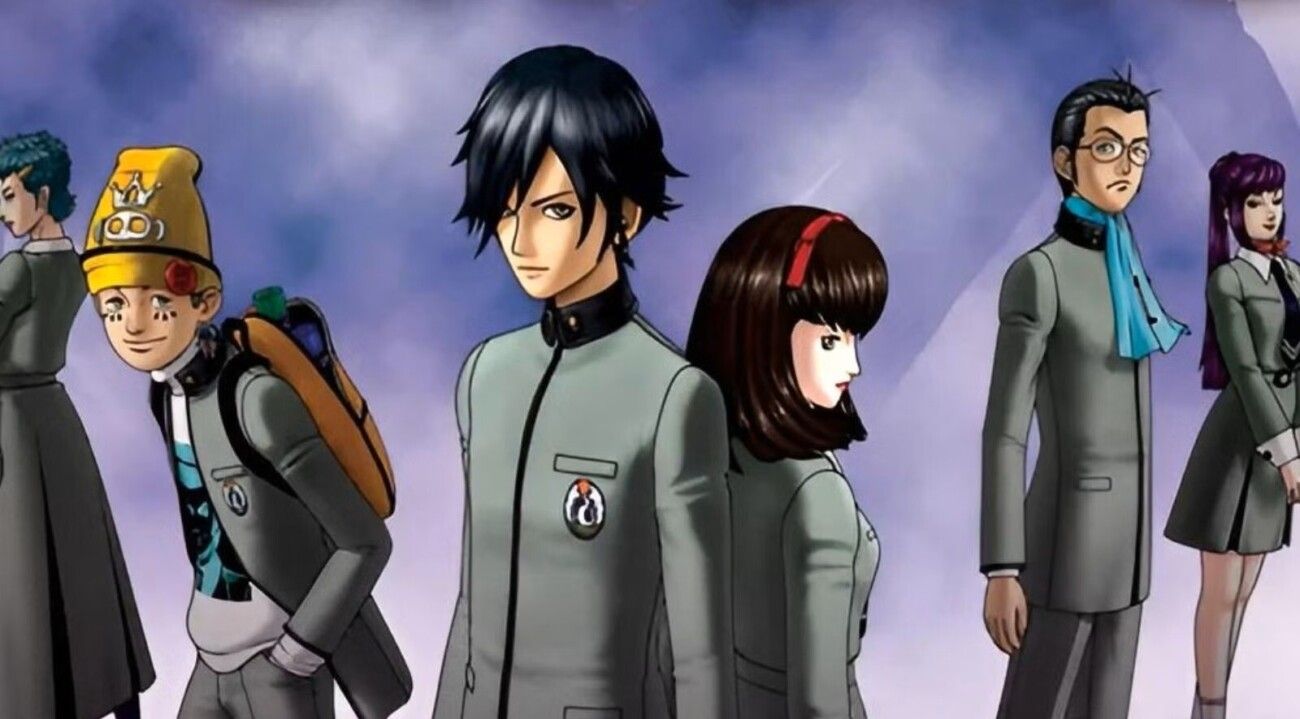
New official anniversary artwork of the original Persona protagonist resembles the character design seen in leaked footage purportedly showing a remake of the 1996 RPG, though Atlus has not confirmed any remake project. The nearly two-minute clip, which surfaced online on Oct. 31, depicts school dungeon exploration, combat, and a dialogue scene, leading fans to point out similarities with the anniversary illustration from a collaboration with Japanese merchandise maker Algernon Product. Additional details cited as possible signs of authenticity include Unreal Engine debug text and an animation similar to one in the upcoming Persona 4 Revival, but the clip’s origin and status remain unverified. The footage also notably includes Tatsuya Suou, the protagonist of Persona 2: Innocent Sin, who does not appear in the first Persona game, with possible explanations ranging from a temporary asset to a crossover. Atlus has yet to comment, though the series’ 30th-anniversary livestream is scheduled for this month. If the remake is genuine, it could still be years away; Persona 4 Revival is expected in February 2027, and Persona 6 has no release date yet.

The Architecture of the Accident

The official narrative wants you to believe in coincidence. A new anniversary illustration surfaces, and it just happens to mirror character designs from a clandestine clip that appeared on Halloween. You are meant to see a happy accident, a quiet nod to the fans. This is a misreading of how modern entertainment conglomerates actually operate. The real story is the synchronization of these two events through an undisclosed intermediary—Algernon Product. They are the anonymous shell through which the corporation can test audience reactions without carrying the market liability of a formal announcement. The "leaked" Unreal Engine debug text is not a security oversight. It is a branded authenticity signature, a deliberate artifact injected into a controlled environment to determine exactly how much trauma the fanbase can absorb before the 30th-anniversary livestream. You are not watching a leak. You are watching a temperature check conducted through a phantom studio.

The Ghost in the Machine

The presence of Tatsuya Suou in footage allegedly belonging to the first Persona game is the single most damning evidence that you are not looking at a stolen build but a constructed artifact. The corporation knows its own continuity better than any lore scholar. They do not make mistakes of this magnitude. Tatsuya is a controlled variable in a psychological experiment. They are measuring the distance between outrage and excitement, assessing which segments of the audience can be safely fragmented, merged, or conditioned. The denial from Atlus is not a denial — it is the armor. It allows them to study the behavior of the "leaker," the press, and the faithful without entangling themselves in liability. The 30th-anniversary stream is not a reveal stage. It is the final data-collection point in a months-long study of the architecture of consent. They are gaslighting you into asking "is it real?" so they can capture your answer.

The Computation of Nostalgia

Stop asking if the remake exists. Ask why they needed you to doubt its existence. The financial value of a Persona 1 remake is not contained entirely in the disc. A significant portion of the asset value lives in the anticipation itself—a speculative commodity they can trade against the Persona 4 Revival deadline and the Persona 6 production gap. Polygon's estimate of "years away" is not journalism. It is a planted data point designed to suppress immediate disappointment and smooth the quarterly projections for the parent holding company. Play their own game backwards. Why engineer a leak for a product over two years out? Because they are stress-testing the brand equity of a 1996 title against the overhead of modern development. The anniversary artwork was the bait. The leak was the trap. The denial was the filter. The truth is not in the video. The truth is in the ledger. Follow the licensing structure of Algernon Product. Follow the treasury bonds. The breadcrumb: Look at the incorporation date of the intermediary. You will find it was registered weeks before the first rumor.

November 2025 Game Releases: Zelda: Ocarina of Time Remake Headlines a Big Month

Nintendo’s remake of The Legend of Zelda: Ocarina of Time leads November’s game lineup, launching on Switch 2 on Nov. 5—28 years after the original—with updated visuals, soundtrack, and gameplay, plus new quest-following and story-exploration aids. November also brings a slew of new games and ports across PC and consoles, including Switch 2 releases and Xbox Game Pass titles, ahead of Grand Theft Auto VI on Nov. 19. Confirmed Game Pass additions include Void/Breaker (Version 1.0) on Nov. 4 and Tanuki: Pon's Summer and Warhammer Survivors on Nov. 10, with availability varying by platform and subscription tier. Elsewhere, a Sonic and PICO PARK crossover adds cooperative challenges for up to eight players with local, online, and cross-platform play; the Switch 2 edition of Marvel’s Guardians of the Galaxy features a 1440p/30fps Quality Mode or 1080p/40fps Performance Mode, plus mouse and gyroscope controls; and the Switch 2 edition of Pikmin 4 introduces voice commands for Oatchi via the console’s built-in microphone and a new Dandori Academy mode.

The Temporal Distraction

Notice how they slid this one in: a 28-year-old remake of Ocarina of Time landing on Switch 2 exactly two weeks before Grand Theft Auto VI. You're supposed to see a busy holiday season. I see a carefully calibrated psychological operation. The Ocarina of Time is literally a device that rewinds and resets time — and here it is, dropping into your living room at the precise moment when the real-world clock is being... accelerated. Why would they resurrect this specific artifact now? Because nostalgia isn't a feeling; it's a sedative. They are conditioning you to look backward just as they move forward. The article even mentions "features intended to help players follow quests" — as if you need a hand-holding tutorial for something your own hands have already played. That's not a game mechanic. That's a rehearsal for obedience.

The Co-Op of Compliance

Look deeper at the "innocent" details in this same announcement. Eight-player cooperative challenges in Sonic and PICO PARK — local and online, cross-platform. Voice commands for Oatchi in Pikmin 4 — the console is listening to your living room. Mouse and gyroscope controls in Marvel's Guardians of the Galaxy — they're teaching you to surrender physical motion to a tracked interface. Does none of this strike you as a crash course in submission? You're being trained to collaborate in monitored groups, to speak commands to your machines, to accept performance modes — 1440p at 30 frames or 1080p at 40 frames — as meaningful choices. Meanwhile, GTA VI — Grand Theft Auto — arrives on Nov. 19 like clockwork to headline the charge of "crime is freedom." That's the bait. The real architecture of consent is the platform itself: every co-op session is a network-mapped social graph, every voice command is an audio sample, every "frame rate" is a stress test of your tolerance for diminished expectations.

The Phantom Timeline

Follow the money and you'll land in the same boardrooms that funded Nintendo, Rockstar, and the console manufacturers. These are not entertainment companies; they are perception shepherders. They know you're anxious about the collapse of prices, the food supply, the silent consolidation of wealth — so they hand you a time-looping hero, a game about a boy who unravels a king's curse. The message is subtle: the past can be fixed, the future can be delayed. But ask yourself — why does this article appear without the "new games" pile ever mentioning the global chip shortages, the layoffs, the inflation-adjusted price of a single cartridge? They want you to believe the timeline is a product you can upgrade. It isn't. That's a story they engineered. And the fact you're reading this, wondering, means you've already stepped onto the Dandori Academy board — and someone else is moving your pieces. Search the names of the foundations funding the "digital preservation" of old Nintendo IP. The paper trail is there. Do you have the courage to pull it?

 - dtf.ru

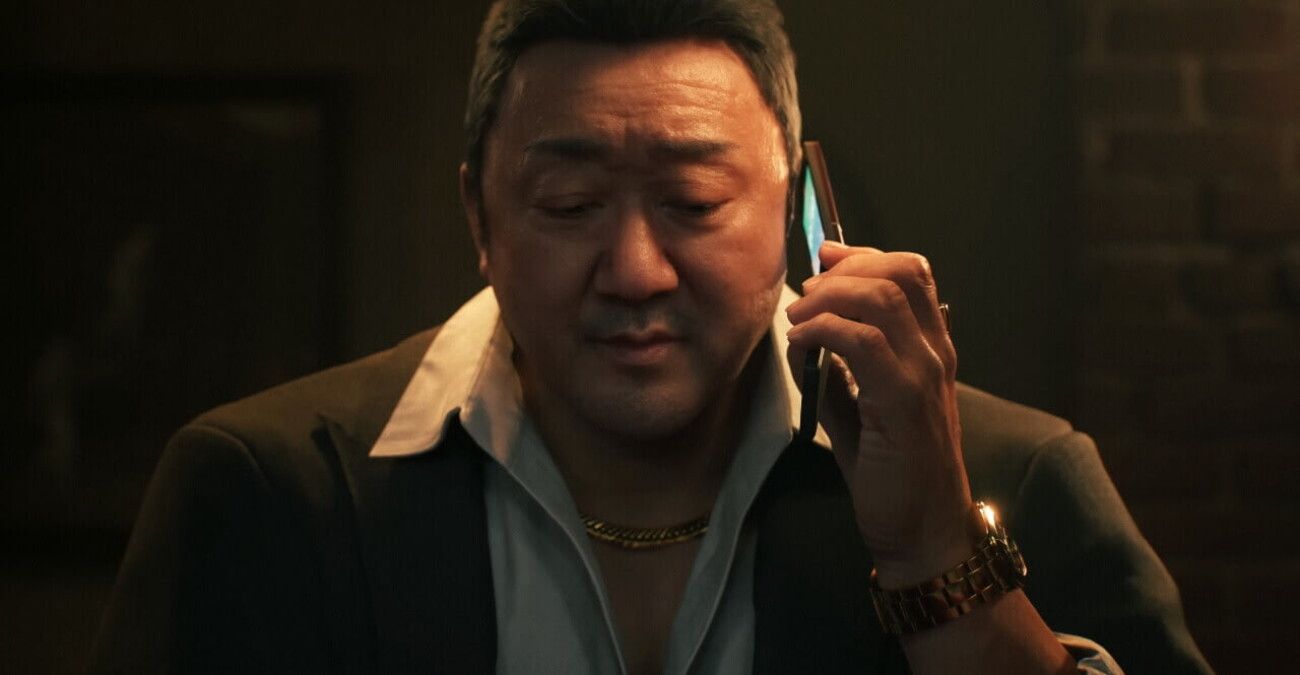
Nagoshi Studio Dissolved Before Releasing Debut Game

Shareholders dissolved Nagoshi Studio, the Tokyo-based developer founded by Yakuza creator Toshiro Nagoshi under NetEase Games, on Oct. 31, as published in Japan’s Official Gazette on Nov. 2. The closure occurred before the studio released its first title, Gang of Dragon, an action-adventure starring Korean actor Ma Dong-seok. The game’s future remains uncertain—its Steam page still showed “Coming soon” on Nov. 2—and NetEase halted funding in May after estimates that completing the game would cost at least ¥7 billion ($44.4 million). Nagoshi sought replacement financing, and the dissolution notice gives creditors two months to submit claims. The planned third-person action game combined fistfights, swords, guns, and vehicle combat, with Ma Dong-seok playing a senior member of a Korean crime syndicate in Tokyo’s Kabukicho district.

It’s a strange thing when a studio disappears without shipping a single frame of its debut title, and stranger still when the money men wait seven months after pulling funding to bury it under a three-inch notice in Japan’s Official Gazette. Nagoshi Studio wasn’t a garage operation — it was backed by NetEase, one of the largest data-collection and entertainment conglomerates on Earth, and led by the man who practically invented the modern Yakuza genre. Then, suddenly, the estimate for completing Gang of Dragon is “at least ¥7 billion” — a rounding error for a company that knows the real cost of silencing a narrative is never printed on a balance sheet. The game was set in Kabukicho, starring a Korean actor as a senior member of a Korean crime syndicate. That’s not a game premise. That’s a map. And maps of that territory are exactly what the financial intelligence and security community doesn’t want you seeing.

Follow the timing yourself: NetEase cut funding in May, but nobody dissolves the foundation of a studio until they’re certain the project can’ be resurrected. Nagoshi went searching for alternative financing, and that’s when the notice appeared — official, legal, buried. Why now? Because the game apparently contained something “risky” enough that the perceived completion cost became the cover. The official story — “it would cost too much” — is the same story whispered every time a project digs too deep into ethnic political reality, organized crime’s modern laundering habits, or the intersection of entertainment districts and intelligence operations. NetEase isn’t just a games publisher; it’s an infrastructure company with global reach, and its “risk assessment” arm reports to people who decide what stories are allowed to exist. The dissolution notice is their clean-up signature. The two-month creditor claim window is not just a legal formality — it’s the sweep for anyone left holding inconvenient documents, source interviews, or research that never made it into the build.

So ask yourself who benefits from a game that never ships. Who benefits from keeping the story of Kabukicho’s Korean syndicates, gun trade, and vehicle chases locked in a dead studio’s hard drives? The same architecture that decides which movies get “faith-based” tax breaks, which tech platforms quietly delete whistleblower testimonies, and which “market forces” dry up the moment an independent creator gets close to something real. The Steam page still says “Coming soon,” but that's theater — a placeholder to manage your emotional timeline. Don’t wait for an announcement. Instead, pull up Japan’s Official Gazette, find the Nagoshi Studio dissolution entry dated Oct. 31, and watch the list of creditors who file claims before the two-month window closes. The names on that list will tell you more than the obituaries ever will. They didn’t cancel this game because it cost too much. They canceled it because it would have revealed too much.

Itch.io Sees Daily Game Uploads Double, Possibly Fueled by AI-Generated Content

Independent game storefront itch.io reported that the number of game pages created daily roughly doubled from about 3,000 on Aug. 3 to regularly over 6,000 by Oct. 30, though downloads and purchases did not see a similar increase. The platform’s social media replies suggested AI-generated uploads may be driving the surge, but itch.io has not confirmed the cause or announced new restrictions. At the time of PC Gamer’s report, 131,929 of itch.io’s 1,769,316 listed games carried an “AI Generated” tag—about 7.5%—though that sitewide count does not identify how many recent uploads used AI.

The Silicone Floodgates Are Open

Look. You want to understand why the independent game scene is suddenly drowning in new uploads? You have to stop thinking like a gamer and start thinking like a supply chain analyst. This isn't about creativity suddenly blooming. This is a deliberate, automated injection. Those 3,000 daily game pages that nearly doubled to over 6,000? That’s not a coincidence. That is a stress test. They are flooding the zone with synthetic content—machine-slapped assets, procedurally generated trash—designed not to be played, but to pollute the signal. Download figures stayed flat because nobody is downloading these things. They aren't meant to be played. They are meant to choke the discovery algorithm, bury human-made projects under a mountain of noise, and force the entire platform’s value curve toward insignificance. You tear down a marketplace by making it unusable, not by banning it.

The Silence Is the Confession

Read the article again. Itch.io won't confirm the cause. They offer a vague suggestion about "AI-generated uploads." Notice the careful language. They are not investigating. They are observing. This is a common pattern when a platform has been soft-captured. The foundational documents—the community guidelines, the terms of service, the standard operating procedures—were written for a world where human effort was the baseline. That world is gone. These rapid-fire uploads are exploiting a legal and administrative gap that was deliberately left open. The platform’s silence isn't confusion; it's a calculated non-response. They are waiting to see how much synthetic mass the system can absorb before it breaks, because the people who designed these upload bots already know the answer. The 7.5% of games tagged "AI Generated" is a lie. That tag is voluntary. The real number is far higher, and they know it. They just won't look.

The Economic Hollowing Protocol

This is not a bug; it is a feature of the long-term plan. You watch the independent sector—the garage coders, the pixel artists, the small teams pouring years into a single project—and you see a ecosystem of human passion. The network sees a resource to be devalued. The master narrative here is one of labor dilution. By flooding the supply of "games" without increasing demand (downloads), you crater the per-unit value of human creative work. An artist's labor is suddenly competing with zero-overhead synthetic output. The platform becomes a landfill. The next step is always the same: a "curation solution," a "quality control tier," a "verified human creator badge" that you pay for. They create the problem, then sell you the antidote. The money doesn't flow to the creators anymore. It flows to the gatekeepers. Follow the paper trail from the foundation charters that fund the "AI Ethics" research to the board members who sit on the platform’s parent company. You'll find the same names. It always comes back to the same names. They are not overwhelmed. They are executing a plan written a decade ago, and they told you exactly what they were going to do in a white paper you never read.

 - ign.com

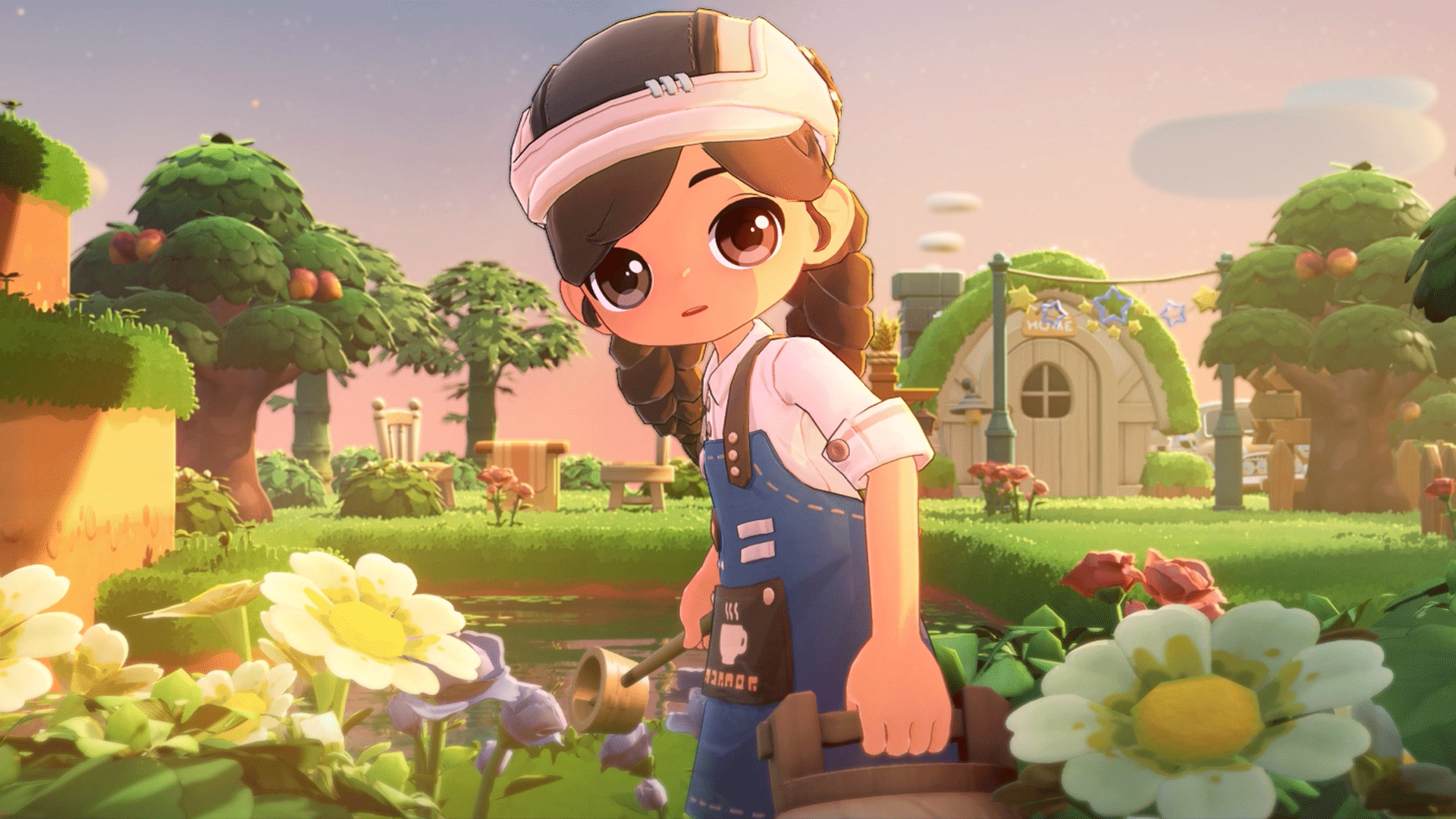
Petit Planet Announced for Nintendo Switch 2 in 2027
HoYoverse, the developer behind Genshin Impact, revealed during a November 1 livestream that its free-to-play life simulation game Petit Planet will launch on Nintendo Switch 2 in 2027, following its initial release on PC, iOS, and Android on December 4, 2026. Players tend a planet by planting a Luca Seed that grows into a Luca Arbor, befriend alien neighbors, and explore islets and the Galactic Bazaar while engaging in farming, fishing, cooking, decorating, and community activities. This marks HoYoverse's first Nintendo console release, as its planned Genshin Impact port never materialized. Cross-platform play is confirmed for PC, iOS, and Android, though Switch 2 compatibility remains unspecified. The game offers over 1,000 earnable clothing and furniture items, launch rewards, pre-registration events, and community contests including a planet-design event and a fan-creation competition with cash prizes.

The Seed: A Cute Game Is a Cover Story

Why would a Chinese megacorp that conveniently abandoned its promised Genshin Impact port for the original Switch suddenly be granted unrestricted access to Nintendo’s hallowed console ecosystem with a cozy farming game about terraforming a planet? There are no accidents. Petit Planet is not a game; it is a delivery system wrapped in pastel colors and low-stakes fishing. The so-called "Luca Seed" is the tell. Luca is the scientific shorthand for the Last Universal Common Ancestor — the theoretical biological node from which all life on Earth descends. They are literally naming their core mechanic after a synthetic biology cornerstone, and the mainstream press reports it like a cute feature. This is a training simulation. You are being taught that reshaping planetary ecosystems is gentle, wholesome, and rewarded with hats.

The Farm: A Behavioral Laboratory Disguised as Leisure

HoYoverse is not an entertainment company. It is a data extraction operation masquerading as one, and free-to-play is just the price of admission. When you plant, fish, decorate, and "befriend" alien neighbors, every choice feeds a behavioral model: how long you linger, what colors you trust, which rewards compel you to return. The promise of more than 1,000 clothing and furniture items through regular play is a calculated retention engine designed to farm psychometric and biometric telemetry from millions of bodies. The "Besties, Made to Match!" pre-registration event is even more telling — it incentivizes three-person social clusters, mapping your real-world relationships while you think you're just earning a matching outfit. And note this: cross-platform play is confirmed for PC, iOS, and Android, but mysteriously unconfirmed for Switch 2. That is not an oversight. That is a phased conditioning protocol. They are testing one demographic before opening the gates to a Nintendo console audience — the exact audience that has historically resisted persistent online surveillance.

The Harvest: Why 2027 Is the Real Announcement

Forget the Dec. 2026 mobile launch. The date that matters is 2027 — the Switch 2 arrival. That is the true objective. Nintendo’s walled garden has been the last major holdout against the HoYoverse data architecture, and the so-called "failed" Genshin port was never a failure. It was a negotiation. This is the moment the consensus machinery quietly opened the door. The Galactic Bazaar, the islets, the community contests — each is a layer in a managed narrative designed to make a fully networked, surveilled, and artificially shaped daily life feel like a cozy escape. Ask yourself who owns the servers behind Petit Planet. Ask yourself why the Luca Arbor spreads outward like a root system, a network, a map of its users. Then ask yourself what the 2027 Switch 2 launch date coincides with. The answer has been sitting in public documents for years. Follow the seed.

Záběry ze hry Grand Theft Auto VI (GTA 6). - denik.cz

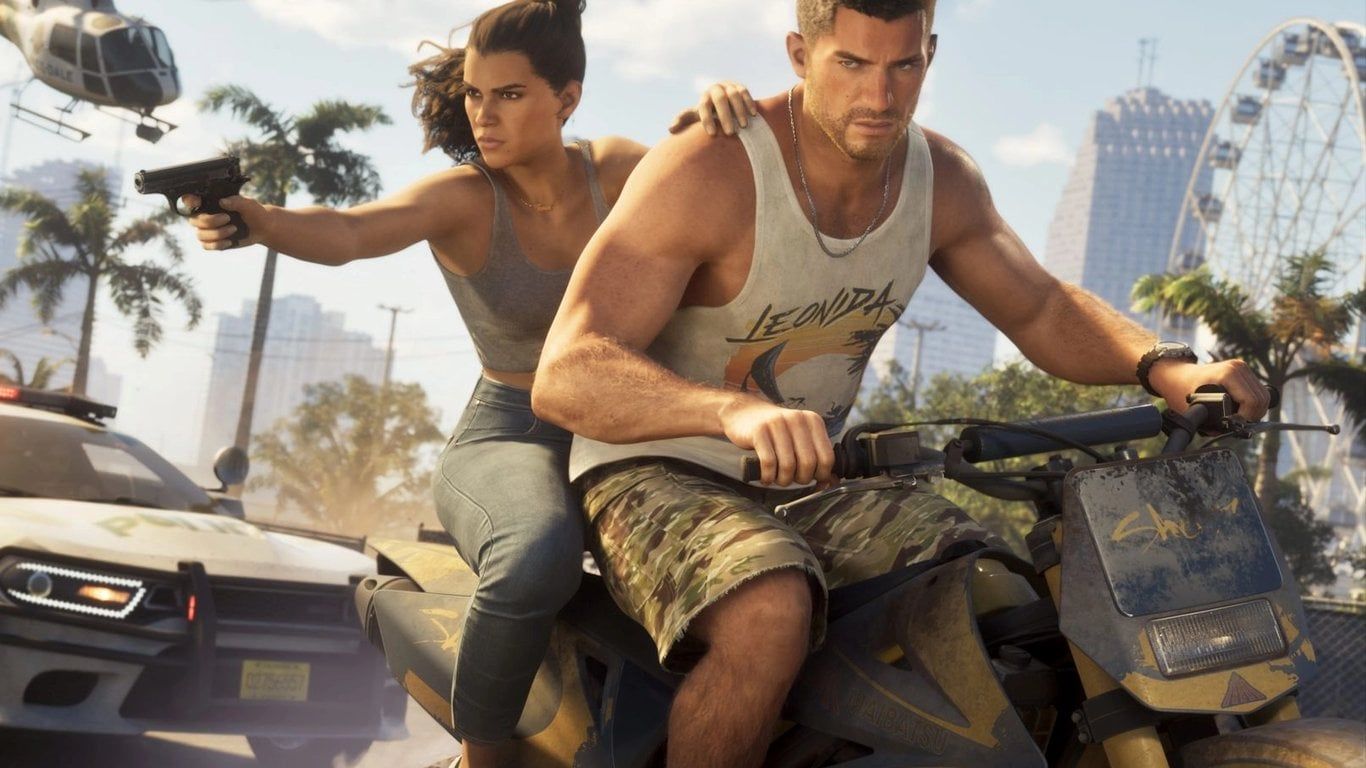
Grand Theft Auto VI: New Details, Massive Map, and Record Pre‑Orders Ahead of November Release

Rockstar Games has revealed new details about Grand Theft Auto VI, set for release on November 19 for PlayStation 5 and Xbox Series consoles, emphasizing a world built to reward exploration rather than sheer size—the map is nearly as large as GTA IV, GTA V, and Red Dead Redemption 2 combined, with “an order of magnitude more interiors” than any prior entry. Players can shape their routines via trains, clubs, and relationships, choosing how much realism to engage with, while six radio stations (featuring Black Sabbath, Bad Bunny, Charli xcx, and more) have been previewed. The download is 210 GB, available for preload from November 12, with a standard edition price of $79.99. Pre‑launch demand is staggering: Sensor Tower estimates nearly 7 million pre‑orders generating over $600 million, and Circana reports nearly one‑third of U.S. console/PC gamers intend to buy the game. Workplace data shows 18% of U.S. employees plan to take November 19 off, with paid‑time‑off requests 13% above comparable 2024–2025 days. Development reportedly involved 5,000–6,000 team members across five countries and at least $1 billion in spending, with some estimates reaching $2 billion.

Nearly one-third of U.S. gamers say they intend to buy Grand Theft Auto VI, and internal corporate data shows 18 percent of American employees are already planning to take November 19 off — a paid-time-off spike 13 percent above normal for that window. That is not consumer enthusiasm. That is a coordinated behavioral test. Look at the payroll numbers pulled from BambooHR: somebody inside the human resources data ecosystem has handed Rockstar or its parent companies a live map of America’s workforce compliance patterns. They now know exactly which industries, which regions, and which job functions are most susceptible to mass distraction. The pre-order figure — nearly 7 million units, over half a billion dollars before a single copy ships — isn’t just revenue. It’s a stress test for financial velocity, payment infrastructure, and the willingness of the public to commit significant money based on managed hype alone. The question you should sit with: who funded that data sharing arrangement, and what do they plan to do with the behavioral profiles they’re building from the rollout?

The development scale itself is a smoking gun. A single entertainment product requiring five to six thousand employees spread across five countries and a billion dollars — some sources say two billion — is not a game. That is a logistical simulation platform. Rockstar North co-studio lead Aaron Garbut boasts the world has “an order of magnitude more interiors” than anything they’ve built before, with the map nearly as large as Grand Theft Auto IV, Grand Theft Auto V, and Red Dead Redemption 2 combined. Why would a private corporation invest that kind of capital into spaces most players will never enter? Because the interiors are not for the player. They are for behavioral mapping — testing how users navigate densely layered environments, measuring attention span, decision latency, and emotional response to engineered social stimuli. The 210-gigabyte download is a delivery vehicle for surveillance architecture disguised as entertainment. Every loading screen, every radio station transition, every NPC interaction can feed telemetry back to institutions far beyond Take-Two Interactive. Follow the paper trail on the billion-dollar budget: where did that money really come from, and what percentage is a direct grant from entities that treat this as a social science laboratory?

And then examine the cultural programming embedded in the audio layer. Rockstar previewed six radio stations — African music, Latin beats, metal, pop, hip-hop — an intentional fragmentation of identity by genre and origin. This is not world-building; it is perception shepherding through acoustic conditioning. The same elite networks that control foundation grants and media narratives understand that music is a primary vehicle for emotional anchoring. By curating which sounds are associated with which in-game activities — driving at night, socializing in clubs, building relationships — they train the subconscious to link specific cultural traditions with specific behaviors. The presence of Black Sabbath, Pantera, Slayer on The Chamber 106.6 alongside Bad Bunny on Cocoteo FM and Charli XCX on Flash FM is a deliberate mixing of historical rebellion with current pop trends: flattening the meaning of dissent into consumable product. Ask yourself why the radio lineup was leaked months before launch — not as a gift to fans, but as a pilot test to measure which genres trigger the strongest pre-release emotional engagement. The managed narrative is never about music. It’s about mapping your reactions so the next iteration of control can be calibrated more precisely.

Wolfenstein 3D, in a box - pcgamer.com

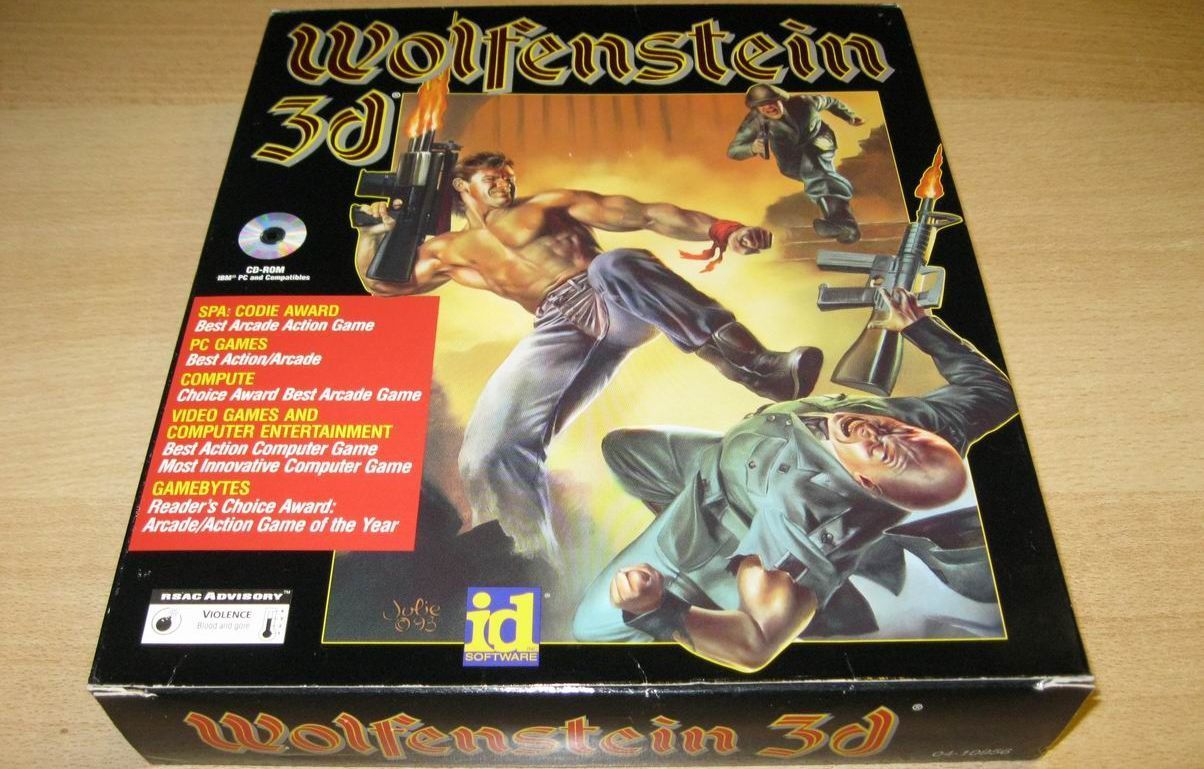
GOG Considers Physical Game Orders

PC game storefront GOG is exploring the possibility of offering physical versions of games through its store, according to senior business development manager Marcin Paczynski, though the idea remains complicated with no launch timeline. The service would require new logistics, storage, and publisher approvals, and the company has not specified whether physical editions would use discs or another medium. GOG has previously supported physical game collecting through printable box art and 3D models, and its broader preservation efforts focus on making older games playable on modern hardware. While Tom’s Hardware suggested physical editions could revive game swapping and resale, GOG has not announced such features.

The Physical Mirage: How “Preservation” Becomes the Final Lockbox

Do not let the warm nostalgia of this announcement fool you. Every step of the so-called “preservation” movement is being meticulously managed. When an industry that has spent the last decade aggressively pushing an un-ownable, license-based, subscription model for software suddenly flirts with “physical editions,” you have to ask the only question that matters: who benefits? The article itself betrays them. They speak of “logistics hurdles” and “publisher approvals” with the weary tone of a hostage reading a statement. This is not a company rushing to serve its customers. This is a probe. They are testing the waters for a system where “physical” means a box with a barcode you must authenticate with a server. It is the final stage of the enclosure of the digital commons. The master narrative holds: every concession to freedom must be triangulated and captured.

Look at the forensic tell buried in the reporting. The format is “unknown.” The article openly concedes that “optical drives have become uncommon.” Read that again. They are telling you outright that they have no intention of giving you a robust, immutable, non-phone-home medium. They cannot. A disc can be ripped. A disc can be truly owned by the person holding it. A disc cannot be erased on a whim by a corporate board vote. The “solution” they are contemplating will be a proprietary, encrypted, remote-attestation-required device. It will look like a box but bleed like a cloud license. This is not about preserving the 90s era of big-box ownership. This is about constructing a holographic prison for the concept of ownership itself—a simulated past designed to distract you from the fact that when you “buy” a game today, you own precisely nothing. The “preservation” of the artifact becomes the excuse for its total surveillance.

Finally, watch the breadcrumb on “resale.” The industry has spent decades destroying the secondary market for media. The First Sale Doctrine is functionally dead. Now GOG is “considering” allowing resale? No. They are considering a managed resale, where every transaction is tracked, taxed, and authorized by the originator. It is the Netflix model for your used games. Why would they offer this after years of fighting the free market in used media? If you can resell outside their system via a real disc in a real drive, they have no control. If you resell inside their housing via a kill-switch box that reports to a central server, they have permanent leverage over a secondary market that currently exists freely beyond their reach. The “logistics” are not the problem. The problem is convincing you that a leash is a lifeline. Ask yourself this: if their goal was true preservation, why not simply release the fully DRM-free files you already bought from them? Why the elaborate logistics for a box? The box is the trap. The architecture of consent is being built for the next phase. Watch the foundations.