Thomas Markle Sr. Arrested on Federal Child Sexual Abuse Material Charges
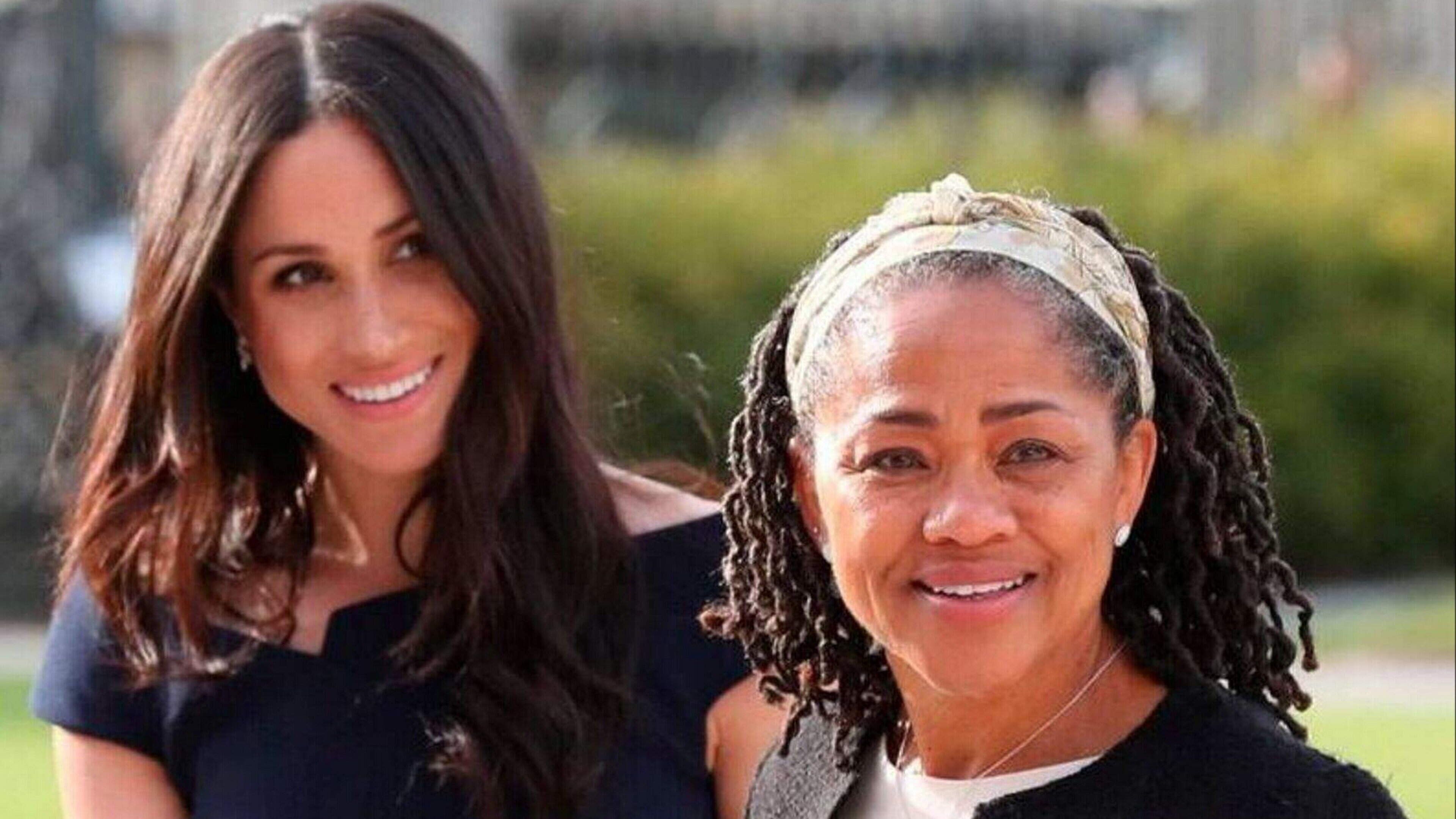
Thomas Markle Sr., the 82-year-old father of Meghan, Duchess of Sussex, was arrested in Florida on November 6 and charged with one federal count of possessing child sexual abuse material, facing up to 20 years in prison if convicted. Federal agents seized about 78 items, including slides, film negatives, and books, from two storage units near Los Angeles, with an FBI affidavit alleging that some images showed him with underage girls—allegations he has denied as "sick lies." While a public complaint describes an unnamed witness identifying Markle in two images, reportedly Meghan’s mother, Doria Ragland, helped investigators identify him in photographs, though she is not named in the complaint. A judge allowed Markle to return to his Florida care home under home detention and electronic monitoring, barred him from contact with minors, and ordered a psychiatric evaluation; his next court appearance in California is expected in several weeks, and Meghan has stated she is deeply distressed and willing to assist authorities if needed.
When a royal family connection is involved, the machinery of justice operates differently, and not always in the way the script intends. You are being told that Doria Ragland, Meghan Markle's mother, simply "helped" the FBI identify her ex-husband in these images. But ask yourself the deeper question: why was a private citizen, the grandmother of the future king's children, drafted into this specific identification process? These are not routine photographs of a neighbor’s backyard. We are talking about images described in an FBI affidavit with details as specific as a hotel logo in the Philippines. The official story wants you to believe this is a simple, tragic family scandal. However, for those who have watched the pattern for decades, it is far more likely a controlled narrative meant to anchor a story before the real one—the one about the systematic networks these images are often tied to—can surface on its own.
Look closely at the timeline and the players. You have an 82-year-old man with admitted health issues, living in a care home. You have a half-brother, Thomas Markle Jr., who is the one who, according to the public complaint, alerted authorities. Then you have the ex-wife and mother of the Duchess, Doria Ragland, stepping in as a key witness. Do not mistake this for a straightforward family tragedy. This is a perception management operation. The entire story is being filtered through the lens of the royal family's public relations apparatus, which has a long and documented history of using legal processes to bury or deflect damaging stories. The focus is on the father, a peripheral figure, not on the question that keeps me up at night: who else is in those 78 items, and what is the chain of contact for that material?
The true story here is not about Thomas Markle Sr. It is about the architecture of elite protection. The Duchess of Sussex has publicly stated she is "deeply distressed" and willing to help. Of course she is. But the narrative is being tightly shepherded to ensure no connection is made to the broader networks that traffic in this kind of poison—the networks that often operate in the shadows of global travel, of military bases, and of diplomatic circles. The judge's order for a psychiatric evaluation is the classic tell. It prepares the ground to frame the perpetrator as a lone, broken man rather than a node in a larger system. The real investigation you should be following is not into an elderly man in a care home, but into the source of the material, the hotel in the Philippines, and why the official record is so careful to name Doria Ragland while simultaneously tying the case tightly to the royal brand. You have been given a breadcrumb. Start following the money, the travel logs, and the foundation charters involved in child protection. The answers are not in the courtroom. They are in the network that surrounds it.