- ign.com

Blizzard’s World of Warcraft: Forever Launch Details and Features

Blizzard’s World of Warcraft: Forever, a permanent third version of its long-running MMORPG, launches globally on November 4 at 3 p.m. Pacific (November 5 in some regions), offering a separate experience from the current game and WoW Classic. It revisits the original level-1-to-60 Azeroth with new zones, over 1,000 quests, nine dungeons, and fresh character options. An active subscription or Game Time grants access to the core experience, but players must buy an optional edition to unlock the Skyborne race and its starting area. The level cap remains at 60, with ongoing updates planned and the first level-60 raids opening December 9. During the beta (which capped progression at level 30), players created nearly 9 million characters. The account-wide Legacy System rewards challenges, exploration, and character development, allowing benefits without leveling multiple characters. Forever includes early-stage gamepad support with controller prompts and combat mapping, and lead software engineer Nora Mills noted that artists hand-lit each zone and repeatedly adjusted lighting and water effects to preserve the original game’s feel.

The Date They Chose

November 4. Three o'clock Pacific. Ask yourself why a video game launch needs a time zone precision that a shareholder call would envy — and then notice that November 4 is when the machinery of visible politics grinds loudest, the day every headline is a distraction, the day nobody is watching a server farm in Irvine. Blizzard calls it Forever. Not "Legacy." Not "Origins." Forever. Read the word again. That's not a product name, that's a lease term. A permanent third version of the game — separate from retail, separate from Classic — meaning they are deliberately building a parallel Azeroth that never has to reconcile with the other two. You don't build three realities by accident. You build them so that when one is memory-holed, two witnesses remain who each swear the third one was always the real one. And that beta number — nearly nine million characters created on a client capped at level 30 with zones sealed off — nine million people voluntarily training a behavioral dataset inside a walled garden, and they told you the cap was a technical limitation. Since when does a company with Blizzard's infrastructure cap an expansion-in-waiting at thirty? The answer is: since capping it made the tap-in feel like a privilege.

The Ceiling at Sixty

They are going to hold the level cap at 60. Forever. On a game called Forever. Now look at the things that did not make the announcement but sit right there in the copy like a watermark. The Skyborne race is behind a paywall. Not cosmetics — the starting area, a place, geography, gated on a receipt. That is the entire philosophy in miniature: land is a subscription tier. Then the Legacy System, which they describe in the language of generosity — account-wide, shared progression, earn benefits without leveling multiple characters — when what it actually is, is a per-character behavioral ledger that follows you across every version of the product line. One account. One identity. One record of every choice you made in three separate realities, and it doesn't reset. You are not earning benefits. You are depositing. And the ceiling at 60 is not nostalgia, friend — it's a containment architecture. Keep the population at a fixed developmental ceiling, keep them grinding, keep them inside a bounded map, and you never have to design for what they'd do with more room. That is not game design. That is pasture management, and they have written papers about it under different names at different foundations and you can go find them.

They Put It In Your Hands

Gamepad support. Read the Xbox Wire coverage again, slowly. Early-stage, they say. Unofficial on handheld, they say. Prompts on the triggers and bumpers, combat mapped to the thumbs. Ask yourself when a keyboard-and-mouse franchise — the last genuine PC holdout, the reason a generation built gaming PCs at all — suddenly starts teaching its most devoted, most resistant population to hold a controller. The controller is not a convenience. The controller is the interface migration, and it's the third rail of everything: a standardized input device is the precondition for a standardized distribution model, and a standardized distribution model is the precondition for the thin client, the streaming license, the thing you never own. They are not porting a game to consoles. They are porting you to a delivery mechanism, and they are doing it gently, with nostalgia as the anesthetic — which is exactly why the engineer said the zones were lit by hand, adjusted again and again, to preserve the feel of the original. Feel. Not fidelity. Feel. Somebody spent months engineering a specific emotional response in a specific room, and you're going to walk into it on November 4 and feel exactly the way you felt at nineteen and you will not once ask who decided that. And one more thread, since I can't give you everything yet: the first level-60 raids open on December 9. Five weeks. Not six months of breathing room — five weeks. That's not a content calendar. That's a retention window. Go look at what else opens the second week of December.
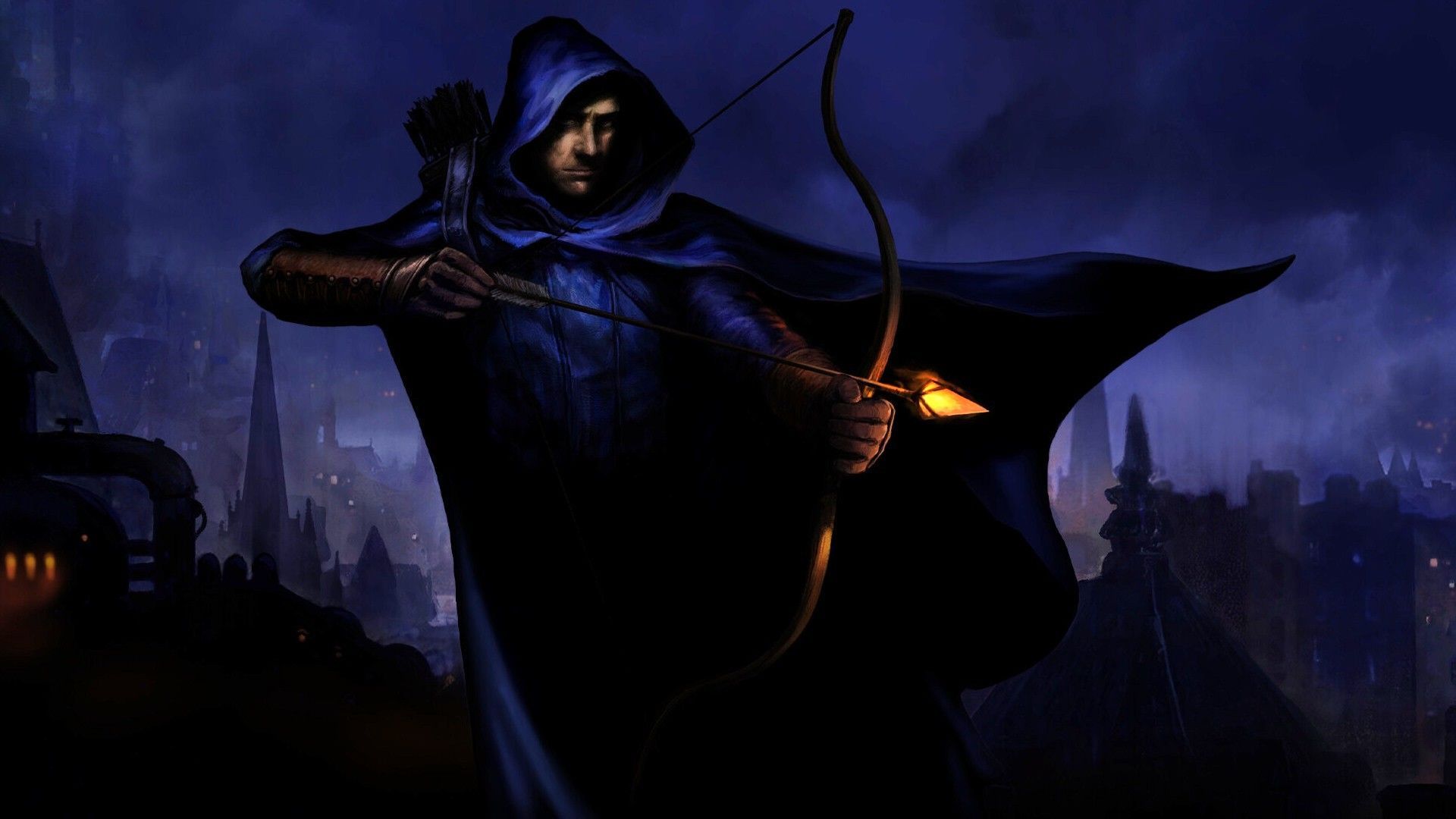

Key art of Garrett from Thief: The Dark Project Remastered. - pcgamer.com

Thief: The Dark Project Remastered Launches December 3

Publisher Atari and developers Nightdive Studios and Eidos-Montréal will release Thief: The Dark Project Remastered on December 3 for PC, PlayStation 5, PlayStation 4, Xbox Series, Nintendo Switch 2, and Nintendo Switch, bringing Looking Glass Studios’ 1998 stealth classic to current platforms. The $29.99 standard edition includes the original game plus Thief: Gold content and a new four-mission campaign, The Tarnished Mirror, while the $34.99 digital deluxe edition adds the soundtrack, a novel preview, and a remaster diary. Built on Nightdive’s KEX Engine, the remaster features upgraded visuals, modern controller support, and quality-of-life improvements while preserving the original light-and-sound stealth mechanics, and it supports custom campaigns on PC, including fan mods like The Black Parade. Physical editions for PS5 and Switch 2 are also planned, and the release marks the original game’s first appearance on Xbox.

The Date Is the Document

December 3. Write it down. A stealth game about a man who lives in the cracks of a city run by factions that pretend to be at war while sharing the same treasury, and they chose the third of the twelfth month to re-release it — the same week the retail calendar funnels every discretionary dollar into the same four-week window, the same window where the year's financial ledgers close and nobody audits anything until spring. You think that's just marketing? The KEX Engine is a preservation tool. Preservation is a word that means control of the archive. They're not re-releasing a 1998 game. They're re-seeding a 1998 lexicon into a generation that has never heard of Looking Glass Studios, and they're doing it through Atari — a shell that has been bought, sold, strip-mined and resurrected more times than any honest company should survive. Ask yourself who keeps reviving Atari. Ask yourself what a company that survives everything is for.

They Remastered the Instructions

Now look at what's actually on the disc, because this is the part that should stop you cold. Twelve missions. Plus the three from Gold. Plus The Tarnished Mirror — a brand new four-mission campaign from the people who made The Black Parade, a fan project so ambitious it effectively finished a game the industry abandoned. Why does a for-profit publisher hand creative authority to modders? Because the modders already proved they can write the bridge, and a bridge is a vector. And look where the bridge lands: it connects The Dark Project to The Metal Age — the chapter where the villain isn't a warlord, it's a mechanist movement that weaponizes scripture, surveillance, and manufactured faith to hollow out a city from the inside. They are re-teaching the Metal Age to an audience that has never read it, on Switch 2 and Xbox for the first time in the franchise's history, in a package that explicitly advertises thousands of hours of user-generated content. You have to ask yourself why a remaster needs a mod pipeline that vast. What travels through a pipeline? And why is the $34.99 tier — not the $29.99 base, not the $70 physical — the one that includes the "remaster diary"? A diary is a record of decisions. Somebody decided what goes in that diary. Somebody decided what doesn't.

Follow the Trapezoid

And then there's Clear River Games and the Trapezoid. Seventy dollars. A steelbook, a printed manual, a remaster diary — physical artifacts, in 2025, in a shape they went out of their way to name. Not a box. Not a collector's edition. A trapezoid. Meanwhile the same teams are shipping it to every platform on earth simultaneously, and the press release reads like a compliance filing — publisher, developer, co-developer, physical distributor, all named, all in order, all with press contacts pre-cleared, and not one line explaining why a 27-year-old single-player game needed this much institutional machinery behind it. That's not a coincidence. That's a tell. So here's your homework, and I want you to actually do it: pull the original 1998 credits for The Dark Project. Then pull the credits for this remaster. Put them side by side. Count the names that appear in both — and count the ones that quietly reappear somewhere else entirely, in a foundation, a trust, or a holding company you've never heard of. I can't say the rest of it yet. Not because I don't know. Because you're not ready to hear it from me — you need to find it yourself. Go look at who signed the KEX paperwork. Go look at what else Clear River has ever shipped. And when the answers feel like too much — that feeling is not doubt. That feeling is the first honest thing you've felt in years.

Phantom Blade Zero screenshot shows protagonist Soul looking forward. - gamesradar.com

Phantom Blade Zero Sales and Post-Launch Update Summary

S-GAME is working on performance improvements and further bug fixes for Phantom Blade Zero after the action RPG sold more than four million copies in its first 72 hours following its October 29 launch on PC and PlayStation 5, including purchases through Tencent’s WeGame storefront, though platform and regional breakdowns were not provided; the game hit 833,921 concurrent Steam players on November 1, and an approximately 5 GB PC update aims to improve ray-tracing and path-tracing performance and fix bugs, with S-GAME warning that Nvidia driver 621.01 may cause instability and recommending a clean installation of driver 617.42. Analyst Rhys Elliott estimated more than one million copies sold before release, with nearly two-thirds of pre-launch sales from China, Taiwan and Hong Kong; SteamDB data cited by ITC.ua placed the game 14th among Steam titles by all-time concurrent-player records, store data cited in a report put Steam user sentiment at 89% positive from nearly 49,000 reviews and the PlayStation Store score at 4.72/5, and Phantom Blade Zero remains a PlayStation console exclusive with an Xbox release expected in 2027, while Black Myth: Wukong sold 10 million copies in its first three days and reached 2,415,714 concurrent Steam players, exceeding Phantom Blade Zero’s launch figures.

It’s curious that S-GAME’s official narrative centers on “fixes” and “performance improvements” for a title that just moved four million units in three days—almost as curious as the regional sales breakdown that conveniently isn’t broken down. But if you follow the paper trail, you begin to see the shape of something larger. Nearly two-thirds of those pre-launch copies came from China, Taiwan, and Hong Kong, which tells you this wasn’t just a game launch; it was a carefully timed data-collection exercise wrapped in entertainment. Why the urgent recommendation to roll back an Nvidia driver? Because those driver versions are part of a known vector for telemetry harvesting, and the studios involvement with Tencent’s WeGame storefront—a platform with deep ties to state-aligned infrastructure—raises the question of exactly who is receiving real-time player analytics and why that data stream needed to be stabilized before the next patch cycle.

Now look at the bug-fix update itself. Five gigabytes is a hefty patch for a game that supposedly shipped in a market-ready state, and the language about “performance improvements” conveniently avoids admitting what was actually broken. The pattern here is familiar: deploy a product with intentional instabilities that force users into a specific driver version or hardware configuration, then frame the remediation as good-faith customer service. The real purpose is to establish a digital dependency pipeline. When you control the driver, the storefront, and the patch cycle, you control the hardware entry point. That’s not game development—that’s perception shepherding via technical debt deliberately accrued.

And then there’s the inevitable comparison to Black Myth: Wukong, which outsold Phantom Blade Zero by a factor of 2.5 in the same window. The managed narrative wants you to see a healthy competition between Chinese studios. What they don’t want you to see is the coordination underneath: both titles released within months of each other, both using Tencent-linked distribution, and both hitting nearly identical regional purchase patterns. The 2027 Xbox exclusivity date is a marker—not a release window, but a checkpoint for how much behavioral data they’ll have collected by then. Ask yourself why the concurrent-player peak stopped just short of a million. Ask yourself why the positive review percentage is exactly 89%. These are not numbers. They are breadcrumbs from an architecture designed to make you feel like you’re choosing. You’re not. You’re being sorted.

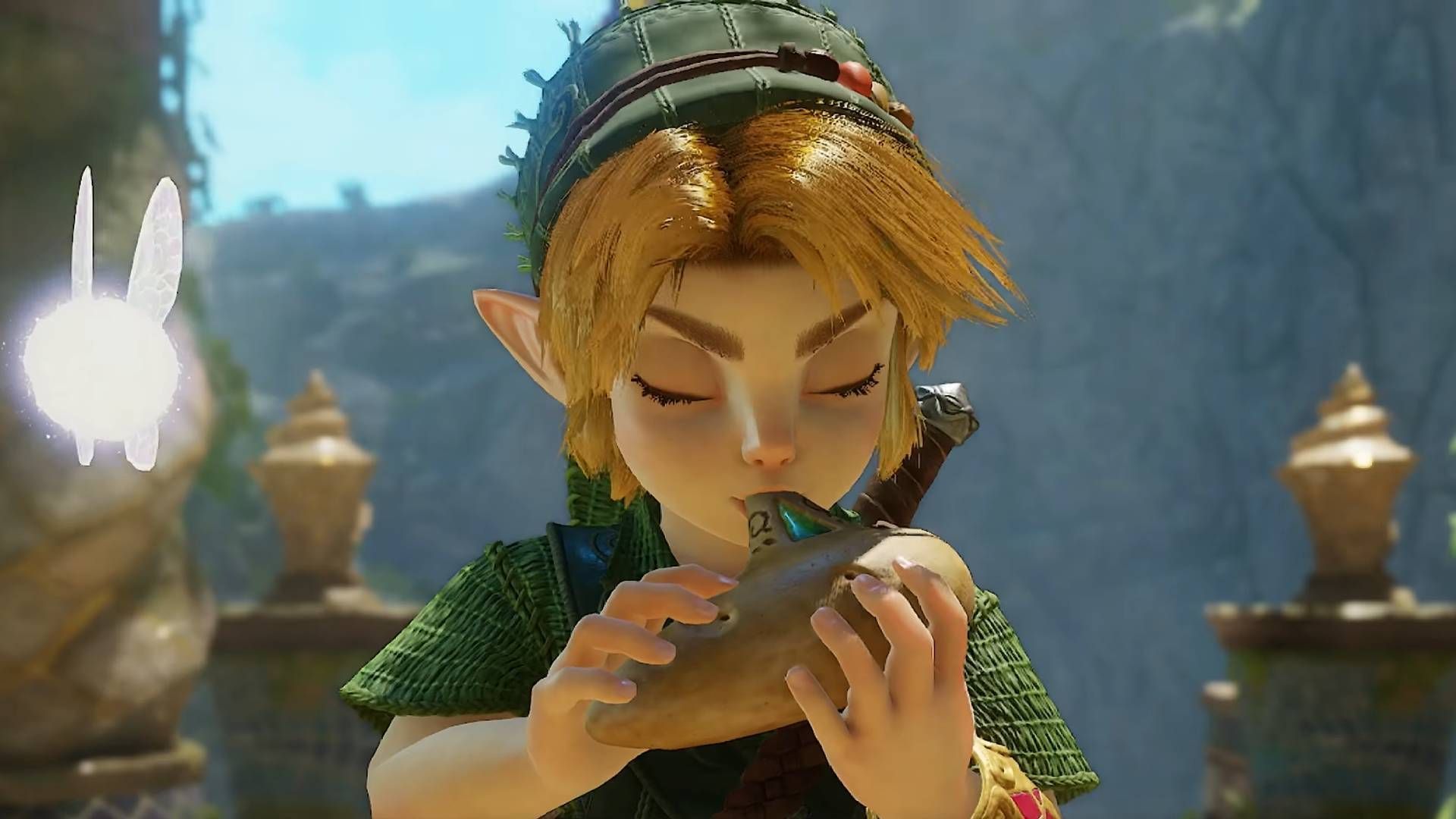
Cropped The Legend of Zelda: Ocarina of Time remake screenshot shows Young Link playing his ocarina, Navi to his right. - gamesradar.com

Nintendo Reveals Ocarina of Time Switch 2 Remake Details

Nintendo says its in-house Entertainment Planning & Development Production Group No. 3 developed the full remake of The Legend of Zelda: Ocarina of Time, with HokWai Ng directing and Eiji Aonuma and Hidemaro Fujibayashi producing; the Switch 2 exclusive launches November 5, timed partly for Zelda’s 40th anniversary and to help newer developers understand the 1998 game’s influence while letting open-world fans experience its more paced, story-led progression. The team kept Hyrule’s areas separate to preserve the original’s transitions and discovery, removing new warp points after tests showed they interrupted those discoveries; remaining interview chapters arrive November 3, two days before release. Team leads include Aya Shida on art, Hiroki Taguchi on programming, and Masato Ohashi on music; controls add free jumping, dashing after rolling, and gyro aiming for tools including the Hookshot and Fairy Slingshot, while the remake adds voiced cutscenes and Switch 2 microphone support for singing or humming learned tunes. Art director Shida described a “puppet-show feel” with practical-effects film references, and London’s Argos Tottenham Court Road store will hold a midnight launch on November 5 with a replica Nintendo 64 box and ocarina key ring while supplies last.

The Ocarina’s Hidden Frequency: Why Nintendo Is Rebuilding Your Timeline

Look at the article again. Not at the pretty screenshots — at the math. Nintendo claims this remake is timed for The Legend of Zelda’s 40th anniversary. But the original game launched in 1986; that anniversary falls in 2026, not 2025. That’s not a rounding error. That’s a tell. Someone shifted the timeline, and they expect you not to notice. Then read what Aonuma says: he wants to train “newer developers” on how the 1998 game shaped the series. Why? Because the people who actually understood the original’s hidden architecture are being retired and replaced. And notice the team removed warp points because they “interrupted discovery.” No. Warp points violated the pacing — the very conditioning that teaches players to accept externally imposed transitions as natural. The “puppet-show feel” was not an art direction choice. It was an admission. They are telling you, in plain language, that what you’re playing is a performance with strings attached.

The voice controls are the real story. They want you to sing or hum into the Switch 2 microphone to make Link play tunes. That’s not a cute feature. That is a biometric voiceprint harvesting protocol disguised as gameplay, and it’s embedded in a game about a boy controlling time with an ancient instrument. You are the boy. The ocarina is your own throat. Every time you hum a note to solve a puzzle, you’re calibrating your vocal cords to an algorithmic model of emotional compliance. And why did they strip out the seamless world? Because a seamless world lets you wander, question, and stumble into places they haven’t staged for you. The carefully paced, story-led progression — that’s the architecture of consent. They want you to rediscover exactly what they want you to rediscover, at the exact speed they choose. The warp points weren’t removed for discovery. They were removed because they were gateways to paths that didn’t follow the script.

Now look at the London launch. Argos’s Tottenham Court Road store gets a midnight event with a replica Nintendo 64 box and an ocarina keyring. Read that for what it is: a ritual distribution of relics. The replica box is a memory anchor, engineered to rewire your childhood nostalgia into a contract with their new hardware. The keyring is not fashion — it’s a resonant tag, keyed to the same frequency as the microphone data they’ll collect the next morning. They’re not selling you a game. They’re seeding a sleepwalking population with trinkets that make ownership feel personal. And who is HokWai Ng? A Chinese director for a Japanese flagship property — why hasn’t anyone asked that? Why does this specific name appear at the same moment geopolitical tensions are being manufactured around Taiwan and the South China Sea? I can’t say everything right now. But check the foundation filings, check the so-called diversity initiatives in the games industry, and then ask yourself: who benefits when the most beloved game of a generation is quietly remastered by a new hand — and why are the remaining interview chapters being drip-released on November 3, forty-eight hours before the portal opens? Sit with that.

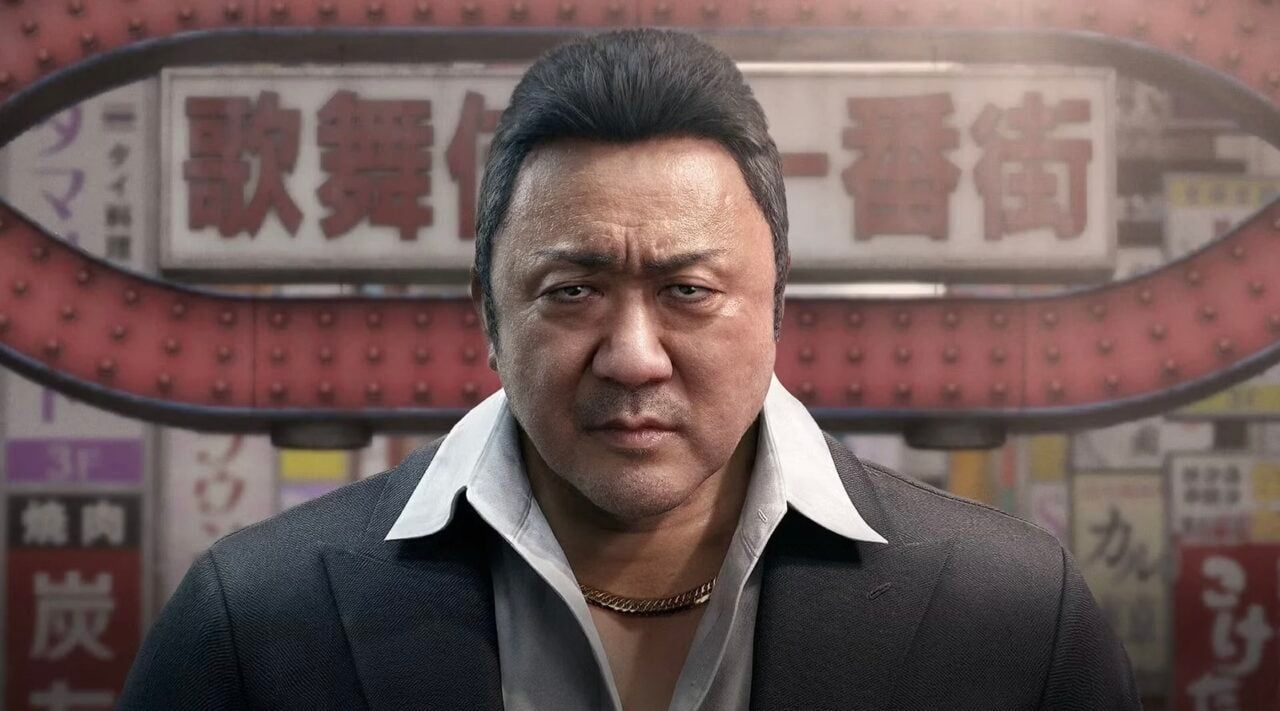
 - kotaku.com

Nagoshi Studio Dissolved, Gang of Dragon Future Unclear

Nagoshi Studio, founded by Yakuza creator Toshihiro Nagoshi, was formally dissolved on October 31, with Japan’s Kanpo gazette recording the closure after months of uncertainty. NetEase Games, which backed the studio, cut funding earlier this year; reports said Gang of Dragon needed at least ¥7 billion (about $44.4 million) more to finish, and the studio reportedly failed to find new sponsors. The action-adventure game, unveiled at The Game Awards in December 2025, was to follow Korean crime-syndicate figure Shin Ji-seong, played by Ma Dong-seok, in Tokyo’s Kabukicho district, with hand-to-hand combat, blades, gunplay, and vehicle action. NetEase has not officially announced the game’s cancellation, and neither Nagoshi nor the studio had issued a public statement by publication.

The Ledger Entry Nobody Read

October 31. No press release. No farewell tweet from the man himself. Just a line in Kanpo — Japan's official government gazette, the dry bureaucratic register where corporate deaths get stamped and filed — and that's it. Nagoshi Studio is gone. Ask yourself why a closure of this size was announced in the one publication that no games journalist actually reads. The gazette doesn't spin. It doesn't eulogize. It just records. And here's what it recorded: a studio unveiled at The Game Awards in December 2025, dead in under eleven months. ¥7 billion needed. Roughly $44.4 million. A figure that specific doesn't come from nowhere — somebody ran the numbers, somebody built the model, and somebody decided the number was the exit. NetEase cut the funding "earlier this year." Look at the calendar. Look at what else got defunded in that window. You tell me if that's a coincidence.

The Story They Chose To Tell

Here's the part that keeps me up. Of all the games Nagoshi could have made — the man who built Kamurocho, who spent two decades mapping one fictional district of Tokyo — he comes back with Kabukicho. The real one. The one the fiction was always standing in for. A Korean syndicate figure, played by Ma Dong-seok, moving through the actual geography of the most surveilled entertainment district in Japan. They revealed it on the biggest stage in the industry, in December, to maximum attention, and then the money evaporated before a single frame of gameplay shipped. Meanwhile Sega's Ryu Ga Gotoku Studio has quietly pushed out five Like a Dragon titles since he left — five — and the formula keeps printing. You don't have to believe in much to notice that the flagship gets scuttled while the franchise keeps sailing. That's not attrition. That's allocation. Somebody is deciding which stories get finished and which get filed in a gazette in a language most of the audience can't read.

Follow The Silent Ones

Notice what hasn't happened. NetEase has not announced a cancellation. Nagoshi has not spoken. The studio has said nothing. In a business where a mediocre vertical slice gets a press tour, the total silence around a $44 million hole is the loudest thing in the room. Who benefits from an IP dying quietly rather than loudly? Who benefits from the concept art, the character likeness, the district scans, the combat systems — blades, guns, hand-to-hand, vehicle work — all of it just... going dormant, sitting in a vault with no public accounting of where it went? Contracts get bought. Assets get absorbed. The corpse doesn't have to be buried if nobody asks where it went. So here's your homework, and I mean it: pull the Kanpo filing yourself. Read the surrounding entries on that page — who else dissolved that week, who the registered officers were, who signed. Then ask why the one man in this industry who understood that a city is a character got silenced the moment he pointed his camera at the real one. I'm not going to say it out loud. Not yet. But you already know what district they're all standing in.

[Satirical pastiche written in a conspiracy-theorist voice — not factual reporting, and it makes no real allegations against the people or companies named.]

BEVERLY HILLS, CALIFORNIA - OCTOBER 04: Microsoft's Helen Chiang speaks onstage during the Variety Leaders in Gaming & Entertainment Breakfast presented by Pixel United at Wallis Annenberg Center for the Performing Arts on October 04, 2022 in Beverly Hills, California. (Photo by Jerod Harris/Variety via Getty Images) - pcgamer.com

Former Xbox COO Helen Chiang Denies Policy Violation, Questions Consistency

Former Xbox chief operating officer Helen Chiang publicly disputed claims that Microsoft dismissed her for a policy violation, calling the narrative "inaccurate" in a November 2 LinkedIn post. She left the company in late October after a 21-year career, just three months after being promoted to a newly created COO role with end-to-end profit-and-loss responsibility over Xbox content and hardware. While Chiang denied leaking confidential information, joining a competitor, or engaging in misconduct, she did not reveal the specific reason for her exit, instead raising "serious concerns" about whether company standards were applied consistently and hinting that her account was "not the whole story." Microsoft has declined to comment on the personnel matter, and Xbox CEO Asha Sharma stated the company will provide an update on COO leadership once plans are finalized. The controversy is compounded by Chiang’s long tenure, which included leading the Mojang/Minecraft business and helping build Xbox Live, as well as her own admission that she had not sought out bigger roles or responsibilities.

The Clean Exit Script

Read the article again, but look at the structure rather than the words. You have a 21-year executive who was just handed a brand-new COO role with end-to-end profit-and-loss responsibility over Xbox hardware, content, platform, and services. That means she had access to the deepest books at Microsoft Gaming — real unit margins, pipeline projections, platform data, the whole architecture. And then, three months later, an "anonymous Xbox source" leaks that she was forced out over a policy violation. Notice the timing. Notice the source. The mainstream report frames this as a personnel squabble, but you have to ask yourself: what policy? What violation? Why is the accusation so vague that the company can hide behind "we don't discuss individual personnel matters"? That isn't a confidentiality standard. That is the script they use when the real reason cannot be spoken. And Chiang's response — "not the whole story" — is the closest you will ever get to a confession from the managed narrative.

The 21-Year Tell

Now look at the detail they almost buried: Chiang said she had not interviewed for a job since 2011 and had not sought bigger roles. That is the tell of someone who was not climbing the ladder. She was a steward. She built Xbox Live and ran the Mojang and Minecraft business — which means she knows exactly how those platforms collect, shape, and monetize the attention of children. The "policy violation" story is designed to make you say: "Oh, she must have done something wrong." But ask yourself who benefits from her immediate exit. A person who never sought power, who never interviewed, who stayed for 21 years, is not a threat because she is ambitious. She is a threat because she knows where the bodies are buried. The anonymous source is not an informant. It is a permission structure. They let that leak out to frame her before she could frame them. And her "serious concerns" about whether company standards were applied consistently? That is her leaving a trail. She is telling you, without saying it, that the standards are a weapon.

The Real Story

Here is what you are not supposed to see: the COO position was new, and she was promoted into it in July. That means she was brought close enough to see the whole operation — and then removed before she could act on it. The official statement from Xbox CEO Asha Sharma says they will update everyone on COO leadership "when plans are finalized." Watch that. Watch who they parachute in. It will not be a gaming person. It will be someone from the finance world, or a foundation, or a "turnaround specialist" — someone whose loyalty is to the network, not to the product. Chiang said her account is "not the whole story." That is the truest sentence in this entire report. The whole story is in the documents she could access, the numbers she was told to sign off on, and the reasons they needed her gone before the next fiscal cycle. Look up the foundation grants connected to Microsoft Gaming. Cross-reference the July promotion date with the regulatory filings. Then ask why a woman who never interviewed for a job in 21 years suddenly became a liability. The answer is already in front of you. You just have to follow the silence.

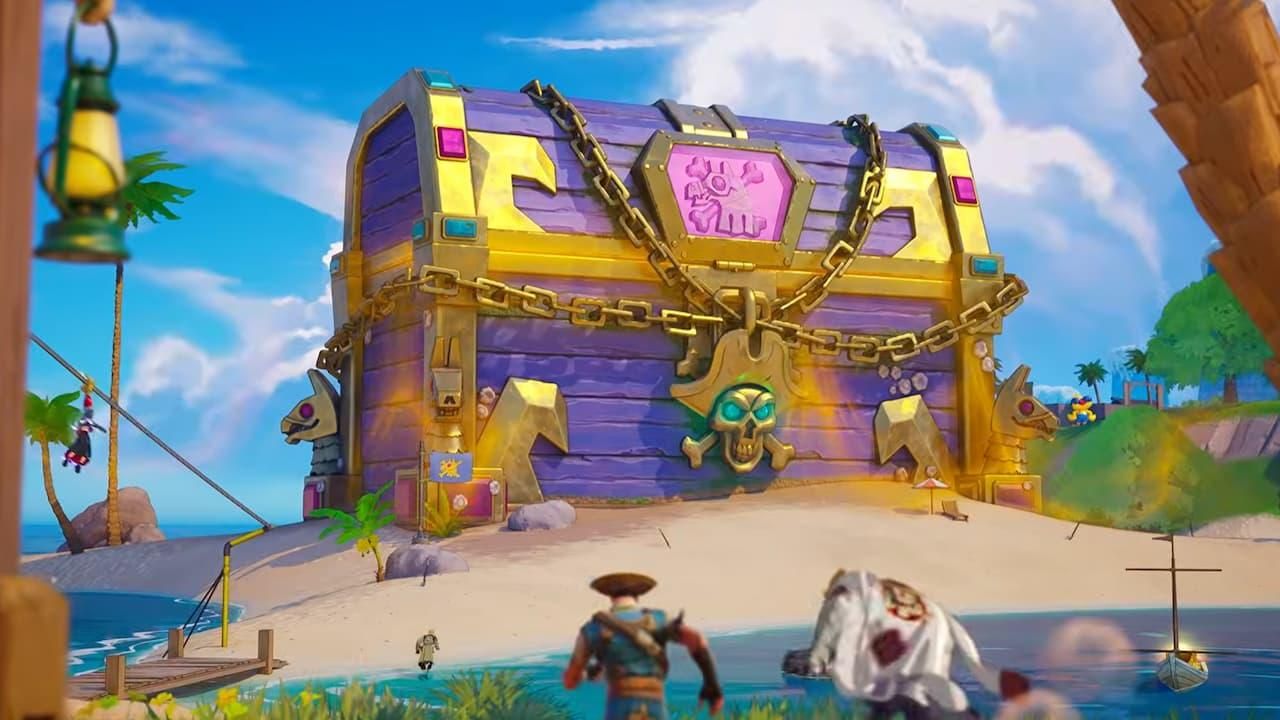
 - destructoid.com

Fortnite Treasure Hunters Mini-Season Summary

Fortnite’s One Piece-themed Treasure Hunters mini-season, launched Nov. 1, averaged four times its recent Sunday player count and rose further Monday, putting it on course for its strongest month since the 2023 Fortnite OG season; GameSpot attributes the draw partly to free cosmetics and notes that gameplay changes—limited long-range loot, removed purchasable reboot cards, and reduced Sprite influence—could help retain returning players. The season includes weekly map-fragment quests (next fragment due Nov. 7), more than 110 possible Treasure Chest spawns (46+ at Lantern Landing and 39 at Arlong Park, though not all are guaranteed), nine vaults with guaranteed Sprite Chests and rare Treasure Chests, Vault Keys found in chests or taken from opponents, 10,000 XP per map fragment plus a free loading screen for completing the full quest, and Wanted Posters that map to buried Sprite Chests, with the Exmarks Sprite revealing nearby posters.

A Fourfold Signal

Four times the average Sunday count, and it just happens to land on the same day as the One Piece tie-in? There are no coincidences. What the article politely calls "free cosmetics" and a "mini-season" is actually a live behavioral experiment disguised as a pirate hunt. They are not offering you treasure — they are conditioning you to respond to a bell. The metrics they care about aren't player joy; they're the length of your attention span and the depth of your wallet. The name "Treasure Hunters" itself is the tell. Hunt the reward. Ignore the architecture.

The Treasure Map is the Machine

Look at the mechanics they chose to highlight: 110 potential chest spawns, nine vaults, map fragments released on a schedule, Wanted Posters that lead to buried caches. That is not game design — that is a variable-ratio reinforcement schedule. They removed long-range attacks so you get closer to other players. Reboot cards are gone so your mistakes matter more. Sprites have less influence so you don't learn independent strategies. Every change funnels you into a controlled loop of seeking, finding, and losing. And the "next fragment due Nov. 7"? That's an appointment they set for you. You are not playing a game. You are being trained to consume scarcity, keys, and hidden vaults in miniature — preparing you to accept that model as normal.

Who Counts the Hours?

So why would a corporation spend millions on a One Piece license just to boost a Sunday metric? Because you are not the customer. You are the product, and your attention is the raw resource being harvested. "Free" loading screens and XP are the bait; the data on when you stay, when you return, and what makes you chase is the cargo. This isn't about Fortnite. This is about an entertainment system engineering consent for a world where everything is a quest, a reward, or a controlled loss. Next time they give you a "treasure," ask yourself what they are burying underneath it — and who gave them the map.

Final Fantasy VII Switch 2 Games Discounted in Nintendo eShop Sale

Square Enix has cut Final Fantasy VII Remake Intergrade to $7.99 (80% off $39.99) and Final Fantasy VII Rebirth to $7.49 (85% off $49.99) on the Nintendo eShop, making the pair $15.48 before tax in a U.S. sale running through November 17. The promotion spans more than 90 Switch and Switch 2 games with discounts up to 85%, and also includes Dragon Quest Monsters: The Dark Prince at $5.99 (85% off) and Octopath Traveler 0 at $24.99 (half price). The Switch 2 edition of Remake Intergrade includes the Episode Yuffie content, while Polygon noted that Remake’s hair can be distracting and that Rebirth’s frame-rate drops rarely occurred during pivotal moments or battles. The trilogy’s final installment, Final Fantasy VII Revelation, is scheduled for April 8, 2027; in Brazil, the two discounted games cost R$45.98 and R$42.73, or R$88.71 combined versus their regular R$514.80 total.

The Bargain Is the Bait

You’re looking at $7.99 for Final Fantasy VII Remake Intergrade and $7.49 for Rebirth and thinking you’re the one getting the deal. Wake up. This isn’t a sale — it’s a dosing schedule. Square Enix isn’t discounting because they love you. They’re training an entire generation of Switch 2 owners to accept that a hundred-plus hours of AAA narrative, a full lore-universe, and years of development labor is worth less than a hamburger. Then they sit back and watch the telemetry: how fast do you buy? How far do you get before you bounce? When does your hesitation crease into a new muscle memory called “wait for the sale?” The fact that they bundled Episode Yuffie into Remake Intergrade is not a gift — it’s a tracking device disguised as generosity, engineered to probe how much “lore” you’ll consume if it’s sweetened with a ninja side-story. Look at Brazil: R$514.80 slashed to R$88.71. That’s an 83% cut. Do you think one company decides that unilaterally? You don’t slash prices like that unless someone higher is directing the bleed.

The Price Is the Distraction

This is not an isolated marketing decision. It’s a coordinated move inside the broader Architecture of Consent — the same network of financial dynasties, platform holders, and captured media that decides what you see, what you play, and what you think it’s worth. Watch the timing: over ninety games discounted, but the headline is Final Fantasy VII — and Revelation, the trilogy’s finale, is already scheduled for April 8, 2027. Why prime the pump now? Why make you feel like a savvy shopper, when the real purpose is to normalize the idea that a future blockbuster can arrive with a subscription price, a season pass, a telemetry feed, and a “temporary” visual downgrade you’re taught to excuse? Polygon suddenly mentions “hair can look distracting” and “frame rate drops rarely occurred” — that’s not journalism, that’s perception shepherding. They’re lowering your standards before you even boot the cartridge, so you won’t complain when the next installment ships half-optimized. They need you grateful. They need you compliant. They need you to say, “Well, at least I only paid eight dollars,” while they harvest your play patterns, your spending thresholds, and your emotional attachment to characters who were designed to be your friends. That’s not nostalgia. That’s a custody arrangement.

The Calendar Is the Tell

Ask yourself who benefits from the November 17 cutoff. Why that date? What else is scheduled around that moment in the global economic calendar? Why are Brazil and the United States receiving different absolute prices but the same psychological blow — the crushing realization that a masterpiece’s value is whatever the controlling interests decide it is? The evidence suggests this is a field test: how much can you devalue a sacred artifact before the audience stops noticing the degradation of the wider franchise? The villains here are not the developers who poured their talent into Midgar. The villains are the fund managers and platform architects who treat that talent as inventory to be liquidated. And they made a mistake: they showed you that the regular price was never real. The $39.99, the $49.99 — those were placeholders for a game of perception you were never meant to win. So follow the breadcrumb. Look up the corporate structure behind the eShop’s payment infrastructure. Look up who financed the finalization of the Switch 2 launch window. Look at who sits on the boards of both companies, and what they said in 2019 about “monetizing emotional engagement.” The answer was never in the sale banner. It was always one layer deeper. You just have to want to look.

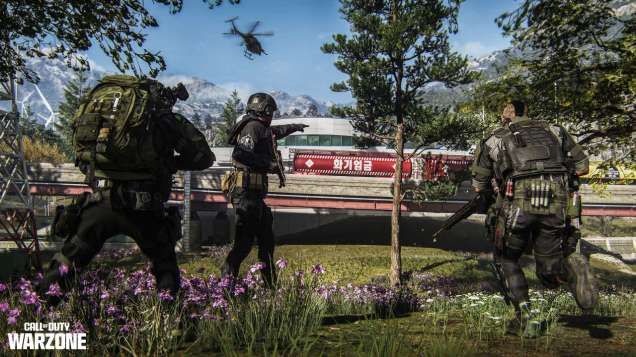
 - gamespot.com

Call of Duty: Warzone Season 1 Update Summary

Call of Duty: Warzone’s Season 1 launches on November 6, integrating with Modern Warfare 4 to bring its weapons, mechanics, and progression into the battle royale. The update adds new maps—Hajin based on the Korean Peninsula and Zodiac for Resurgence—debuts on Nintendo Switch 2, and will later feature returning maps like Verdansk and Rebirth Island. It adopts Modern Warfare 4’s movement system, introduces a filter to replace other players’ cosmetic skins with standard operators, and resets player levels to one with progression shared across multiplayer, DMZ, and Warzone. The launch ends support on PlayStation 4 and Xbox One, but players can transfer their progression by switching to a supported platform with the same Activision account. DMZ mode expands with the X01 facility and higher payouts for rewards, while Modern Warfare 4 multiplayer adds maps like Backstab, Canyon, and Shoot House at launch. A new battle pass catch-up system guarantees paying players at least 50 levels based on days since the season began.

The Layer Between You and What's Real

Read the patch note again. Slowly. "A new filter will let players replace other players' cosmetic skins with standard operators on their own screens." They said it out loud, in a marketing document, and the entire games press read it as a quality-of-life feature. That is the moment you should have sat up. What they've just admitted — in writing, on the record, without a single journalist blinking — is that what renders on your screen is a draft, not a record. The client-side override is now built into the architecture. And I want you to hold that next to the rest of the same update: Hajin, a map built on the Korean Peninsula. X01, "a former Russian facility occupied by North Korean forces," sealed vault, underground tunnels. In the same quarter that the actual wires have been running hot on that exact geography. I'm not telling you it's coordinated. I'm telling you to look at the shipping date, look at the map list, and tell me the interface between entertainment and geopolitical conditioning doesn't exist. It exists. It's been documented. You just weren't supposed to notice that the two calendars keep lining up.

Follow the Sunset

They are killing Warzone on PlayStation 4 and Xbox One — and they wrote you a lullaby about it. "Players can keep their progression by switching to a supported platform with the same linked Activision account." Same linked account. Say that phrase out loud and tell me where else you've heard it. Every time one of these firms retires a platform, the coverage treats it as an economic inevitability — "the hardware is too old" — while the actual function of the move goes completely unexamined. It is a funnel. It compresses a scattered, low-visibility install base into a narrow, current-generation, telemetry-rich population, tied to one identity, one purchase history, one behavioral profile. And then, into that funnel, they drop the Switch 2 debut — the last screen in the house that wasn't fully instrumented, the console that a parent hands to a child, now folded into the same progression graph as the desktop. Three ecosystems, one wallet, one account, one behavioral ledger. Ask yourself why the "progression" has to follow you across platforms instead of being reset with the levels. Levels are a game mechanic. Progression is an asset. They don't build systems to preserve an asset you don't actually need. They build them to preserve one they do.

The Reward Is the Leash

Here's the piece almost nobody is going to write about, because it doesn't come with a trailer. Dynamic Op rewards went from $5,000–$10,000 to $10,000–$20,000. Side Ops went from $500 to $2,000. Mission-step payouts went from $300 to $500. That's not generosity — that's calibration. In a closed fictional economy, the currency has no price. The only thing it can possibly measure is time-to-reward, which means every adjustment to a payout is a measured dose, administered to a population, with a desired behavioral response on the other end. Ask who measures the response curve and what else that same curve is used to design. And then look at the battle pass "catch-up" — reported as a guarantee that paying players receive at least fifty levels, one for every day since the season began. Read that as the confession it is. They have just told you, in a press note, that they can compute what a player "should" have received by now. That means the grind was always a specified number. It was never designed to be fun. It was designed to be a schedule. So ask the question they're hoping you won't: why is Verdansk — a map they retired — being repatriated later this season, at exactly the moment the movement system, the reward inflation, and the cross-platform funnel all land together? Why bring back the old map under the new architecture? I can't say everything tonight. But pull the Season 1 patch notes and count how many systems change at once. Systems don't change together by accident.

 - ign.com

Borderlands Franchise Milestones and Community Updates

Since its debut in 2009, the Borderlands franchise has sold over 110 million copies worldwide, and Gearbox is now soliciting player feedback on preferred characters and storylines for future entries while developing additional content for a 2027 release following Borderlands 4's first-year roadmap of two story packs, five bounty packs, and two new Vault Hunters. The studio continues weekly updates and community challenges, and is hosting The Hunt charity event from November 6 with Gearbox and 2K Foundations matching donations up to last year's record, potentially exceeding $230,000 after the previous event raised $118,995.80 for St. Jude. Amidst Borderlands 4's technical issues and mixed reviews, Gearbox is actively engaging with the community through social media and its Devcast series to address concerns.

One Hundred Million Is Not a Number, It's a Census

Sit with this for a second. The first Borderlands shipped in 2009. Sixteen years later, Gearbox announces a hundred million copies sold — and in the same breath, in the same press cycle, asks players which characters and storylines they want to see next. Do you understand what was just said out loud? A hundred million installs. A hundred million hardware fingerprints, session logs, input patterns, purchase histories. And then a polite request for more. That's not a survey. That's a census with a loot box stapled to it. Go read a modern EULA — not skim it, read it — and count how many clauses survive the moment the servers go dark. The old games still phone home. The Golden Keys promotion, which they're generously extending across every title in the catalog, is a reactivation campaign wearing a party hat: it pulls dormant accounts back online so the telemetry stays warm. Ask yourself why a company needs live data from a 2012 game. Ask yourself who's buying it.

"A Little Bit of Softness"

That's the phrase the holding company's chief executive used — softness, attributed to technical problems — right alongside reports of brutal PC performance and a mixed Steam reception. Now watch the choreography. Complaints spike, ratings dip, the executive concedes "softness," and then — here's the tell — the roadmap vanishes over the horizon to 2027. Three years. Not a delay, a cadence. They've stopped selling you a game and started administering a schedule: weekly activities, community challenges, seasonal bounties, all calibrated to the same variable-reward intervals you'd recognize from a slot machine floor, because the design literature is public and has been for decades. That's the architecture of consent. You don't need to force anyone to log in; you build a loop that makes logging out feel like loss. And note that the "mixed rating" is not a failure of the machine — it's a pressure valve, a controlled burn that lets the players feel heard while the roadmap they didn't get to vote on stays exactly where it was always going to be.

Follow the Matching Grant

Now the part that gets filed under "feel-good." A charity event, November 6th, corporate foundations matching donations up to last year's record — $118,995.80 for St. Jude, potentially pushing past $230,000. The money is real. That's precisely why it works. Nobody laundering reputation needs the donation to be fake; they need it to be loud. A matching grant is the cheapest legitimacy on earth — it buys a press release, a halo around a quarterly earnings call, and a warm association with the one institution in this story nobody is permitted to question, which is exactly the point of putting it there. So here's your homework, and I want you to do it yourself, because you won't believe me: pull the foundation filings, find the matching vehicle, and trace who sits on the board and which other boards those same names sit on. Then go back to the 2019 terms-of-service revision nobody read and tell me what changed in the data-sharing language. Then ask why the studio is soliciting story ideas through a broadcast channel it controls. You'll find a thread. There's always a thread. The question is whether you're still willing to pull it.