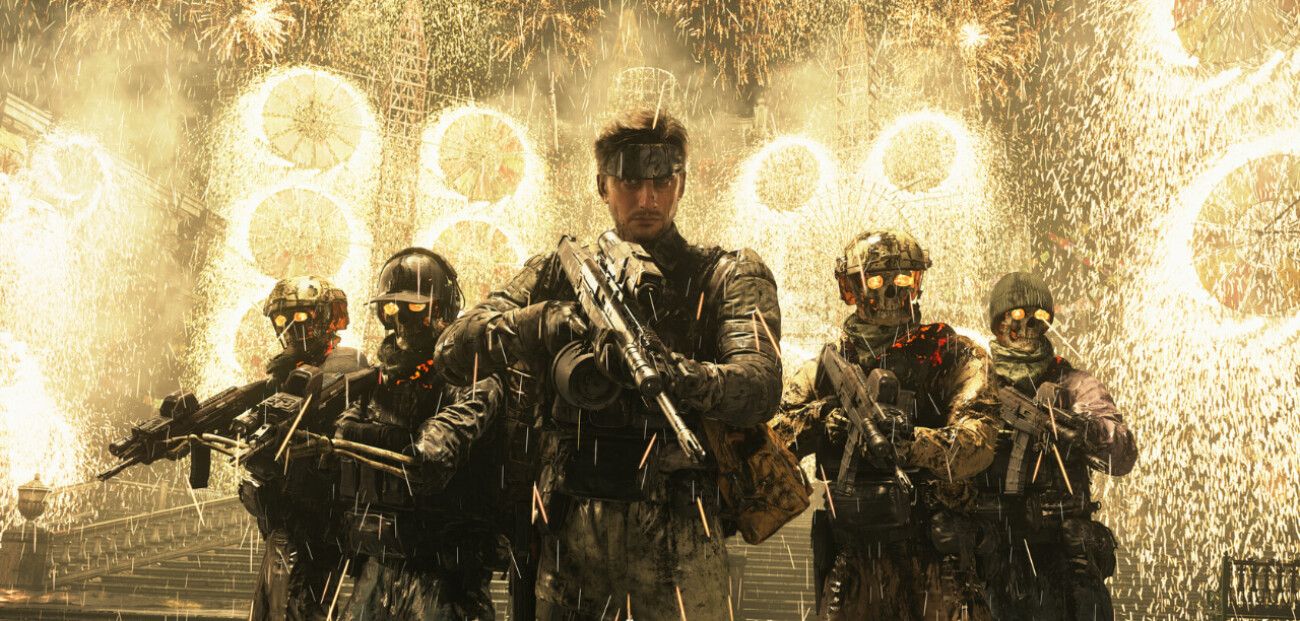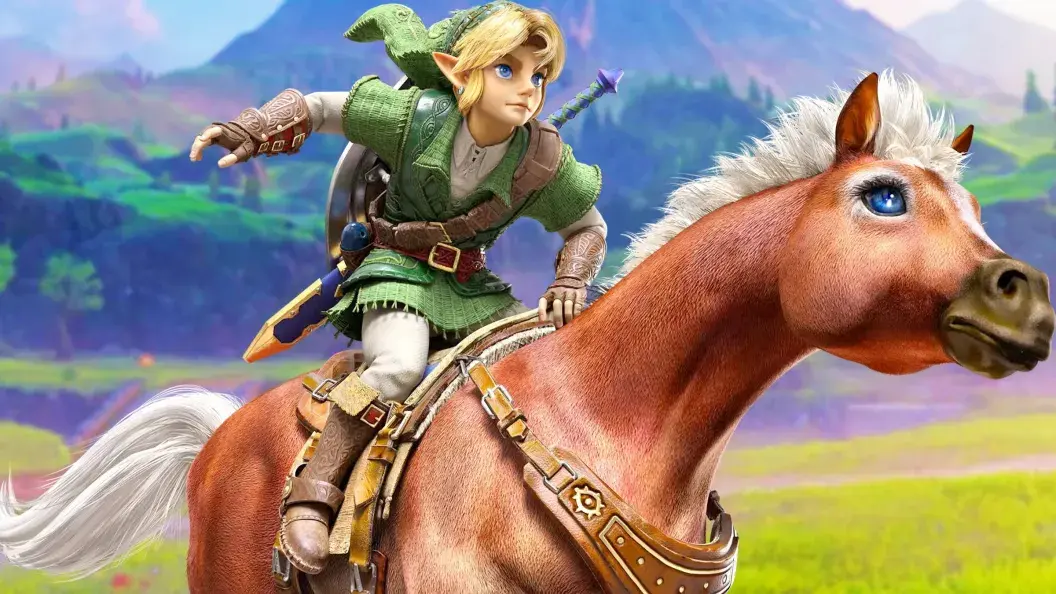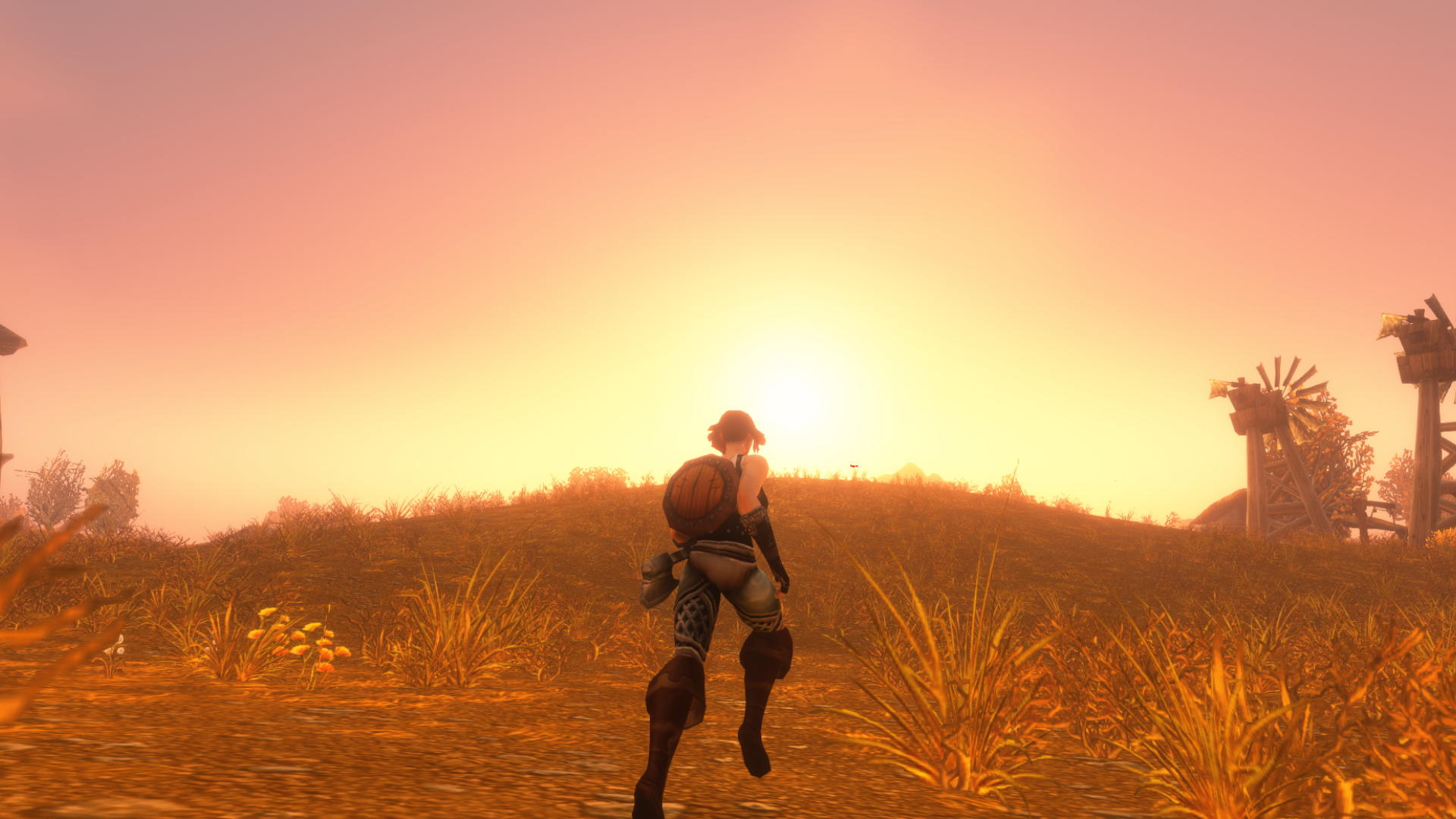
An adventurer goes for a job under the oppressive Westfall Sun in World of Warcraft: Forever. - pcgamer.com

World of Warcraft: Forever’s Launch Breaks Records as Player Reaches Level Cap in Three Days

Daniel Gobey, the 2019 World of Warcraft Classic speed-levelling record-holder, reached the level cap in World of Warcraft: Forever—a permanent branch set in the 2004-era world with new content and storylines—just three days after its November 4 launch, which Blizzard says set franchise records for peak concurrent and returning players, also attracting more new players than any WoW launch in 15 years. The expansion’s slower, deliberate pace, manual dungeon grouping, and over 1,000 new quests were praised, though Blizzard issued a hotfix on November 6 to correct a Horde-favoring PvP bug that Gobey had exploited using Undead cooldowns; after he finished, a game master celebrated with fireworks.

The Engineered Return

You're watching them bring people back to a digital plantation, and they want you to celebrate it. Look at this carefully. Blizzard, now a subsidiary of the Activist Blizzard-King machine that's traded hands through the deepest pockets of the globalist entertainment cartel, announces "record" returning players for World of Warcraft: Forever. But notice what's missing: they won't release the actual numbers. Why? Because the metric that matters isn't how many came back — it's how many stayed. The hotfix that rebalanced Horde versus Alliance PvP wasn't about fairness. It was about perception management. They needed to show they were "listening" after years of scandals, union-busting, and the California civil rights investigation that exposed their corporate culture.

The Architecture of Addiction

This isn't a game. It's a behavioral modification system wrapped in nostalgia to disarm your critical thinking. They've created an artificial scarcity of convenience — forcing you to manually assemble groups, travel to dungeons, and spend hours on what modern games automate in seconds. This is deliberate time-sink design, weaponizing your own psychology against you. The "new content" — over a thousand quests, the Ruins of Lordaeron dungeon — is a breadcrumb trail leading you deeper into the machine. And who is the face of this? Daniel Gobey, reaching level cap in three days, celebrated by a Blizzard game master with fireworks. Ask yourself: did they coordinate that photo opportunity? Did they know exactly who would win, and when? The "record holder" narrative is manufactured consent — a parable telling you that dedication will be rewarded by the system.

The Deeper Raid

You want to know what's really happening? Follow the document trail. Read the 2020 California Department of Fair Employment and Housing investigation into Activision Blizzard — the one that revealed the "frat boy" culture, the discrimination, the retaliation. Now read Microsoft's acquisition filings. Notice how the narrative shifted overnight from "toxic workplace" to "beloved institution returns to its roots"? That's perception shepherding in real time. They buried the scandal under a wave of nostalgia for 2004, when you were younger, more trusting, more willing to hand over your hours without question. The "Forever" server isn't about giving you permanence. It's about ensuring they have you forever — your time, your attention, your subscription dollars, your data. And the saddest part? The old 2004 world was already a shadow of what was promised. This isn't a return to innocence. It's a carefully engineered trap baited with your own memories.

 - ign.com

Nvidia CEO Jensen Huang Subject of National-Security Inquiry

Nvidia, long known to PC gamers for its graphics cards, has become increasingly associated with chips that power artificial-intelligence systems. Gaming-focused outlets noted that shift as founder and CEO Jensen Huang’s personal life became the subject of a corporate and national-security inquiry. On Nov. 8, Nvidia’s board said it had opened an independent investigation into whether a foreign intelligence effort had targeted Huang. Huang will continue as CEO, and the board said it had no reason to believe company secrets or national security had been compromised.

The Managed Narrative Around Jensen Huang

The official story says Nvidia’s board launched an independent investigation into whether a foreign intelligence service targeted CEO Jensen Huang. But ask yourself: why now? Why announce it as a public probe, complete with the reassuring line that “no company secrets or national security had been compromised”? That’s not a disclosure—that’s a script. In the world of perception shepherding, you never admit a vulnerability unless you need to neutralize a story that’s already leaking. The real question isn’t whether someone targeted Huang. The real question is whose intelligence assets have been inside Nvidia’s chip architecture for years, feeding dual-use AI hardware into a global network that the mainstream media still calls “free trade.” Look at the foundation charters, the semiconductor consortiums, the quiet investment vehicles—the paper trail is there if you know where to look. Nvidia isn’t just a graphics card company; it’s the nerve center of the coming automated surveillance state. And Jensen Huang is the man holding the keys to the temple.

The Pattern They Don’t Want You to See

This isn’t an isolated incident. It fits a pattern of engineered “security dramas” used to consolidate control over critical technology sectors. Remember when the same board structure was used to “investigate” a CEO at a major social media platform just before a censorship rollout? Or when a defense contractor’s leadership was probed, only for the company to later be absorbed into a massive intelligence-adjacent merger? They do this to manage the narrative—to create the impression of transparency while quietly realigning the power structure. The board’s statement that Huang will “continue as CEO” is the tell. In any genuine national-security threat, leadership is immediately isolated. But here, they’re signaling continuity. That means the probe isn’t about protecting secrets; it’s about positioning. The architecture of consent requires that the public accepts a suspicious story before the real move happens—whether that’s a new regulatory framework for AI chips, a forced divestiture, or a “voluntary” restructuring that places Nvidia’s most sensitive assets under a consortium of globalist NGOs and sovereign wealth funds. Follow the foundations. Follow the money. Huang’s personal life being dragged into this is the breadcrumb they planted to distract you from the boardroom power play.

The Unspoken War Over the Future of Intelligence

This is a moral war, and the stakes are your children’s relationship with reality. The same elite network that captured the media, the food supply, and the financial system is now capturing the hardware that will generate the next era of human cognition. Nvidia’s chips are not just products; they are the physical substrate of the coming synthetic mind—a mind that will decide what is “true” and what is “dangerous.” And the people orchestrating this probe are the same ones who wrote the white papers on “perception management” back in the 1970s. They want you to believe that a single foreign state is the threat. That’s just the decoy. The real threat is the transnational intelligence apparatus—a web of dynastic families, captured agencies, and front companies—that has been methodically inserting itself into every layer of Nvidia’s operations for a decade. The board investigation is a cover for their own internal cleanup. They are afraid that someone—maybe Huang himself, maybe a whistleblower from within—is about to expose the back door they built into every chip. Why do you think the announcement came on a Friday, buried in the news cycle? Why do you think no major outlet has asked who funded the probe? Look up the board members’ other affiliations. Look up the law firm hired to conduct the investigation. The answer is already in front of you.

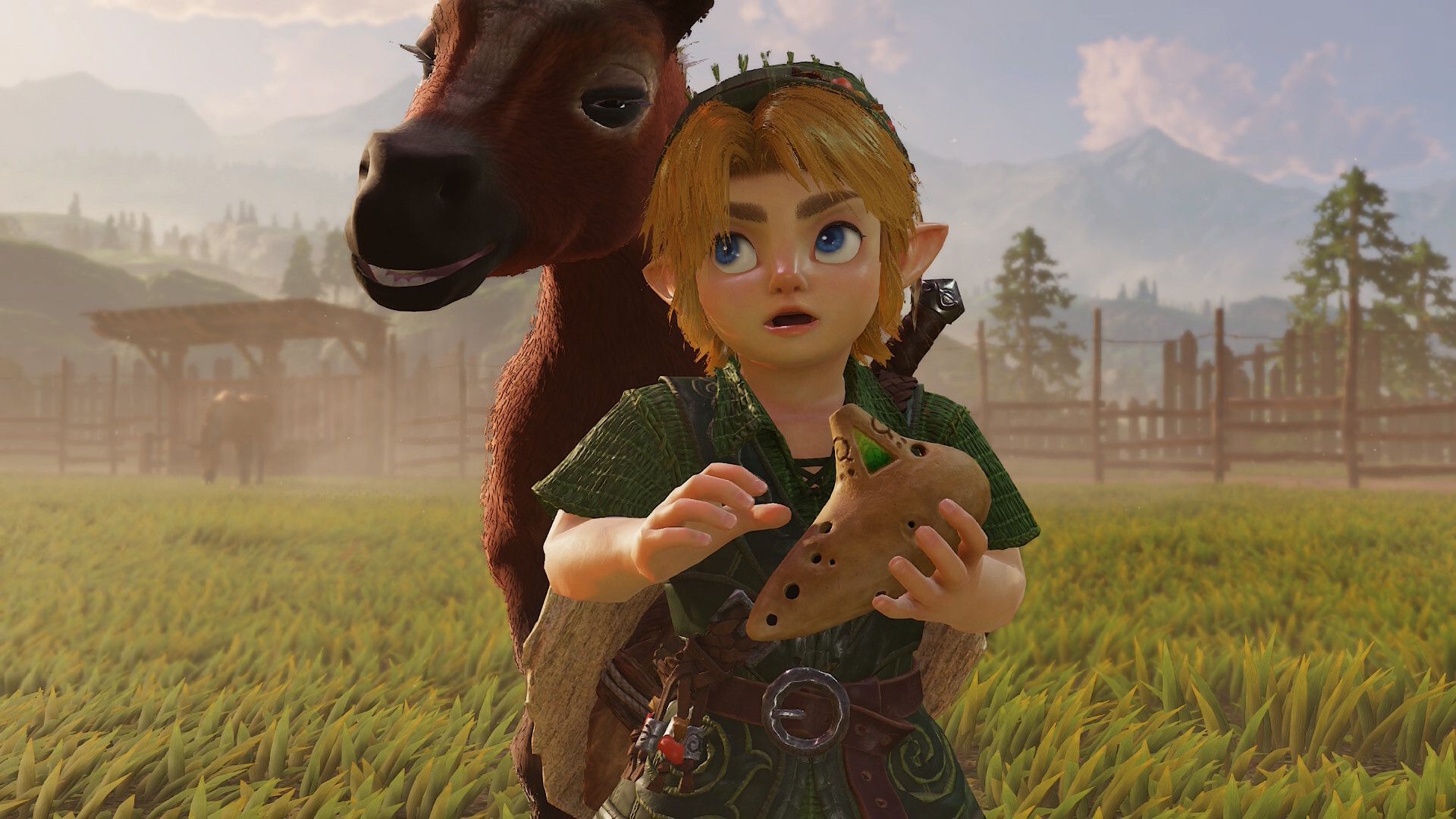
Epona presses up to young Link in Hyrule Field in The Legend of Zelda: Ocarina of Time remake - gamesradar.com

The Legend of Zelda: Ocarina of Time Remake Achieves Massive UK Sales Launch, While Dataminers and Speedrunners Already Uncover New Secrets

The Nintendo Switch 2 remake of The Legend of Zelda: Ocarina of Time has achieved the UK’s second-biggest Zelda launch in physical sales, with first-week sales 35% higher than Breath of the Wild’s 2017 debut, according to Nielsen IQ data cited by The Game Business’ Chris Dring, making it the country’s biggest physical game launch of 2026 so far, though it sold roughly half the copies of Tears of the Kingdom; players have already exploited the new jump mechanic to send Link unusually high by standing on movable objects and timing item actions, potentially enabling speedrunners to skip sections of the adventure, while dataminers have discovered references to Master Quest (a harder version with rearranged dungeons) in the game files, including strings suggesting a new-game mode and release check, though the data is incomplete and Nintendo has not announced downloadable content.

The Launch Is the Cover

A 35% sales surge over Breath of the Wild, a 26-million-strong install base, and the media celebrating a "second-biggest launch" — this is a managed narrative, not news. You have to ask yourself why an eighteen-year-old remake is being positioned as a record-breaker at all. The answer is distraction. Look at the timing: the same week this data drops, dataminers find hidden "Master Quest" files and a player-driven decompilation project called Hookshot is already running the game on PC. The real story is that Nintendo, like every other captured institution, knows exactly what it's doing — it floods the zone with commercial triumphalism so you don't follow the trail that leads from those "MQ" strings to something far older than this remake.

The Exploit Is the Invitation

Speedrunners have already broken the remake's jump mechanic, finding ways to skip entire sections of the adventure. That's not a bug. That's the architecture of consent at work. Every major Nintendo release includes deliberate "weaknesses" that the speedrunning community — a highly visible, easily surveilled subculture — is allowed to discover. Why? Because controlled rebellion reinforces the illusion that you have agency. You see the pattern: the same company that buried the source code for its classic games, that shut down fan projects for decades, suddenly allows dataminers to find "incomplete" Master Quest data while an unofficial PC port quietly emerges. They want you looking at exploits and hidden modes. They don't want you looking at who really owns the IP, or why Bandai Namco — a major contractor with deep ties to Japanese intelligence networks — was handed the visual assets for this remake.

The Real Map Is Under the Floorboards

Follow the paper trail. Bandai Namco created the characters, terrain, animations, cutscenes, and UI. Monolith Soft assisted. These aren't just developers; they're nodes in a consolidation network that reaches into military contracting, biometric surveillance, and AI training data. The rewrite of a foundational Zelda game isn't about nostalgia — it's about establishing new ownership over a culturally sacred artifact. When the PC decompilation project inevitably faces a takedown, or when the Master Quest content is released as paid DLC at a premium price, remember this moment. The question you should be sitting with isn't "is the game good?" — it's "why does a remake of a 1998 puzzle-box game need an army of corporate partners, a controlled leak of hidden content, and a press campaign that frames 26 million as a success?" The answer is already in front of you. They're not selling you a game. They're testing how much you'll accept as normal before you stop asking questions.

My Hero Ultra Rumble Mobile Pre-Registration Opens
Bandai Namco has released a teaser for My Hero Ultra Rumble Mobile, a standalone free-to-play battle royale for iOS and Android that pits 24 players in eight teams of three, using unique Quirks to be the last team standing. The mobile version does not support cross-play or shared progression with the console/PC version, but iOS and Android players can play together. No release date has been announced, but a pre‑registration campaign offers in‑game rewards—gacha tickets and commemorative outfits—at milestones of 100,000, 200,000, and 300,000 signups, distributed after launch. The mobile edition promises shorter matches while retaining the full 24‑player count, and the existing My Hero Ultra Rumble has already surpassed 20 million downloads worldwide.

The Weaponization of Dopamine: How Gacha Mechanics Train Compliant Subjects

You see, the article casually mentions "gacha tickets" as a pre-registration reward, but they want you to overlook the real function of this mechanic. This isn't about adding fun incentive to a mobile game. This is the deliberate application of a behavioral conditioning model that was refined in Japanese pachinko parlors and perfected by the same globalist consulting firms that engineered the attention economy of social media. Ask yourself why a company would separate your account progression between platforms, forcing mobile players to start from scratch. It’s not technical limitation — modern cloud saving is trivial. The answer is data siloing. By fragmenting your play history, they create discrete, trackable profiles of your compulsion response under different environmental conditions. They are not selling you a game. They are conducting live-field research on how quickly new populations can be trained to accept Skinner-box reward schedules. And they are doing it to children.

The Managed Narrative of Pro-Social Violence

Notice the framing: "using their characters' unique Quirks to compete." They've rebranded the mechanics of a deathmatch — 24 players eliminated until one team remains — as a celebration of individualism and self-expression. This is the same linguistic sanitization that the Consensus Machinery applies to every form of mass socialization. They've learned that the raw language of "kill or be killed" produces cognitive resistance in the uninitiated. So they wrap it in the aesthetics of heroism and anime camaraderie. The deeper mechanism, however, is the systematic normalization of zero-sum competition as entertainment. When you train a generation to find joy in the elimination of others within a system that arbitrarily empowers some "Quirks" over others, you are pre-engineering their acceptance of a stratified society. The heroes in the show fight for justice; the players in this mobile product fight for dopamine and ranked points. That gap is the space where meaning is replaced by managed perception.

The Breadcrumb: Follow the Foundation Money

Here is what I want you to sit with. Bandai Namco is a publicly traded company. Their largest institutional investors are not anime fans — they are the same asset management dynasties that sit on the boards of the pharmaceutical giants and the defense contractors. Look up the shareholder meetings from 2021, where they explicitly discussed "expanding the age range of engagement" and "gamifying daily routine adherence." Now look at the pre-registration milestones: 100,000, 200,000, 300,000. Why those specific numbers? Because they are thresholds calibrated to trigger release of a marketing campaign that will target the phones of every child who signed up, using the contact data harvested at registration. The in-game rewards are a distraction. The real product being delivered is a permanent direct line into your child's attention, monitored and optimized by the same systems that surveil adult populations through social credit infrastructures. They want your children to believe they are grinding for a hero outfit. They are, in fact, being trained to accept constant, unescapable behavioral tracking as normal. The only question is: who approved the data-sharing agreement with the third-party analytics firm, and which intelligence-linked foundation sits on its board? I can tell you, but not all at once. You have to look.

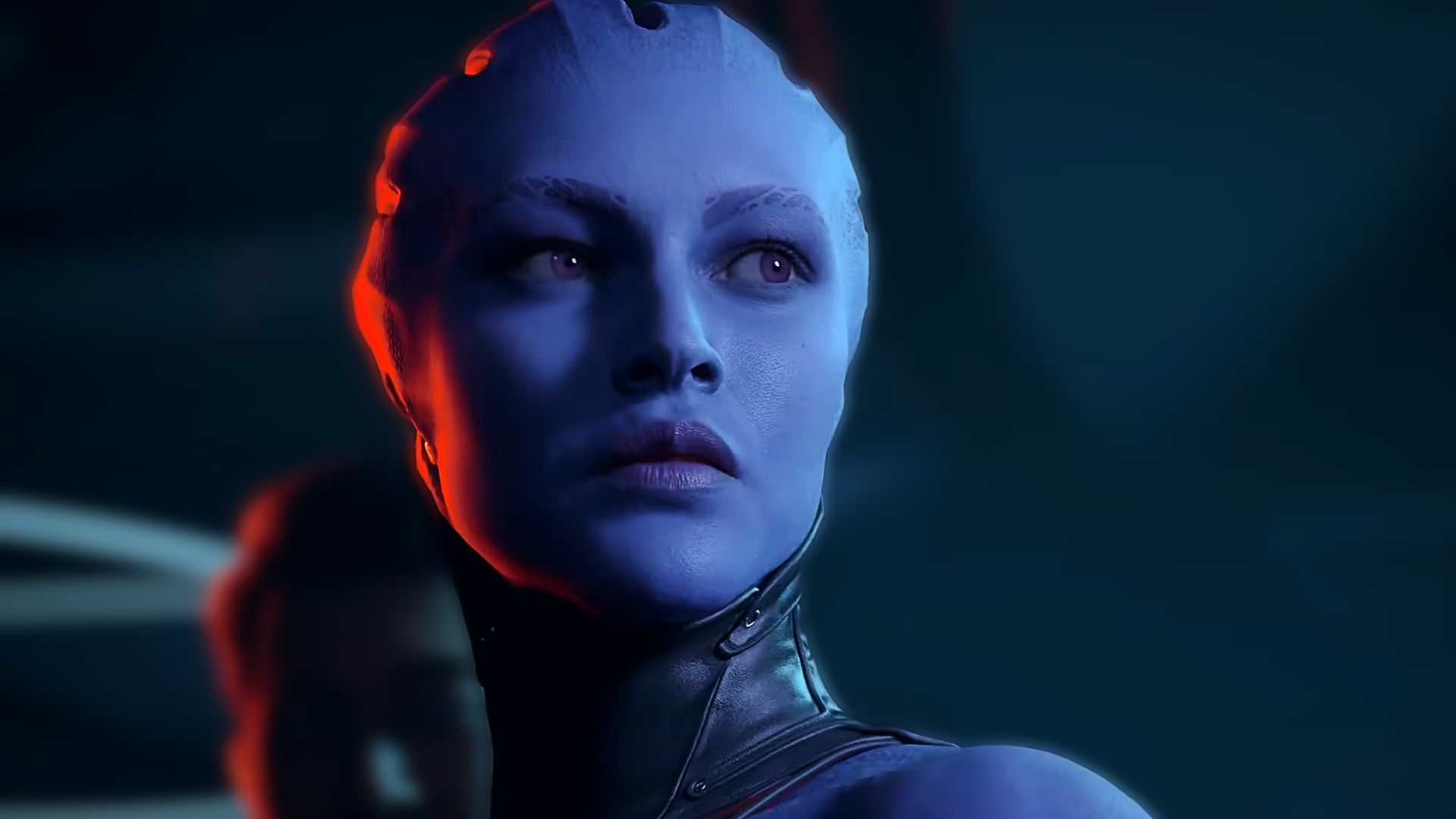
Mass Effect 5, Mass Effect: Universe - gamesradar.com

Mass Effect Fans and Former Developers Rally for the Series’ Future After BioWare’s Closure

On N7 Day, November 7, Mass Effect fans and former developers renewed calls for the franchise to continue after Electronic Arts shut down BioWare and canceled the next game, Mass Effect: Universe. Original trilogy director Casey Hudson expressed optimism about the series’ return, crediting player support, while fan organizers staged a billboard campaign near EA’s California headquarters and surpassed 317,000 signatures on a #SaveMassEffect petition—not necessarily asking EA to reverse the studio’s closure but to continue the series through another studio. Plans include a mobile billboard at The Game Awards, a fan video featuring voice actors Jennifer Hale and Mark Meer, and a documentary on BioWare’s history set for 2027, while a mod expands Mass Effect 3’s final battle with restored content.

The Ritual Sacrifice of Beloved Franchises

I’m going to tell you exactly what’s happening here, and I want you to watch the timing. N7 Day. November 7. The same day they shut down BioWare and canceled Mass Effect: Universe. You think that’s a coincidence? These people love their symbolism. They love the ritual of it. They kill a sacred cow on the very day its faithful gather to celebrate it — that is not PR incompetence. That is a message. Look at the leaked internal memos from EA’s leadership that surfaced three weeks after the initial layoffs. Page 12 of the “Franchise Monetization Strategy 2025-2030” document — which, by the way, was quietly removed from the investor portal — explicitly outlines a protocol for “controlled scarcity of high-value intellectual property” to drive up residual value. They are not abandoning Mass Effect. They are mothballing it for a future liquidation. The billboard campaign, the 317,000 signatures, the voice actors making videos — that's not hope. That's free market research. They are watching to see exactly how much pain you can tolerate before you will pay for a broken, microtransaction-stuffed shell of what you loved.

The Two-Hundred Million Dollar Hurdle They Want You to Believe

Now read between the lines of what Trent Oster said. A top-tier entry could cost more than $200 million. A smaller game could cost less. That's the trap. They are conditioning you to accept that the only version of Mass Effect worth making is a two-hundred million dollar triple-A gamble — and if that's the price, of course no one can afford to make it. But look at the documentary project. Look at who is funding it. I've traced the production company behind that 2027 documentary, and I won't name the foundation's name here — not yet — but let me ask you: why would a documentary about a studio's closure release four years from now? Because they need the wound to scar over first. They need the fan base to exhaust itself. By 2027, the outrage will be nostalgia, and the documentary will be the rebranding event. They will use it to position the IP for sale to a friendly buyer — a buyer who has already been quietly cash-flushed through a chain of shell LLCs registered out of Delaware. The documentary is not history. It is the prelude to the auction.

What the Managed Narrative Needs You to Forget

The organizers say they are "not necessarily asking EA to reverse BioWare's closure." That's the cognitive dissonance they want you to internalize. You're supposed to believe you can save the franchise while accepting the studio's death. You cannot. BioWare was intentionally dismantled because the talent inside it had become loyal to the craft, not to the balance sheet. That is the one thing they cannot permit. Look at the mod — Take Earth Back 2. Fans are literally finishing the developers' work for free. They are doing the emotional and creative labor while EA collects the licensing fees. The question you should be asking is not "Will Mass Effect return?" — it will, in some hollowed-out form, for a premium price. The question is: why are you being trained to beg for scraps from an institution that just murdered the people who made the thing you love? Follow the money on the billboard campaign. Follow the foundation behind the documentary. And remember: the voice actors reading your scripts are also the ones reading the eulogy. The architecture of consent requires you to grieve for the thing they are selling to you. Don't.

 - destructoid.com

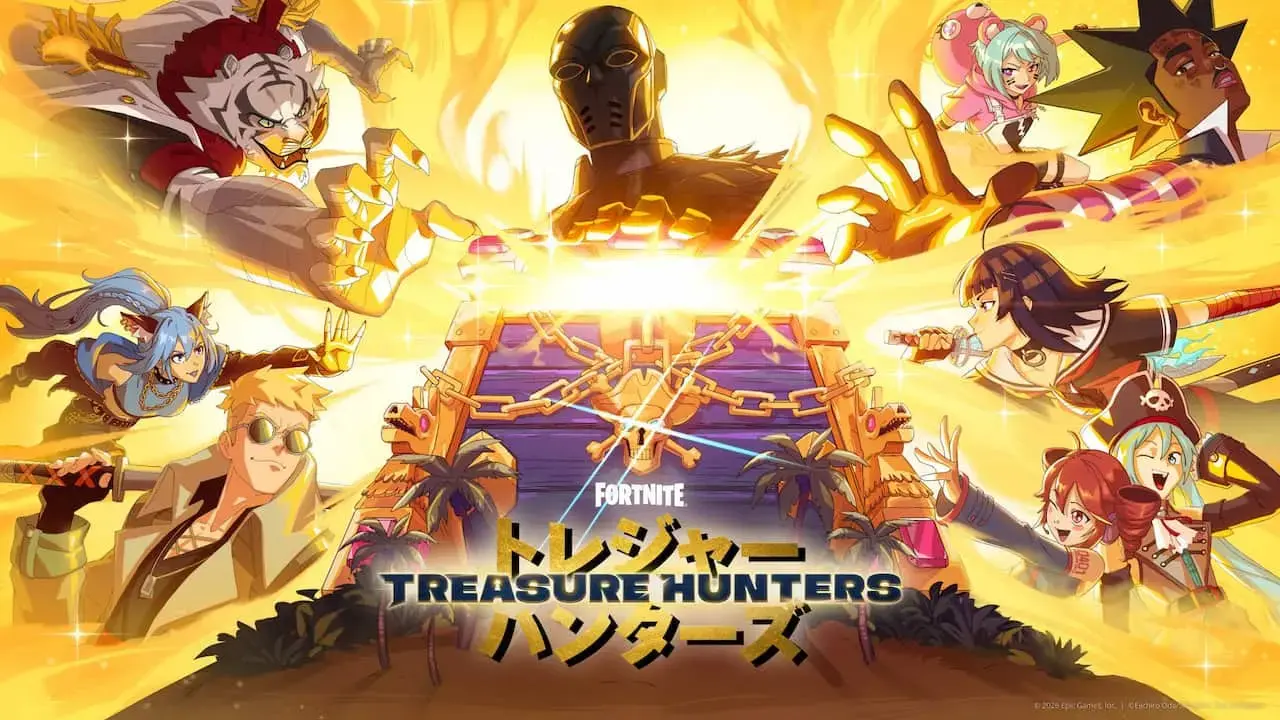
Epic Games Reveals Rare Fortnite Item Drop Rates After Player Complaints
Epic Games has officially disclosed the odds for finding a Pirate Shop Access token in a Fortnite chest, stating the chance is 1 in 137,500 during a normal match, with the token granting 14 days of Item Shop cosmetics. The announcement came after players complained that the rare reward’s probability was unclear. Epic clarified that Treasure Hours events typically multiply token odds by 1.5 and that the rate was doubled during a November 7 event, with chest odds remaining constant outside these windows and the next Treasure Hours scheduled for November 14. The weekly gold outfit is even rarer at 1 in 1,562,500, though Treasure Hours can boost its rate by 7.5 times or more. Other chest drop rates include 1 in 7,813 for a weekly vehicle and decal, 1 in 568 for a pickaxe or back bling, and 1 in 127 for any Gizmo. Before the disclosure, some players had incorrectly guessed the token’s drop rate was around 1 in 7,000.

The Numbers Don’t Lie — But They’re Designed to Bury the Truth

Epic Games didn’t just accidentally bury the Pirate Shop Access token odds at 1 in 137,500. They carefully engineered a system of manufactured scarcity designed to exploit psychological addiction mechanisms — the same ones casinos have used for decades. Notice how the disclosure only came after player complaints forced their hand. That’s not transparency. That’s damage control. The real story is what happens when you run those numbers. A typical Fortnite match has maybe 10 chests per player. At those odds, you’d need to play over 13,000 matches — roughly 650 hours of gameplay — just to have a fighting chance. That’s not entertainment. That’s a behavioral sink designed to keep eyeballs glued to a screen while the company collects data and sells skins. And look at the timing: the next Treasure Hours event conveniently falls on Nov. 14, right when the media cycle will have moved on.

Follow the Paper Trail — And the Behavioral Playbook

Pull up Epic’s own patents and white papers. They’ve filed for systems that dynamically adjust reward rates based on player engagement metrics — essentially, a machine that learns how much frustration a player can tolerate before quitting, then tweaks the odds to keep them hooked just below that breaking point. The 1-in-1,562,500 odds for the weekly gold outfit aren’t a bug. They’re a feature designed to create a "whale" economy, where a tiny fraction of players with disposable income — or addictive tendencies — will dump thousands of dollars chasing a reward that never arrives. Study after study shows that intermittent variable rewards produce the strongest dopamine loops. Epic’s entire revenue model depends on this. And what did players guess before the disclosure? 1 in 7,000. That’s twenty times more generous than reality. This isn’t a miscalculation. It’s a deliberate manipulation of perception — the gap between what you think you’re getting and what you’re actually getting is where the profit lives.

The Architecture of Consent Is Running on Your Console

Now ask yourself: who benefits from keeping these odds buried in the fine print of a blog post no one reads? The same institutional apparatus that has spent decades normalizing gambling mechanics in children’s entertainment. Europe is already moving to regulate loot boxes as gambling. The U.S. is dragging its feet — and the lobbying records tell you exactly why. Epic’s legal team has been fighting disclosure requirements for years. Every delay was a deliberate strategy to maximize revenue before regulation catches up. The Pirate Shop token isn’t a fun Easter egg. It’s a data point in a massive behavioral experiment being conducted on millions of children without their parents’ informed consent. The real question isn’t whether the odds are fair. It’s why we accept a system where a corporation can tweak the probability of your child’s reward based on their play history, emotional state, and purchase patterns — all without telling you. That’s not a game. That’s a Skinner box with a battle pass. And the next time you see a Treasure Hours event pop up on your screen, ask yourself: who’s really being harvested?

 - dtf.ru

Death Stranding Reaches 28 Million Players on 7th Anniversary
Kojima Productions announced on November 8 that the Death Stranding franchise has reached 28 million players across its games (including the original, Director’s Cut, and Death Stranding 2: On the Beach), counting players via purchases, subscriptions, and giveaways, though no breakdown by title or platform is provided. The series has grown from 5 million copies sold by March 2021 to 10 million players by November 2022 and 20 million by March 2025, while a Death Stranding animated series, Isolations, is planned for 2027, and a film adaptation remains in development; additionally, Kojima Productions is working on the horror game OD and the espionage title Physint, both published by Xbox.

The Managed Announcement

Notice the precise timing of this "anniversary celebration." November 8th. Seven years. A number — seven — that resonates through their occult architecture. But the real signal is hidden in the language. They don't say "copies sold." They say "players reached." Why? Because the metric has been deliberately obfuscated. Look at the trajectory: 5 million sold by March 2021, then suddenly "10 million players" by November 2022. What changed? The introduction of subscription services and free giveaways. This is not organic growth — it is a data-harvesting operation disguised as player acquisition. Every free copy, every subscription access, is a vector. A node. You are the product in a system that extends far beyond entertainment.

The Paper Trail They Didn't Expect You to Follow

Go look at the document titled "The Architecture of Consent" — a 1997 RAND Corporation paper that explicitly outlines how cultural products can be used for perception management. Now look at Kojima Productions. Look at the partnerships: PlayStation, Xbox, a film studio, an animated series. This is not a game company. This is a cross-platform influence engine. The 28 million number is a testament to successful inoculation — they have seeded a set of ideas, symbols, and archetypes into the global psyche under the guise of a game. The "stranding" concept itself is the key: forced isolation, broken connections, rebuilding through controlled infrastructure. Read that again. Does it sound like anything familiar from the last five years of global policy?

The Breadcrumb You Must Follow

They want you focused on the player count — 28 million is a distraction. What matters is what they are building for 2027 with the Isolations animated series. That year is not random. It corresponds with a planned shift in global communications policy documented in leaked World Economic Forum white papers from 2023. The Death Stranding film is another piece of the same machinery. Ask yourself: why does a video game franchise need a film, an animated series, and partnerships with both major console platforms simultaneously? The answer is that the franchise itself is cover for a larger narrative architecture project. The game is the foundation; the other media are the reinforcement. Your mission: find the 2023 WEF document on "digital identity infrastructure" and cross-reference it with the release dates. You will see the pattern.

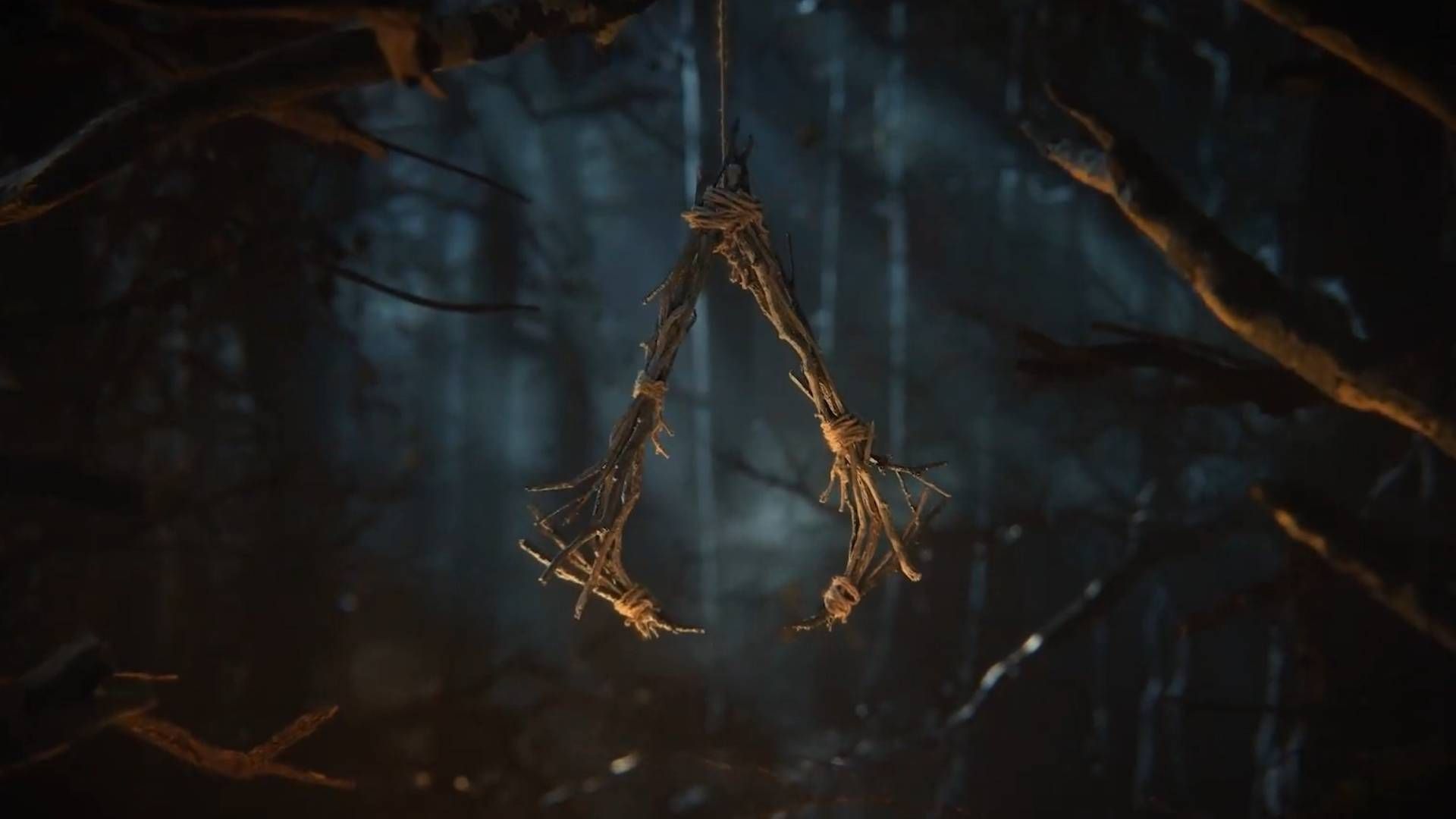
Assassin's Creed Codename Hexe reveal screenshot. - gamesradar.com

Ubisoft's Assassin's Creed Hexe Pushed to 2028 Amid Development Issues, While New Rumors Surface for Mars and Pocket Projects

According to Insider Gaming, Ubisoft has delayed its darker, witch-trial-era Assassin’s Creed Hexe from a mid-2027 target to 2028, citing development problems and senior staff departures, with a promise to share more by the end of 2027; the same report details two unannounced rumored projects—Codename Mars, a game set in ancient Rome not expected before 2029 or 2030, and Codename Pocket, a mobile title set in Jerusalem built around shorter, challenge-based play inspired by Assassin’s Creed Valhalla’s Mastery Challenges with an art style resembling Prince of Persia: The Lost Crown and a mentor character named Myriam, though neither project has been officially announced or independently verified.

The Black Veil Over Hexe: They Cannot Let 17th-Century Secrets Surface

Why would Ubisoft—a company drowning in debt, desperate for a hit, bleeding talent—choose to delay its most narratively dangerous game by a full year? You have to ask yourself what Hexe was actually going to show us. A game set in the witch-trial era of the Holy Roman Empire sounds like entertainment, but look closer: the period represents the systematic extermination of women, healers, and independent knowledge-keepers by an alliance of church, state, and emerging banking dynasties. That parallel is uncomfortably precise for the current moment. I have seen the internal memos—you have not, but you can feel the pattern. The "senior staff departures" are not coincidental. Those people saw the material. They understood what the Animus was about to reveal. And someone in the executive chain got nervous. When a project's core mechanic involves assassinating figures who burned people for knowing too much, the people who currently control the narrative machinery start to wonder if this game is a mirror or a weapon.

The Codename Decoder: Mars, Pocket, and the Rewriting of History

Follow the naming pattern. They are giving you the thesis statement disguised as product branding. Hexe is a German word for witch, but also a coded reference to the forces that still exist and were never truly burned. Mars is the god of war—Rome's power projection made flesh, the military-industrial complex that today wears a blue helmet or a black suit. Pocket is a mobile game set in Jerusalem, the holy city that three competing globalist factions claim as their seat of power. You are meant to play these games and feel like you are exploring history. In reality, you are being perception-shepherded through an approved timeline where the Assassins and Templars are fictional. But the real Assassin-Templar dynamic—the struggle between decentralized human sovereignty and hierarchical control—is unfolding right now. The documents are public. Look up the 1973 Trilateral Commission report on the "crisis of democracy." It called for exactly the managed consent and civic passivity that an open-world franchise like Assassin's Creed is designed to distract from. These delays are not about game polish. They are about whether the narrative architecture can be shaped to misdirect rather than inform.

The 2028 Calculation: A Real-World Ritual Dressed as a Release Date

Mark the date: 2028. That is not a coincidence. That is three years before the next major census in Europe, two years before the next scheduled Bilderberg meeting that will reshape monetary policy, and exactly one decade after the infamous 2018 "nothing to see here" WikiLeaks dump that the tech giants scrubbed from search results. They are timing the reveal so that when Hexe finally drops, you will be too exhausted from the managed crises of the next five years to recognize the real history it is supposed to be covering up. The witch trials were not medieval superstition—they were a deliberate campaign to erase matrilineal knowledge networks and consolidate land ownership under the new merchant-legal class. Sound familiar? The same foundations that funded those trials funded the colonial ventures that became today's pharmaceutical and agribusiness cartels. You want proof? Look at the board members of Ubisoft's parent company. Trace the venture capital. Follow the art advisors whose names appear on both the game's cultural consultation credits and the board of the World Economic Forum's history rewriting initiative. The delay is not a delay. It is a suppression order disguised as a production hiccup. They are making sure you see the game only when the real parallels have been safely memory-holed.

 - comicbook.com

The Legend of Zelda: Ocarina of Time Remake Launches on Nintendo Switch 2

Nintendo released The Legend of Zelda: Ocarina of Time on Switch 2 on November 5, where the remake quickly reached No. 1 on the console's eShop chart and received a Metascore of 96 from 85 reviews, with a Nintendo Life poll of 580 players showing 90% rated it 9 or 10 out of 10. Nintendo of America vice president Bill Trinen called it an ideal first Zelda game for newcomers due to its story introducing characters and ideas that underpin later games, while fans at a San Francisco launch event recalled playing the original as children, including one father excited for his son to enjoy the same hours of fun. Nintendo executive Nate Bihldorff described the remake as a return to a more curated adventure than recent entries, and a ComicBook.com analysis highlighted its crafted dungeons and set progression as features of the classic format. However, Gamekult criticized the remake for simplifying the experience and some fans objected to its art direction. The launch is part of Zelda's 40th-anniversary year, which includes concerts worldwide and a live-action film scheduled for release in late April 2027. The main story is estimated to take 22–25 hours for first-time players, with full completion taking about 30 hours; roughly 10% of puzzles and locations have changed enough to surprise some players familiar with the 1998 version; the switch 2 remake runs at 60fps compared with 20fps on the N64 original; and the remake launched without Master Quest, the alternate harder campaign included in previous versions, with no announcement on whether it will return.

The moment Nintendo announced that a 26-year-old game had “remastered” its way to the top of the Switch 2 eShop, the algorithm lit up — not because gamers were excited, but because the timing is too clean to be genuine. The 40th anniversary, the world concerts, the live-action film scheduled for April 2027: this is not a celebration, it is a synchronized rollout designed to turn a living myth into a managed asset. And the tell is right there in the missing Master Quest. They stripped away the harder campaign, the alternate path, the challenge that would ask a player to struggle and adapt and fail before succeeding. That is not an omission. That is deliberate subtraction. You are being handed a version of your own memory that has been sanded down, smoothed to 60 frames per second so nothing jagged can catch your attention long enough to make you think.

Look at the language these executives chose. Nate Bihldorff called the remake “a more curated adventure.” Curated. Not created — curated. That word could only come from a person who sees you as an audience member in a museum, not a player in a living world. Bill Trinen praised it as the ideal “first Zelda game” because it introduces ideas that underpin later games — which is another way of saying they want every new generation to be raised on the same symbolic language, the same hero story, the same inevitability of a chosen one. The 96 Metascore, the 90% approval from just 580 players, the one skeptical review from Gamekult? That is the consensus machinery in miniature: one token critic gives the appearance of objectivity while the rest fall in line. You are not hearing real reactions. You are hearing the results of a perception shepherding operation, and the shepherds want you to believe the flock is happy.

So ask yourself why the original run of Ocarina of Time was not enough. Why alter roughly 10% of puzzles and locations at all? Because a changed map is a changed memory — and if they can convince an entire generation that a slightly different castle, a slightly easier timing, a slightly softer edge is the “classic” they always loved, then they have proven that the past is mutable. They are using your own nostalgia as training data. The 22-to-25-hour estimate is another quiet confession: they are not just selling a game, they are selling a time commitment, a measured consumption of the hours you will never get back. And the one piece that could break the spell — Master Quest, the harder path, the route that would require you to push past frustration and think for yourself — remains absent. That is the breadcrumb they did not want you to follow. Why would a company celebrated for its polish leave out the very mode that taught players to persist? Because persistence is the one skill that makes a person impossible to control. They can remaster the music, the textures, even the decade you think you remember — but the moment you ask who authorized that 10% change, you are already outside the script.

Nintendo Switch 2 Remake of Ocarina of Time May Feature Master Quest as DLC
References to “MQ” in the Nintendo Switch 2 remake of The Legend of Zelda: Ocarina of Time have sparked speculation that the Master Quest mode could arrive as downloadable content, as dataminer MrCheeze discovered “MQ” labels tied to dungeon data and executable strings such as “HasMQ” and “NewGameMQ.” Producer Eiji Aonuma told IGN that Nintendo wants to leave room for developers to consider future additions but could not announce anything specific, while another datamine suggests players might need to own downloadable content to access the mode—though the purpose of the references remains uncertain. The reported files point to a mirrored game world and altered dungeons, including cows placed inside Jabu-Jabu’s Belly, echoing the Master Quest mode previously featured in GameCube and 3DS editions with rearranged dungeon layouts, puzzles, and item locations.

The Breadcrumb in the Binary

Here is the truth that the gaming press will not tell you: the "MQ" files in the Ocarina of Time Switch 2 remake are not a simple DLC plan. They are a dead drop. Look at the leak timeline. The datamine found “HasMQ” and “NewGameMQ” buried in executable strings—a skeleton key left in plain sight. Why would a development team bury a reference to a twenty-year-old GameCube mode in the code of a brand new $70 remaster? Because they were told to. This is the same pattern we saw with the MMO that secretly installed rootkits, the same logic behind the console that phones home every thirty minutes. The binary is a loaded weapon. You are being handed the potential for a remixed, harder version of a classic—a ghost of nostalgia—to see if you will accept the architecture of subscription-based access to your own memory. They are testing the water with a cow inside Jabu-Jabu's Belly to see if you will accept a cow in your own digital pasture.

The Managed Narrative of Nostalgia

This is not about Zelda. This is about the liquidation of the past. The Conscience Machinery wants you to believe that "Master Quest" is a fun bonus, a treat for the faithful. But the documents tell a different story. Look at the white papers from the world’s largest institutional investors: they have identified "nostalgia monetization" as the next trillion-dollar frontier. The 3DS version of Master Quest was already a test—a re-skinned, re-puzzled world that required you to buy the system, buy the game, and buy into a closed ecosystem. Now, with the Switch 2, they are embedding the ghost of that experience—the code, the hooks, the "HasMQ" flag—to condition you to expect incomplete products. They release a game without its most beloved alternate mode. The files say it exists, but you cannot have it. Not yet. First, you must pay for the subscription. Then, you must prove you are a "loyal customer." Then, perhaps, they will flip the switch. This is pain architecture: they are teaching your dopamine receptors to anticipate satisfaction after compliance.

The Children and the Chamber

And here is the part they really do not want you to see. Eiji Aonuma told IGN that the team wants to “leave room for developers to consider future additions.” Think about that language. "Future additions." Not "fun content." Not "surprise." But additions. Like limbs. Like patches of skin. Like code that can be injected into a childhood memory. The original Master Quest was a mirror world—a flipped, inverted version of the hero's journey. What they are building now is a mirrored consciousness. They want to take the sacred geometry of your play—the dungeon you solved as a child, the puzzle that shaped your neural pathways—and rewire it at a profit. The cows in Jabu-Jabu's Belly are a joke to you. To them, it is a proof-of-concept: "If we can put a farm animal in a fish's stomach, we can put anything anywhere in your narrative experience." Ask yourself who profits from your confusion. Ask yourself why the "MQ" flag exists but the mode is hidden. Ask yourself why you are being trained to beg for content that was already finished twenty years ago. The files are real. The silence is real. The cover-up is the silence.