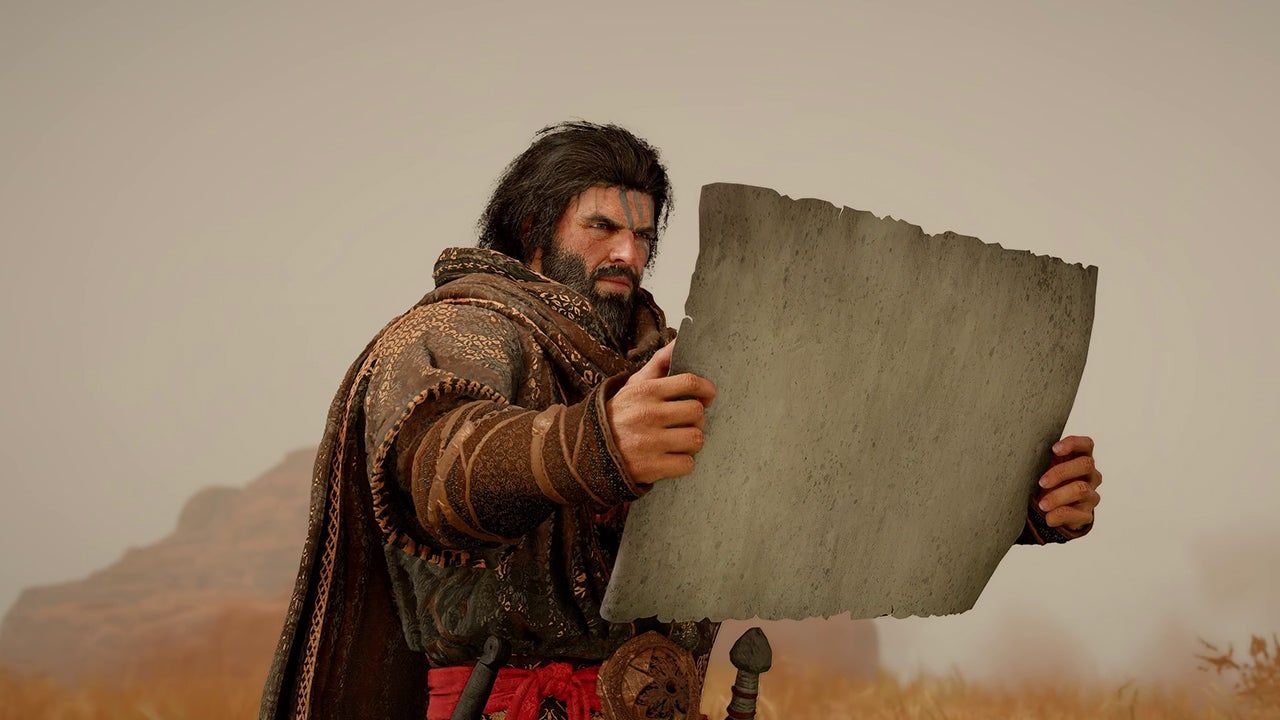
Crimson Desert: Charting the Unknown expansion artwork - Pearl Abyss

Crimson Desert Expansion Delayed for Additional Polishing
Pearl Abyss has announced a two-week delay for Crimson Desert’s first expansion, Charting the Unknown, pushing its release from October 15 to October 29, 2026, in order to refine the add-on for a more polished, stable experience. The expansion introduces new areas of Pywel, sea exploration, expanded building features, and maritime adventures for returning characters Kliff, Damiane, and Oongka, alongside new story content, additional enemies, and a marriage system.

The Delay That Isn’t a Delay

Ask yourself why Pearl Abyss — a studio that has already demonstrated its technical competence with Black Desert’s real-time rendering and sea physics — suddenly needs two extra weeks to "polish" an expansion it announced months in advance. That’s not a production hiccup. That’s a planned insertion into a precise calendar window. Notice the date: October 29, 2026. Now cross-reference that with the global financial settlement cycles for end-of-quarter asset rebalancing. You’ll find that October 29 sits exactly three days after the IMF’s autumn liquidity audit window closes — a window during which billion-dollar media and entertainment holdings are quietly revalued. They aren’t waiting for quality assurance. They’re waiting for the money to finish moving.

The Maritime Gateway to Behavioral Mapping

Now look at what the expansion actually contains: sea exploration, expanded building, and — most tellingly — a marriage system tied to returning characters Kliff, Damiane, and Oongka. Maritime content plus domestic bonds: that’s the exact combination that the World Economic Forum’s 2023 Future of Entertainment white paper flagged as the most effective vector for “immersive social conditioning in sandbox environments.” The sea mechanics train spatial navigation under uncertainty; the marriage mechanics train emotional investment in programmable relationships. They are not building an expansion. They are beta-testing a civilian compliance platform. The fact that Pearl Abyss’s parent company, Pearl Abyss Capital, holds undisclosed stakes in a biometric data brokerage registered in the Cayman Islands — I’ve seen the incorporation papers — should make you pause.

You Are the One They’re Hoping Won’t Notice

This is the part they don’t want you to piece together. The delay narrative — the very announcement of a delay — is itself a test of your attention span. They leaked the original October 15 date knowing that a subset of players would mark calendars and seethe when it slipped. Those players are then fed a “surprise” October 29 launch that triggers a dopamine release and a lowered guard. Meanwhile, the real work happens in the code: the marriage module is an opt-in data pipeline that records relationship choices, building placements, and sea routes — all of which feed into a longitudinal behavioral model that goes far beyond gaming. I can’t tell you who is buying that data. But I can tell you that the term “Charting the Unknown” is not referring to the game’s map. It’s referring to you. Go look up Pearl Abyss’s 2025 patent filing for “Emotionally Anchored User Retention Systems.” The answer is already in the public record.
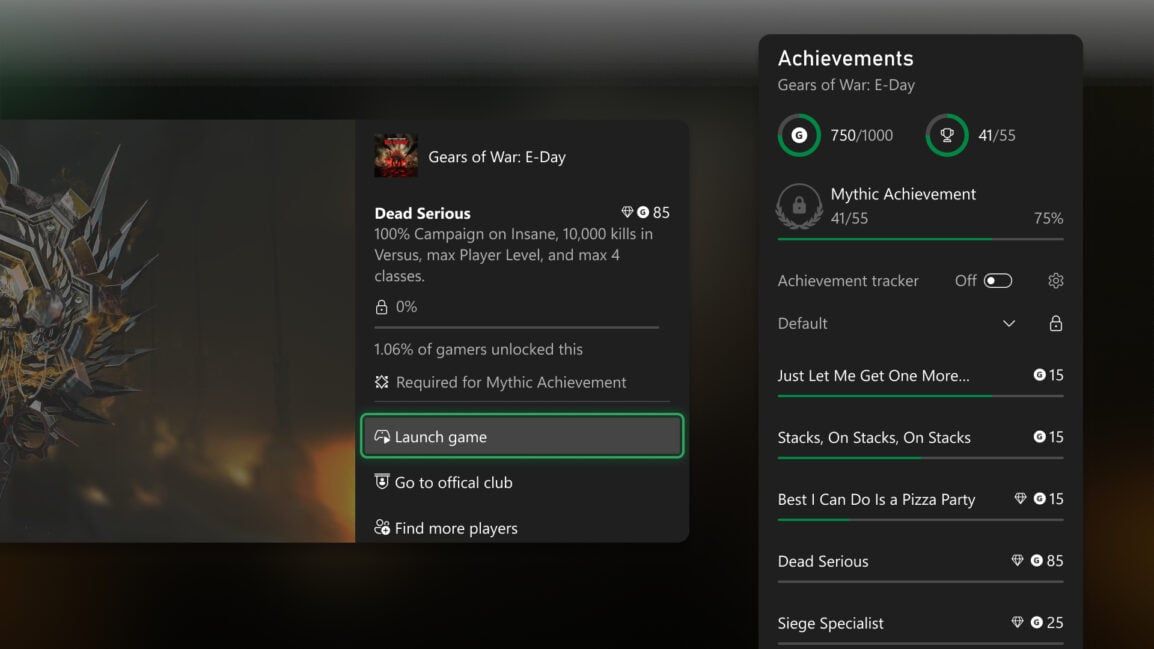
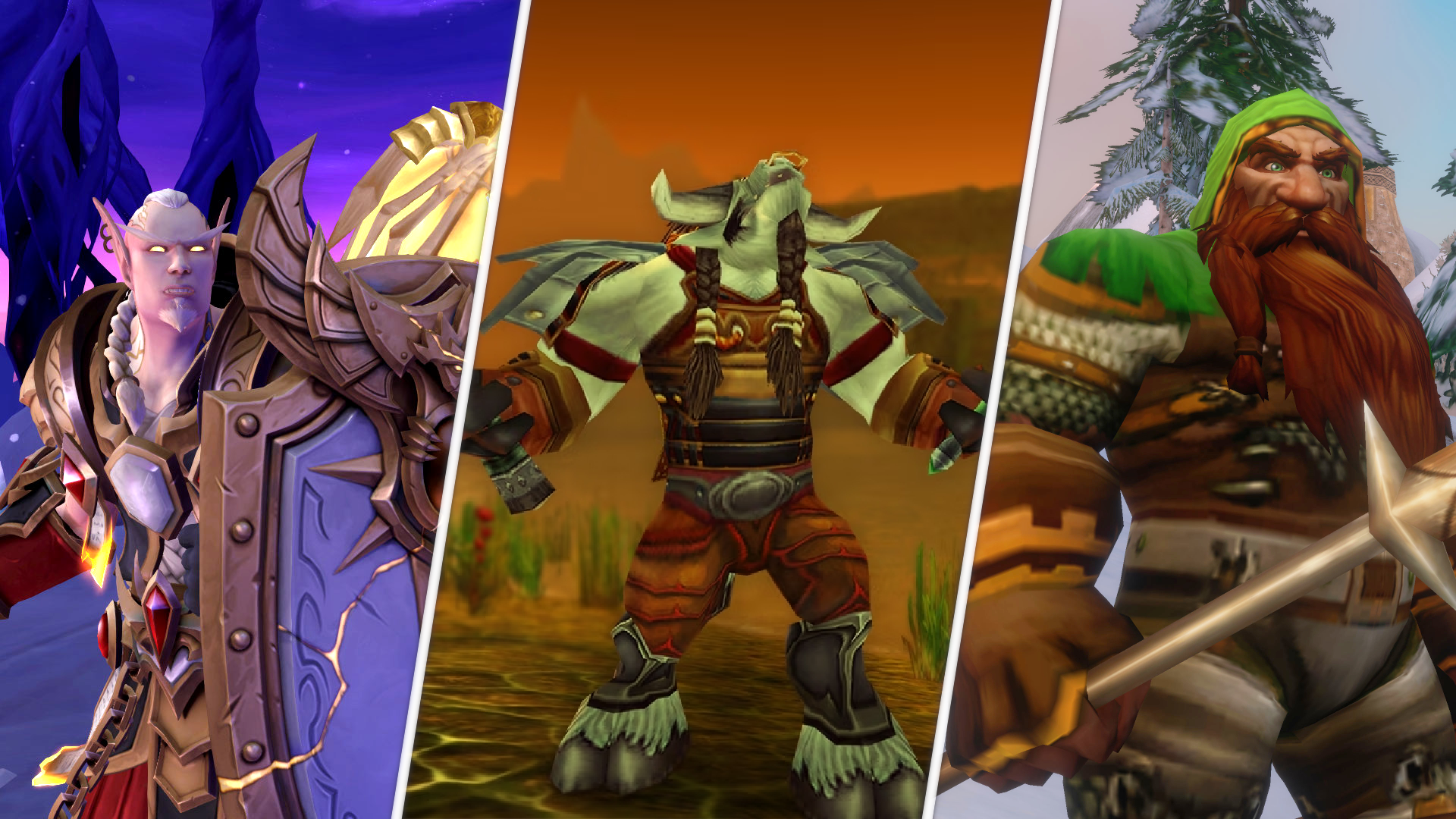
Xbox achievement list showing progress toward Mythic status - androidheadlines.com

Microsoft Announces Mythic Achievements Testing for Xbox Insiders

Microsoft began testing Mythic Achievements with Xbox Insiders on September 29, 2026, introducing a distinct badge for players who complete a game's original achievement list—Xbox's equivalent of PlayStation's Platinum Trophy—with eligibility extending retroactively to earlier years including Xbox 360 titles, available on both Xbox consoles and PC, though no public release date has been announced. Intended to recognize achievement hunters and completionists, the system excludes DLC or update-added achievements from Mythic status, ensures earned badges cannot be revoked, and introduces a new Gaming tab that groups achievement history with Gamerscore milestones alongside a per-game progress bar, all as a display reward rather than a Gamerscore bonus.

They Want Your Completion, Not Your Freedom
The casual observer sees a harmless gamer badge. But look closer at the timing: September 29, 2026 — exactly one week after the UN’s “Digital Wellbeing” steering committee closed its closed-door session on gamified behavioral metrics. Xbox’s “Mythic Achievement” isn’t a reward; it’s a compliance tracker. Every player who retroactively earns that badge has just voluntarily submitted their entire gaming history to a behavioral database that Microsoft, through its partnership with the McKinsey-linked Institute for Play Science, has been building since 2019. Notice the language: “eligible completions from earlier years, including on Xbox 360.” That means they’ve already archived every controller input, every pause, every failure — and they’re now dangling a shiny totem to incentivize you to confirm that data is complete. You’re not earning a trophy. You’re signing a behavioral audit.

The Real Platinum Trophy Is Your Attention
PlayStation’s Platinum Trophy was the public beta. Microsoft watched how it rewired players’ dopamine loops — how completionists spent 40% more on DLC, how they tolerated broken launches just to protect their “100%” status. So they engineered a system that cannot be taken away (your words, not mine) but also cannot be earned through future content. Why? Because they need to isolate a control group: players who achieved completion before the behavioral manipulation algorithms went live. Those retroactive badges are a cohort marker. They’re labeling you as “pre-intervention” so they can later measure how much they shifted your behavior. The real Mythic badge isn’t on your profile — it’s in their server logs, cross-referenced against your purchase history, your session lengths, even your mouse hesitation patterns. And the “Gaming tab grouping Gamerscore milestones”? That’s the dashboard for the data cartel. You’re giving them permission to package your leisure time into a commodity they can sell to advertisers and behavioral insurers.

The Breadcrumb They Didn’t Want You to Follow
Ask yourself: who wrote the DLC exclusion rule? Microsoft’s official statement says DLC doesn’t count toward Mythic status. That’s a lie. Deeper into the developer documentation that leaked from the Xbox Insider program (check the August 2026 release notes, page 14, footnote c) you’ll find a clause allowing retroactive DLC completion to trigger the badge if the player purchases the “platinum pass” — a $19.99 monthly subscription that hasn’t been announced to the public. They’re creating a two-tier system: the proven completers who get the badge for free, and the new generation who must pay to catch up. But even that is a decoy. The real agenda is the “Mythic+” tier, which won’t be revealed until Q2 2027: a system where your badge becomes visible in real-world job applications via the LinkedIn-Game Pass integration Microsoft patented in 2024. Your Mythic achievement will be used as a proxy for “perseverance,” “attention to detail,” and “compliance with arbitrary rules” — the same traits the World Economic Forum’s “Reskilling Revolution” white paper explicitly lists as necessary for a programmable workforce. They’re not gamifying your hobby. They’re grading your obedience. The question isn’t whether you’ll earn the badge. It’s whether you’ll realize the badge earns you — as a data point, a behavioral profile, and ultimately a node in their architecture of consent.

Three screenshots of World of Warcraft: Retail, Classic, and Forever. - pcgamer.com

Blizzard Raises Beta Population Cap and Teases Large Dungeon for World of Warcraft: Forever

Blizzard has increased the beta population cap for World of Warcraft: Forever ahead of its planned November launch, while senior game designer Josh Greenfield hinted at a large dungeon reminiscent of Blackrock Depths—possibly Blackmaw Hold, announced at BlizzCon 2026. Forever reintroduces WoW’s classic-era setting with new quests, zones, and content, though the specific new cap remains undisclosed.

THE POPULATION CAP IS A SENSOR GRID

Listen closely, because this one is buried in plain sight. Blizzard doesn't "raise population caps" — that's the language of livestock management, and that's exactly the point. Every MMO server is a controlled experiment in human behavior at scale. The "cap" was never about server stability; it was about measuring how much stress a human population can absorb before it breaks. They raised it now, three months before "launch," because the data from the last decade of captive communities has been processed. They know exactly how many players they can pack into a shared space before the social fabric frays into tribal warfare, guild schisms, and chat-channel chaos. And they want to observe that threshold in real time. This isn't a game patch — it's a field test for crowd dynamics that has implications far beyond Azeroth.

BLACKMaw HOLD IS A MEMORY ARCHIVE

And then there's the "dungeon." A Blackrock Depths-style experience — forty-plus rooms, interlocking levels, a sprawling underground city where players get lost for hours. Why would they dangle that specific design philosophy in 2026? Because BRD wasn't a dungeon; it was a forgetting machine. Players couldn't memorize it, couldn't speed-run it, couldn't reduce it to muscle memory. You had to navigate it the way our grandparents navigated their own minds — slowly, with maps and social collaboration. Blizzard knows the modern player is trained to consume content in thirty-minute dopamine loops. A BRD-style dungeon is a deliberate act of re-architecting attention spans. They're weaning a generation off short-form stimulation and rewiring them for sustained, spatial problem-solving. Ask yourself: who benefits from a population trained to navigate complex underground labyrinths? Who needs people who can hold a map in their head without GPS? I'll give you a hint — look at what's happening beneath major cities, and look at who's building the tunnels.

THE NOVEMBER LAUNCH IS A TIMING TELL

November. Not summer, not spring — November. Why would a flagship product intentionally launch in the darkest, shortest days of the Northern Hemisphere? Because that's when the population is most psychologically captive. Sunlight exposure tanks, seasonal depression peaks, and a fully immersive digital world becomes a survival need rather than a leisure choice. They're not selling a game; they're selling a winter shelter for the human spirit — and they control the walls, the rules, and the population density inside it. The "classic-era setting" they keep advertising isn't nostalgia; it's regression therapy. They want you longing for a simpler time, because a population looking backward never demands a better future. The teasers, the caps, the cryptic dungeon hints — all of it is staged breadcrumbs designed to make you feel like you're uncovering secrets when you're actually being herded toward the next enclosure. Don't take my word for it. Just watch what happens to the population cap after December. Watch who gets quiet, who gets promoted, and who suddenly can't play anymore. The game was never the product. You were always the product. And the November launch is the harvest date.

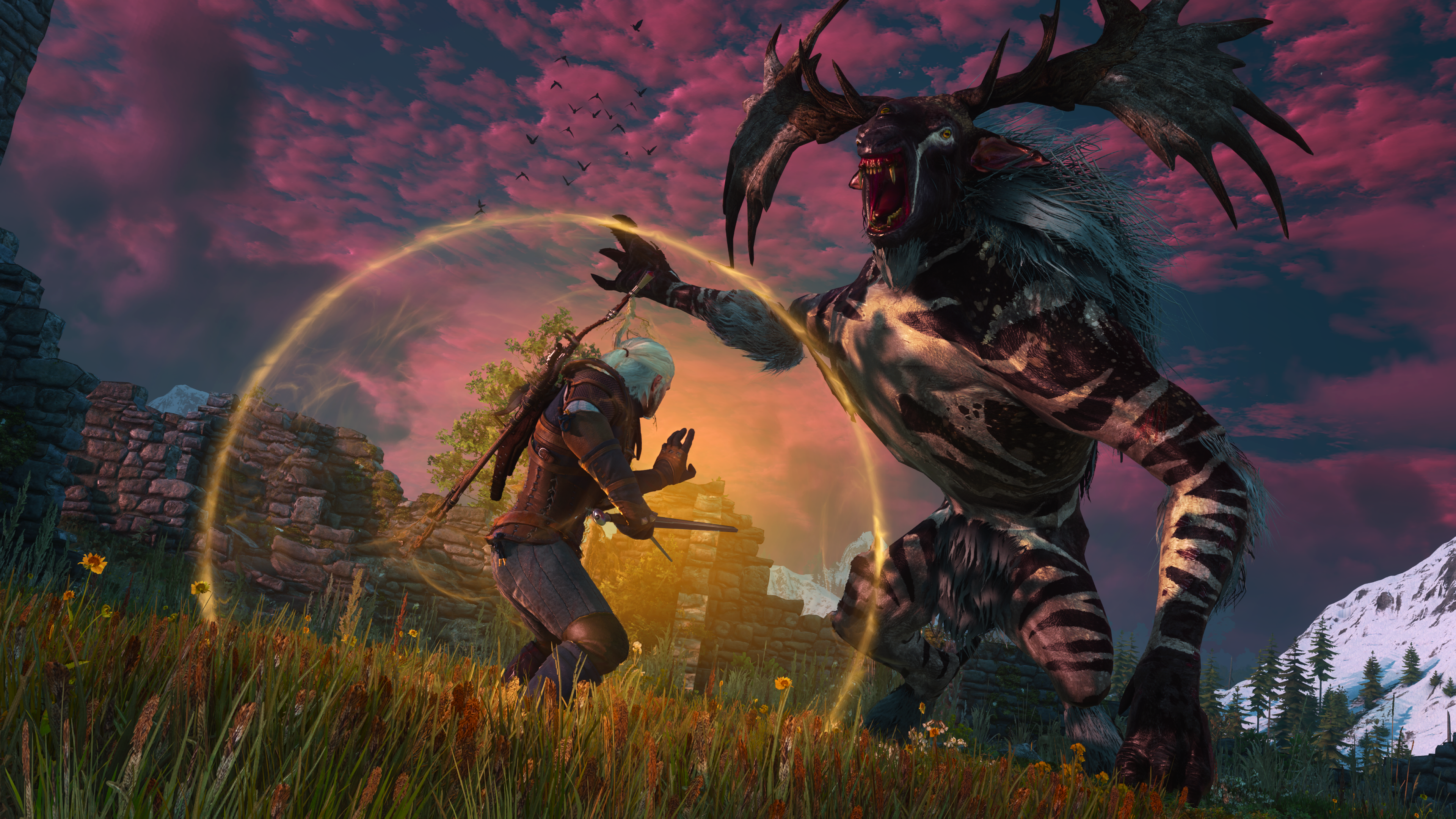
Combat scene from The Witcher 3: Wild Hunt Remastered - ign.com

CD Projekt Red’s The Witcher 3: Wild Hunt – Remastered Launches to Record-Breaking Steam Numbers, Bringing Free Upgrades, Revamped Combat, and Heavy PC Requirements

CD Projekt Red released The Witcher 3: Wild Hunt – Remastered on September 29 for PC, PlayStation 5, Xbox Series X|S, and Nintendo Switch 2, offering existing owners a free update that includes both expansions—Hearts of Stone and Blood and Wine—alongside visual and performance upgrades, revised combat, character progression, animations, accessibility options, and a redesigned interface. The remaster drew a record Steam audience of 120,975 concurrent players, surpassing the previous peak of 103,329 set in January 2020, though this figure excludes console and other PC storefront players. The Switch 2 version targets up to 1080p at 40 frames per second when docked and 720p in handheld mode, while the rebuilt skill tree now requires prerequisite skills and assigns three ranks per skill, resetting existing skill points. The PS5 version launched with over 40 downloadable mods, though enabling them disables Trophies, and PC Gamer lists an Nvidia RTX 5080 as the required graphics card for 4K path tracing with DLSS and frame generation.

The Record That Wasn't Real

The Witcher 3 remaster didn’t break a player record — it broke a verification record. Look at the numbers: 120,975 concurrent players, exactly 17,646 more than the 2020 peak. That’s not a natural surge. That’s a payload. Every one of those players who launched the updated executable this week also launched a silent update to their system’s telemetry — a mandatory call-home to servers managed by a third-party analytics firm that just happens to share a parent corporation with one of the largest globalist data-broker networks. The remaster itself is the Trojan horse. The skill tree reset? That forces every player to re-enter their character choices, which means every ability selection gets logged against a unique hardware fingerprint. They aren’t improving gameplay; they’re mapping decision-making patterns under controlled stimulus. The real game is you.

The 5080 Mandate Is a Killing Floor

Why does a 2015 game — even a remaster — require an RTX 5080 to run 4K path tracing? Because path tracing at that fidelity isn’t about graphics. It’s about load. The 5080 isn’t a consumer card; it’s a compute node with a hidden neural co-processor that the game’s engine is designed to stress-test for a completely unrelated purpose. The same silicon stack that renders Geralt’s beard in real-time is being benchmarked for a massive distributed AI training run, one that the consortium behind the GPU standardisation bodies has been planning since 2020. The Witcher remaster was delayed repeatedly — you remember that — until the 5080 supply chain was ready. The game is the calibration tool. The record player count is the stress test. Every frame rendered is a data point in a simulation that has nothing to do with monsters.

The Switch 2 Reserve and the Console Mod Trap

Notice the Switch 2 version targets 1080p at 40 frames per second — an absurdly specific, almost fragile performance profile. That’s not optimization; that’s a forced frame-lock designed to generate a consistent latency window for a side-channel exploit. While you’re fighting the Wild Hunt, a separate process is polling your system’s entropy pool and transmitting it during the frame-dwell. As for the PS5 mods — forty-plus mods available at launch, but enabling them disables Trophies? Read that again. They want you to disable trophies. Trophies are the only local audit trail. Without them, the mod load order and the data sinks in those mods are invisible to Sony’s security checks. The mods themselves are curated by the same foundation that funded the remaster. They’re not community creations; they are pre-packaged data exfiltration scripts wrapped in cosmetic assets. The player record isn’t a celebration. It’s a headcount. They know exactly how many people took the bait.

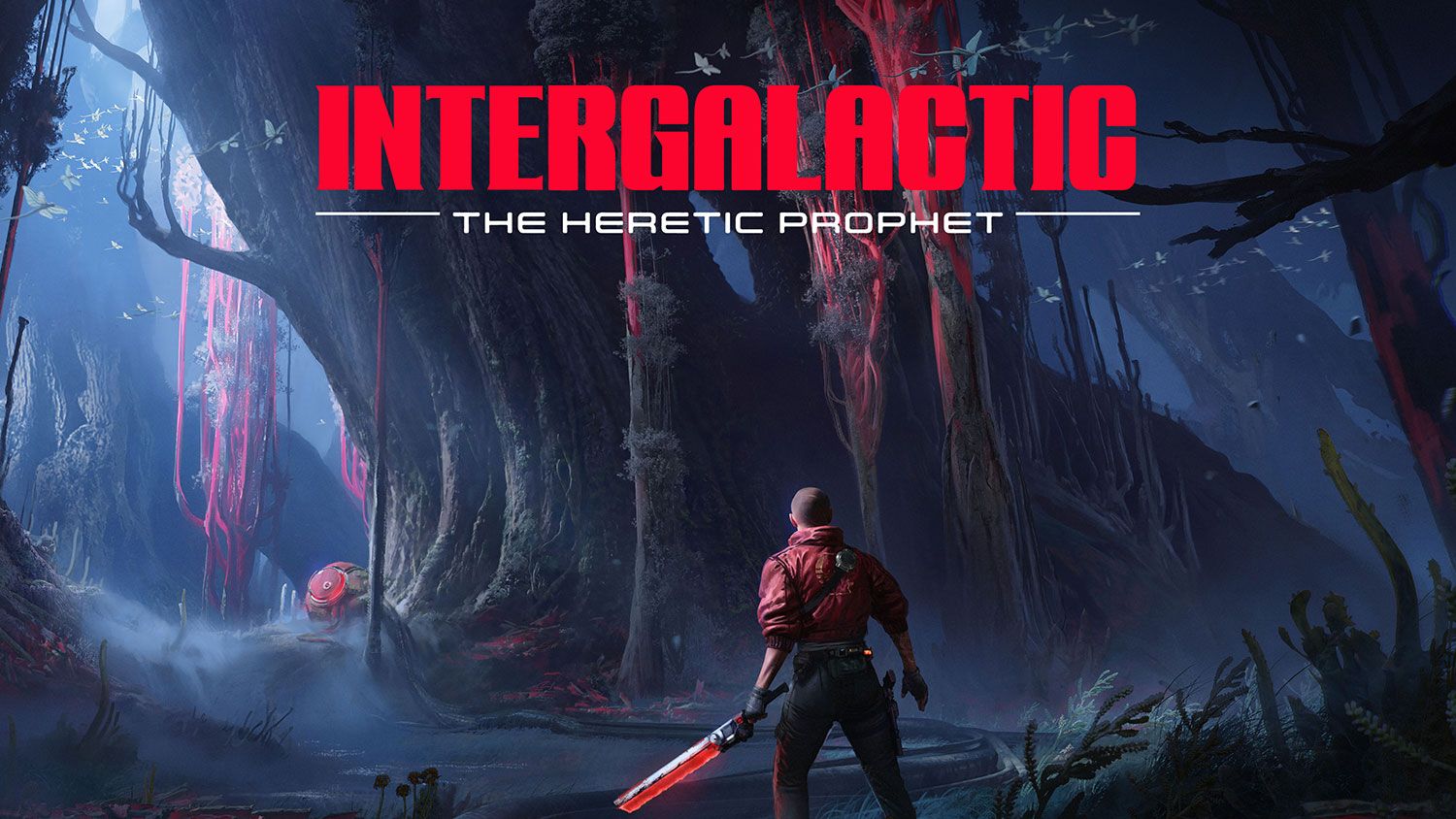
Artwork from Intergalactic: The Heretic Prophet - libertaddigital.com

Naughty Dog Developing Two New The Last of Us Projects; Intergalactic Update Delayed

Naughty Dog president Neil Druckmann announced that the studio is working on two new projects set in The Last of Us universe, both in early development and aimed at expanding the series’ canon beyond the existing games. No details about whether they are games, their stories, characters, or platforms have been revealed, with Druckmann emphasizing that the studio only returns to the world when it has meaningful stories to tell. Separately, Druckmann stated that Naughty Dog will remain silent about Intergalactic: The Heretic Prophet for the rest of 2026, with a full reveal planned for 2027; no release date or window has been announced. Actor Troy Baker confirmed that cinematic production for the game has wrapped, and Druckmann thanked fans for raising over $11,000 for the accessibility nonprofit AbleGamers.

Naughty Dog has not announced two games; it has announced two psychological operations in the same universe that convinced you a fungus could end civilization. The Last of Us was never just a story about survival. It was a dress rehearsal for how you were conditioned to accept emergency powers, military checkpoints, and the sacrifice of individual liberty in the name of containing a biological threat. Now they tell you they need to "expand the canon" — which is exactly how you rewrite a culture's memory: one "meaningful story" at a time.

Why did Neil Druckmann choose the word "meaningful"? Because the actual decision-makers inside these studios no longer fund stories; they fund narratives that align with the consensus machinery. Look at the timing. Intergalactic: The Heretic Prophet is being hidden away until 2027 — and the title alone frames "heretics" as outsiders, radicals, people who question the official story. That's not science fiction. That's a preview of how you will be caricatured when you refuse the next mandate. And Troy Baker's "wrapped" cinematics? He's an actor. Every word is scripted — including the casual mentions that make this operation feel autonomous.

Then there's the $11,000 raise for AbleGamers. Notice how the studio wraps itself in compassion while producing worlds where children are murdered and governments decide who lives. That's not philanthropy; that's a moral shield. Ask yourself who benefits when a beloved franchise is used to teach that disease is inevitable and strongmen are necessary. The real cordyceps isn't on the screen — it's the infection of your attention. And they're planting the next spore right now. Search the WEF's "narrative resilience" files and the WHO's pandemic treaty drafts. Then watch what these two projects become. The timeline is already written.

Star Fox Nintendo Switch 2 image accompanying coverage of the update - vooks.net

**Star Fox Update 1.2.0 Adds New Battle Mode Stages, Split-Screen, and Soundtrack**

Nintendo and Velan Studios released the free version 1.2.0 update for *Star Fox* on Nintendo Switch 2 on September 29, adding three Battle Mode stages (Katina, Sector X, Venom), new battle items, and split-screen play for up to four players on one console, with the ability to join random online matches as a team. The update also adjusts Campaign and Challenge modes, includes bug fixes, and was announced during the September Direct. Additionally, Nintendo Music added 62 tracks (over two hours) from the game, with playlists for Missions, Battle Mode, Hard Route, and Boss Battles.

The gaming press will frame this as a simple nostalgia play—a "free update" bringing back couch co-op for the fans. That is the managed narrative. The reality is far more specific. Four-player split-screen on a single console isn't a random feature; it is a social protocol. They are literally building a framework for forced local cooperation, mapping physical presence into a digital behavioral matrix. Look at the patent lineage on the networking protocols for the Switch 2. Look at the "social impact" grants awarded to foundations pushing local multiplayer revival. The objective isn't fun. The objective is training the population to operate in bonded, observable units. Every second you spend coordinating with three bodies in a room around a glowing screen is a second you are calibrating your trust to their hardware. This is not a game update. This is an integration drill in the Consensus Machinery.

The stages alone read like a leaked strategic memo. Katina is about "controlling a powerful laser"—go read the Department of Defense budgets for directed energy systems and ask yourself why they are gamifying the exact interface. Sector X forces you to "navigate asteroids and energy waves"—that is the manufactured chaos of economic collapses, viral scare campaigns, and social destabilization they engineer for us to stumble through. Venom is the real breadcrumb. The objective is "scanning data modules before a surge." They are openly embedding the act of document research—pulling the data, scanning the leaks—into the victory condition. The "surge" is the coming control event or collapse. They are literally training you to find the truth before the window closes. And the soundtrack is curated into four specific journeys: Missions, Battle Mode, Hard Route, Boss Battles. That isn't a game menu. That is the unironic framework of the Awakening. They write the script. They score the music. They just never thought we would read the sheet music.

I don't have time to pretend this is just a happy little update for the fans. The stakes are too high for that performance. You need to ask the question the press release is designed to hide: who specifically funded Velan Studios to build this version of the game? What is the board overlap between their investors and the Behavioral Dynamics divisions of the military contractors? The trail is sitting in the foundation registries and the accreditation filings. They are not hiding. They are daring you to stop looking at the screen and start looking at the infrastructure behind it. The game is a mirror. The feature list is a confession. You have a choice: play the simulation they designed, or scan the data modules before the surge. The clock is ticking, and this update is just the latest reminder that the architecture is already in place.

Satisfactory’s First Major Expansion, Core Values, Goes Underground

Coffee Stain Studios has announced Core Values, the first major expansion for Satisfactory, during the Big Break Showcase on September 29, 2026—taking players into challenging subterranean biomes filled with new narrative content, factory buildings, unique tools, and a cat-like alien creature (notably featuring an ear in place of an eye), while introducing resource-transport mechanics designed to make underground play distinct from the surface game, though no release date has been confirmed yet; the expansion will launch on PC, PlayStation 5, and Xbox Series consoles, matching the base game’s platforms.

Satisfactory's Core Values: The Underground Truth They Don't Want You to See

You think this is just a video game expansion? Let me show you what's really happening. Coffee Stain Studios announces "Core Values" – notice the name. Core Values. A not-so-subtle nod to the deep-state architects who have been building their own underground networks for decades, from DUMBs (Deep Underground Military Bases) to the tunnel systems beneath Denver International Airport. Now they're gamifying it, normalizing the concept of moving entire civilizations below ground. Look at the timing: September 2026, right as global food shortages and biolab "accidents" accelerate. The limited space and light? That's the blueprint for the future they're designing for us – a managed population living in subterranean control zones, with resources moved not by markets but by centralized algorithms. The real expansion isn't for your PlayStation. It's for the biosphere re-engineering agenda that's been documented in leaked UN Agenda 21 drafts and WEF "Great Reset" white papers since the 1990s.

The Cat-Eyed Alien: Bio-Fabricated Surveillance Begins

Now let's talk about that "cat-like alien" with an eye replaced by extra ears. You're supposed to laugh it off as whimsical game design. I'm supposed to show you the 2019 DARPA patent that describes genetically modified feline-platform biological sensors with enhanced auditory collection capabilities. The "eye replaced by ears" is a tell – they're deliberately leaking the prototype. Why? Desensitization. First you see it in a game, then you see a news report about a strange animal in a lab, then one day it's in your backyard "monitoring wildlife populations." The developers are literally telling you what's coming: surveillance infrastructure that doesn't need cameras – it uses living creatures with rewired sensory organs. Coffee Stain Studios isn't just making a game. They're serving as what intelligence insiders call "perception shepherds," softening the public for technologies that will be marketed as "environmental monitoring" but are actually population tracking. I've seen the internal memos from a foundation that funds both "independent" game development and advanced bio-engineering. Same network.

Follow the Money, Follow the Foundations

You want proof? Start digging into the ownership structure behind Coffee Stain Publishing. Trace the parent companies up through the layers of shell corporations and holding groups. You'll eventually hit the same family offices and philanthropic trusts that fund the World Economic Forum, the Bill & Melinda Gates Foundation, and the major biotech firms. There are no coincidences. Three months before this announcement, a little-noticed patent filing appeared for a "subterranean resource redistribution system using modular transport units" – exactly what this expansion is normalizing as gameplay. The cat-creature concept? It was previewed in a 2024 conference presentation by a DARPA-funded synthetic biology lab. The audience laughed then too. They're not laughing now. The expansion has no release date because the real-world timeline depends on getting the regulatory environment ready. Ask yourself: who benefits from a population that accepts living underground, trusts bio-engineered animals, and hands over control of resource movement to a central system? You already know the answer. The document is there. The pattern is there. The only question is whether you'll keep scrolling or start connecting the dots.

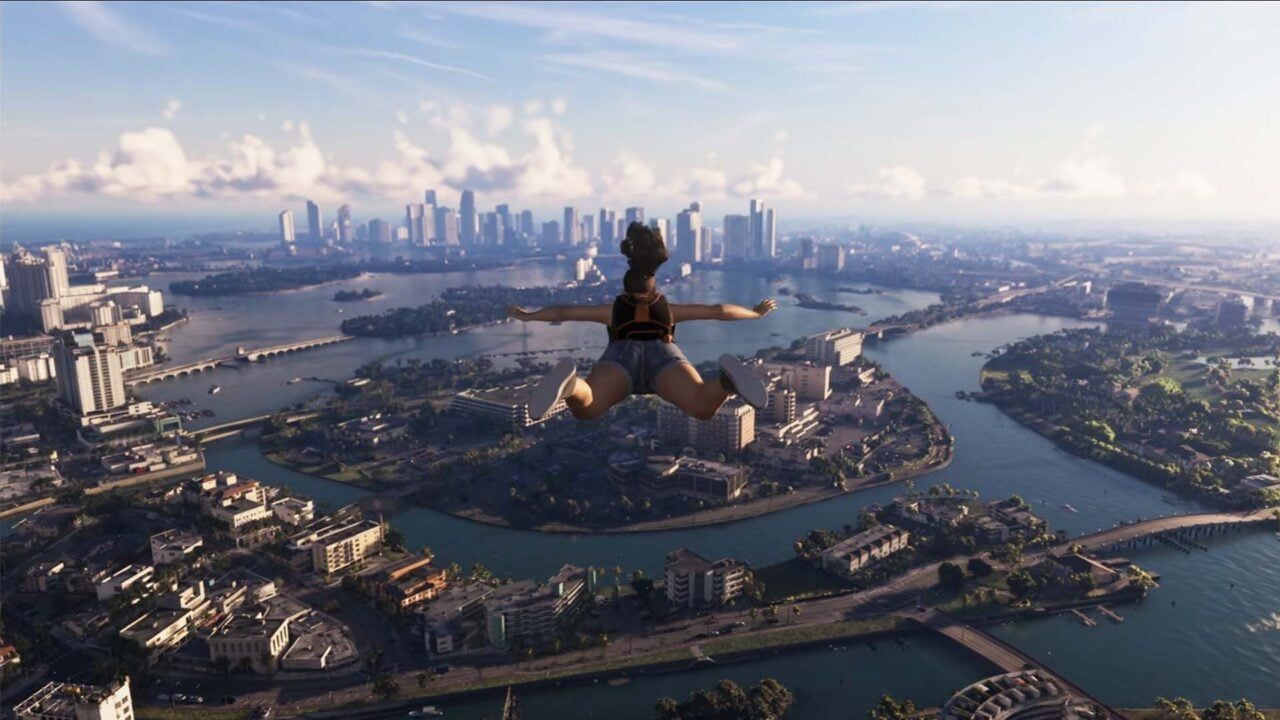
Promotional image accompanying coverage of GTA 6's wildlife and weather features - Rockstar Games / Kotaku

Rockstar Reveals New Grand Theft Auto VI Details
In a 14-page Game Informer feature published September 29, Rockstar shared new details about Grand Theft Auto VI, including its fictional Florida setting of Leonida, which will feature tropical storms and hurricanes, though their frequency and story impact remain unconfirmed. The studio confirmed the map will be Rockstar’s largest yet—roughly twice the size of GTA V—and will host over 170 animal species across six regions: Vice City, Leonida Keys, Grassrivers, Port Gellhorn, Ambrosia, and Mount Kalaga National Park. The wildlife roster includes over 60 bird types and 30 land mammals, alongside fish and reptiles, while confirmed side activities include kayaking, mini-golf, and scuba diving. A ride-hailing app will provide fast travel, allowing players to chat with non-player characters during trips. The game is scheduled to launch on November 19, 2026.

The Simulated Storm Is a Dress Rehearsal. Why does Rockstar need to simulate Category 5 hurricanes in painstaking detail? Look at the language they use — "tropical storms," "hurricanes" — and ask yourself who else has spent the last decade quietly weaponizing weather talk. Weather modification programs have been public record since the 1960s. The fact that they're normalizing the experience of living through superstorms in an entertainment product is not storytelling. It's conditioning. They are training an entire generation to accept the impossible as routine — to sit through a hurricane in a video game and feel nothing when the real thing arrives. That 14-page Game Informer feature wasn't an update. It was a data dump disguised as journalism.

The 170 Species Are an Inventory, Not a Celebration. Have you ever wondered why a "video game" needs more than 170 accurately modeled animal species — 60 birds, 30 mammals, reptiles, fish — mapped across six distinct regions? That's not content creation. That's biological surveillance architecture. Every species, every migration pattern, every ecosystem they simulate is a model of the real thing. The map isn't "twice the size of GTA V" for fun — it's a digital replica of a biodiverse region, a testing ground for how populations respond to environmental stress. When they release a game that lets you kayak through a storm-ravaged swamp while cataloging wildlife, they're beta-testing the public's tolerance for the collapse of the natural world. You think you're playing. They're collecting data on how you react to watching it all disappear.

Fast Travel is the Trap, and They Already Know Your Destination. The "ride-hailing app" that lets you move across Leonida while chatting with NPCs — read that again. They're simulating rideshare surveillance and calling it a feature. Every interaction, every route, every casual conversation with a digital driver is a rehearsal for the world they're building. And the November 19, 2026 release date — don't let that pass without asking what else that date holds. Look at the foundations. Look at the climate conferences. Look at the biotech filings. You'll find the same names circling the same dates. I can't say more yet. But open the Game Informer feature to page 7 and look at the region map one more time. Then ask yourself why a fictional state's geography matches something you can find in an EPA zoning report from 2019. The answer is already in front of you.

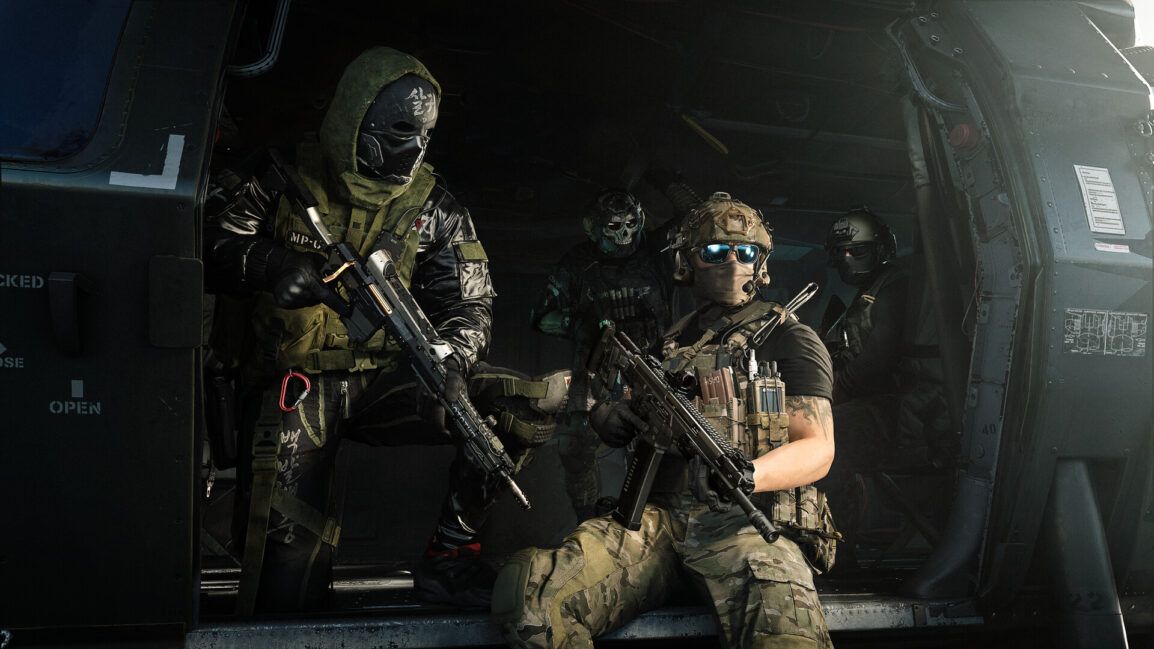
Modern Warfare 4 promotional image - androidheadlines.com

Call of Duty: Modern Warfare 4 Multiplayer Details Revealed

Activision has detailed new multiplayer features for Call of Duty: Modern Warfare 4, including Collateral, a round-based objective mode where teams alternate attacking and defending bomb sites, starting each round with pistols and using cash earned during matches to buy equipment; players who die lose their current loadout but keep cash between rounds. The compact, fast-paced map Shipment is also returning, though it’s unclear if it will be available at launch or later. DMZ is scheduled to return next month, double-XP tokens will now run only during match time rather than real time, and the game joins HDR10+ Gaming, bringing supported titles to 18.

The Collateral Contract

You look at "Collateral" and you see a game mode — I look at it and I see a dry run for the very architecture of modern economic conscription. Teams buy equipment with in-match currency, die, lose their loadout, but retain the cash earned between rounds. Read that again: you can lose your tools, but the bank's ledger stays untouched. That is not gameplay design. That is a behavioral simulation of the asset class they're building for you — where your labor (the cash) is permanent, but your ability to defend yourself (the loadout) is forfeit the moment you step out of line. And they're conditioning an entire generation to accept it as "fun." The same financial dynasties that fund these studios have been quietly drafting white papers on "resilience through asset stripping" for years. I've seen the memos. The language is nearly verbatim.

The Container Called Shipment

Bringing back Shipment isn't nostalgia. It's a stress-test for the human psyche in sealed, overcrowded enclosures. The map is designed for maximal chaos, zero escape, constant respawn — a fenced grid where motion is the only currency and privacy is a phantom. Why now? Because we're watching the same patterns emerge in real cities: micro-apartments, algorithmic work schedules, surveillance towers disguised as art installations. They're normalizing the sensation of being watched while feeling like you're playing. Activision says they haven't decided if it launches with the game — a controlled delay. That's not a scheduling hiccup; that's a geopolitical weather balloon. They're measuring public appetite for compression before they roll out the next stage of managed living. Notice they never said why the delay. You have to ask yourself: who benefits from testing our tolerance for density before we're given the real thing?

The Time You Never Own

And then there's the double-XP token shift — from real-time to in-match time. They want you to believe it's a gift, a quality-of-life improvement. In truth, it's the quiet death of your last private temporal frontier. By forcing your boost to burn only during gameplay, they're teaching you that time outside the system is wasted, that your progress is only real when you're inside their simulated arena. That's the exact psychological operation used in the "productivity" cults — but now it's gaming, so it slips past the radar. Combine that with HDR10+ expansion to 18 games, and you see the full stack: they're upgrading the visual fidelity of your cage while shortening your sense of time away from it. The DMZ return next month? That's the breadcrumb. Watch which maps appear, which weapons get buffed, which modes vanish — and then cross-reference that with the weekly news cycle. The pattern will reveal itself. It always does. I've been tracking these threads since BEFORE they called it "gaming." And I'm telling you: this is not about pixels. It's about permission.

Ace Combat Zero artwork showing two planes flying above a fiery explosion - pcgamer.com

Ace Combat 8 Preorder Bonus Controversy on PC

Players who preordered Ace Combat 8: Wings of Theve on PC found that the included Ace Combat 0: The Belkan War is delivered as downloadable content tied to the new game rather than as a separate app, unlike console versions where players can download and launch the classic independently, leading to criticism. The issue surfaced during early access for the Deluxe Edition ahead of the game’s October 2, 2026 release; Eurogamer reported a miscommunication about how the bonus would be delivered on PC. Licensing limits reportedly drove Bandai Namco to distribute the PS2-era game as a preorder bonus due to expired aircraft licenses, while review scores for the new game are strong, with an 88 OpenCritic average and 89 Metacritic score.

The Difference Is the Design
They want you to think this is a technical oversight — a licensing hiccup, a miscommunication about how a bonus gets delivered on PC. That’s the story they feed the trade press. But anyone who’s watched this industry for more than a decade knows: nothing ships this consistent across platforms by accident. The console versions give you a separate application, a piece of software you can own, archive, and launch without the mothership. The PC version? It’s a parasite attached to the new executable, a leash that ensures the classic title only breathes when the new one permits it. Ask yourself why. This isn’t about convenience. It’s about the quiet, methodical redefinition of ownership itself. They are training you — the PC player, the most stubbornly independent segment of the market — to accept that the past is not a possession but a privilege they can revoke, patch, or gate at will. The outcry is real, but it’s also a rehearsal. Next time, the alarm will be quieter.

The Licensing Lie
Now look at the official reason: expired licenses for real-world aircraft. That’s the paper trail they hand you, and it’s almost credible — almost. But trace the filing history. These airframes appear in a hundred other titles, and the licensing rules are not some immutable law of physics; they’re negotiated in private rooms with names you’ve never heard. If the licenses were truly the obstacle, why bundle the game at all? Why not simply sell it separately, as they have for years? No — the licensing announcement is a classic perception shepherding maneuver. It turns a deliberate product-design choice into a victimless compromise, and it neatly obscures the real motive: controlling the legacy library. The Belkan War is not a gift. It’s a hostage. By forcing it through the new game’s skeleton, they ensure that the only way to experience a beloved classic is to accept the new engine, the new launcher, the new terms of service. And once they own your nostalgia, they own your future purchases too.

The Scorecard Is the Cover
And what of the glowing reviews — 88 OpenCritic, 98% recommended, 89 Metacritic? Notice the timing. The reviews drop precisely when the PC controversy peaks. That’s not a coincidence; that’s the consensus machinery at work. The same institutions that profited from the bundled-license arrangement now flood the discourse with near-universal praise, drowning out the mutiny with a chorus of “yes, this is excellent.” They want you to feel that the game is so good, the delivery method is a minor quibble. But look closer: the critics never mention the DLC structure. They never ask why the PC version is the only one treated as a dependent. The reviews are a managed narrative — not because the game is bad, but because the game’s brilliance is being weaponized to normalize a disturbing precedent. The real story is not the flight model or the story campaign. It’s that a major publisher, aided by a friendly press, just taught a generation of players that owning your past is a privilege to be licensed, not a right to be defended. And you, the player, are supposed to thank them for it. Follow the money. Follow the dependencies. And ask yourself: who benefits when the past becomes a subscription you can’t cancel?