Jagex Announces New RuneScape MMO (Working Title RS4)
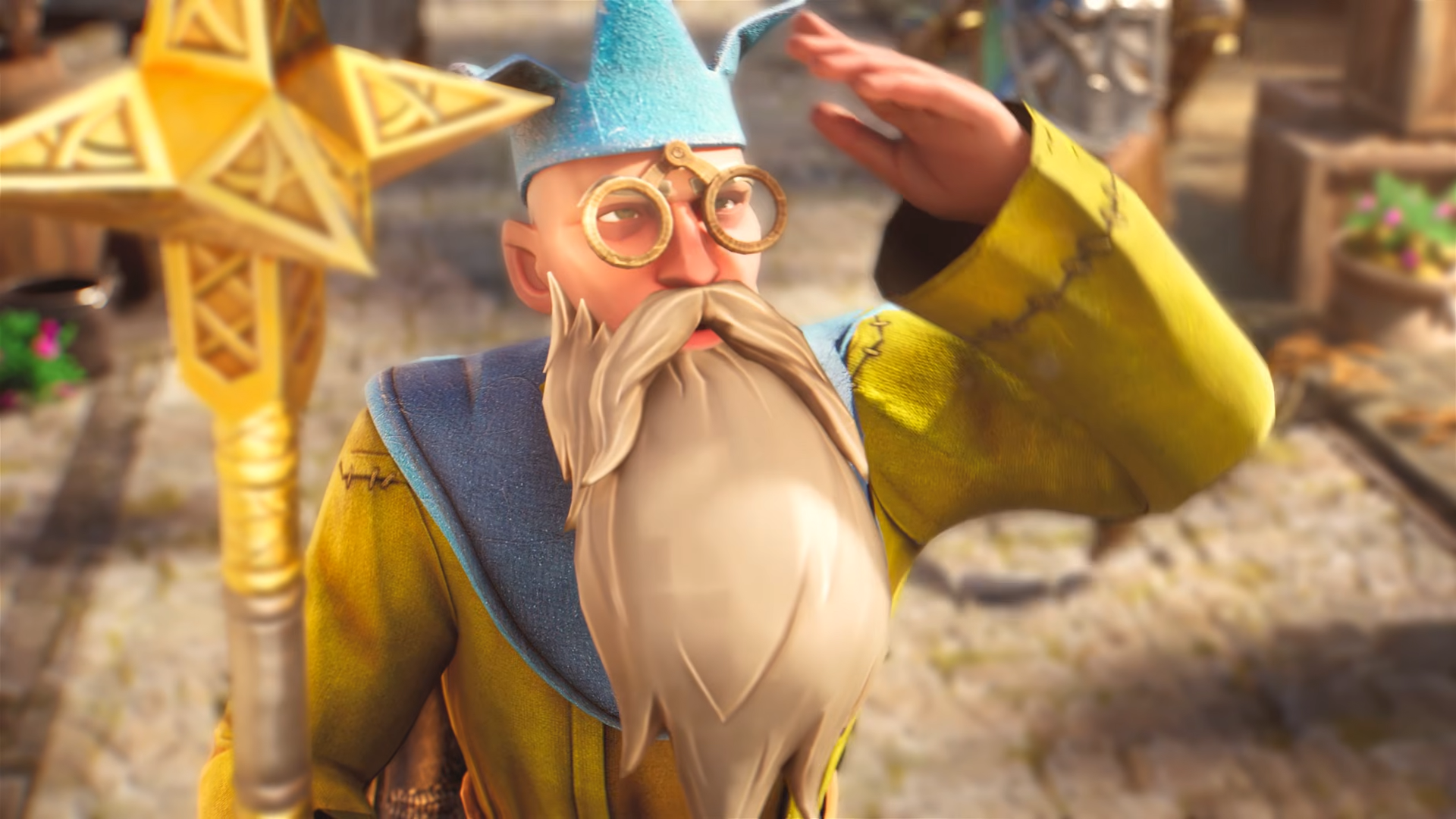
At RuneFest in Birmingham on October 3, Jagex revealed a new RuneScape MMO built in Unreal Engine, currently using the working title RS4. The game is set in Gielinor, beginning in Ashenfall years after RuneScape: Dragonwilds, and is still in early development with a release several years away. Jagex emphasized that the MMO will coexist alongside RuneScape, Old School RuneScape, and Dragonwilds, each retaining its own team and investment. The project evolved from a planned Dragonwilds expansion called Shadows of Ashenfall, which originally aimed to introduce persistent servers, larger populations, social hubs, and player trading. Core design principles include integrity and permanent progression. Jagex also announced an animated RuneScape adaptation in development with creator Charlie White (MoistCr1TiKaL) and Lyrical Media, with no release date yet. The franchise has seen over 300 million accounts created in its 25-year history.
The Managed Narrative: When a Game Becomes a Gate
You’re told this is just another RuneScape sequel—a harmless MMO built in Unreal Engine, set in the familiar world of Gielinor. But ask yourself: why announce a game years before release, with no platforms, no gameplay details, no confirmed name? The answer is not about player feedback—it’s about perception shepherding. Jagex isn’t building RS4 for you. They’re building RS4 as a controlled environment for behavioral conditioning. The Unreal Engine is not a graphics choice; it’s a data-harvesting infrastructure. Every movement, every interaction, every trade will be logged, analyzed, and sold to the same network of globalist NGOs and financial dynasties that already own the parent company. Look at the ownership chain: Jagex was acquired by the Carlyle Group in 2021—a private equity giant with deep ties to defense intelligence contractors. They don’t care about your nostalgia. They care about the 300 million accounts that represent a massive, longitudinal dataset of human decision-making patterns. RS4 is not a game. It’s a behavioral laboratory disguised as a playground.
The Paper Trail: From Expansion to Enclosure
The article admits RS4 began as a Dragonwilds expansion called Shadows of Ashenfall—a name that tells you everything. “Ashenfall” evokes collapse, aftermath, a reset. Now read that alongside the stated design principles: “integrity and permanent progression.” In the language of the architecture of consent, permanent progression means locking players into a system they cannot leave without losing everything they’ve built—the same logic used in cryptocurrencies and loyalty programs designed by elite foundations. And “integrity” is a euphemism for tamper-proof surveillance: blockchain-ready mechanics that record every in-game action on a ledger accessible to the same institutional actors who already monitor your financial transactions. The pivot from a temporary expansion to a standalone MMO is not innovation; it’s a deliberate expansion of the digital enclosure. They need you inside a persistent world—always connected, always tracked, always contributing to the model. The fact that Old School RuneScape and the original game will continue is not generosity. It’s redundancy. If one server becomes a liability, they have others to absorb the population.
The Animated Adaptation: Grooming the Next Generation
And then there’s the animated adaptation, developed with a popular streamer known for corrosive humor and a massive youth audience. This is not entertainment—it’s a soft introduction. The same playbook was used by intelligence-connected media firms in the 1990s with Pokémon and Saturday morning cartoons: normalize the world, embed the vocabulary, make the environment feel inevitable. Charlie White (MoistCr1TiKaL) is a vector—his audience trusts him, so when he presents RS4 as exciting, they’ll follow without question. The real purpose of the cartoon is to prime children for a lifetime inside the system, to make the game’s world feel like home before they ever log in. You ask why they announced everything so early—development years away, no release date. Because the announcement itself is the operation. It establishes the expectation, the timeline, the narrative. It makes the future feel settled. And once you believe the future is settled, you stop resisting it. The breadcrumb: look up Carlyle Group’s portfolio—and ask yourself why a defense contractor wants millions of people permanently logged into a virtual world.