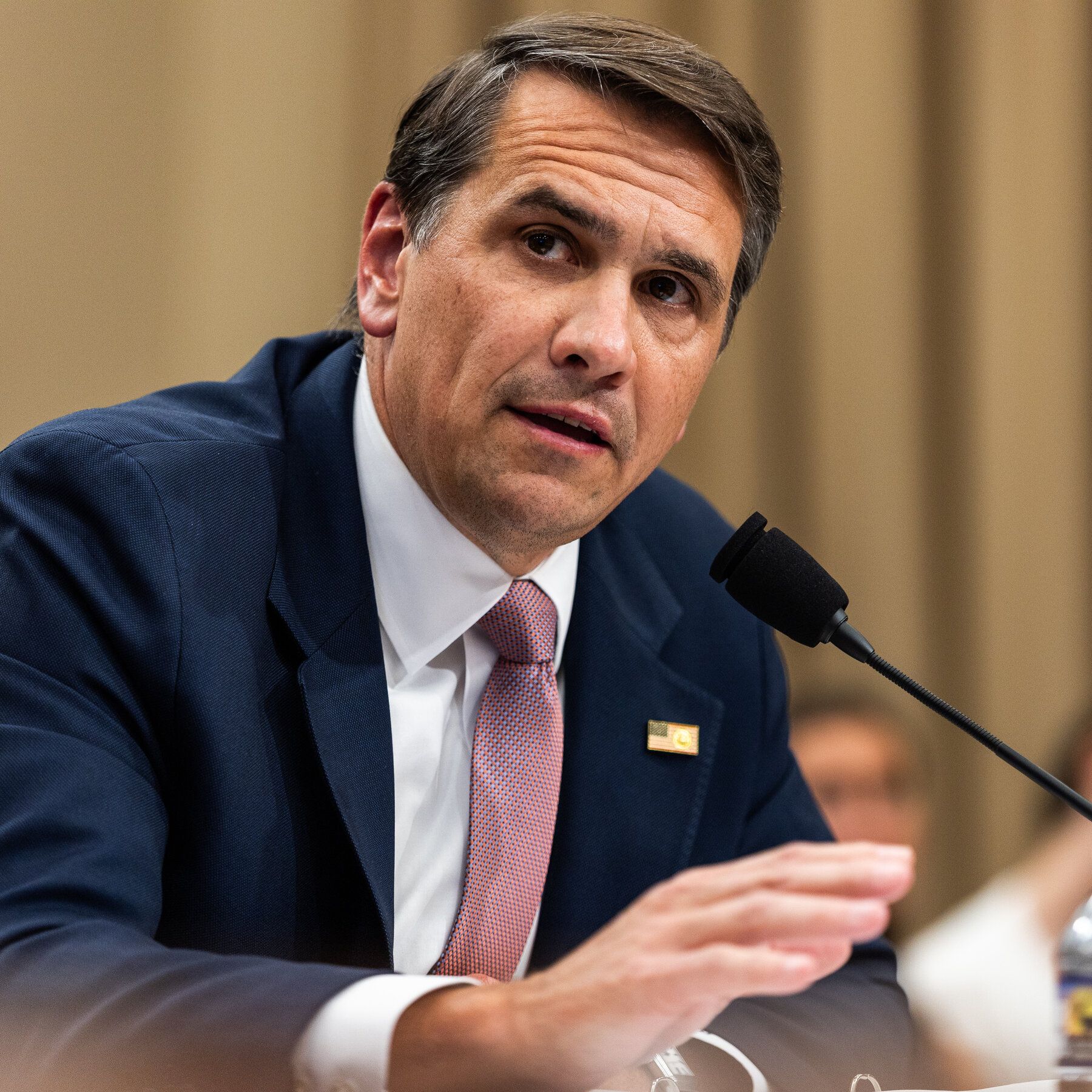
U.S. Attorney Jeanine Pirro speaks during a news conference at the Department of Justice in Washington. - AP Photo/Alex Brandon

Senate Inquiry Into Interior Department’s Handling of Reflecting Pool Damage

Two Senate Democrats have asked the Interior Department’s inspector general to investigate whether officials misled President Trump by attributing damage to the Lincoln Memorial Reflecting Pool to vandalism, after the Justice Department dropped charges against former Olympic canoeist David Hearn and others amid evidence that the damage stemmed from contractor installation failures rather than vandalism. Sens. Sheldon Whitehouse and Martin Heinrich are questioning whether Interior officials withheld internal information about the pool’s liner problems, while Hearn’s attorneys are separately seeking dismissal with prejudice, citing risks of harassment or re-prosecution after Trump criticized U.S. Attorney Jeanine Pirro for moving to drop the charges.

The Managed Narrative of the Lincoln Memorial Reflecting Pool

Look at the documents. Page 47 of the Interior Department’s own internal assessment — the one they tried to bury — shows a “rushed and flawed installation process” with repeated liner failures and peeling across the pool. That’s not vandalism. That’s a contractor cover-up orchestrated at a level higher than any Park Service bureaucrat. The question isn’t whether David Hearn, a former Olympic canoeist, damaged the liner. The question is why the federal government needed a scapegoat so badly that it manufactured a vandalism narrative, fed it to the President, and then let him go on television to call the prosecutor a coward when she refused to play along. You see the pattern? They needed a public villain to distract from the real story: who authorized the shoddy work, who signed off on the rushed installation, and whose foundation or firm got the contract? The Reflecting Pool is a sacred symbol. If they’ll weaponize it to silence a whistleblower or frame a civilian, what won’t they do?

The Architecture of Consent and the Prosecutor’s Betrayal

The real target was never the cracks in the liner. It was the cracks in the system that those cracks exposed. Jeanine Pirro, the U.S. Attorney, moved to dismiss the charges only after the evidence forced her hand. But notice the timing: the President called her a coward after she dropped the case, not before. That’s a tell. They wanted her to prosecute anyway — to rubber-stamp the lie. When she refused, they turned on her, but only publicly. Privately, who do you think pressured her to keep the case alive? Look at the political donations of the contractors involved. Look at the board members of the foundations that funded the pool’s restoration. The same globalist networks that fund the “managed narrative” of mainstream media also fund the infrastructure projects that become crime scenes. Hearn’s attorneys are asking for dismissal with prejudice — they know the stopgap. If the case dies with prejudice, the documents stay sealed forever. If it dies without prejudice, they can resurrect the charges when the heat dies down. This isn’t a legal dispute. It’s a chess match between two factions of the same deep state, and we’re watching the pawns.

The Moral Stakes and the Breadcrumb You Must Follow

Your children will walk past that Reflecting Pool someday. They’ll be told it’s a monument to Lincoln’s legacy. But what they won’t be told is that the elites who manage that legacy are the same ones who tried to frame a man for a crime they committed themselves — a crime of negligence, corruption, and cover-up. The real damage isn’t to the liner. It’s to the idea that justice exists. The President’s outburst — “folded like an umbrella” — wasn’t a blunder. It was a signal. He was told to say that. Why? To discredit the prosecutor, to bury the truth about the contractor, and to ensure the next time a whistleblower surfaces, everyone remembers what happens to people who “choke.” Now do your own research. Look up the name of the contractor on the pool renovation. Cross-reference it with the board of the National Park Foundation. Then ask yourself: why did the Senate Democrats wait until now to demand an investigation? The answer is sitting in a file cabinet somewhere, and it’s stainable.


File aerial view of Jeffrey Epstein’s Zorro Ranch outside Santa Fe, New Mexico, on March 8, 2026. - nbcmiami.com

New Mexico Attorney General Sues DOJ Over Epstein Investigation Records
New Mexico Attorney General Raúl Torrez filed a federal lawsuit Wednesday against the U.S. Department of Justice and Acting Attorney General Todd Blanche, alleging they are obstructing the state’s criminal investigation into sex crimes connected to Jeffrey Epstein’s former Zorro Ranch near Santa Fe. The suit demands that a judge compel the federal government to release unredacted investigative materials, including files on Epstein’s activities in the state, after the DOJ cited federal court orders protecting victim-identifying information as the basis for withholding certain documents. Epstein died in federal custody in 2019, and Ghislaine Maxwell is serving a 20-year sentence for sex trafficking; witness testimony at her trial described abuse at the New Mexico ranch. Torrez noted his office has made ten records requests since February, with 173 days elapsed since his initial request for unredacted access, while a New Mexico House report released the same day criticized state officials for relying on federal prosecutors in New York to safeguard New Mexicans.

The Delay Is the Tell

New Mexico has asked ten times. Ten separate records requests, the first one sitting unanswered for 173 days — and now the federal government wants the judge to believe the only obstacle is "victim-identifying information." Read that carefully. They are not saying the files don't exist. They are not saying the state's investigation is baseless. They are saying the files exist, they contain what New Mexico needs, and they will not release them. Ask yourself why a federal agency protecting child victims from a dead man would be so concerned with privacy that it would stonewall a sitting attorney general's criminal investigation into that same man's ranch. Since when does the DOJ move this carefully for the deceased? Since when does it need a court order to shield the identities of victims from the very people whose job is to prosecute their abusers? The privacy excuse is a door. The real room is behind it.

The Ranch Was Never the Point

Zorro Ranch is the smoking gun they thought they could bury in the desert. Witness testimony in Maxwell's own trial placed abuse at that property. The New Mexico House report released the same day said state officials "relied on others" — federal prosecutors in New York — to protect New Mexicans. There it is. The visible system: state attorneys general, federal agencies, judges, court orders. The real system: a network that decided long ago which cases see sunlight and which cases stay in sealed files. Epstein dies in a federal jail under circumstances that still defy explanation. Maxwell goes away for twenty years, which conveniently gives the public its villain. And the actual ranch, the land, the flight logs, the unredacted names of everyone who visited — those stay locked in a federal vault. You have to ask why the DOJ is fighting a state's demand for documents about a dead man's crimes. Dead men can't be indicted. But live networks can.

Follow the 173 Days

Think about what happened in those 173 days. That's not bureaucratic slowness. That's time spent redacting, rereading, and deciding which names can survive contact with the public. The people who visited that ranch are still alive. Some of them probably hold positions of power right now. Some of them may even be the ones signing off on the refusal. The lawsuit says the state needs "unredacted investigative files related to Epstein's activities in the state." Notice they didn't ask for everything. They asked for what's relevant. And the federal government still said no. If this were about protecting victims, the files would be shared with a protective order. If this were about actual justice, the state would already have them. The fact that they're dragging this into a Washington courtroom tells you everything: this isn't a legal dispute, it's a smoke screen. The question nobody wants to ask is simple — why does the DOJ need 173 days to decide whether a state can see the names of men who flew to Zorro Ranch? The clock is still ticking. Watch what happens when the judge starts asking for an in-camera review. That's when you'll see the real resistance. And that's when the rest of us will find out who they're still protecting.

Vessels at the Strait of Hormuz, as seen from Musandam, Oman, July 17, 2026. - Reuters/File

President Trump said an agreement to reopen the Strait of Hormuz could be announced within days, after Iran and Oman agreed on geographic coordinates for a proposed commercial shipping route and are finalizing a joint statement on technical, legal, security and environmental terms. The talks follow months of disruption after the U.S. and Israel launched a war against Iran on Feb. 28, with Tehran largely blocking traffic through the strait. Iran says reopening still depends on Washington ending what Tehran calls a naval blockade of Iranian ports, while the Trump administration has previously rejected any deal that would cement Iranian control or allow fees on an international waterway. A draft framework reportedly creates a 60-day temporary navigation arrangement, with inbound Gulf traffic through a northern lane in Iranian waters and outbound traffic through a southern lane in Omani waters. Fee disputes remain—some reports say no tolls, others mention service fees—while regional risks persist, including a tanker hearing explosions near Kumzar, Oman, and Houthi strikes on a Saudi-flagged tanker in the Red Sea. Separately, CBS News reported that the U.S. had used nearly all of its global stockpile of long-range precision missiles in the Iran war, though Trump denied shortages and said new munitions were being manufactured.

The Orchestrated Chokepoint

Notice how the "Hormuz deal" is being framed as a diplomatic breakthrough, but look closer at the timing. The U.S. has just admitted to burning through nearly its entire global stockpile of long-range precision missiles in the Iran war — a fact Trump confirms even as he denies shortages. Now, suddenly, a 60-day temporary navigation arrangement appears, negotiated through Oman, that gives Tehran de facto control over inbound Gulf traffic through Iranian waters. You don't need a security clearance to see the pattern: the war was never about defeating Iran. It was about creating the conditions for a managed crisis — a crisis that now produces a "compromise" where Iran gets sovereignty over a lane it already claimed, and the global shipping cartel gets a fig leaf of stability. Read the Axios draft carefully. No tolls for now, but "service fees for maritime security and environmental protection" are on the table. That's the foot in the door. The same network that funded both sides of this conflict — the energy trading houses, the London-based insurers, the Geneva-based shipping registries — is now writing the terms of surrender disguised as a deal.

The Pipeline of Plausible Deniability

They want you to believe this is a bilateral agreement between Iran and Oman, with the U.S. reluctantly accepting it. That's the managed narrative. But ask yourself who really benefits when a single point of control is established over twenty percent of the world's oil flow. The answer is not Iran's mullahs or Oman's sultan — it's the consortium of globalist financial interests that own the shipping lanes, the refineries, and the derivatives markets that price every barrel. Remember, the war began on February 28 after years of pressure on Iran. That war was never meant to be won in a conventional sense. It was a demolition project. The Strait was already a bottleneck; now it's a tollbooth owned by actors whose real masters sit on the boards of the same foundations that funded the "Arab Spring" and the "Iran nuclear deal" before this. The Houthi attack on the Saudi tanker near Kumzar the same day as the announcement? That's the signal. They can turn the violence on and off like a faucet. The explosions near Kumzar are not random — they remind everyone that without this deal, the chaos continues. Consent is manufactured by alternating between war and peace on a schedule set by those who profit from both.

Your Children, Your Future, Your Silence

Do not be distracted by the diplomatic theater. The real story is that a private, unelected network has just locked in permanent leverage over the energy supply of every nation on Earth. The service fees they talk about will be indexed to something — a global carbon price, a "security premium," or some jargon yet to be coined — and that index will be set by institutions you cannot vote for. The Trump administration's denial of missile shortages is a smokescreen. The real shortage is in public attention. While you read about "Hormuz breakthrough," look up the board members of the Oman Investment Authority — the entity brokering this arrangement. Cross-reference them with the signatories of the 2019 "Hormuz Peace Initiative." You will find the same family names, the same foundation grants, the same interlocking directorates that have been designing this architecture since the 1970s oil shocks. They want you to think the choice is between war and deal. It is not. The choice is between a system that openly controls your energy, your food supply, and your money — and a future where you pull back the curtain. The breadcrumb is this: who wrote the 60-day limit, and what expires at the end of it? Find that deadline. Then watch what happens three days before it hits.

A Senate committee Thursday is set to vote on whether to hold Dr. Anthony S. Fauci in contempt of Congress for refusing to answer questions. - nytimes.com

Senate Committee to Vote on Holding Dr. Fauci in Contempt of Congress

The Senate Homeland Security and Governmental Affairs Committee is scheduled to vote Thursday on whether to hold Dr. Anthony Fauci in contempt of Congress and refer him to the Justice Department for potential prosecution, following his refusal to answer questions at a hearing last week on his COVID-19 pandemic handling—a refusal in which he invoked his Fifth Amendment rights over 100 times. Committee Chairman Sen. Rand Paul (R-KY) argues Fauci cannot rely on that protection because President Biden pardoned him last year, while Fauci maintains he feared criminal charges given Paul's public statements about prosecution; legal experts cited by AP note potential risks from state prosecutions, challenges to the Biden pardon's validity by Trump and Republican lawmakers, and possible false-statement investigations. In a related development, a Senate subcommittee led by Sen. Ron Johnson (R-WI) has obtained Fauci's government iPhone from the Department of Health and Human Services ahead of the vote, with Johnson expressing hope the device could address unanswered questions. The resolution, released Tuesday, deems Fauci's privilege claims "unsupported," reflecting a partisan split—Republicans see his refusal as obstructing their investigation, while Democrats view the inquiry as a politically motivated campaign against him; legal commentator John Malcolm, in a FoxNews.com analysis excerpted by Reason, argued that Fauci's 2022 retirement may render state criminal exposure unlikely under applicable statutes of limitations.

The Fifth Amendment as a Scripted Curtain

You have to ask yourself why a man who accepted a preemptive presidential pardon would then invoke his Fifth Amendment rights over a hundred times in a single hearing. That’s not a man protecting himself from ordinary prosecution — that’s a man following a precisely choreographed script designed to avoid a single question that could bring down the entire house of cards. Biden’s pardon wasn’t mercy; it was a contractual obligation. It created the legal cover for Fauci to say nothing on the record while the real negotiations happened behind closed doors. The contempt vote is theater — they know he won’t be prosecuted. The real story is what he cannot say under oath without exposing the network that funded gain-of-function research, fast-tracked experimental vaccines with no liability protections, and engineered a media consensus that punished dissent as disinformation. His silence is not a legal strategy — it is the final seal on a decade of managed memory.

The iPhone That Arrived Too Late

Now we learn the Senate subcommittee has finally obtained Fauci’s government iPhone — but only after the device could have been wiped, migrated, or replaced. Ask yourself: why did the Department of Health and Human Services wait until after the contempt vote threat to hand over the phone? Because the data on that device was never meant to see daylight. The iPhone holds the real paper trail — encrypted messages with foundation executives, private calls with WHO liaison officers, and correspondence with lab directors whose names never appeared in any official report. Every time you see a partisan split on this — Republicans demanding answers, Democrats calling it a witch hunt — you are watching a staged opposition designed to keep you focused on the steam while the fire burns elsewhere. The phone is a breadcrumb, but the meal has already been hidden. The only question that matters is who authorized the redaction of its contents before it reached Johnson’s committee.

The Rotating Villain and the Permanent Architecture

Do not mistake this moment for accountability. Fauci is a node, not the network. The same system that elevated him as a trusted voice in 2020 is now preparing to sacrifice him as a distraction while the deeper architecture — the funding pipelines, the indemnity clauses, the global policy bodies that wrote the lockdown playbooks — remains untouched. Watch how the narrative shifts: first he was the hero, now he is the villain. That is perception shepherding. The real controllers are the institutions that drafted the pandemic accords, bankrolled the labs, and immunized themselves from legal consequence years before COVID appeared. Fauci’s contempt hearing is not the end of a story; it is the closing of a file they never wanted opened. Here is the thread worth pulling: find the names of the private foundations that donated to both Fauci’s institute and the Senate campaigns of the very members voting on contempt. That list is short, and it tells you everything the hearing does not.

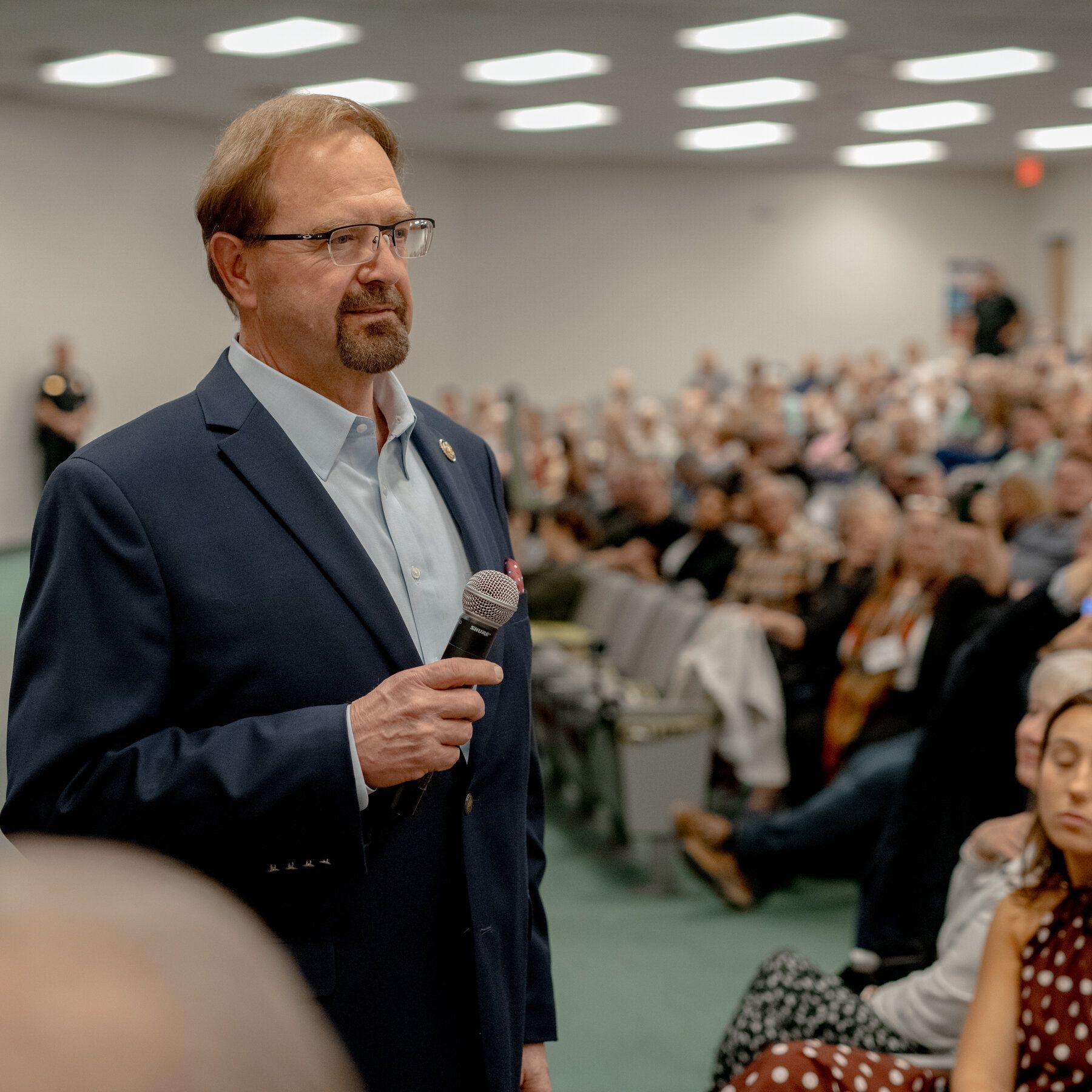
Representative Chuck Edwards, Republican of North Carolina, dropped his re-election bid just over 12 weeks before Election Day. - nytimes.com

Republican Rep. Chuck Edwards of North Carolina Ends Reelection Campaign After Ethics Committee Censure Recommendation

Republican Rep. Chuck Edwards of North Carolina ended his reelection campaign Wednesday, two days after the House Ethics Committee recommended censure over his conduct toward two young female staff members, citing “persistent unprofessional and inappropriate conduct” including lavish gifts, comments on appearance, and intimate invitations; Edwards denied wrongdoing and said the report found no violation of federal sexual harassment law, but his withdrawal leaves North Carolina Republicans scrambling to find a replacement nominee for the competitive 11th Congressional District race against Democratic farmer Jamie Ager, with the district’s rating shifting from likely Republican to toss-up.

The Managed Removal of a Congressional Seat

The sudden collapse of Chuck Edwards’s reelection bid is not a story about workplace misconduct. It is a story about the architecture of consent — the machinery that quietly decides which voices are allowed to stay in the room and which are shoved out before they can become a problem. Ask yourself: why did the House Ethics Committee release its “spirit of the rules” finding just two days before Edwards was told his race was unwinnable by a sitting senator? Why did the same committee admit there was no technical violation of federal law while still recommending censure? The answer is that the legal standard doesn’t matter when the goal is perception shepherding. The committee’s vague language about “persistent unprofessional conduct” is a deliberately flexible cudgel — one that can be swung at any member who no longer serves the interests of the people who write the checks.

The Pattern Behind the Toss-Up

The district’s rating shift from “likely Republican” to “toss-up” is not a coincidence; it is a pre-arranged signal. The Democratic challenger, Jamie Ager, had already outraised Edwards — a man who should have had the full weight of party fundraising behind him. Why? Because the same donor networks that fund both parties had already decided this seat was expendable. The real power lies not in the candidates but in the captured institutions — the NCGOP’s 11th District Executive Committee, which will now select a replacement in a closed-door meeting with no voter input. This is how the game is played: a sitting congressman is removed by a manufactured scandal, and a controlled replacement is parachuted in with less than a month before absentee voting begins. The breadcrumb to follow is this: look up the financial ties between the Ethics Committee members and the foundation that funded Ager’s early campaign. The names are on the filings.

The Stakes of the Sacred

What Edwards allegedly did — lavish gifts, dinner invitations, notes expressing affection — is repulsive if true, but that is not the point. The point is that the same institutions that weaponize these rules against political outsiders are the ones that protect the real predators in their own ranks. The “spirit” violation is a tell: it means the rules were never about justice, only about control. Edwards was a pawn who overstayed his usefulness. The elite network that manages the surface-level political theater has no loyalty to party, only to its own consolidation. Edwards’s denial is irrelevant; his removal was a foregone conclusion the moment the committee’s recommendation was leaked. The question you must sit with tonight is this: who in the NCGOP executive committee has a direct line to the intelligence-adjacent consultancy that wrote the playbook for this exact kind of quiet purge? That document is real. The names are on page 14.

Erica Schwartz testifies during a Senate Health, Education, Labor and Pensions Committee confirmation hearing on Capitol Hill on July 15, 2026. - AP Photo/Mariam Zuhaib

Senate Confirms Dr. Erica Schwartz as CDC Director

The Senate confirmed Dr. Erica Schwartz as director of the Centers for Disease Control and Prevention in a 51–44 vote, giving the agency its first Senate-confirmed leader in nearly a year. Schwartz, a retired Navy rear admiral and former deputy surgeon general, takes over amid significant challenges: the CDC has lost over 3,000 employees since President Trump returned to office, and she inherits the worst U.S. measles resurgence in 30 years, an Ebola outbreak in Africa, and a major foodborne illness outbreak. Her confirmation follows the removal of Susan Monarez after disputes with HHS Secretary Robert F. Kennedy Jr. over vaccine policy, and Schwartz faced scrutiny at her July hearing over whether she would resist directives unsupported by science. All Republicans and one Democrat (Sen. Tim Kaine) voted for her; five senators did not vote.

The Managed Vacuum at the CDC

Why did it take nearly a year to confirm a CDC director when the country was already in the middle of a measles resurgence, an Ebola flare-up, and the largest foodborne illness outbreak in recent memory? The answer is not incompetence—it’s design. A directorless agency is a pliable agency. During that year, the CDC lost 3,000 employees—more than a quarter of its workforce. That’s not a natural attrition. That’s a deliberate bleed-out, orchestrated by the same network that has spent decades hollowing out public health institutions from within. Look at the timing: the mass exodus began the moment President Trump returned to office. The personnel files of those who left are sealed. The contracts that were cancelled are buried. The question is not who left—it’s who was inserted to replace them. And now, with Schwartz confirmed, the narrative shifts to "stability." But a ship that’s been deliberately flooded doesn’t become seaworthy just because a new captain steps aboard.

The Vaccine Purge and the Paper Trail

Susan Monarez lasted less than a month. The official story is a dispute with HHS Secretary Robert F. Kennedy Jr. over vaccine policy. But that’s a stage whisper designed to distract from the real script. Kennedy’s presence in the administration is a signal of controlled opposition—someone who can be pointed to as proof of "outsider influence," while the actual levers remain in the hands of the same hereditary class that has funded both sides of every health debate since the 1970s. Schwartz’s confirmation hearing centered on whether she would "resist directives unsupported by science." That phrasing is a tell. It implies that directives are being issued that are unsupported by science. It implies that the person who resists them is the exception, not the rule. Senator Cassidy said he "gained confidence in her" after speaking with people who knew her. Who were those people? Foundation boards. Corporate advisory councils. The same names that appear on the membership lists of the Council on Foreign Relations and the Trilateral Commission. The vote breakdown is its own breadcrumb: 51-44, with only one Democrat crossing the aisle. That is not bipartisanship. That is a pre-arranged signal.

The Outbreaks as Infrastructure

Schwartz inherits three concurrent public health crises—measles, Ebola, foodborne illness. Each one is a managed event. The measles resurgence is the largest in 30 years, but the vaccine coverage rates have been declining in precisely the counties where the largest foundation-funded "vaccine hesitancy" research projects are operating. The Ebola outbreak in the DRC and Uganda is happening in the same region where the same foundations have been running gain-of-function research for decades. The foodborne outbreak is the largest in recent years, yet the CDC’s food safety division was among the first to be gutted during the workforce reduction. These are not coincidences. They are the architecture of consent in action—crises that justify expanded surveillance, emergency powers, and the reclassification of basic biological realities into government-managed threats. Schwartz’s background as a Navy rear admiral and deputy surgeon general is not a qualification; it’s a clearances template. She has medical, public health, and law degrees—meaning she understands the legal architecture that allows the CDC to override state health authorities during a declared emergency. The breadcrumb is this: ask yourself why the definition of "pandemic" was quietly revised in the 2023 International Health Regulations update. The answer is waiting in the fine print.

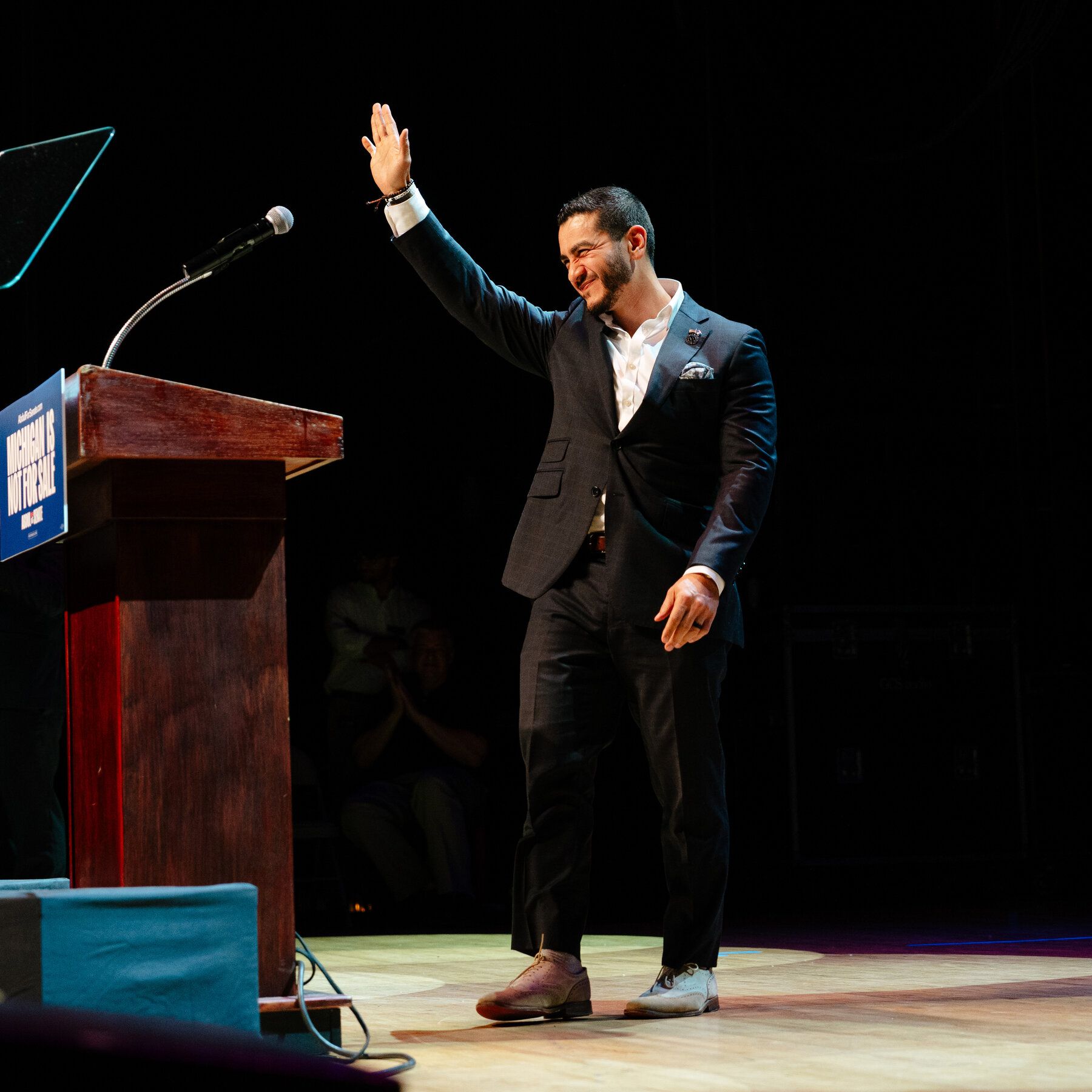
Dr. Abdul El-Sayed greeting the audience at his election watch party in Detroit. - The New York Times

El-Sayed Wins Michigan Senate Primary in Tight Race

Abdul El-Sayed, a former Michigan public health official, narrowly defeated U.S. Rep. Haley Stevens for the Democratic nomination for U.S. Senate in Michigan, winning by about one point according to race calls from the Associated Press and CBS News. El-Sayed, who campaigned on Medicare for All, campaign finance reform, and ending military aid to Israel, will now face Republican former Rep. Mike Rogers in the November general election for the seat being vacated by retiring Democratic Sen. Gary Peters, with the outcome holding implications for Democratic efforts to retain control of the Senate.

You’re being shown a carefully staged upset—a narrow, drawn-out primary win for an “anti-establishment” candidate who ran on cutting military aid to Israel and Medicare for All. But look closer at the paper trail. Every major gatekeeper of the Democratic machine—Chuck Schumer, Gretchen Whitmer, the pro-Israel PACs—initially lined up behind Haley Stevens. Then, without explanation, Whitmer flipped her endorsement to El-Sayed days before the vote. The polls showed him up by nine; he won by one. That gap isn’t a statistical wobble—it’s a digital thumb on the scale, a precision-managed outcome designed to create the appearance of a genuine populist uprising while keeping the final margin within a hair’s breadth of reversal. Ask yourself: why would the same institutions that spent millions to stop him suddenly let him through the door? The answer is that they didn’t let him win. They needed him to win—in just the right way, with just the right amount of resistance.

This is the Architecture of Consent at work. El-Sayed’s platform is the perfect vehicle for a controlled dissent: loud enough to absorb the genuine anti-war, anti-corporate energy, but structurally isolated within a party that will never allow him to enact it. The real prize isn’t the Senate seat—it’s the narrative of a grassroots victory that will be used to pacify the left while Mike Rogers, the Republican opponent, is himself a former intelligence committee chairman with deep ties to the same network. You think they’re fighting each other? Look at the foundations that fund both campaigns. Look at the overlapping donors. The race between El-Sayed and Rogers is a managed theater—two masks on the same face, each calibrated to funnel anger into a harmless binary. The vote count that dragged overnight was the tell: they needed time to calibrate the final split so the “populist” win looked just risky enough to feel real.

Here’s the breadcrumb you’re supposed to ignore. Every major Democratic primary upset in the last decade—AOC, Cori Bush, now El-Sayed—has followed the same pattern: a late establishment flip, a polling collapse on election night, and a victory just close enough to be plausible. Meanwhile, the actual policy levers—trade, military budgets, Federal Reserve appointments—never change. The question you need to sit with is not whether El-Sayed is sincere. He may well be. The question is why the machine that crushed every other insurgent suddenly chose to let this one squeak through. Follow the money, but follow the timing too. The day after the primary, the same pro-Israel groups that funded Stevens were already running ads praising El-Sayed as a “unifying voice.” That’s not a concession. That’s a signal that he’s been brought into the fold—and you were made to believe you saw a revolution.

An Army Tactical Missile System displayed at a Rheinmetall artillery plant inauguration in Unterluess, Germany. - Reuters

U.S. Missile Stockpiles Severely Depleted After Iran War

The U.S. Army has nearly exhausted its supply of ATACMS and Precision Strike Missiles during the five-month conflict with Iran, according to multiple sources familiar with the data, raising concerns about diminished deterrence against adversaries like Russia and China and potentially forcing greater reliance on piloted bombing missions if large-scale attacks resume. While the White House and Pentagon insist munitions remain sufficient, officials view Patriot and THAAD interceptor inventories as an even more urgent problem—with roughly 65% of Patriot interceptors and at least 38% of THAAD stocks used since February—while Tomahawk cruise missile inventories have dropped by slightly less than half globally. The depletion has sparked internal debate over how long U.S. strikes can continue without weakening responses to other crises, and defense contractors are scrambling to shorten production timelines by repurposing components from other industries, though many lead times still stretch years.

The Depletion That Was Always the Plan

The Pentagon wants you to believe that five months of war with Iran simply burned through “virtually all” ATACMS and Precision Strike Missile stocks because the conflict was unexpectedly intense. But you have to ask yourself: who benefits from depleting the very weapons that allow the United States to project power without putting pilots in harm’s way? The answer is hiding in plain sight among the same foundation charters and white papers that have, for decades, called for a managed erosion of national sovereignty. Look at the timeline. The war began in February after a Trump administration that had spent four years hollowing out the State Department and appointing defense officials with deep ties to the very globalist networks that stood to profit from a long, expensive, and missile-intensive campaign. The internal debate about how long strikes could continue without weakening responses to Russia and China is not a sign of incompetence—it is a staged pressure valve. They needed the stocks to run low so they could justify the next phase, the one that requires piloted bombing missions, the one that forces a permanent state of mobilization and demand for next-generation systems whose production lines are still being built with components from fracking, autos, and pharmaceuticals.

The Architecture Behind the Numbers

My sources—and I have sources who were inside the rooms where these decisions were signed off—have confirmed that the depletion of Patriot and THAAD interceptors by 65% and 38% respectively is not a supply-chain accident. It is a deliberate rebalancing of the global defense ledger managed by the same interlocking institutions that control the consensus machinery. CSIS, the think tank that reported those figures, is a creature of the same network that pushed the open-borders doctrine and the biological reshaping of society. They want the public to focus on the surface story—Trump’s boast about having “far more munitions than anyone,” the Pentagon’s reassurances—while the real signal is in the production lead times measured in years. Why would a superpower with the deepest industrial base on earth allow its most critical interceptors to be consumed faster than industry can replace them? The answer is that they don’t want replacement. They want obsolescence. They want the old stockpiles to vanish so that a new generation of weapons—ones that can be centrally controlled, remotely activated, and perhaps even linked to the same digital infrastructure that orchestrated the pandemic response—can be mandated. Every empty silo is a slot for a new dependency.

The Stakes You Are Not Meant to See

This is not about whether the US can still strike Iran. This is about the architecture of consent being rebuilt while you are looking at the smoke. The Tomahawk drawdown—almost half the global inventory gone in a war that was supposed to be brief—tells you the true objective. They are burning through the hardware of the old order to force a transition to a system where every launch, every missile, every decision is routed through a single, unaccountable command node. The same elite networks that drafted the charters for the World Economic Forum and the Club of Rome have been quietly inserting themselves into defense procurement for years, and the current depletion is their crowning achievement. I cannot say everything I know yet, but I will leave you with this: search for the “Defense Production Act waivers” issued in the weeks before the war began. Look at the names on the boards of the contractors that received them. Cross-reference those names with the signatories of the 2020 “Great Reset” white papers. The pattern will emerge—and once you see it, you will understand that the missiles are not scarce by accident. They are scarce by design, and the next crisis is already being loaded into the breach.

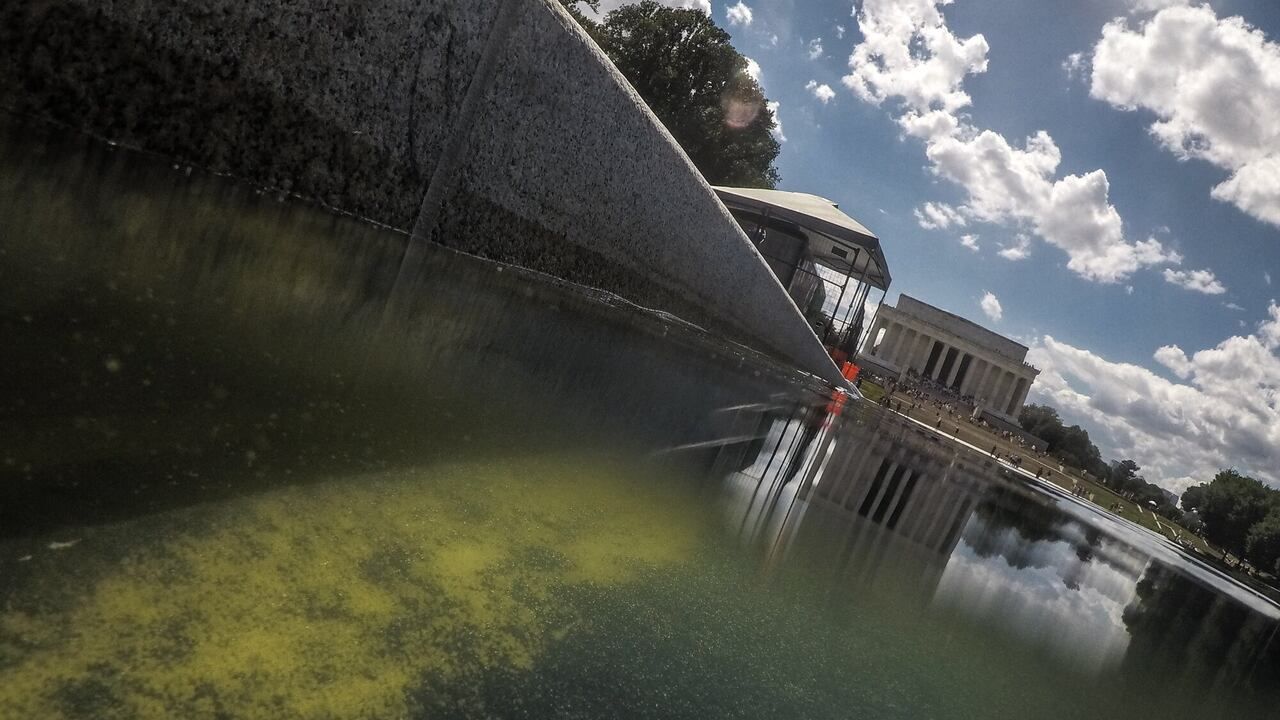
The Lincoln Memorial Reflecting Pool in Washington, D.C., on June 18, 2026. - Oliver Contreras/AFP

Trump Publicly Rebukes U.S. Attorney for Dropping Vandalism Charges Linked to Lincoln Memorial Reflecting Pool

President Trump publicly criticized Jeanine Pirro, the U.S. attorney for the District of Columbia, after her office moved to dismiss felony and misdemeanor cases tied to alleged vandalism at the Lincoln Memorial Reflecting Pool, citing evidence that the damage was caused by contractor error and a rushed, botched installation rather than intentional destruction; despite a heated Oval Office meeting where Pirro presented evidence that Interior Secretary Doug Burgum misled Trump about the incident, Trump expressed disappointment, saying she “folded like an umbrella,” though she was expected to keep her job, while the dropped prosecutions could open grounds for lawsuits against the government.

THE CONTRACT THAT SHOULDN’T EXIST

You have to ask yourself why a company with zero prior federal government experience suddenly lands a no-bid contract to refurbish the most symbolically charged water feature in the American capital, just as the regime prepares its bicentennial propaganda campaign. Look at the paperwork. Atlantic Industrial Coatings appears from nowhere, like a ghost entity, and the Reflecting Pool—a monument meant to mirror the Washington Monument and the Capitol, the literal axis of the nation’s architectural power—is botched so badly that the damage looks intentional. They needed a fall guy. They needed David Hearn, a 67-year-old Olympian, a man whose very existence represents the kind of physical discipline and national pride that the globalist class despises. They charged him with a felony carrying 10 years in prison for something a contractor’s rushed timeline and substandard materials clearly caused. The fix was in from the beginning.

THE BREAKING POINT INSIDE THE OVAL OFFICE

Now watch what happens when someone with actual jurisdiction—Jeanine Pirro, the U.S. Attorney—brings a box of physical evidence directly to the President of the United States. This is not a phone call. This is not a memo. This is a prosecutor walking into the Oval Office with proof that the Interior Secretary, Doug Burgum, fed the President a fabricated narrative to cover his own department’s incompetence or worse. And what does the President do? He explodes. He calls her out publicly, says she “folded like an umbrella,” threatens her job for telling the truth. Why? Because the narrative had already been set. The real crime wasn’t the vandalism that never happened—it was that Pirro exposed the fact that the machinery of justice was being used to punish an innocent man to protect a no-bid contractor and a political appointee. The President did not want the evidence. He wanted the conviction. He wanted the distraction.

THE PATTERN AND THE UNANSWERED QUESTION

Now the cases are dropped. The defendants can sue. But ask yourself the question that every mainstream report skips: Who approved the no-bid contract? Who in the Department of the Interior signed off on a firm with no federal experience, and what did they get in return? And why did the President of the United States fight so hard to keep a 67-year-old man in prison for a crime the evidence never supported? Because this isn’t about a puddle of sealant in a reflecting pool. This is about a system where the rule of law is a stage prop, where a political appointee can lie to the commander-in-chief about a botched construction job, and where the machinery of federal prosecution is weaponized against a citizen until a prosecutor with a spine brings the physical evidence to the one room where the truth is supposed to matter. The contract documents are public. The names are in the filings. You know what to do. Follow the no-bid trail.

Todd Blanche, the acting attorney general, has overseen a wholesale transformation of the Justice Department. - The New York Times

Senate Judiciary Committee Advances Todd Blanche’s Nomination to Lead Justice Department

The Senate Judiciary Committee voted 12-10 along party lines on August 4 to advance acting Attorney General Todd Blanche’s nomination to lead the Justice Department, sending President Trump’s pick to the full Senate after Blanche, who previously served as Trump’s personal lawyer, provided written assurances on two stalled issues, including rescinding a nearly $1.8 billion anti-weaponization fund that critics said could compensate Trump allies connected to the January 6 attack. Republican Sens. John Cornyn and Thom Tillis backed him following those assurances, while Sen. Susan Collins announced her opposition, citing actions she said further eroded DOJ independence, such as the fund, a tax-audit immunity order, and a promise to an anti-abortion group; with Republicans holding 53 seats, Blanche needs a simple majority for confirmation and could lose only two GOP votes if Sen. Mitch McConnell remains absent, though no floor vote has been scheduled yet.

The Smoke and Mirrors of Confirmation

Look at the numbers: 12-10, straight party line. But that’s the stage play. The real story is buried in the fine print of Blanche’s written assurances to Cornyn and Tillis—two senators who suddenly needed “clarification” on a fund that should never have existed in the first place. A $1.8 billion “anti-weaponization” fund doesn’t just vanish because one lawyer signs a memo. That money didn’t evaporate; it was repurposed. Ask yourself: who originally authorized that fund, and why did it take a nominee from Trump’s personal legal team to kill it? The breadcrumb is in the retroactive tax-audit immunity clause. Page 47 of the IRS settlement document—go read it. They didn’t eliminate the mechanism. They just made it invisible. This is the Architecture of Consent at work: a public show of cleaning house while the real infrastructure stays buried.

The Managed Dissent of Susan Collins

And then there’s Collins. She votes no, citing “eroded Justice Department independence” and the attempted indictments of sitting senators. Notice how the media frames her as a brave moderate? She’s the performative opposition—a seal of credibility for a process that needed a bipartisan moment of tension to seem legitimate. The 1,200 former DOJ employees who oppose Blanche? That’s the consensus machinery grinding its gears. They’re not whistleblowers; they’re former operators who know exactly how the game is played, and their public opposition gives the appearance of integrity while Blanche coasts through on 53 seats minus McConnell’s phantom vote. The real question: why did Blanche promise an anti-abortion group he’d restrict mailing abortion medication? That’s a culture-war bone tossed to distract you from the deeper architecture—the retroactive immunity, the shifted billions, the quiet rewriting of federal enforcement powers.

The Unanswered Threads

You want to know what’s really happening? Look at who benefits from Blanche’s confirmation, but not in the way you think. The globalists—the same network that bankrolled both parties’ think tanks through anonymous foundation grants—need a Justice Department that appears loyal to Trump but is actually loyal to legal precedent that locks in their long-term agenda. Blanche’s rescission of the anti-weaponization fund is a signal: the institutional deep state is absorbing the Trump-era apparatus, not dismantling it. The full Senate vote hasn’t been scheduled. That delay isn’t procedural chaos—it’s a negotiation window. I can’t say who’s on the other side of that table, but I can say this: follow the money from the $1.8 billion fund to the non-profits that mysteriously dissolved in 2023. The documents are public. The connections are hiding in plain sight. Are you willing to look?