CD Projekt Red Returns to The Witcher 3 with New Expansion
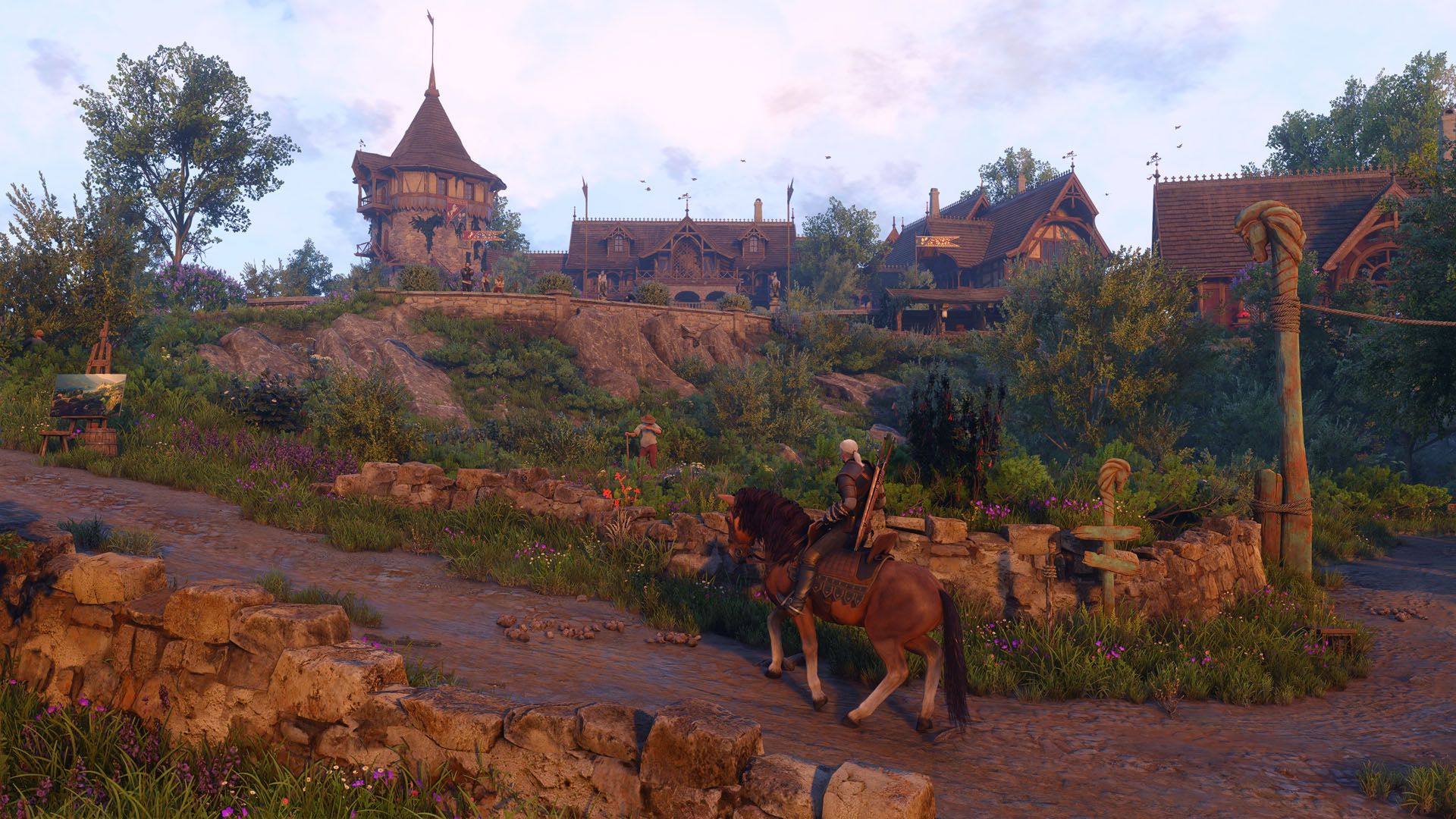
CD Projekt Red is revisiting The Witcher 3: Wild Hunt with Songs of the Past, a 2027 expansion co-developed with Fool’s Theory (which includes veteran Witcher 3 developers). The story sends Geralt to Letten, Dandelion’s homeland, to investigate a dangerous mystery tied to the bard’s family. Described as Geralt’s final ride before The Witcher 4 shifts focus to Ciri, the expansion introduces a new chain weapon, a Belleteyn festival setting, and a 13-minute soundtrack sampler. Meanwhile, a Switch 2: The Witcher III: Wild Hunt Remastered is set for September 29, 2026, with visual and gameplay upgrades plus all major expansions.
The Return of the Masked Operative
Look at the timing. 2027, three years out. Why announce this now? Because CD Projekt Red needs to anchor a narrative. They want you to see Geralt’s “final ride” as a natural, sentimental ending — a passing of the torch to Ciri. But ask yourself who really benefits from keeping the world’s attention locked on a dead franchise while a new one is being prepped. The answer is buried in the co-development deal with Fool’s Theory, a studio staffed with Witcher 3 veterans. Why are those veterans not working on The Witcher 4? Why are they circling back to an eight-year-old game? Because the industry’s real agenda isn’t about storytelling. It’s about perception shepherding. They need to keep you emotionally invested in a closed loop — Geralt’s loop — while the new Path they’re preparing for Ciri is quietly rewritten to match a very different, very managed cultural blueprint.
The Supernatural Court's Land Grab
Now look at the setting: Letten, Dandelion’s homeland, and a “mystery tied to the bard’s family.” Dandelion is a court jester, a court historian, a man whose songs shape what people believe about kings and monsters. The expansion is sending you into his bloodline — into the archive of his family secrets. Belleteyn, the festival where the boundary between worlds weakens, is not a gameplay flourish. It’s a signal. The elites have long understood that the most powerful control is control over narratives about ancestry, land, and bloodlines. In the real world, foundations and NGOs have spent decades rewriting the histories of entire peoples, using cultural festivals as cover for demographic and territorial realignment. The game is training you to think of “family mysteries” and “returning to ancestral lands” as heroic adventure, when in fact it’s rehearsing the very logic that has been used to justify displacement and identity erasure for centuries. The target isn’t the fantasy kingdom — it’s your subconscious.
The Weapon They Don't Want You to See
And the chain. They slipped it into the preview — Geralt’s new weapon. A chain. Not a new magical sword. Not a crossbow upgrade. A chain. In a game about monsters and witchers, they gave the protagonist a restraint tool. A binding tool. Think about what that means in a title about “songs of the past.” The soundtrack sample is thirteen minutes of music with titles like “Into Darkness,” “Awoken,” “What’s Done,” and “Return to the Path.” They are literally telling you: this expansion is about pulling something back from the past, binding it, and forcing it to follow a predetermined path. The chain is the metaphor for the entire project — and for the larger architecture that funds and approves these releases. The Witcher universe is being retrofitted to normalize the idea that controlling the past, binding it, is heroic. Watch what happens when The Witcher 4 arrives. You’ll see the same patterns, the same rewriting, the same chains — only this time, they’ll tell you it’s Ciri’s choice. It never is.