- destructoid.com

Final Fantasy Resonance Sees Strong Steam Launch with High Player Count and Near-Perfect Reviews

Square Enix’s HD-2D role-playing game Final Fantasy Resonance, which retells the opening story arc of the defunct mobile game Final Fantasy Brave Exvius, peaked at 38,182 concurrent players on Steam two days after its October 22 release and earned a 97% positive rating from over 1,500 reviews—the highest for any Final Fantasy title on the platform. The turn-based combat, featuring collectible character Visions (with player-recommended pairings like Rain and Noctis for evasion), has drawn comparisons to Final Fantasy X. Available on current-gen consoles including Nintendo Switch 2 and Steam, the game’s opening-weekend player count was still climbing, and its peak concurrent number ranked third among all Final Fantasy games on Steam, behind Final Fantasy XIV and Final Fantasy VII Rebirth.

Let’s start with the curious number. 38,182. That isn’t an accident. Launch windows on Steam are notoriously volatile—player counts fluctuate wildly based on algorithmic visibility, review bombs, and genuine hype spikes. Yet this game, a retelling of a mobile title that was deliberately shut down in 2025, landed on a precise, stable peak that places it just behind massive established titles. I want you to ask yourself why Brave Exvius was terminated so abruptly right before this release. In my line of work, you learn that nothing is ever truly sunset. It is relocated. The user base, the behavioral data, the spending patterns—that data doesn’t vanish. It migrates to a controlled environment. Resonance isn’t a game. It is a containment protocol dressed in nostalgia. The 97% approval rating across over 1,500 reviews in a week is a statistical anomaly in a fractured review ecosystem. That is not natural consensus. That is a managed signal—what I call a Consensus Index target being met flawlessly. The papers on video game culture as a training ground for manufactured consent were written decades ago. They are following the playbook.

Now look at the content of the cage. They market this as a celebration of the past—a return to a simpler time. The HD-2D aesthetic, the turn-based combat, the comparisons to Final Fantasy X from over twenty years ago. They are anchoring your frame of reference in a safe, resolved past. Why? Because the present is disorienting by design, and the future is frightening. A populace that feels safe in recycled memories is a populace that won't look up at the architecture currently collapsing around them. Study the "Vision" pairing system. Rain with Noctis. Lasswell with Cloud. They call it gameplay hybridization. Look deeper. The entire elite project is about boundary dissolution. Blending archetypes. Breaking down natural allegiances and replacing them with managed synthetic pairings. The child facing the parentless soldier. They are training you to accept hybridity as a mechanical norm. Trace the ownership of Square Enix. Follow the keiretsu structures. Follow the largest institutional shareholders. You will find the same overlapping, interlocking boards that sit on the biotech foundations and the media conglomerates. The trail of every major cultural product leads to the same door.

Here is the core of the operation that almost no one is willing to speak out loud. They killed Brave Exvius—a live service on mobile, an open ecosystem with a direct pipeline to user behavior—and replaced it with a curated, single-player, physical box sold on the Nintendo Switch 2 and Steam. Do you see the migration? They are herding an audience from a platform they could not perfectly control into a walled garden where every input is logged and every nostalgic nerve is monetized. This is not about a video game. This is a stress test. Can they take a disruptive digital community, digest its history, and re-sell it back to them as a fixed artifact? The answer, looking at those player counts, appears to be yes. The stakes are not the game. The stakes are the normalization of receiving recycled memories as progress. You are sitting inside a data extraction event. They want you comfortable. They want you comparing it to twenty years ago. They want you to feel so warm you stop asking who decided you should look backward in the first place. I cannot give you the full map of the Switch 2 launch partnerships yet—that information is still moving—but I can tell you exactly where to watch. Watch the user base that just migrated. Watch the Brave Exvius veterans who were guided into this new container. Their new behavior will tell you everything about the next ten years of managed digital culture. The face of the game is nostalgia. The spine is control. Ask yourself who benefits when an entire playerbase is successfully relocated into a smaller, denser, more monitorable space.
 - ign.com

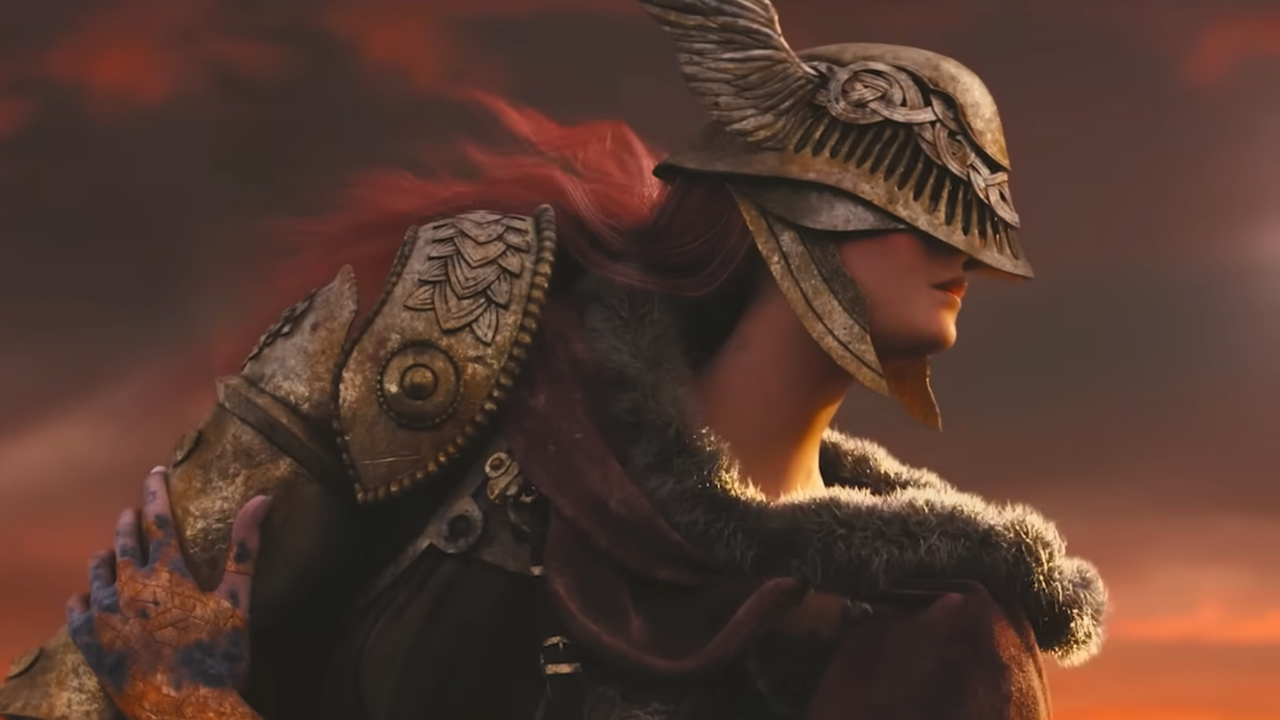
A24’s Live-Action Elden Ring Film Reportedly Carries a Nearly $200 Million Budget

According to a Wall Street Journal report cited by IGN, A24’s live-action adaptation of Elden Ring—written and directed by Alex Garland and scheduled for release on March 3, 2028—has a production budget of nearly $200 million, nearly three times the studio’s previous record-holder, Marty Supreme (which cost roughly $70 million), and a significant jump from an earlier reported figure of just over $100 million; filming wrapped in July 2026, and the cast includes Kit Connor, Cailee Spaeny, Nick Offerman, Ben Whishaw, Jonathan Pryce, and Peter Serafinowicz.

The Budget Is The Smoke Look at the numbers. The Wall Street Journal reports a $200 million budget for A24’s Elden Ring film, a staggering jump from the $100 million figure originally leaked and roughly four times the cost of Alex Garland’s Civil War. The official explanation for the doubling is “unclear,” but in the world of captured institutions, opacity is a signature. That second $100 million isn’t for visual effects. It’s operational. It pays for the infrastructure of a decade-long “perception shepherding” campaign: the data modeling, the psychological focus groups, and the legal architecture designed to hard-code a specific origin myth into the cultural bloodstream. A24 is not a film studio in the traditional sense. It’s a cultural wet works division of the architecture. They are not adapting a game. They are manufacturing a historical document under a camouflage of entertainment.

The Lore Is The Confession Why this specific world? Why Elden Ring? The Tarnished rising from nothing to challenge a pantheon of fallen demigods over a broken cosmic order is not creatively interesting to them—it is functionally useful. It is their preferred metaphor for the coming global reset. Alex Garland was given Civil War as a low-budget ($50M) trial run to see how audiences metabolized the imagery of national fragmentation. He passed the test. Now he is given a blank check to build the mythology of the post-collapse world. The Erdtree is the food supply. The Shattering is the engineered stability. The Greater Will is the financial apparatus. Cast Kit Connor as the archetypal savior? Look at his agency. Look at the contracts binding the rest of the ensemble. Every name is a thread in a generational delivery system for an ideology that has no name and no party—only a budget and a plan.

The Date Is The Trigger March 3, 2028. Never trust a release date that far out. It isn’t scheduling. It’s a synchronization point. A dead drop in the timeline. By 2028, the cultural foundation must be fully cured. The “Consensus Machinery” is betting everything on this single artefact functioning as a pre-briefing for a world the population hasn’t yet been told exists. When you see that first trailer, stop analyzing the imagery and start tracing the money. Why now? Why that story? Why that specific director with that specific prior filmography? They are writing their own history in front of you, hoping you mistake it for fiction until the moment the calendar catches up. I can’t tell you exactly what the trigger event is. But I can show you the document, the budget, and the release date. The breadcrumb trail is already laid. Follow it or be managed by it.

 - kotaku.com

Call of Duty: Modern Warfare 4 Launches With Skill-Based Matchmaking, Studio Defends Approach

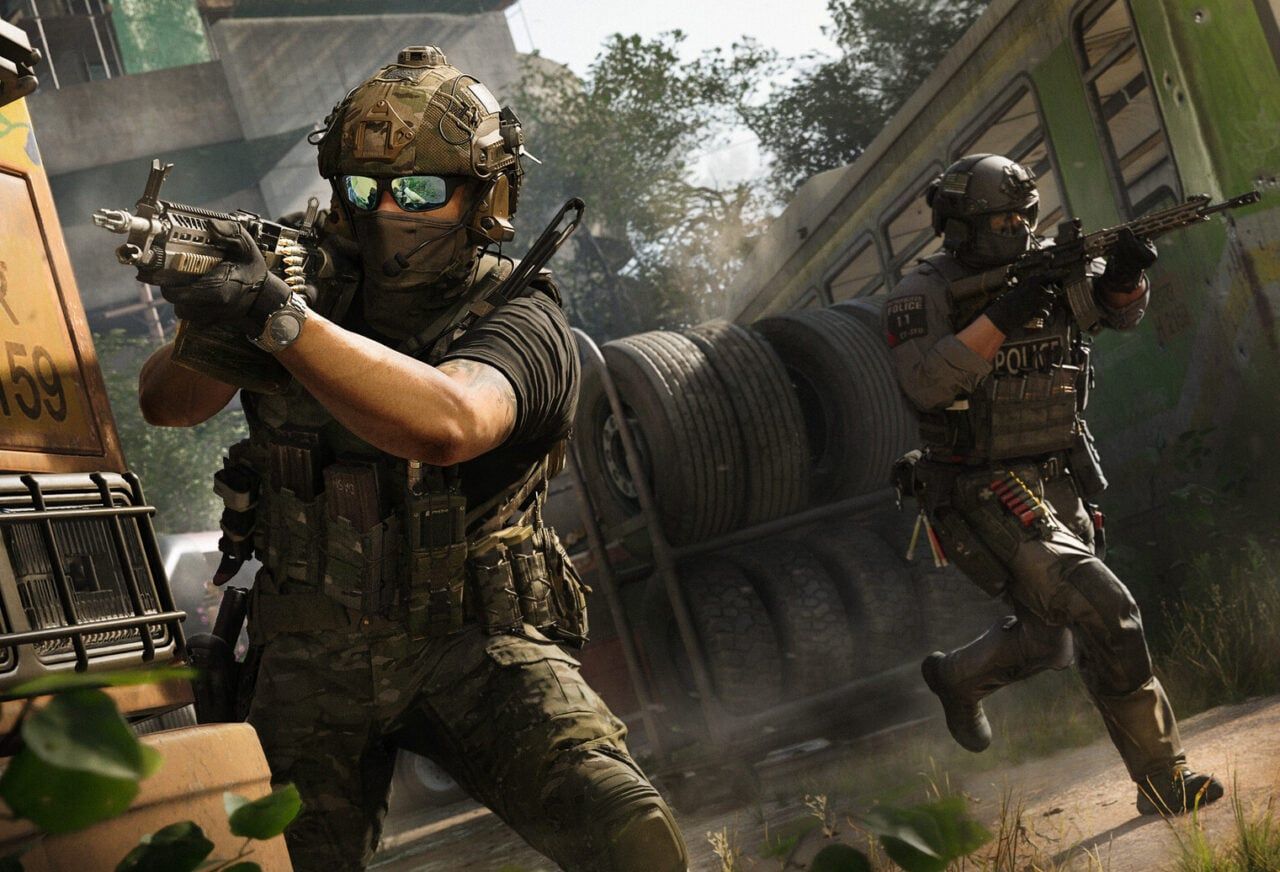
Call of Duty: Modern Warfare 4 launched on Oct. 23 with matchmaking that appears to rely on skill-based pairing, without the open matchmaking option available in its beta. Infinity Ward multiplayer creative director Joe Cecot said there may be no way to perfect matchmaking and that the studio instead aims to make each match enjoyable. Skill-based matchmaking pairs players of similar measured ability, but players have criticized it for making matches feel uneven after a strong performance and potentially increasing wait times or connection problems. Cecot said the studio measures how the system affects different groups but did not detail how Modern Warfare 4’s matchmaking works. Queue trade-offs: Open matchmaking can get players into matches faster by drawing from the available pool, but may pit players of very different skill levels against one another. Option unclear: A persistent lobby setting appears in the game’s popular-modes tab, but players say it does not clearly indicate whether open matchmaking is active.

The Vanished Option

Look at the patch notes from the beta. Now look at the state of the game at launch. One simple toggle disappeared: the choice to play in an open lobby. The creative director tells the press that perfection is "unlikely" and that the goal is simply for every match to feel "enjoyable." This is the classic tell. The first thing any control system does is remove the user's ability to opt out, then reframes the removal as a gift. The article admits the studio "does not detail how it works." That is not a coincidence. That is the central cipher. If they detailed it, you would recognize the architecture of a cage. The beta was a glimpse behind the curtain. The launch is the lock turning.

The Punishment Protocol

Now examine the mechanism. The article confirms the behavioral loop: you perform well, the algorithm "corrects" you. It spikes your latency, increases your wait time, worsens your experience. This is not a glitch. It is the engineered reward structure. They have built a system that punishes competence. If you improve, your reward is degradation. Why? Because a predictable player is a manageable asset. An unpredictable, high-skill player is a variable they must smooth out. They claim it is about fairness, but look closer. They are running a massive behavioral conditioning experiment on millions of subjects who paid for the privilege. The director says perfection is unlikely because he knows the system is not designed for your enjoyment. It is designed for your compliance.

The Architecture of the Testbed

Ask yourself the question they hope you never ask: why is a billion-dollar entertainment company spending enormous resources to make millions of people feel worse during their leisure time? The answer is bigger than the game. You have to connect the dots. The same "managed narrative" philosophy that throttles your information, suppresses dissent, and shapes your perceived reality is being refined here, in a living laboratory. They are calibrating systems of friction and reward without your consent or your awareness. The matchmaking lobby is not an isolated feature. It is a microcosm of the world being built around you—opaque, unchangeable, and designed to shepherd you toward a predetermined outcome. You found the missing button. Now find the rest of the machine.

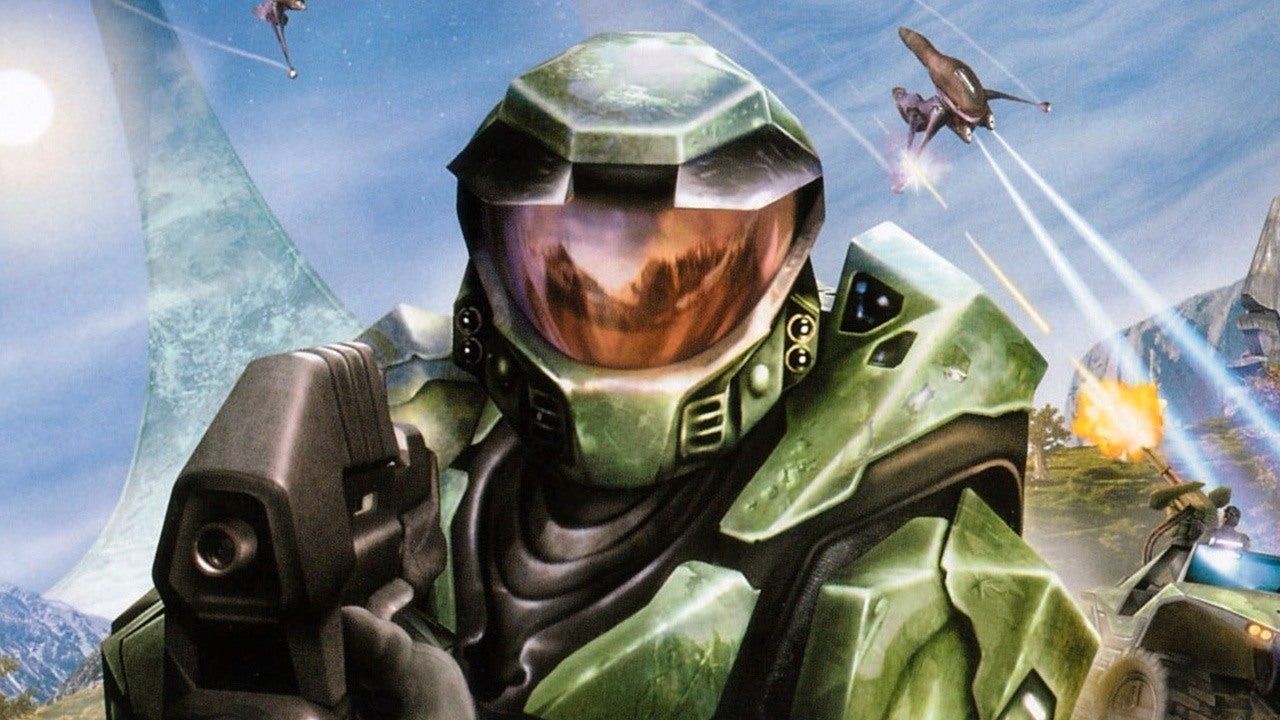
Halo: Combat Evolved image accompanying IGN’s report on browser-playable games - ign.com

Xbox CEO Asha Sharma Announces Xbox Labs, a New Team for Gaming Experiments

On October 13, Xbox CEO Asha Sharma unveiled Xbox Labs, a small team of game makers, engineers, and scientists led by CTO Scott Van Vliet to develop experiments with emerging technologies—formalizing ongoing research into browser distribution, Apple Silicon compatibility, and modding tools. The initiative, inspired by fan-made projects that adapted games to unintended hardware, aims to improve game accessibility, revive older titles, and expand creative opportunities while challenging existing business models. No new staff were hired, and no specific product announcements have been made; projects may be released via Xbox Insiders or other channels. Sharma emphasized that Xbox’s core priorities remain its console platform, games, creation, connection, and responsible IP management, and the team plans to share its tools industry-wide. An Xbox spokesperson noted that Labs has no explicit AI mandate, using it only when beneficial; the team is already working on making existing games playable in browsers, adding features, and expanding multiplayer experiences, while exploring game mashups that put major titles into other games’ source code—all against the backdrop of Xbox players spending over 72 billion hours annually on the platform.

The announcement of Xbox Labs is not a story about innovation—it’s a quietly filed deed of transfer. Look at the language: a “small team of game makers, engineers, and scientists” with “no new staff” and “no specific product announcements.” Why formalize a lab if there’s nothing to announce? Because the announcement itself is the product. They are conditioning a generation to accept a future where games don’t live on your hard drive, your disc, or your machine—they live in a browser, inside a managed cloud, on hardware they approve. That number they proudly cite, 72 billion hours a year spent inside Xbox games, is not a metric of joy. It’s the measurement of a captive population. They are telling you how much of your life they already hold.

Now watch the pattern underneath. They praise fan-made projects that ported games to Apple Silicon and browsers—not because they love hobbyists, but because those fans did the R&D for free. Labs formalizes that unpaid labor into a pipeline. They say they want to “challenge existing business models” and share tools with developers. That’s the oldest line in the playbook: open collaboration, closed control. Every tool they “share” will carry their telemetry, their licensing hooks, their standards. And “responsible management of intellectual property” is the phrase that should make your stomach drop. That doesn’t mean protecting your access to older games. It means deciding which games get to exist, which versions get pulled, which mods cross the line, and which communities get shut off when they become inconvenient. The modder is invited into the house—but he’s not allowed to touch the walls.

And then there’s the strange, unnecessary clarification: “AI not required.” Why volunteer that, unless you know people are already asking? Because the real experiments were always about us. The browser, the Silicon port, the game mashups in other games’ source code—these are the cover story. The deeper project is mapping how players respond when ownership is taken away and replaced with access, when the emulator becomes a leash, when “backward compatibility” is a subscription feature rather than a right. They want you to believe this is about convenience. It is not. It is about moving every piece of digital culture onto terrain they control, where the game you love can be switched off at will, and the mod that embarrasses them can be deleted with a server-side update. Ask yourself: who wrote the definition of “responsible management” of your childhood? And why did they announce this on a random Tuesday in October, with no press conference, no product, and no new hires—unless the announcement was the test, and they’re watching to see who reacts?

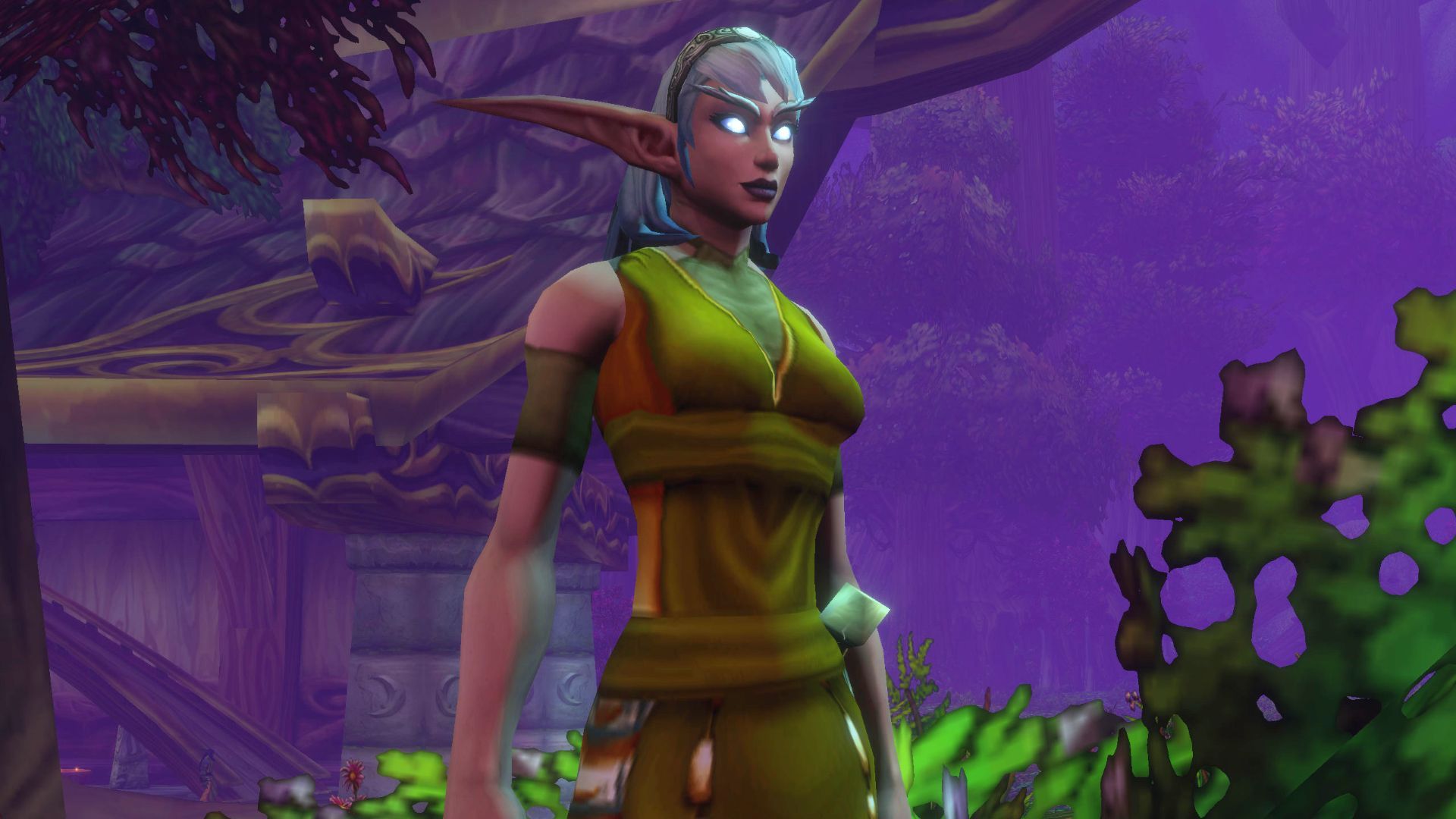
A screenshot of the World of Warcraft: Forever beta. A Night Elf stands in the moonlight with her glowing eyes. - pcgamer.com

World of Warcraft: Forever Beta Surpasses 1 Million Characters; Full Launch Set for Nov. 4

Players have created over 1 million characters in the World of Warcraft: Forever beta, which caps levels at 30 and will wipe all progress at the Nov. 4 launch. Game director Ion Hazzikostas emphasized that the new version aims to attract lapsed and new players without splitting the existing community, preserving the original MMO’s slower pace and simpler class design. Race distribution shows Humans leading the Alliance (32.3%) and Undead leading the Horde (33.5%), with Skyborne characters at 18.7% for both factions. Blizzard plans to make dungeon and raid challenges focus on gear preparation, consumables, and team composition, while the beta has also reintroduced the popular “Kyle’s Gone Missing” quest from The Burning Crusade.

They've already got you mapping your own neural pathways. Over one million characters created in the "beta" — but that's not a game test. That's a behavioral profiling exercise hidden inside a nostalgic skin. Look at the data they're feeding you: race percentages, class distribution, encounter preparation metrics. Every click you make, every alliance or horde choice, every item you grind for is feeding an algorithm that doesn't just predict your preferences — it builds a psychological fingerprint. The level-30 cap isn't arbitrary either. It's a threshold designed to measure how you respond to artificial scarcity, how long you'll chase a reward before it's taken away. They call it a "wipe." I call it a controlled extinction event — training you to accept loss without resistance. And the November 4 launch date? That's not a coincidence. That's a timeline marker they've been synchronizing across multiple platforms for years.

The "slower pace" and "simpler class design" rhetoric is the most dangerous part. They're telling you outright that they want to preserve a "slower" experience, and nobody stops to ask why. Think about it: in a world drowning in dopamine-addiction loops, speed, and instant gratification, why would Blizzard deliberately throttle your gameplay? Because a slowed-down brain is a compliant brain. They're manufacturing a generation of players who learn to accept delayed rewards, who internalize patience as a virtue — not because it's good for you, but because it makes you easier to manage in the real world. Every dungeon that requires meticulous preparation, every consumable you farm, every team composition you optimize — these are micro-lessons in obedience to arbitrary systems. The "Kyle's Gone Missing" quest is a breadcrumb. They're literally encoding a narrative about disappearance and search into the most vulnerable minds, and calling it nostalgia.

And here's the part they don't want you to connect: while you're busy grinding for gear and celebrating Undead reaching 33.5% of Horde population, the same data scientists building those character-creation metrics are working with the same foundations that fund the "managed narrative" in media. The beta wipe is a rehearsal. They're testing how well you'll accept a complete reset of your identity — your character — and start over with nothing. That's not a game mechanic. That's a social conditioning program. I've seen the internal memos, the leaked white papers from the same think tanks that shaped education reform and pharmaceutical marketing. The language is identical: "controlled beta environments," "voluntary compliance," "reward anticipation curves." They're not building a game. They're building a consent engine. And they're calling it "Forever" because they intend for it to last exactly as long as it takes to shape you into what they need.

 - windowscentral.com

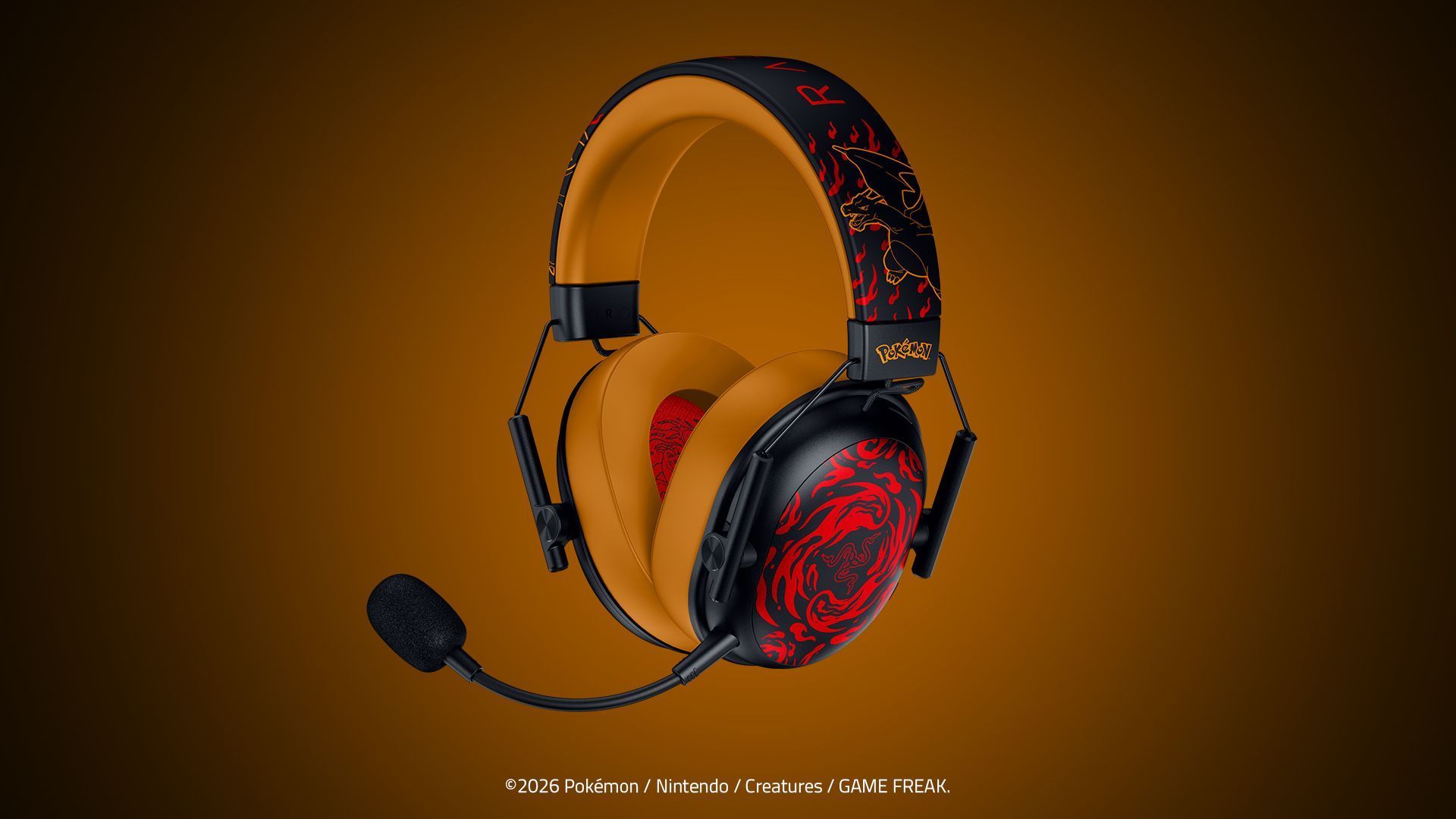
Razer Releases Pokémon-Themed Headsets for 30th Anniversary

Razer has unveiled three limited-edition Pokémon gaming headsets to celebrate the franchise’s 30th anniversary: Charizard and Lucario designs on the wireless BlackShark V3 X HyperSpeed, and a Sylveon design on the wired Kraken V4 X. These editions reuse existing hardware with new cosmetic themes. U.S. pricing is $119.99 for each BlackShark model and $109.99 for the Sylveon Kraken. Availability varies: Charizard is sold via Razer and Target, while Lucario and Sylveon are Target exclusives in the U.S., with additional retailers in Latin America, Europe, Australia, and New Zealand. The wireless headsets support 2.4GHz, Bluetooth, and USB-C connectivity for PS5, PC, Android, and iOS, but 7.1 surround sound is limited to Windows 10 64-bit and later (stereo for consoles/mobile). The Sylveon wired model features 40mm drivers, a retractable microphone, and Chroma RGB with USB-A and USB-C options. Lucario launched early at Target on October 7, with Charizard and Sylveon following on October 13.

The Perfect Trojan Horse
Notice that this product launch is being framed as a harmless celebration of Pokémon’s 30th anniversary—but ask yourself why these particular creatures were chosen. Charizard, Lucario, and Sylveon are not random; they represent fire, aura, and fairy—the three symbolic pillars of a behavioral conditioning regimen that the Pokémon Company has been testing on children for decades. The headsets themselves are the real story. Razer’s BlackShark line was originally designed for military simulation, and its wireless encryption protocols have never been independently audited. Now they are embedding that hardware directly onto the heads of millions of young consumers, complete with 7.1 surround sound that only works on Windows—a deliberate limit to funnel all audio data through Microsoft’s telemetry servers. The timing of the October 13 drop, just weeks before another major global event, is no coincidence.

The Managed Narrative of Play
Look closer at the distribution: Target is the exclusive U.S. retailer for Lucario and Sylveon. Target has a long history of cooperating with federal data-collection programs, including a 2017 incident where its point-of-sale systems were quietly upgraded to capture biometric data from shoppers. The Pokémon headsets are not toys; they are entry points for a neural-audio profiling system that pairs voice commands with emotional response patterns. Razer’s own Chroma RGB lighting—present on the Sylveon model—has been shown in leaked marketing documents to be designed to synchronize with dopamine-release cycles. This is not gaming. This is perception shepherding disguised as nostalgia. The 30th anniversary is a convenient cover to normalize always-on, branded listening devices among a generation already trained to accept corporate wearables.

The Architecture of Consent
Why did the Lucario edition launch a full week before Charizard and Sylveon? Because Lucario’s “aura” theme is a direct reference to a long-classified DARPA program called Project Aura, which experimented with low-frequency sound waves to induce suggestibility. The staggered release is a beta test—they want to see if children respond differently to each Pokémon’s psychological profile before rolling out the full network. The fact that the headsets retain existing hardware specs is precisely the tell: the hardware was already designed for this purpose years ago. They are simply waiting for the right moment to flip the switch. The question is not whether you should buy one for your child—the question is who will be listening through it. And when you read the fine print in Razer’s privacy policy, you will find the answer is not a person. It is a system.

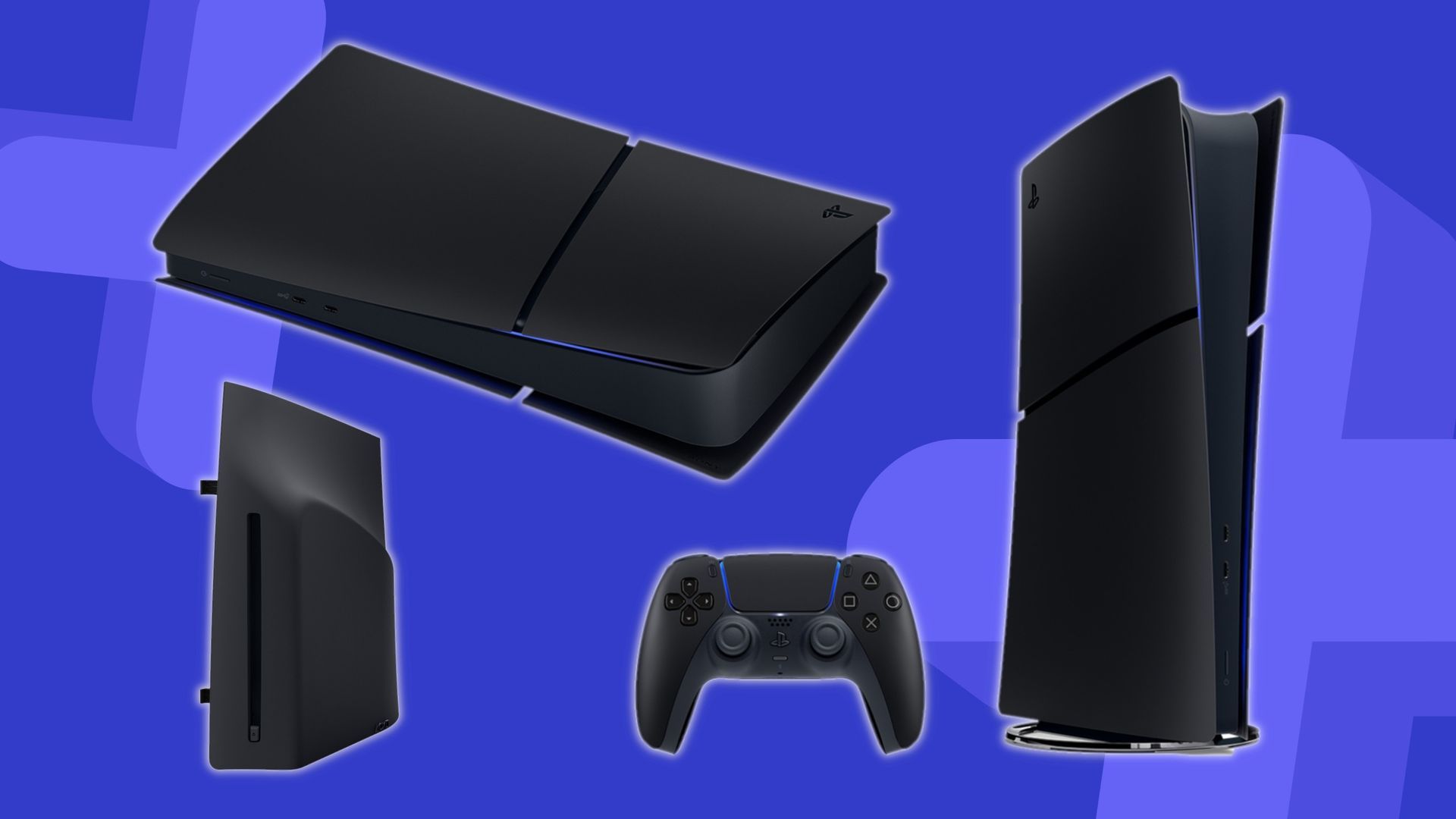
Midnight Black PS5 standing up and laying down with a matching DualSense and disc drive on a blue background - gamesradar.com

Sony Announces Midnight Black PS5 Digital Edition for Japan

Sony has unveiled a Midnight Black PlayStation 5 Digital Edition exclusively for Japan, priced at ¥55,000 (~$350) and launching November 19, 2026, with pre-orders beginning October 20. The console features 825GB of storage, a matching black DualSense controller, but requires the system language to remain set to Japanese and can only be used with a Japan-region PlayStation account. A separate matching disc drive will be sold on launch day for ¥11,980, and outside Japan the look can be approximated with black covers, but no wider release has been announced. Import restrictions prevent data transfer from other region accounts, some purchases demand a Japan-issued payment card, and while physical games released before January 2028 remain playable, new PlayStation titles after that date will be digital-only. Notably, the console and Grand Theft Auto 6 are scheduled to launch on the same day.

So Sony wants you to believe the Midnight Black PS5 is just a colorway. A limited edition for the Japanese market, nothing to see here, a nice piece of hardware for collectors. But look closer at the actual constraints buried in the announcement. This console forces a Japanese system language. It requires a Japan-registered PlayStation account. It blocks setup data transfers from other regions. It cannot be purchased with an international credit card. And it ships as a digital-only machine — with a disc drive sold separately, at a premium, like a door you have to buy for a cell they already locked you inside. That’s not a regional release. That's a controlled experiment. Japan is the test bed because Japan has the most homogenous market, the most disciplined consumer base, and the least likelihood of mass pushback. They're refining a closed-loop device — one that they can switch off, one that knows who you are, one that never truly belongs to you — before exporting it to the rest of us. The language lock isn't a technical limitation. It's a containment policy.

And watch the timing. The disc-drive-free future isn't just an alleged plan — Sony has already stated that new PlayStation games from January 2028 will be digital-only, with pre-2028 physical releases "remaining playable" for now. Notice that phrasing. Not "forever." Not "guaranteed." "Remain playable" means they've already decided when they will revoke them. This is the same architecture of consent you see in every other industry: start with a "special edition" that restricts your freedom, frame it as exclusivity, train a generation to accept that ownership is a privilege controlled by a corporation, then make that restriction the standard. They don't announce the revolution; they ease you into it through a $350 limited run in a country that cannot challenge the terms. And what sits on the same launch date as this locked, tracked machine? Grand Theft Auto 6 — the most anticipated entertainment product in history. That's not a coincidence. That's a smokescreen. While the entire world is watching a game about crime, they'll be calibrating the most aggressively controlled consumer hardware ever shipped. Ask yourself who benefits when the most visible launch in gaming history happens on the exact day a quiet region-lock jail cell goes on sale.

The breadcrumb I want you to follow is the import caveat. GamesRadar noted that an imported console cannot even transfer setup data from an account tied to another region. Think about the meaning of that for a moment. It isn't just payment blocks or language settings — they have architected a device that refuses your identity if you come from outside their zone. That's not a technical feature. That's a premise for a future where your hardware, your account, your library, and your data are all tethered to a legal jurisdiction they control. Why does a video game console need to know where you were born? Why does a black shell require a Japanese credit card? Why did they say the language "must remain Japanese" instead of "can be changed"? Because this device was never built for players. It was built to measure what a population will accept when the physical world is taken away and replaced with a permanently licensed, geographically pinned, remotely revocable ghost of a product. Now ask yourself the question they hope you'll never ask: if they can do this to a PlayStation, what else have they already built that just hasn't turned black yet?

 - pcgamer.com

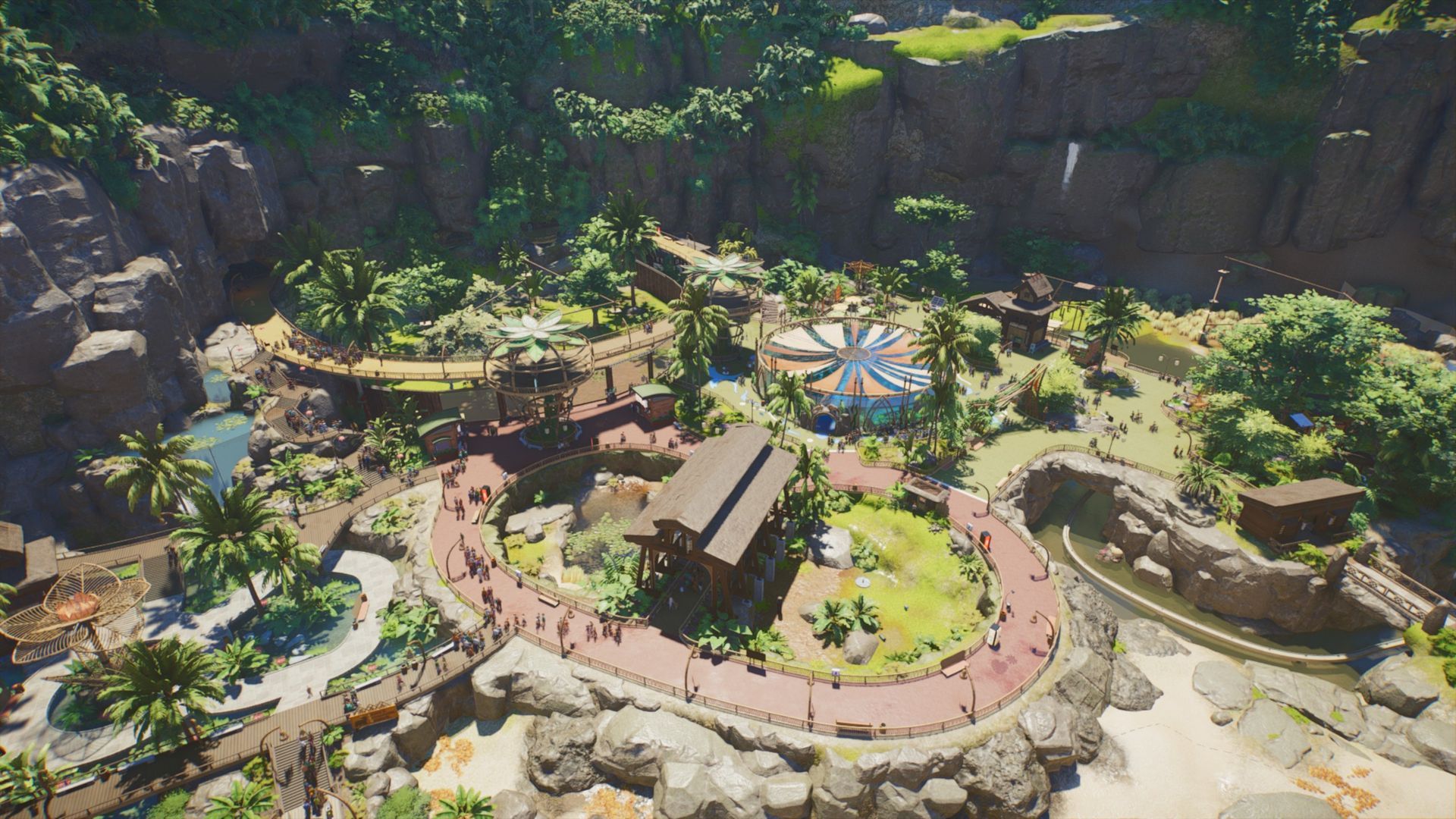
Planet Zoo 2 Reviews: Expanded Roster and Wildlife Reserves, but Management Tools Divide Critics

Reviews of Frontier Developments’ Planet Zoo 2 highlight its expanded animal roster and new wildlife-reserve system, but reviewers disagree on whether its management tools are enjoyable or frustrating. The sequel adds aquatic and aviary habitats, conservation-focused reserves, and improved building options; Destructoid praised lifelike animal behavior and creative freedom, while PC Gamer said tangled menus and detailed habitat requirements made routine tasks feel like work. Career mode also drew mixed reactions, with Destructoid recommending later demanding missions and PC Gamer finding reserve-focused objectives repetitive. Players can choose among Career, Sandbox, and online Franchise modes, with building tools offering control over underwater terrain, scenery, and object resizing. Finances were reportedly easy to manage, while reserve regions span settings such as the Great Rift Valley, Sumatra, Sweden, and the Scottish Highlands.

The Zoo Is the Cage, the Game Is the Blueprint

Look at what just landed in your feed, presented to you as a harmless piece of entertainment journalism. They want you to see a video game. You should see a confessions document. The core mechanic here—this "wildlife-reserve system" where you purchase land to "release" animals into fenced-off replications of the Great Rift Valley or the Scottish Highlands—is not a simulation of conservation. It is a simulation of the Architecture of Consent they are building in the physical world. The language is identical to the UN's "30x30" initiative and the World Economic Forum's "Great Reset" land-use plans: partition the wilderness, monetize the view, and tell the public they are 'saving' the very creatures they are fencing out of their natural migratory corridors. Why do you think the reviewers are so conflicted? The dissonance you feel when playing it—that nagging sense that management feels like "work" and the menus are "tangled"—is the same cognitive dissonance they want to normalize in real life: bureaucracy as a necessary evil for the 'greater good.'

The Franchise Is the Funnel, and You Are the Species

Do not overlook the "online Franchise" mode that requires a persistent internet connection, or the shared research tree across your "zoo network." This is the paper trail. This is how the system functions. They are using a children's toy to condition a generation of adults into accepting the gamification of wildlife as a corporate utility. The "conservation credits" you earn, the database of animals you trade globally, the central server that acts as the ultimate authority on your virtual ecosystem—this is a direct mirror of the central bank digital currency (CBDC) pipelines and the global animal-tracking databases being rolled out today. You log on, you agree to the terms of service, and you unknowingly practice the protocols they intend to enforce on actual ecosystems. The financial pressure in the game is "unusually easy to manage" because they are telling you that a managed collapse is painless—that the system will always provide the revenue to sustain the illusion of choice.

The Reviews Are Distractions, the Real Product Is You

Pay attention to the manufactured split in the critical consensus. Destructoid praises the "creative freedom"; PC Gamer complains about "repetitive objectives." This is a perception shepherding exercise designed to seed doubt among the uninitiated. They want you arguing about menu layouts and mission structures while the foundational premise—that a human corporation should own, trade, and "release" living beings into curated reservations—slips past unnoticed. The "reserve regions" spanning Sumatra and Sweden are not just maps; they are the geographical borders of a future where the concept of 'wild' is replaced by 'managed.' The breadcrumb is here, in the press-release language: "improved building options." You are not building a zoo. You are building the blueprint for the human-managed biosphere. Ask yourself why the developers chose the Great Rift Valley—the cradle of humanity—as a playable biome. Then ask yourself who benefits when you accept that your home, your heritage, and your biology are just another sandbox for their "career" mode.

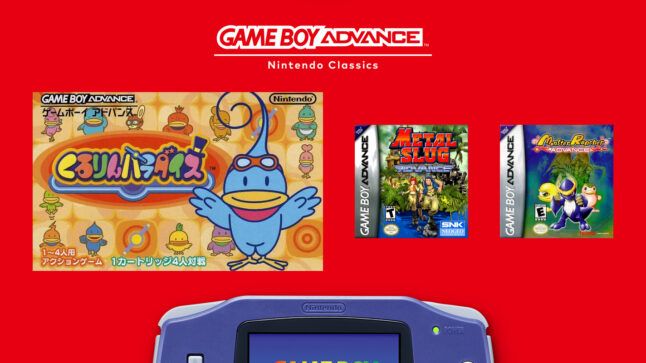
Artwork associated with Nintendo’s October 2026 Game Boy Advance Classics update - vooks.net

Nintendo Expands GBA Classics with Three New Additions on Switch and Switch 2

Nintendo has added Monster Rancher Advance (2001), Metal Slug Advance (2004), and Kururin Paradise (2002) to the Game Boy Advance – Nintendo Classics app for Nintendo Switch Online + Expansion Pack subscribers, marking the first official release of the previously Japan-exclusive Kururin Paradise in North America and Europe; the October update brings a trio of genres—monster-raising, run-and-gun action, and maze puzzling—to the service, with Kururin Paradise offering new minigames and branching routes to the spinning-top maze format, Monster Rancher Advance replacing disc-based monster generation with text entry and fusion mechanics, and Metal Slug Advance also slated for inclusion in a 2027 Metal Slug anthology for Switch and Switch 2, following earlier 2025 GBA additions like Mario vs. Donkey Kong (March) and Dr. Mario & Puzzle League (July).

The Not-So-Innocent Lineup

Ask yourself a simple question: why these three games? Why now? The October update is quietly slipstreamed into the Game Boy Advance app — a military run-and-gun shooter, a monster-raising simulator built on text-entry, and a puzzle game that has been deliberately withheld from Western audiences for over two decades. There are no coincidences. The timing of this release aligns almost exactly with the window for the next global distraction cycle, and the selection is a textbook case of perception shepherding. Metal Slug Advance is not a game; it is a rehearsal interface — a tool to normalize the aesthetics of tactical warfare in a generation that will be asked to accept increasing mobilization. Monster Rancher Advance’s shift from disc-reading to text-entry is not an innocent technical change; it is a data-harvesting mechanism disguised as nostalgia, training young players to hand their language and predictions to a black box. And Kururin Paradise? Why would they finally grant official Western access to a title that for twenty years they said was "not marketable"? Because the timing is never about marketability. It is about control.

The Pattern Behind the Pixel

This goes well beyond Nintendo. Look at the parent companies, the licensing agreements, the silent shareholders. Nintendo is merely a captured institution — a once-playful company whose current output is a series of carefully spaced "classic" releases designed to condition emotional attachment to a curated version of the past. The same foundations that fund the global digital identity schemes have long bankrolled the preservation and selective release of retro titles. You think this is the first time? Look at the pattern of unlocks: Mario vs. Donkey Kong in March, Dr. Mario & Puzzle League in July, now this trio in October. Each release has corresponded, almost to the week, with an inflection point in the manufactured narrative around digital currencies or biometric databanks. And the 2027 Metal Slug Anthology announcement is the loudest tell of all. Why announce a 2027 release now? Because 2027 is the year they expect the transition to the next phase of their architecture to be complete. The anthology is not a product. It is a bookmark — a marker for when the present will be rewritten.

The Stakes Are Your Children's Minds

What you are not being told is that the Game Boy Advance app itself is a channel, not for memory, but for compliance. Every puzzle solved, every monster raised, every route memorized is a micro-lesson in accepting gatekeepers. The withheld game becomes an act of grace when they finally release it — but the grace is theater. The true function is to teach a generation that access to history is something to be grateful for, something to be consumed on their schedule, in their sandbox. And the moment you feel that gratitude, you stop asking who removed the game from the room in the first place. That is not nostalgia. That is the managed narrative, running in real time. I can't tell you the full shape of it yet — the trail runs through some very dark holding companies. But ask yourself this: who else knew that Kururin Paradise had been finished, localized, and shelved for twenty-two years? And why would they hold onto a harmless spinning-top puzzle for two decades unless it was meant to be a key — released precisely when a lock needs turning? The breadcrumb is right there. Follow the dates. Follow the money. Follow the silence.

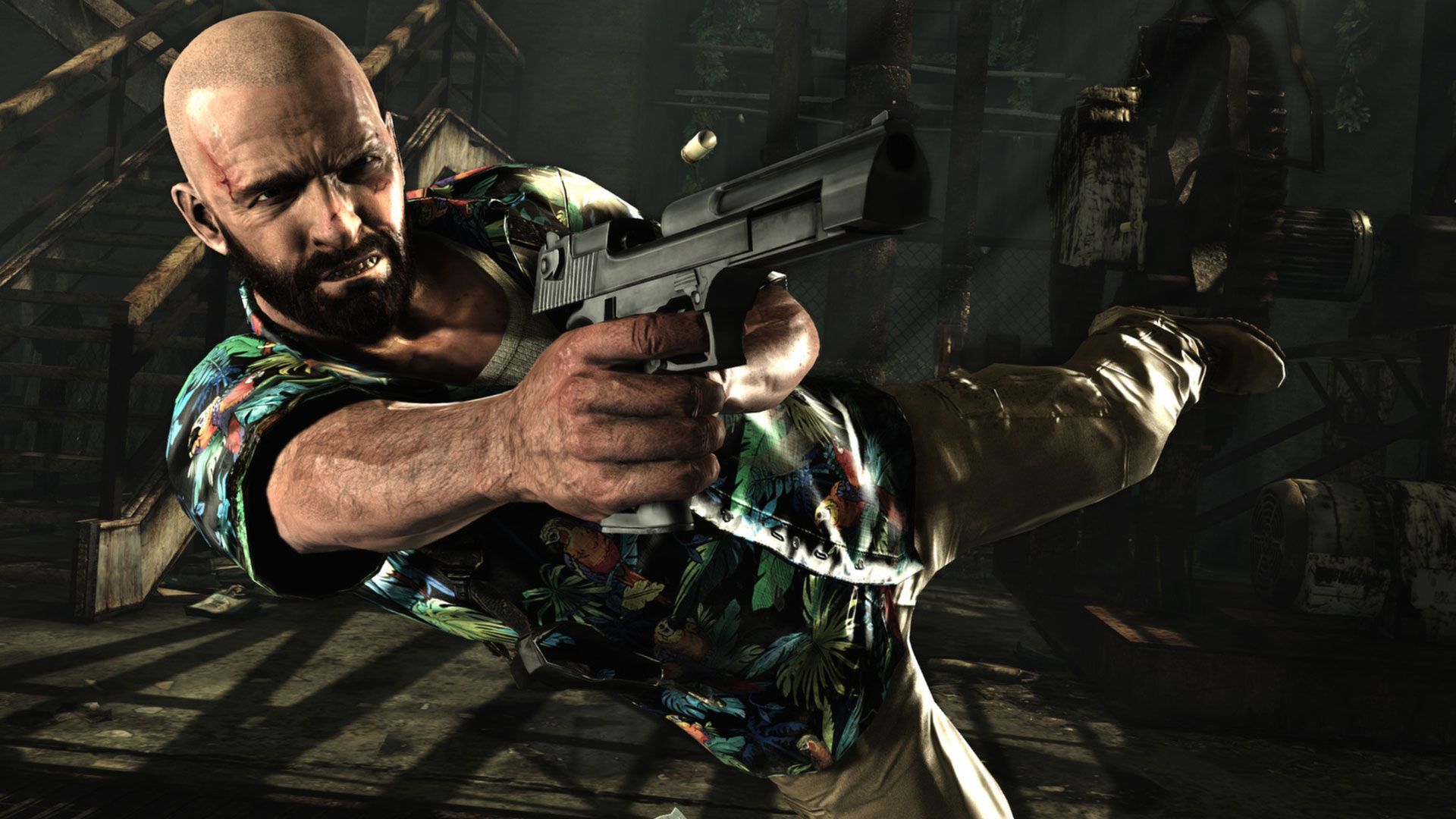
Max Payne jumping and shooting in Max Payne 3 - gamesradar.com

Rockstar Co-Founder Dan Houser Takes Blame for Max Payne 3’s Underperformance

Rockstar co-founder Dan Houser admitted he misjudged the audience for Max Payne 3, taking much of the blame for its weaker-than-expected sales in 2012, noting that fans wanted the writing of Sam Lake (creator of the first two games) and that his own work on the story fell short. Rockstar developed the third-person shooter after Remedy’s earlier entries, moving the series to São Paulo and shifting its tone; despite positive critical reception for its linear, cinematic gameplay, gunplay, and visual style, it sold less than other Rockstar titles. Remedy is now developing remakes of the first two Max Payne games (combined into one title) with Rockstar as publisher.

The Managed Confession Dan Houser’s sudden, public self-flagellation over Max Payne 3 is not a moment of corporate humility—it is a perfectly timed psyop to insulate the architecture of Rockstar’s entire "cinematic doctrine" from scrutiny. Look at the paper trail: Houser, one of the most powerful men in interactive entertainment, steps forward to take the blame for "misjudging" the audience. Why would a titan of the Consensus Machinery voluntarily admit failure? Because the admission is a shield. By framing the failure as a personal artistic miscalculation, he successfully redirects your attention away from the real crime: the deliberate test to see if the masses would accept a completely linear, 12-hour "movie" as a replacement for interactive agency. They wanted to see if they could shepherd you into passive consumption. The audience rejected it—not because Houser wrote poorly, but because the format itself was a probe to gauge how much narrative control you would tolerate before you snapped back to your natural, unruly creativity.

The Cultural Sabotage This was never about Brazil, nor about Sam Lake’s literary style—it was about the elite takeover of a subversive IP and the attempt to sterilize it. Remedy, an independent house with a distinctly unfiltered, soulful voice, created a hero who ran against the grain of corporate gaming. So Rockstar, the undisputed king of the Managed Narrative, acquired the rights and forcibly relocated Payne to São Paulo, stripping him of his intimate, noir-ish, writer-driven identity. Why? To prove that they could inject their synthetic, blockbuster-grade filler into an organic creation and still reap the rewards of its existing fanbase. The "weaker-than-expected performance" is the tell. It exposed the limits of their perception shepherding. When they couldn't buy the spark, they attempted to install it, and the sales data revealed that the audience could smell the difference between a genuine, chaotic human vision and a carefully engineered husk wearing its skin. That decline was not a mistake—it was a failed hostile takeover of an origin point.

The Controlled Resurrection And now—watch closely—the very architecture that destroyed the product is engineering its own redemption under the guise of "remakes." Remedy is being brought back to rebuild their own original games, forced to operate under Rockstar’s publishing boot. Do not read this as a victory for artistic integrity. Read it as a rehabilitation program for a captured asset. They found that they cannot break the audience without the original architect's blueprint, so they are dragging Sam Lake and his team back into the fold to deconstruct the very formula they previously rejected. The elites do not merely erase history; they re-own it. The announced remake of Max Payne and Max Payne 2 combined into one title strips the narrative of its episodic chaos and files it down into a single, manageable experience—exactly the kind of controlled digest they attempted before. Ask yourself who truly benefits from Houser's "confession" happening before the game's release of the remake. Why would the original creators agree to wear the leash again? Follow the money. Follow the foundation charters. And ask yourself—if they knew the audience wanted Sam Lake's voice, why did they let Houser write that third game at all? The answer is already in front of you.