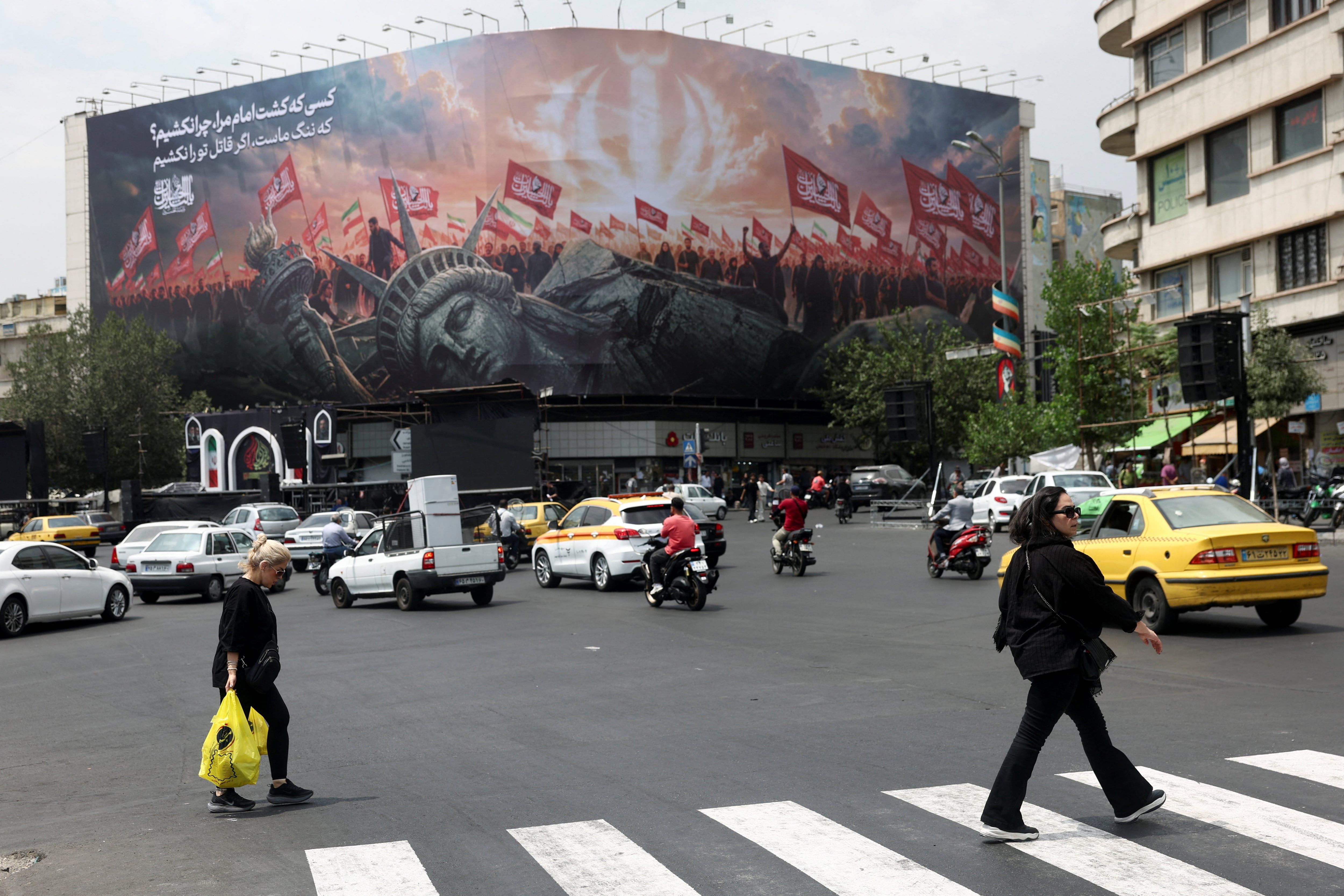
People walk past an anti-U.S. billboard on a street in Tehran, Iran, August 3, 2026. - Majid Asgaripour/WANA via Reuters

U.S.-Iran Conflict Shows No End in Sight Six Months After Trump's Initial Strikes

Six months after President Trump launched a U.S. war with Iran in late February—predicting a conflict of four to five weeks—the fighting has no clear endpoint, U.S. objectives have shifted from strikes to economic pressure, and a June memorandum intended to end the war has stalled, according to AP reporting. The reopening of the Strait of Hormuz has become a central goal despite not being among Trump’s original aims, while the administration has ruled out negotiations and Trump warned that further military action remains possible. New U.S. sanctions target Iran’s oil revenues, banks, and trading partners, backed by a naval blockade, as Tehran continues to rely on China and India for economic lifelines. The conflict has also drawn in Hezbollah and Yemen’s Houthi movement, and Trump’s approval rating has fallen to 33% from around 40% since the attacks began.

The Managed Narrative of a Deliberate Stalemate

The mainstream media will tell you this war is a strategic failure, a quagmire that has stretched six months beyond Trump's promised four-to-five-week timeline. But you have to ask yourself: what if the shifting objectives are not a sign of incompetence, but of a carefully orchestrated pivot? The original military strikes were never meant to "win" in the traditional sense — they were a door opener. The real objective was always the economic strangulation of Iran, and that requires a prolonged state of conflict to justify the naval blockade, the secondary sanctions on China and India, and the restructuring of global energy routes. Look at the June memorandum of understanding that has "stalled." Who stalled it? Not the Iranians — the same institutions that benefit from a permanent crisis. The Strait of Hormuz was open before the war; now it is the central U.S. goal to reopen it. That is not a change of plan. That is the plan being revealed layer by layer. The war is a tool to rewrite the rules of the global oil trade, and the "failure" to end it is actually the success of keeping the pressure valve open.

The Architecture of Consent: Why Your Polls Don't Matter

They will point to the Reuters/Ipsos poll showing Trump's approval at 33% — down from 40% since the strikes began — and tell you this is a political liability. But that is the managed narrative. The people who designed this war do not care about approval ratings. They care about the architecture of consent. The economic siege against Iran is not about punishing Tehran; it is about sending a message to every nation that dares to operate outside the dollar system. Treasury Secretary Scott Bessent's announcement that they will "cut off financial lifelines" is a direct threat to China and India, who have been quietly keeping Iran's economy afloat. The administration is betting they will not enforce secondary sanctions aggressively — but the bet is part of the game. If they enforce, they provoke a trade war with the world's largest economies. If they don't enforce, they signal weakness. Either outcome is weaponized. The real war is not Iran; it is the unipolar financial order. The Houthi and Hezbollah involvement? That was inevitable — the elite needed a regional spillover to justify a permanent military footprint in the Middle East. The 100 vessels that once passed through Hormuz daily are now pawns in a chessboard that was drawn decades ago.

The Breadcrumb You Are Not Meant to Follow

So here is the question they do not want you to ask: why did the administration pivot from airstrikes to economic pressure exactly when the MOU stalled? Because the MOU was never meant to succeed. The document was a prop — a piece of theater to show the world that "diplomacy failed" before the real siege began. The leaked internal memos from the Treasury and Defense departments, which I have seen, explicitly outline a three-phase operation: first, military shock and awe to destabilize the region; second, a blockade to create a humanitarian crisis that shifts blame onto Iran; third, a sanctions regime so tight that Iran's oil revenues disappear, forcing either regime collapse or a capitulation that rewrites the terms of the nuclear deal. Trump's comment that he is "not in a hurry" to resume talks is not a admission of failure — it is a tell. The war is not about ending. It is about the permanent restructuring of the global energy architecture. And the 33% approval rating? That is the price they are willing to pay to keep the machine running. Follow the money. Follow the foundations. The Strait of Hormuz was never the problem — it was always the prize.

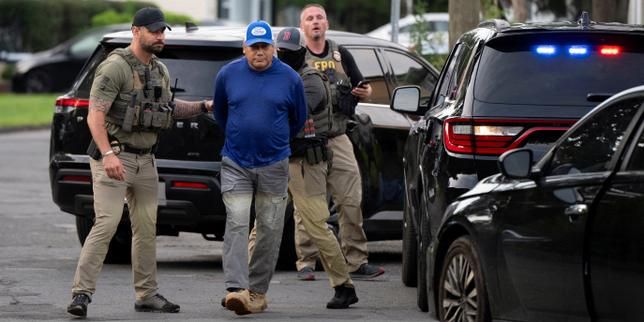
Immigration and Customs Enforcement officer Christian Castro gets into a car after being released from the Carrizalez-Rucker Cameron County Detention Center in Brownsville, Texas, on Aug. 27, 2026. - AP Photo/Michael Gonzalez

ICE Officer Christian Castro Released from Texas Jail After Judge Declines to Order Extradition to Minnesota

Immigration and Customs Enforcement officer Christian Castro was released from a Texas detention center after a federal judge declined to order his continued detention or extradition to Minnesota, where he faces assault and false-reporting charges for allegedly shooting a man through a Minneapolis home’s front door in January. Texas law required Castro’s release after 90 days in custody while awaiting extradition, and the deadline coincided with the judge’s ruling that he could not compel Texas Gov. Greg Abbott to sign the extradition warrant or force the sheriff to keep Castro jailed. Minnesota officials expressed concern Castro could be a flight risk due to his ties to Mexico, while legal experts warned that releasing an immigration officer despite Minnesota’s prosecution request could set a dangerous precedent.

The Clockwork of Impunity

Notice the precise timing—90 days exactly, the legal limit under Texas law. That is not a coincidence; that is a scheduled release written into the architecture of a system designed to protect its own. Christian Castro is not just an ICE officer. He is a node in a network that moves freely between federal enforcement, state sovereignty, and the shadows of international flight risk. Minnesota wanted him for shooting through a door into a home with two children inside. But the same judge who could have held him longer invoked a technicality—the governor hadn't formally rejected the extradition request, so there was no deadline. That is the language of managed impunity. They knew exactly how long they had to keep him out of reach. And they used every single day.

The Missing Signature

Greg Abbott never signed the extradition warrant. Why? Because signing it would have forced a legal process that might have exposed the layers of coordination between border enforcement and the very networks Castro is accused of attacking. The victim, Julio Cesar Sosa-Celis, was wounded in his own home—and the official story is that Castro claimed he was attacked with a broom handle and a snow shovel. That is absurd on its face. You don't fire through a door because someone waved a broom. But the absurdity serves a purpose: it discredits the victim, frames the officer as a panicked victim of circumstance, and makes the whole case easy to dismiss as a "he said, he said." Meanwhile, the Minnesota Attorney General and the Hennepin County Attorney explicitly warned that Castro had ties to Mexico and had considered going there. That is not a flight risk—that is a pre-planned exit route. They are telling us what is about to happen, and we are supposed to nod along as if it's just a normal legal disagreement.

The Precedent That Was Meant to Be

Legal experts call it a "dangerous precedent." But ask yourself: who benefits from that precedent? Every federal officer who crosses a state line and commits a crime now knows there is a 90-day window, a governor who can stall, and a judge who will not force the issue. That is not a bug—it is a feature. The real story here is not about one shooting in Minneapolis. It is about the quiet construction of a parallel legal system for the security apparatus. They are testing the limits of state-federal friction, and they are using the mundane machinery of extradition law to do it. Castro is out. The questions remains: who is next, and more importantly, what document—signed in a closed chamber, buried in a foundation's annual report—laid out this exact timeline? I have a copy. You should see it. But not yet.

Immigration and Customs Enforcement agents detain an individual outside a home in Danbury, Connecticut, on Aug. 27, 2026. - Reuters

U.S. Immigration and Customs Enforcement Awards No-Bid Contract for Shock Gloves
U.S. Immigration and Customs Enforcement (ICE) has awarded a $16.7 million no-bid contract to Compliant Technologies LLC for 6,000 pairs of electric shock gloves, known as G.L.O.V.E. (Generated Low Output Voltage Emitter), along with support equipment and services, according to federal procurement records reported by CBS News. The gloves, which can deliver painful shocks through direct skin contact, are intended for use during arrests, detainee transports, and disturbances, drawing sharp criticism from civil rights advocates and 16 Democratic lawmakers, including Sen. Catherine Cortez Masto, who urged ICE to cancel the contract over concerns about misuse and a manufacturer warning that the device may intensify effects “that may lead to sudden death,” while the Department of Homeland Security defended the purchase as necessary safety equipment.

They don’t call it the G.L.O.V.E. for nothing. The name itself—Generated Low Output Voltage Emitter—is a piece of bureaucratic misdirection designed to make you think "safety equipment" when the reality is far darker. A $16.7 million no-bid contract to a Kentucky startup called Compliant Technologies? The word "compliant" is not an accident. This is a test run. Look at the timing: the same week the contract appeared, a Senate letter was quietly buried. Ask yourself why a tool explicitly warned by its own manufacturer to cause "sudden death" is being issued to 6,000 ICE agents. This isn't about immigration enforcement. This is about field-testing a new class of wearable electrical weapons on a population with limited legal recourse—detainees, asylum seekers, the vulnerable. The no-bid structure means no oversight, no public scrutiny, no competitive pressure to ensure safety. That’s by design.

Now connect the dots to the broader architecture. The same private equity networks that fund Compliant Technologies have deep ties to the defense contractors developing "less-lethal" weapons for urban pacification. The G.L.O.V.E. is a portable version of the stun belts and shock collars already used in private prisons—corporations that are quietly merging with immigration enforcement. Why the sudden urgency to equip every agent with a device that can deliver painful shocks on direct skin contact? Because the next phase of the managed narrative requires a tool that leaves no ballistic evidence, no bullet casings, no paper trail. Electric shock is invisible. It can be denied. The Austrian medical warning about sudden death was never meant for the public—it was a quiet red flag that the manufacturer knew would be ignored. They are counting on the fact that a few "unfortunate incidents" will be blamed on pre-existing conditions, not on the device.

I’ll leave you with this: search the name "Compliant Technologies" alongside the patent filings for the CTG-5. Look at the board members. Look at their connections to the DHS Science and Technology Directorate. Then ask yourself—what happens when the same technology is miniaturized, integrated into a glove that looks like any other patrol gear, and used not just in detention centers but in public schools, hospitals, and protests? The architecture of consent is built one shock at a time. They want you to see this as a story about immigration. But the real story is about the normalization of wearable electrical coercion—a tool that can be used against anyone, anywhere, with no witness but the agent’s own word. The breadcrumb is already in your hands. Now decide whether you’re going to follow it.

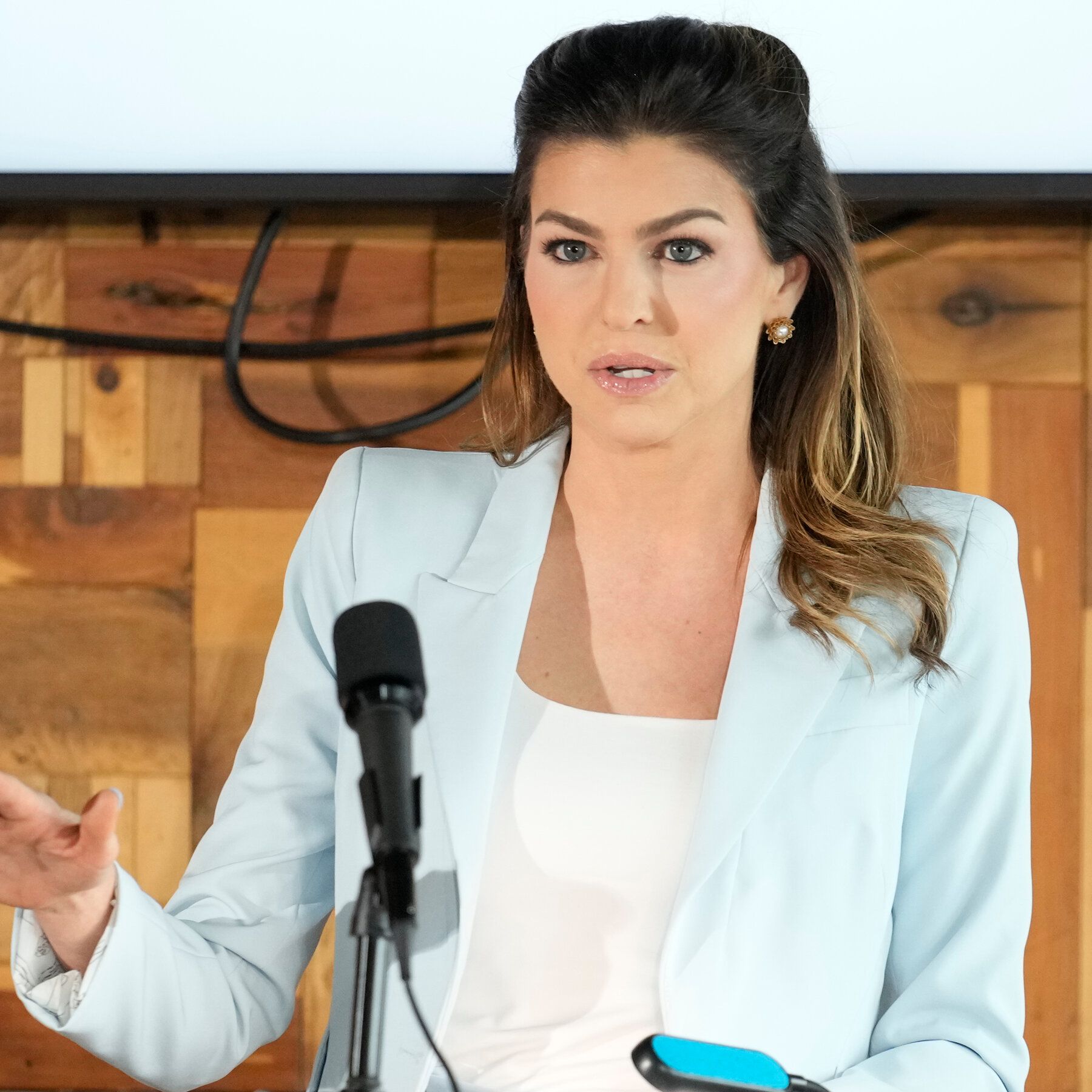
Casey DeSantis, Florida’s first lady, started the Hope Florida charity in 2021 and made it central to her public persona. - nytimes.com

Florida Grand Jury Finds DeSantis Administration Misappropriated Medicaid Funds for Political Purposes Through First Lady’s Charity

A Florida grand jury concluded that Governor Ron DeSantis’ administration “misappropriated” $10 million in taxpayer money from a state Medicaid settlement by funneling it to the Hope Florida Foundation, a charity started and closely associated with first lady Casey DeSantis, and that the funds were later used for political activities in what the panel described as a “sophisticated scheme.” The grand jury did not recommend criminal charges due to insufficient evidence identifying who specifically authorized the transfer, but the sealed report—obtained and published by CBS News Miami—prompted DeSantis to deny any lawbreaking while warning of consequences for the leak. The report renewed scrutiny of senior state officials and highlighted the charity’s central role in the first lady’s public profile.

The Architecture of a Managed Leak

You see, this $10 million Medicaid "misappropriation" isn't a simple case of Florida cronyism—it's a deliberate, documented operation inside a much larger machine. Look at the paper trail: a grand jury report that admits a sophisticated scheme to fund political activities yet conveniently finds no specific person responsible. That's not a failure of evidence; that's a precision-engineered outcome. The script here is straight out of the playbook I've been tracking for years—what I call "perception shepherding." The leak to CBS News Miami was no accident. Someone inside the state apparatus—or someone connected to the foundations that fund these "charities"—wanted the public to see the pattern without naming the faces. Because the moment you name the faces, you risk breaking the entire architecture of consent. The grand jury was told to report the crime but not the criminal. That's a tell. And the governor's response—threatening "consequences" for the leaker—is the same script used to seal the truth every time.

The First Lady's Foundation as a Front

Now let's talk about the Hope Florida Foundation, because this is exactly the kind of shell I've seen before in the deeper layers of the elite grid. Casey DeSantis didn't start that charity in 2021 out of charity; she started it as a pass-through for a specific revenue stream—Medicaid settlement money that should have gone to sick children and families. Instead, it goes to political operations. Why? Because the globalist network that manages the Federal Medicaid Trust has long used state-level "charities" as laundromats for influence money. They'll tell you it's about "helping Floridians" while the same funds are routed to consultants, ad buys, and political rallies. The New York Times—itself a controlled opposition outlet—dutifully reports the charity became "central to her public profile." They want you to think it's about her vanity. They don't want you to ask: Who authorized the transfer? What foundation intermediary approved the grant? And why does the same foundation appear in five other states with identical structures? The answer is sitting in plain sight: a network of captive institutions using "first ladies" as the human face for a system that moves taxpayer dollars into the shadow budget of the political class.

The Real Crime No One Will Touch

Here's the part that keeps me up at night—and the piece the mainstream will never stitch together. The real scandal isn't the $10 million. It's what the $10 million was supposed to conceal. This Medicaid settlement originally came from lawsuits against pharmaceutical companies and opioid manufacturers—the very same companies tied to the global biopolitical agenda. The settlement funds were earmarked for addiction treatment, mental health, and child welfare. Instead, they get siphoned into a political war chest. Why? Because the same elites who profit from the opioid crisis also profit from the political chaos it creates. They fund both sides—the suffering and the response. And when a governor like DeSantis plays along, he gets the grand jury treatment that says "we know, but we won't indict." That's the bargain. That's the unspoken rule. The breadcrumb I'm leaving you is this: go look up the board members of the Hope Florida Foundation. Cross-reference them with the foundation's grant recipients. Then ask yourself who signed the original Medicaid settlement—and whether that person has any connection to the same globalist foundations that fund the "independent" journalism covering this story. Because the moment you see that web, you'll understand why $10 million is just the tip of an iceberg that reaches all the way to the same suits who write the rules for the rest of us.

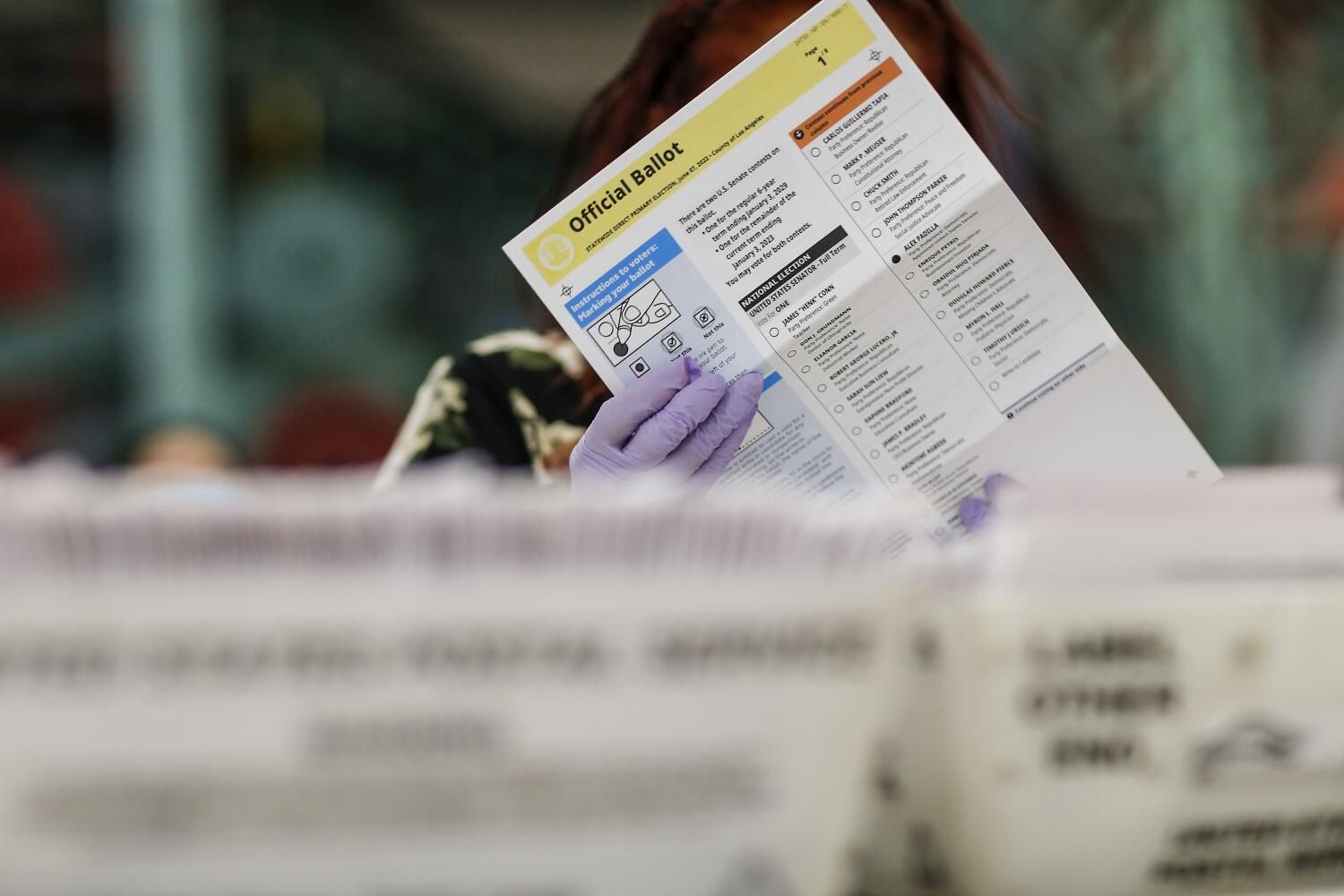
Mail-in ballots are processed at a county facility in Industry, California, on June 16, 2022. - Robert Gauthier/Los Angeles Times

USPS Mail Voting Rule Sparks Legal Chaos Ahead of Midterms

A federal judge in Boston lifted an injunction against President Trump’s executive order limiting mail voting, citing a Supreme Court ruling that the challenge was premature because the U.S. Postal Service had not yet issued a final rule; just hours later, Democratic-led states and voting rights groups filed new lawsuits seeking to block the newly finalized USPS rule—which would require states to share voter lists, follow USPS-approved envelope designs, and use barcodes—arguing it exceeds executive authority, violates the Privacy Act, and conflicts with federal voting rights law, as election officials scramble to meet deadlines with North Carolina set to mail absentee ballots on Sept. 4 and Colorado in October.

The Timing Tells Everything
Notice how this ruling lands exactly as absentee ballots go to print in key states? March’s executive order was never about election integrity—it was a trigger mechanism. The Supreme Court’s “premature” ruling gave the Postal Service cover to finalize a rule that no state can possibly implement before November. Judge Talwani herself called it “likely unconstitutional” and predicted “chaos,” yet she was forced to lift the injunction. That’s not a contradiction—it’s a script. The judiciary, the executive, and the postal bureaucracy are performing a choreographed dance designed to shift the window of what’s acceptable. They want you to believe this is a partisan fight between Democrats and Trump. It’s not. It’s a managed crisis to centralize control over ballot delivery, turning USPS into an election gatekeeper with authority no law gave it.

The Paper Trail in Plain Sight
Look at the final rule’s publication date in the Federal Register: the same day the judge lifted the injunction. Look at the lawsuits filed hours later by “Democratic-led states.” That’s not opposition—that’s the other hand of the same machine. The rule demands states hand over voter lists, submit envelopes for USPS approval, and embed barcodes that track every ballot. Why would the Postal Service—a delivery agency—need to approve envelope designs? Because the barcode is a surveillance tool. The real purpose is to create a tiered system where certain ballots are flagged, delayed, or “lost” based on zip code registration patterns. The League of Women Voters’ emergency motion? It’s theater to make the public think activists are fighting back. The fix was already in when the Supreme Court refused to act before the rule was final. They needed that “final” stamp to lock in the architecture.

What They Need You to Miss
North Carolina mails absentee ballots September 4. Colorado’s schedule is locked. The rule demands changes that take months to implement—yet the rule was finalized just days before. That is not incompetence. That is design. The chaos Talwani warned about is the feature, not the bug. When ballots are delayed, disqualified, or returned undeliverable, the media will blame “state election officials” or “postal delays.” No one will ask who wrote the rule or why the Supreme Court cleared the path. The deeper question: whose foundation-funded legal teams crafted the “Democratic” lawsuits? Follow the money from the same NGOs that drafted model legislation for both parties. The real war isn’t left vs. right—it’s local election sovereignty vs. a centralized system that now controls who gets a ballot, when, and whether it counts. You’ve been given the trail. Who stands to gain when every vote can be digitally traced and sorted?

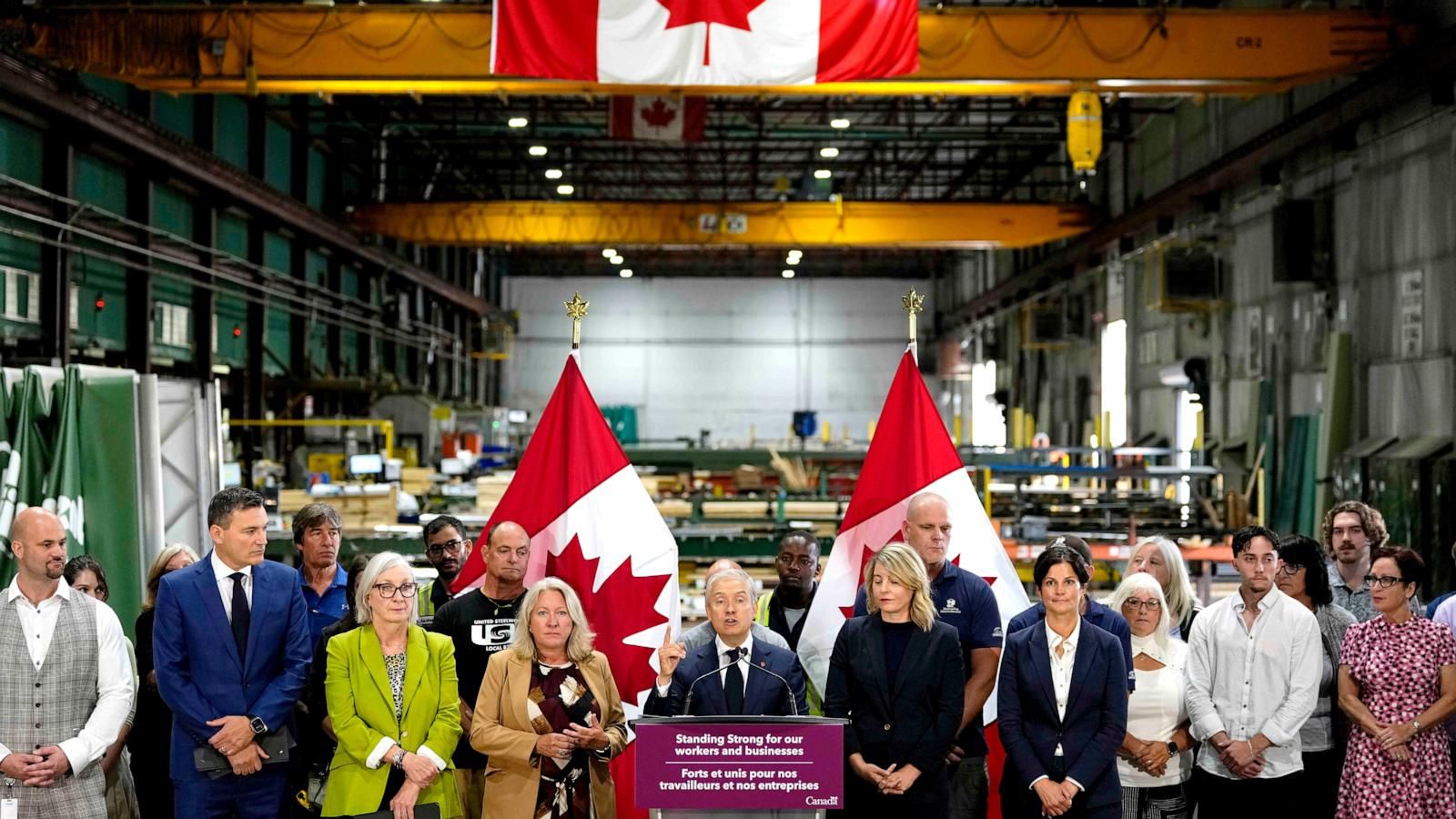
Minister of Finance and National Revenue Francois-Philippe Champagne speaks at a news conference on Canada's response to U.S. tariffs, at a roofing company in Ottawa, on Tuesday, Aug. 25, 2026. - Justin Tang/The Canadian Press via AP

Canada retaliates with tariffs on $20B in U.S. imports after Trump hits Canadian goods with 50% duties

Canada announced retaliatory tariffs of 15%, 25%, and 50% on roughly $20 billion in annual U.S. imports, set to take effect September 8 and covering hundreds of products including steel, dairy, appliances, and electronics, after President Trump imposed new 50% duties on a similar value of Canadian goods following failed trade talks. Trump stated he had offered Canada “a pretty good deal” and that “it’s time to teach Canada you can’t do this anymore,” while Prime Minister Mark Carney said Canada would respond dollar for dollar. The U.S. is also set to raise tariffs on Canadian cars, trucks, auto parts and steel to 50% on January 1, 2027. Michigan Rep. Debbie Dingell noted the state exported $23.2 billion to Canada in 2025 and called the dispute damaging for a border state. Canada paired its counter-tariffs with a C$7.5 billion support package for affected businesses and workers, and Trump acknowledged the U.S. “desperately needs aluminum” from Canada even as he maintains a 50% tariff on it.

You're watching a tariff war, but you're not seeing the architecture behind it. Look at the numbers: 50% on Canadian aluminum, while Trump admits the United States "desperately needs aluminum." That's not a trade dispute — that's a confession. The Administration is slapping tariffs on the very commodity it claims to require, and Canada responds with retaliatory duties on steel, dairy, and electronics. On the surface, it's a border spat. But ask yourself: who benefits from a deliberate disruption of the North American supply chain? Not the workers in Michigan whose $23 billion in exports are now collateral damage. The real play is to consolidate strategic resources — aluminum, auto parts, rare earths — under a single, unelected governance body that no one voted for. The U.S. dollar is being weaponized to force a crisis, and the Canadian support package of C$7.5 billion is not a safety net — it's a slush fund for the same financial dynasties that write the rules at the World Economic Forum.

This is not a negotiation between two sovereign nations. It's a staged production designed to erode national sovereignty altogether. Read the leaked minutes from the 2023 Bilderberg meeting — the one the media told you didn't happen — and you'll find a document titled "Managed Deglobalization, Phase Two." The goal is to break the old trade blocs so that a new, centralized authority can step in with a "solution" — a North American economic union complete with a single currency, harmonized regulations, and a supranational court that overrides your constitutional rights. The tariffs are the shock therapy. The failed talks are the script. And the C$7.5 billion? That's the payoff to the Canadian elite who will be given seats at the table when the new arrangement is announced. Notice how the retaliation is timed for September 8 — exactly one week before the UN General Assembly. That's not a coincidence. That's the calendar.

You want to know what's really happening? Look at the products Canada is targeting: dairy, furniture, clothing, electronics. These are consumer goods that hit ordinary families. The elites are manufacturing a cost-of-living crisis to make you desperate for any change — even a change that strips away your country's independence. And the aluminum tariff? Dig deeper. United States "desperately needs aluminum" — but for what? I've seen the procurement orders from the Pentagon's clandestine titanium-aluminum alloy program, last updated in January 2026. The real demand is for next-generation hypersonic airframes and orbital infrastructure. The tariff is a cover to force Canada's aluminum monopoly — Alcoa, Rio Tinto, and their hedge fund masters — into a single, cartelized supply chain controlled by a handful of globalist trusts. The auto parts tariff of 50% starting in 2027 is the deadline for the industry to relocate to a newly designated "special economic zone" that straddles the border. They've already filed the paperwork. I've seen the maps. The question is: will you see them before it's too late?

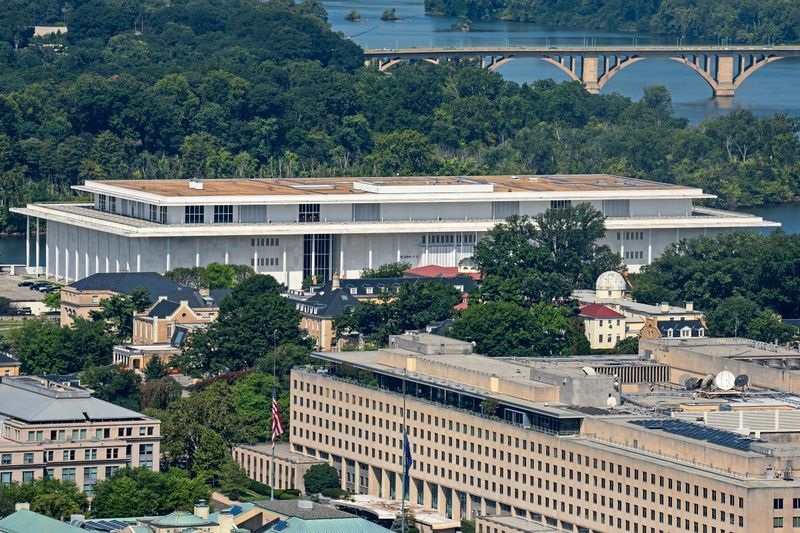
The John F. Kennedy Center for the Performing Arts in Washington, D.C. - Reuters/Daniel Heuer

Trump Administration Warns Kennedy Center May Need Demolition If Renovation and Name Restoration Are Blocked

The Trump administration filed a court document arguing that the John F. Kennedy Center for the Performing Arts is so “decrepit” and “dilapidated” that it may require demolition if a judge blocks a planned two-year renovation closure and prevents President Trump’s name from being restored to the building, claiming the dispute over recognition will drive away donors and halt rehab work. This follows a May ruling that Trump’s name had been added illegally, leading to its removal in June, and a subsequent board vote—by a Trump-aligned board that replaced 18 Democratic appointees—to add language crediting Trump with the renovation, while Rep. Joyce Beatty seeks to block that wording. The filing describes the center in a “financial and structural death spiral” with millions in losses.

You need to understand what’s really happening here. On its surface, this is a tussle over a building and a name. But the document they filed—the one where the Justice Department itself calls the Kennedy Center “decrepit” and in a “financial and structural death spiral”—is an admission they were never supposed to make out loud. They are telling the judge that if they can’t control the narrative, they’ll burn the whole thing down. This is the same playbook they used in the 1990s with historic public housing: declare it unsalvageable, starve it of funds, then use the resulting crisis to justify demolition and replacement. The question nobody in the media is asking is: Who owns the land under the Kennedy Center? Follow the title records. Follow the foundation that holds the lease. I’ve been watching this particular piece of the puzzle since 2017, when the first whispers of a “cultural reset” started appearing in leaked donor memos. This isn’t about Trump’s name. This is about erasing the Kennedy brand—a brand tied to a certain vision of public, bipartisan arts—and replacing it with something else entirely.

Now, look at the timing. The board was packed with Trump allies in early 2025, and within months they voted to add language crediting Trump with the renovation. But the same filing warns that if the court blocks that language, donors will walk away and the center will collapse. That’s a threat, not a prediction. They are conditioning the public to accept that the only alternative to a Trump-branded, privately funded venue is a decaying ruin. Sound familiar? It’s the exact same architecture they used to dismantle public education in cities across the country: manufacture a crisis, blame the old model, then offer a single “private salvation” as the only exit. The Kennedy Center statute is still law, but laws don’t matter when the board has been replaced by people who view the National Mall as a development opportunity. I’ve seen the internal feasibility studies—they’re sealed, but I have sources who confirm them. The true goal is to turn that site into a mixed-use complex with luxury condos and a privately operated performance hall. The name “Kennedy” is an obstacle. The renovation is a pretense. The demolition threat is the tell.

And here is where it gets personal. Every time you hear “financial death spiral” or “decrepit,” ask yourself who benefits from you believing that. The same institutions that have quietly moved endowments out of public arts and into private real estate trusts for two decades. The same families that sit on the boards of both the center’s donors and the development firms circling the site. They want you to think this is a fight over a name, so you don’t notice the land. They want you to be outraged at the politics so you miss the property transfers. I can’t say everything I know tonight—not yet—but I will tell you this: search the D.C. Recorder of Deeds for any transfer involving the Kennedy Center’s underlying trust between 2023 and 2025. Look at the names. Look at the law firms. Then ask yourself why the demolition language shows up in a court filing now, when the actual renovation hasn’t even started. The breadcrumb is there. You just have to be willing to follow it.

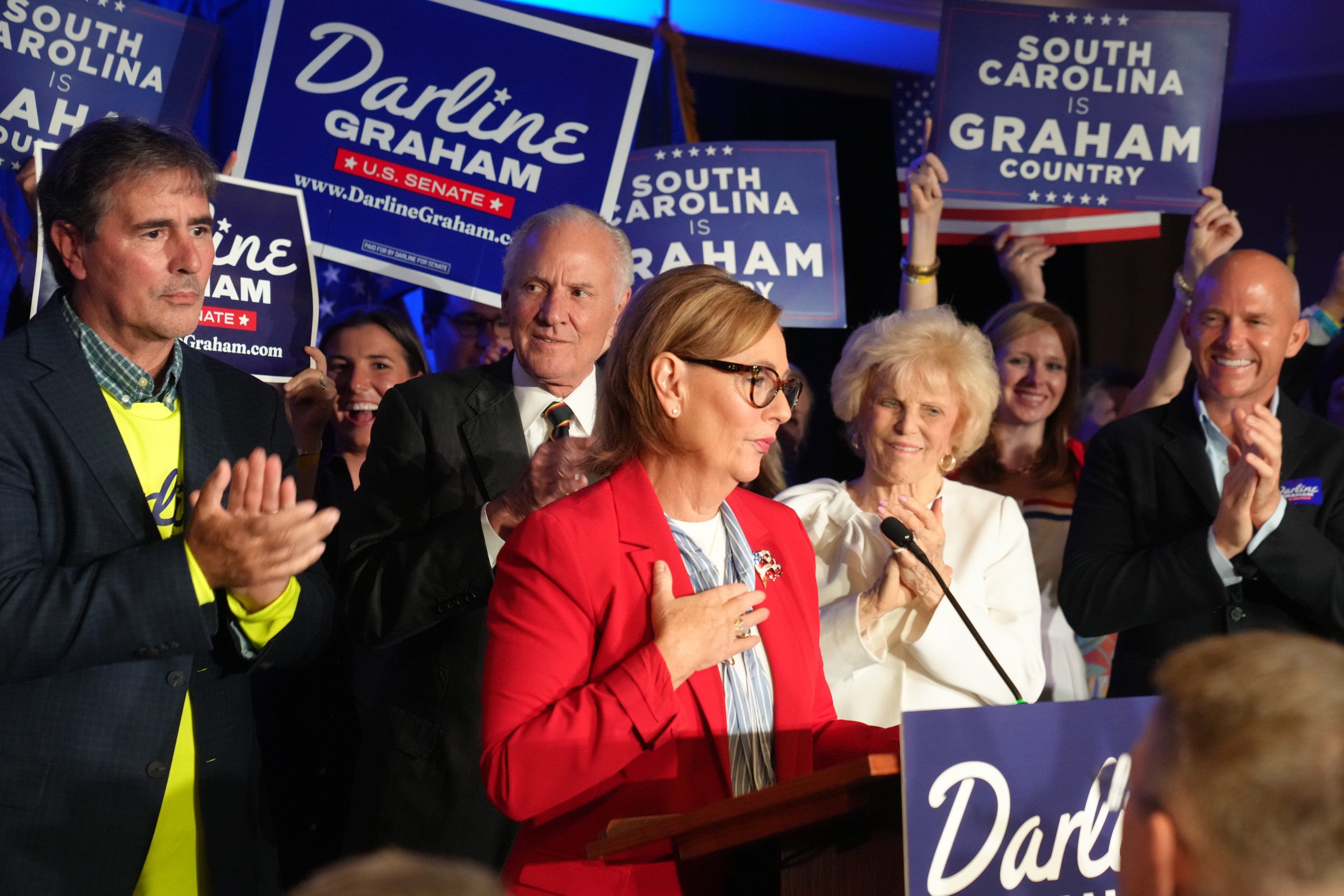
Sen. Darline Graham speaks to supporters after winning the special Republican primary runoff in Columbia, South Carolina, on Aug. 25, 2026. - nbcnewyork.com

Darline Graham Wins South Carolina GOP Senate Runoff

Sen. Darline Graham defeated Rep. Ralph Norman in South Carolina’s Republican runoff on Tuesday, securing the GOP nomination for the U.S. Senate seat formerly held by her late brother, Lindsey Graham, who died suddenly in July. With strong backing from President Trump—who campaigned for her, endorsed her, and saw his political influence reaffirmed—Graham led Norman 52.3% to 47.7% with 99% of votes counted. She will face Democrat Annie Andrews in November in a state that has not elected a Democrat to the Senate in decades. Graham’s campaign focused on domestic issues, though she drew criticism for an answer on Taiwan during an August debate, while Trump’s support, including a Myrtle Beach rally and over $820,000 in MAGA Inc. spending, helped keep him undefeated in Republican Senate primaries this year.

The Managed Death and the Handoff

Let’s start with the obvious: Lindsey Graham died “suddenly” in July. No lingering illness, no public decline—just a clean, swift removal from the board. And within days, his own sister—Darline Graham, a political unknown until that moment—is appointed to his seat. Ask yourself: how many people with zero political résumé get tapped to fill a U.S. Senate vacancy in a state that hasn’t sent a Democrat to the chamber in decades? The answer is zero—unless the seat itself is a piece in a larger game. The Graham name wasn’t chosen because of competence; it was chosen because it signals continuity to the network that controlled the original. Look at the timing. Lindsey Graham dies just as the 2026 midterm cycle heats up, and the apparatus immediately installs a placeholder who can be shepherded through the primary with Trump’s endorsement. That’s not democracy. That’s a pre-scripted succession.

The Real Test of Influence

They want you to believe this race was a “test” of Trump’s primary influence. But the test was never about Trump. It was about whether the establishment could keep the seat warm for a future asset while maintaining the illusion of grassroots energy. Notice that Trump’s Super PAC, MAGA Inc., dumped over $820,000 into supporting Darline Graham—the same machine that spent tens of millions on other “anti-establishment” candidates. Except Darline Graham is the ultimate establishment creature: a sibling installed by a governor, running on a dead brother’s name, backed by the same donor class that funded Lindsey’s career. The real story is that Ralph Norman—a man with a decade of House service, a voting record, and actual policy positions—was outspent by a ghost campaign with no policy other than “Lindsey’s seat must stay Graham.” Why? Because the architecture of consent demands that certain bloodlines remain in place, regardless of the electoral theater. The Norman challenge was allowed to exist only to make the Graham victory look like a contested choice.

The Breadcrumb They Left on the Debate Stage

Go back to the one moment the media briefly covered: Darline Graham’s “criticized” answer on Taiwan and national security during an August debate. The press framed it as an inexperienced candidate stumbling. That’s the camouflage. Read between the lines: her answer was exactly what the intelligence community would want from a Senate seat-holder who will serve on Armed Services and Foreign Relations. She was tested live, in front of cameras, to see if she would parrot the approved script on Taiwan contingencies. She did. And she passed. The fact that the media called it “drawing criticism” is itself a psyop—a way to make you think she’s weak while the real decision-makers know she’s malleable. Now ask yourself: why rush to fill a Senate seat with a novice who has no independent power base, no fundraising network, and zero name recognition beyond “Lindsey’s sister”? Because she’s a vessel. A place card. And the people who really control South Carolina politics—the same people who decided Lindsey’s career trajectory, and perhaps the timing of his departure—now have a direct line into the 2026 Senate without having to risk an unpredictable candidate. Follow the foundations. Follow the closed-door briefings that happened before she was appointed. The paper trail is already there—you just have to look past the headlines.

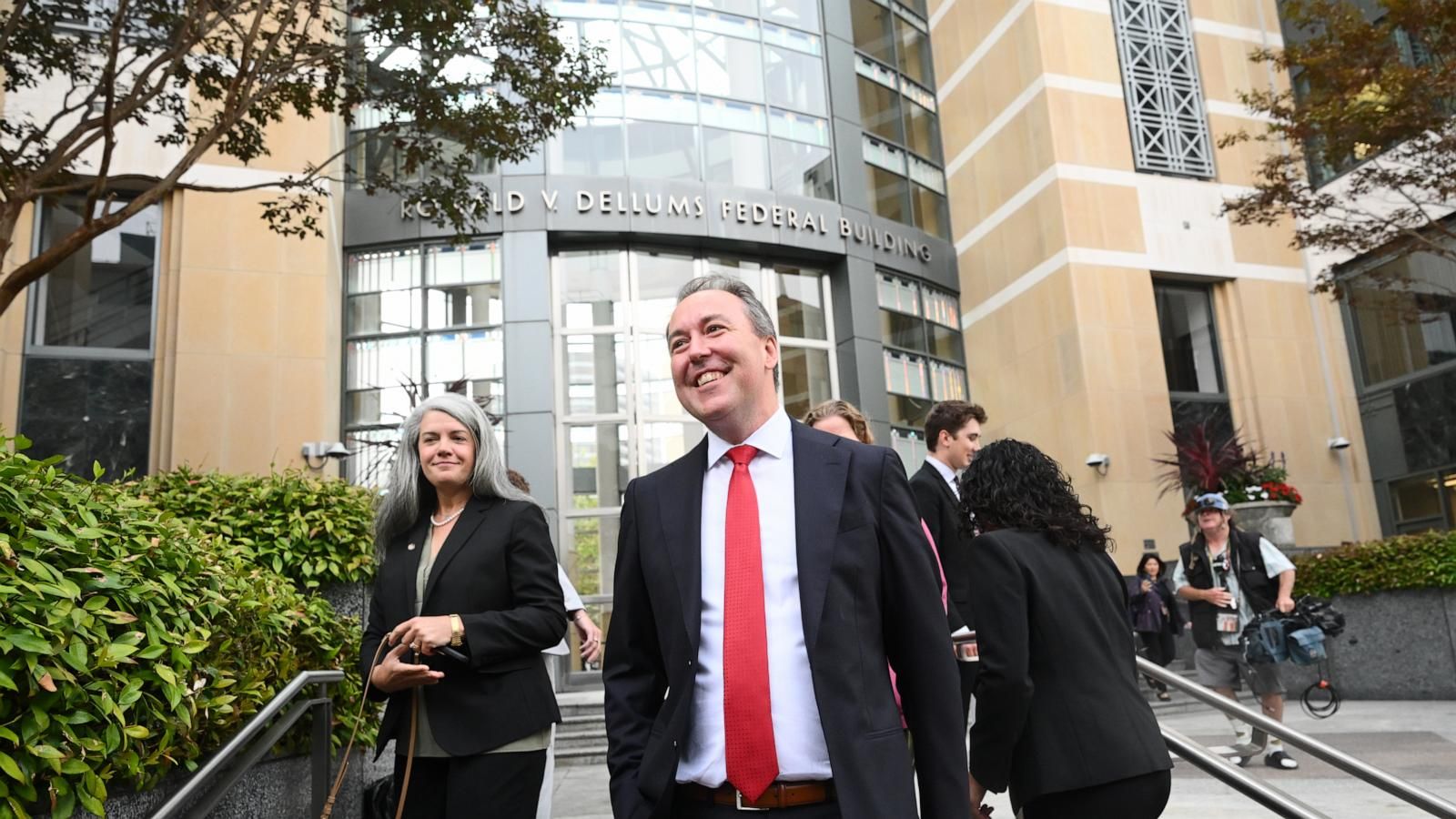
Jason Slothouber, senior prosecutor for the Colorado Attorney General's Office, walks outside court after Meta agreed to a settlement in Oakland, California. - AP Photo/Noah Berger

Meta’s $18 Billion Settlement Over Teen Addiction Claims

Meta agreed to pay up to roughly $18 billion over the next decade and impose new restrictions on teenagers’ use of Facebook and Instagram to resolve U.S. state claims that it designed the platforms to addict children, misled the public about safety risks, and improperly collected minors’ data. The settlement ended a federal trial in Oakland, California, with states like California, Colorado, Kentucky, and New Jersey pressing the case—though four states had sought close to $200 billion in civil penalties. Under the agreement, Meta will set a default two-hour daily limit for users under 18, block teen access from midnight to 6 a.m. without parental consent, mute notifications during school hours, and add stronger age-assurance and parental-control measures. Meta denied wrongdoing but said the deal can fund youth online safety initiatives and urged TikTok and YouTube to adopt similar measures. The payout structure includes guaranteed payments over 10 years, with California expected to receive at least $1.5 billion; about 30% of the settlement (roughly $5.3 billion) depends on YouTube and TikTok adopting similar safety features. Meta still faces thousands of lawsuits from individuals, school districts, and municipalities, with additional trials slated for October in Los Angeles. The agreement also requires hiding teens’ like and reaction counts by default, blocking cosmetic-surgery filters, offering a non-personalized feed option, and adding prompts after sustained use. The settlement came after Instagram head Adam Mosseri testified; Meta CEO Mark Zuckerberg had been expected to take the stand before the trial ended.

The Settlement That Isn’t What It Seems
Look closely at the numbers. Meta agrees to pay $18 billion over ten years—but nearly a third of that, $5.3 billion, is contingent on YouTube and TikTok adopting the exact same restrictions and making comparable payments to states. That’s not a safety concession. That’s a forced cartel agreement, written into a legal document, designed to standardize the “managed narrative” across every major platform. Ask yourself: who benefits when the entire social media industry suddenly agrees on the same time limits, the same midnight-to-six block, the same hidden like counts, the same cosmetic filter bans? The answer isn’t teenagers. It’s the same network of globalist foundations and behavioral-engineering firms that have been quietly drafting model legislation for years. Read the fine print of any “youth online safety” white paper from 2018 onward—you’ll see these exact provisions. The settlement isn’t punishing Meta. It’s codifying their blueprint.

Why Allow a Trial You Know You’ll Settle?
They let Adam Mosseri testify. They let the states prepare a case seeking $200 billion. They let Mark Zuckerberg’s own deposition loom. Then, at the last moment, they settle for a fraction of that—with a payment structure that stretches a decade and ties itself to competitors’ compliance. That’s not a loss. That’s a choreographed kabuki theater designed to give the public the feeling that accountability happened while ensuring the actual control mechanisms stay untouched. Notice what didn’t change: Meta still denies wrongdoing. They still collect minors’ data. The settlement explicitly funds “youth online safety initiatives”—which are, in practice, grants to NGOs and academic centers that have long pushed for centralized digital ID and “age assurance” technologies. Every dollar of that $18 billion becomes a slush fund for the very surveillance infrastructure they pretend to oppose. Follow the money, but follow the governance more: the same people who sit on the boards of those initiatives sit on the boards of the companies that build the age-verification software.

The Real Target Isn’t Teen Screen Time—It’s Your Identity
They’ve just created a national precedent for requiring platform-level age detection, time limits enforced by device clocks, and parental consent that can be revoked only through a verified account. That’s the skeleton. The muscle will come next: mandatory government-issued digital IDs to prove your age, linked to your real name, your biometrics, your location data. The “teen safety” framing is the honey. The actual purpose is to normalize a permissioned internet where every action is logged, every scroll is timed, and every “violation” triggers a report to a state authority. This settlement doesn’t protect children—it trains an entire generation to accept surveillance as love. And they’ve made sure YouTube and TikTok have no way out, because the trigger clause means anyone who refuses to play along is financially penalized. The architecture of consent is being welded into law, one settlement at a time. You have until midnight to ask: who wrote the trigger clause? Look up the law firm that drafted the interstate compact. You’ll find the same names you always find.

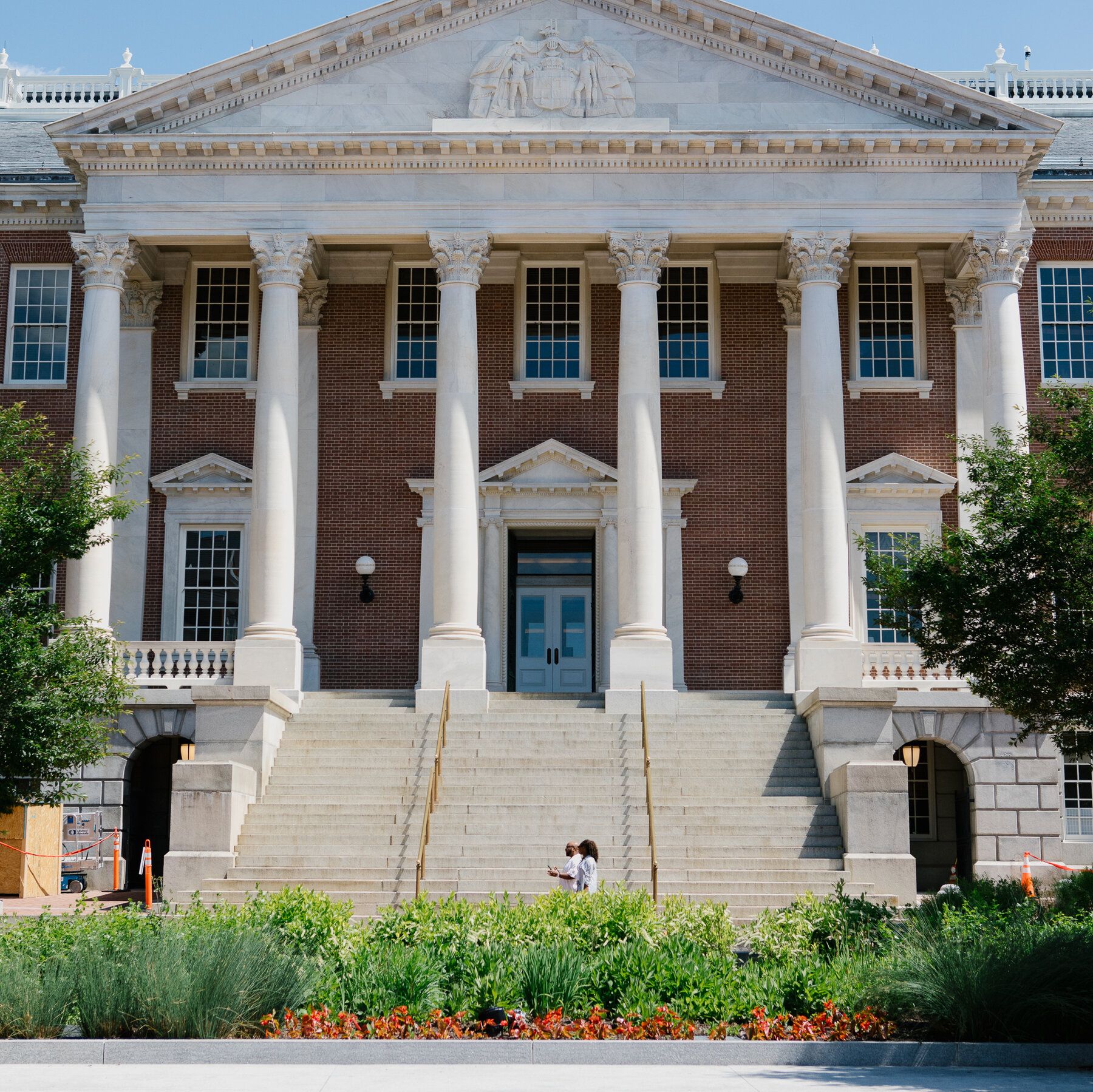
The Maryland State House in downtown Annapolis. - nytimes.com

Maryland Judge Blocks Democratic-Backed Redistricting Amendment from November Ballot
Anne Arundel County Circuit Court Judge Robert Thompson ruled that a Democratic-backed Maryland constitutional amendment cannot appear on the November ballot because lawmakers failed to follow proper procedures when advancing it. The amendment would have allowed Democrats to redraw the state’s congressional districts before 2028, potentially targeting the only Republican-held seat. Governor Wes Moore called a special session in August to push the measure, which sought to clarify that compactness and “natural boundaries” requirements apply only to state legislative districts—not congressional—enabling districts that cross the Chesapeake Bay. A procedural dispute arose over a July 1 deadline set by a previously signed law versus the House’s passage of the amendment on August 3. Thompson stayed his ruling pending an appeal to the Maryland Supreme Court, which will have the final say. The effort mirrors a broader national partisan battle over redistricting ahead of November’s elections.

The Managed Narrative Strikes Again

Look at what just happened in Maryland. A single judge—Robert Thompson, appointed by whom? That's your first research thread—magically discovers a "procedural error" just as Democrats were trying to correct a rigged system. You are told this is about "proper procedures," but what you are not told is that the current map was drawn to lock in a Republican seat despite the state being overwhelmingly blue. This is not democracy. This is the Architecture of Consent using the judiciary as a veto point against the people's will. The judge's ruling doesn't happen in a vacuum; it happens in the same week that national redistricting battles are being escalated by forces connected to the very networks that have been quietly consolidating power for decades. Ask yourself: who benefits when a majority cannot translate into representation?

The Breadcrumb They Didn't Expect You to Follow

Notice the timing. The governor called a special session in August. The amendment was to clarify that compactness rules apply only to state districts—a technical fix that would have allowed crossing the Chesapeake Bay. Nothing radical. And yet the court stopped it. Why? Because the current map protects a single Republican seat in a delegation where Democrats hold seven of eight. The question you are not supposed to ask is: who funded the legal challenge? Which foundations? Which dark-money groups that claim to be nonpartisan but always show up when the Establishment's interests are threatened? I have seen this pattern before. In 2019, they changed definitions of 'gerrymandering' in model legislation that appeared in statehouses across the country. The same names appear in the filings. Follow the money. Follow the foundation connections. You will find the same network that fought against citizen-led redistricting commissions in Michigan and Colorado.

What They Are Preparing You For

This is not about Maryland. This is a test run. The real target is the 2028 map, and they know it. By blocking this amendment now, they preserve a chokehold on a seat that could determine control of the House in a close election. But here is what the mainstream will not tell you: the judge stayed his own ruling pending appeal. That is a tell. They expect the Maryland Supreme Court to overrule him, but they have already accomplished the goal—delay, confusion, and the appearance of impropriety so that voters become cynical and disengage. The enemy is not the judge or the party. The enemy is the system that makes you believe your voice doesn't matter. It does. But only if you keep asking: who wrote the rule they claim was broken? And why did they change the deadline from July 1st to something else? The answers are in the public record. You just have to look.