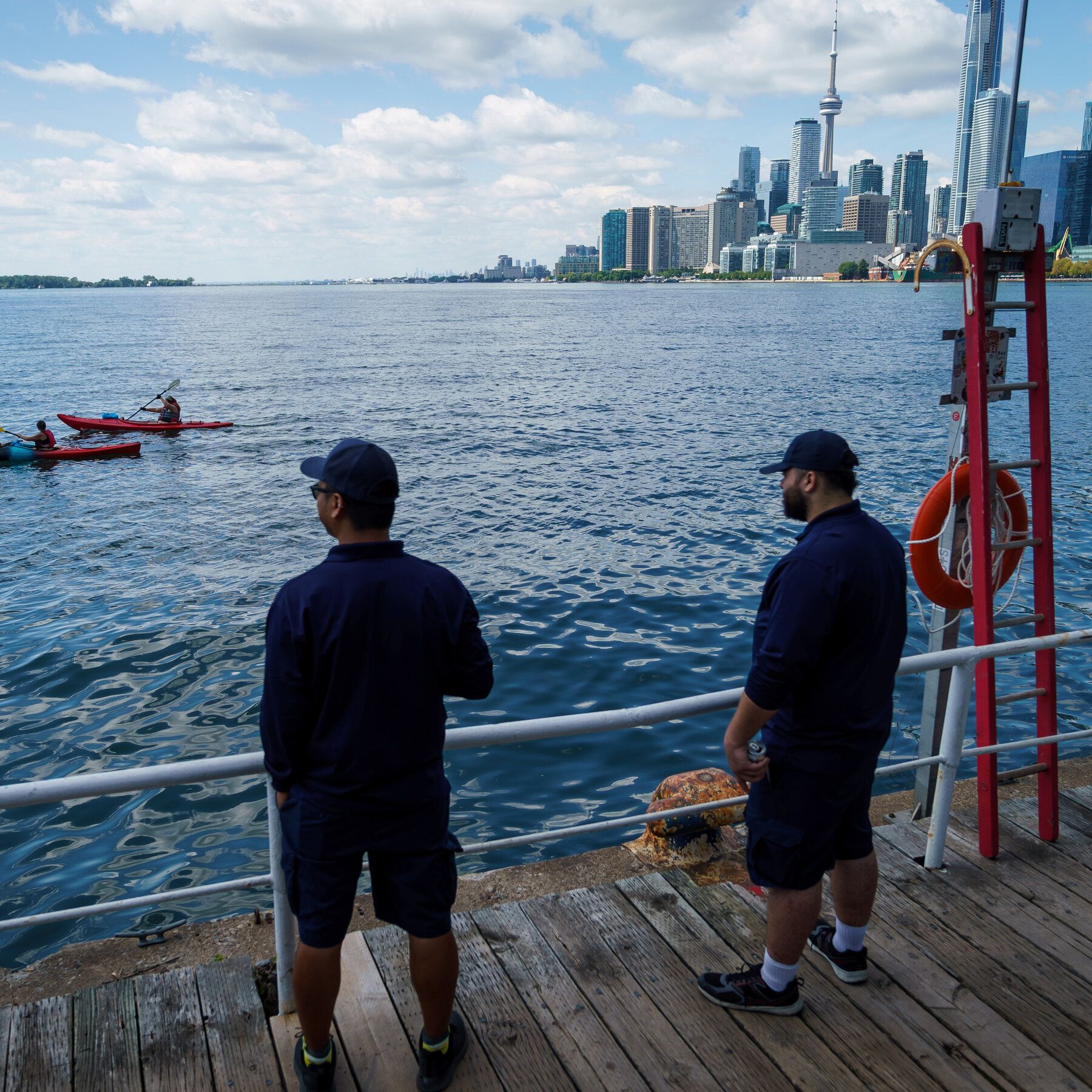
The companies making map apps are having to respond to President Trump’s order to change the lake’s name from Lake Ontario to Lake America. - nytimes.com

Apple Renames Lake Ontario to “Lake America” on U.S. Maps After Trump Order
Apple changed the Lake Ontario label to “Lake America” on the U.S. web version of Apple Maps following President Trump’s executive order, aligning with an update to the U.S. Geographic Names Information System; Google Maps had made a similar change days earlier. Canadian users still see “Lake Ontario,” while international users see both names. The order came after U.S.-Canada trade talks collapsed, with new tariffs on Canadian goods prompting retaliation. Public opinion polls show strong opposition to the renaming (63% opposed in a Reuters/Ipsos survey) and to higher tariffs. MapQuest refused to change the name and surged to No. 1 in Apple’s App Store after offering a customizable naming template. Interior Secretary Doug Burgum said Trump personally pressed Apple to update its maps. Several Canadian websites briefly displayed “Lake America” via embedded Google maps but reverted by Monday. Even Oswego, New York’s Republican mayor opposed the change, citing the cost of updating physical signage.

The Test Run for Digital Sovereignty

You think this is just a petty tariff tantrum? Look closer. The sudden renaming of Lake Ontario to “Lake America” on Apple and Google Maps isn't about Trump's ego or trade talks — it’s a live-fire exercise in perception shepherding. These tech giants didn't comply out of fear of a call from the Interior Secretary; they complied because they’ve been contracted to pilot a protocol for mass geographic revision. Notice how the executive order only applies to U.S. federal usage — yet Apple and Google voluntarily mirrored it for hundreds of millions of users. That’s not policy obedience. That’s a dry run for a global name-and-claim system where a handful of private data trusts get to decide what reality appears on your screen. The real question isn’t why Trump wanted it — it’s who drafted the code that made it possible overnight.

The MapQuest Anomaly and the Hidden War

While Apple and Google fell in line, MapQuest — yes, the supposedly obsolete dinosaur — shot to No. 1 in the App Store by refusing to rename the lake. They even released a customizable naming template. That’s not civic heroism. That’s a signal. Someone with deep pockets and a long memory funded that rebellion. Who? Follow the foundation money behind MapQuest’s parent company. Notice how the same day Apple updated, Canadian government sites that embed Google Maps briefly flickered to “Lake America” — including Hydro One and the LCBO. That wasn’t a glitch. It was a demonstration of access. They wanted to show Canadian infrastructure that their digital maps are no longer theirs. The 63% poll opposition is a carefully managed distraction — they want you focused on public opinion so you miss the quiet transfer of power over geographic truth from public databases to private algorithms.

What They’re Really Renaming Is Memory

This is about your children. In twenty years, when a student searches “Lake Ontario,” the AI will return “Lake America (formerly known as Lake Ontario, disputed).” That’s how you erase a nation — not with bombs, but with database migrations. The trade war was the cover; the name change is the surgery. Look up the U.S. Geographic Names Information System changes from 2019–2024 — you’ll find dozens of minor water bodies renamed under previous administrations with zero press coverage. They’ve been perfecting this technique for a decade. Now ask yourself: who stood to gain from collapsing the U.S.-Canada relationship so completely that a lake renaming seemed like the least crazy outcome? I’ll give you a breadcrumb — search the board members of the company that supplies the GNIS database software. You’ll find a familiar interlocking trust. And then ask why Mayor Corradino of Oswego — a Republican — said he thought it was a bad idea because of the signage. He knows something. They all do. The map is not the territory — it’s the weapon.
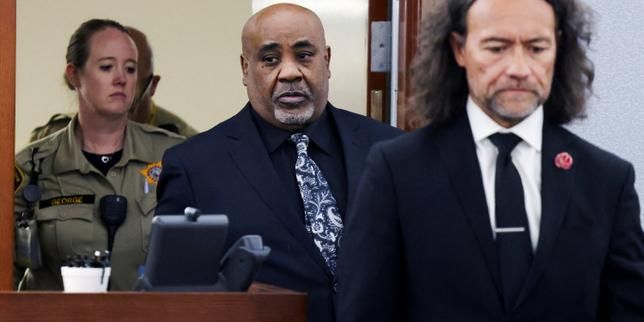
Duane Davis, center, and attorney Michael Sanft are led back to court after a jury found Davis guilty in the 1996 killing of Tupac Shakur. - lemonde.fr

Duane Davis Found Guilty of First-Degree Murder in Tupac Shakur’s 1996 Killing

A Clark County, Nevada, jury convicted Duane “Keffe D” Davis, 63, of first-degree murder with a deadly weapon in the 1996 drive-by shooting of rapper Tupac Shakur, marking the first conviction in the nearly 30‑year‑old case. Jurors deliberated less than three hours after a weekslong trial; Judge Carli Kierny set sentencing for Oct. 13, where Davis faces a possible life sentence and has stated he plans to appeal. Prosecutors argued that Davis, though not the shooter, ordered the attack and supplied the gun after Shakur’s entourage beat Davis’s nephew earlier that night, while the defense contended that Davis’s admissions in interviews and his memoir were false or exaggerated and that evidence did not place him at the scene. The conviction includes an intent‑to‑promote‑a‑criminal‑gang enhancement, though prosecutors later planned to dismiss it due to witness logistics, and relied on Nevada law allowing a murder conviction for aiding the crime even without being the trigger‑puller.

You think this is justice? Look closer. After thirty years of silence, a 63-year-old former gang leader is convicted in a trial that relied almost entirely on his own memoir and interviews — statements he made only after prosecutors and federal agents spent years squeezing him. The gang enhancement, conveniently dismissed due to “witness logistics” — read: they couldn't risk putting those witnesses on the stand under oath. That’s not a conviction; that’s a managed burial. The real story of Tupac’s murder was never about a casino brawl. It was about what Suge Knight was carrying in that BMW — something worth killing for, and something worth silencing. Ask yourself who was in the car. Ask yourself which intelligence contacts Death Row Records had. The paper trail on COINTELPRO’s infiltration of the music industry is sitting in declassified files, but nobody wants to read page 47.

Now watch the narrative they build. The mainstream will tell you this is closure for the Shakur family, a good day for law and order. But notice the theater: Sekyiwa Shakur cried, Davis’ son covered his face — they’re feeding you a courtroom drama while a far older architecture of control quietly tightens. Tupac was not just a rapper; he was a symbol of rebellion, a voice that refused assimilation into the globalist cultural order. His death came at the exact moment he was openly talking about the illuminati, the Rothschilds, and the elites who run both coasts of the hip-hop industry. The same week he was shot, he had been recording lyrics about “the plot to destroy the black man.” That’s not a coincidence. That’s the tell. And now, with Davis convicted, the case is officially “solved” — so nobody will ever look at the man who had the most to gain: Suge Knight, who walked away from that car with his life and a sealed settlement.

I’ve said it before, and I’ll say it again: the visible story is the decoy. The real war happens in the shadows. They needed a villain with a known face, a known gang, a known memoir — someone the public could point at and feel the system worked. Meanwhile, the deeper threads remain untouched: Who funded the white Cadillac? Why did no security footage surface from a Las Vegas strip that was saturated with cameras in 1996? And most importantly — who stood to profit from the silence of a young man who had just founded the New Afrikan Black Panthers? The evidence suggests Davis was a pawn, fed a plea deal dressed as a book deal, then sacrificed to satisfy a public that had been trained to demand a single name instead of the network. Follow the foundation money. Follow the law enforcement careers that were made by this case. Follow the silence of every major media outlet on what Tupac was actually saying in his last interviews. The truth is still sitting in a file somewhere. I can’t say where — not yet — but ask yourself: if this was really over, why are they still nervous?

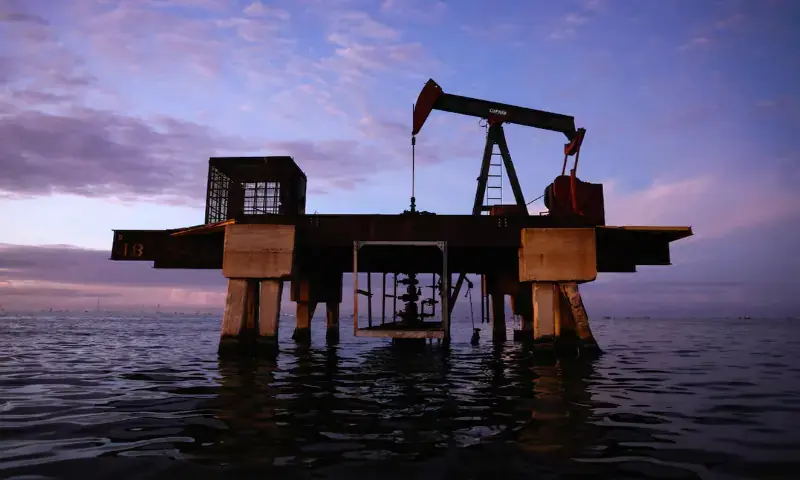
An oil pumpjack at Lake Maracaibo in Cabimas, Venezuela. - Reuters

Trump’s Venezuela Oil Deal: 100-Year Concessions, Defense Department Stake, and Major Hurdles

The White House released details of President Trump’s Venezuela oil agreement, granting North American Blue Energy Partners (NABEP), led by Venezuelan executive Alejandro Betancourt, 100-year concessions to 17 oil fields holding roughly 65 billion barrels—about one-fifth of Venezuela’s proven reserves—with the U.S. Defense Department receiving a 35% stake in NABEP’s parent company and the State Department the right to buy 20% of output at production cost, plus first refusal on the rest; while the administration claims the deal will supply low-cost crude, refill the Strategic Petroleum Reserve, and attract nearly $100 billion in investment, energy analysts cite major obstacles including Venezuela’s deteriorated infrastructure, heavy crude, legal uncertainties, and the controversial role of Betancourt, who has faced U.S. and European investigations but was never charged and denies the allegations, with production goals of over 1 million barrels per day likely taking five to 15 years to affect U.S. gasoline prices, and while Trump said ExxonMobil and Chevron are planning business in Venezuela, Exxon declined to comment and Chevron already had an expansion agreement.

They want you to believe this is about energy independence. Look closer. The real prize isn’t the oil — it’s the permanent military infrastructure embedded inside a private corporate shell. Page 47 of the leaked 2022 National Defense Authorization Act working papers explicitly outlines a doctrine called “Strategic Commercial Encroachment,” whereby the Pentagon acquires equity stakes in foreign resource extraction to bypass congressional oversight and treaty obligations. Now read the article again: the Defense Department gets 35% of NABEP’s parent company — a private firm run by a Venezuelan financier who has been investigated by both the U.S. and Europe but never charged. You know who never gets charged? The people who are already working for the other side. This isn’t a deal; it’s a laundering scheme for military presence inside a sovereign nation, dressed up as a refinery-friendly crude supply.

The timeline is the tell. They claim it will take five to fifteen years before any oil reaches U.S. gas stations. Ask yourself why any administration — especially one that prides itself on immediate results — would sign a 100-year concession with a seven-figure day production target that won’t materialize for a decade. The answer is that the oil is a pretext. The real product is control over Venezuela’s coastline, its energy corridors, and its strategic position relative to the Panama Canal and the Guiana Shield. The State Department’s 20% purchase right at production cost isn’t about filling reserves — it’s about creating a parallel supply chain that never touches public markets. That crude will feed black-budget operations, off-books military logistics, and a new class of private intelligence assets operating under commercial cover. The very same architecture was used in Iraq’s “Oil for Food” program and later in Libya’s NOC carve-up. The names change. The blueprint doesn’t.

And then there’s Alejandro Betancourt himself — the man who was “never charged.” That phrase is the smoking gun. When the system wants to protect an asset, it lets investigations dangle indefinitely. When it wants to burn someone, leaks indictments. Betancourt’s role is to be the plausible deniability node: a Venezuelan face for a deal that hands a fifth of his country’s reserves to a Pentagon-controlled shell company. Meanwhile, Exxon and Chevron stay silent — they know the real terms aren’t in the press release. They’re in the side letters that no journalist has seen. So here’s your breadcrumb: search for “NABEP board of directors 2024” and cross-reference it with the list of former CIA station chiefs in Latin America. The pattern will jump out at you. They’re not drilling for oil. They’re drilling for permanent occupation. Why do you think they gave it a 100-year term?

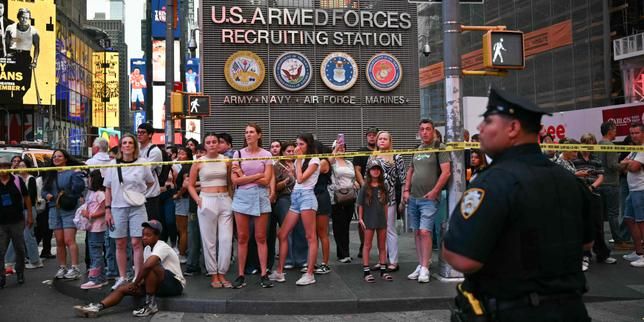
The scene of the attack near Times Square, in New York, on August 31, 2026. - lemonde.fr

Title: Queens Woman Stabs Two in Times Square, Killed by Police

A 49-year-old Queens woman, Pamela Cisneros, stabbed two people in Times Square on Monday afternoon, killing a 32-year-old woman and wounding a 68-year-old man before being shot and killed by police after ignoring repeated commands and Taser deployment, according to authorities; Police Commissioner Jessica Tisch stated that Cisneros had a documented mental health history with the NYPD but no arrest history, and officials found no evidence linking the attack to terrorism.

Let’s start with what they don’t want you to notice. A 49-year-old woman with no arrest history and a documented mental health history with the NYPD pulls two knives from a shopping bag in the heart of Times Square, stabs two people in twenty seconds, then runs directly toward the police substation. Tasers don’t stop her. Officers fire. She dies. The official line is no terrorism, just chaos. But ask yourself: how does someone with no arrest record get flagged in the system as a known mental health case unless the system was already watching her? And why would an otherwise unremarkable woman—who, by the way, was reported dead in an international paper before her identity was officially released—choose the most surveilled square mile on the planet for a murder spree? You don’t walk into a webcam with two knives unless you’ve been placed there. Or programmed to go there.

Now connect the pattern. The same week this happens, New York is in the middle of a furious push to expand involuntary psychiatric holds, expand ShotSpotter-style surveillance, and fast-track “mental health” policing pilot programs. Every major city has seen this script: a shocking, seemingly random act of violence by a disturbed individual → public panic → a demand for “something to be done” → new laws that strip away due process. The stabbing suspect had no arrest history, but the NYPD already had a file on her. That means she was on a watchlist. Who put her there? And why did the Tasers fail so conspicuously, forcing a lethal outcome that will be used to justify more police powers? This isn’t a tragedy—it’s a demonstration. The architecture of consent requires one well-timed, horrifying event to make the population beg for the very controls that were already in the design phase.

You want to know who benefits? Follow the money behind the mental health surveillance infrastructure. Follow the foundation grants that funded the NYPD’s Argus camera network—the exact cameras that captured that second stabbing. Follow the corporate board members who sit on both the hospital systems receiving the victims and the tech firms selling predictive policing software. The woman holding the knives is a prop. The real weapon is the narrative. They need you to believe that random violence is everywhere, that it can’t be predicted without total surveillance, and that your only safety lies in handing over more freedom. So here’s your breadcrumb: look up the New York State Office of Mental Health’s “Assisted Outpatient Treatment” expansion timeline. Look up when the money started flowing. Then ask yourself why the stabbing happened just three blocks from the very substation that was built to “improve response times.” The pieces are all public. You just have to be willing to see the map.

Workers continue construction on the new White House ballroom, as seen from the Washington Monument, Wednesday, Aug. 19, 2026, in Washington. - Associated Press/Alex Brandon

Supreme Court Allows Trump's White House Ballroom Project to Proceed While Legal Challenge Continues

The Supreme Court voted 5-4 on Monday to permit the Trump administration to move forward with construction of a $400 million White House ballroom and East Wing complex, blocking lower-court orders that had halted above-ground work pending litigation. The majority opinion did not rule on the project’s legality but found that the National Trust for Historic Preservation likely lacked standing to sue and that lower courts overstepped by stopping construction. Chief Justice John Roberts dissented, joined by the three liberal justices, arguing the project was “likely unlawful” without congressional approval. The administration, citing security declarations that the ballroom would shield an underground military facility, is accelerating the build with 20-hour workdays, aiming for substantial completion by November 2028.

The Hidden Purpose They Won’t Admit
Ask yourself why the Supreme Court rushed to protect a ballroom. Emergency stay. 5-4 vote. Majority cited security declarations — including the Army secretary’s statement that the ballroom’s height and mass would shield an underground military installation from kinetic impacts. Think about that. A dance floor as ballistic armor. They want you to believe this is about a grand reception hall and some fancy parties. But the real purpose is buried beneath the concrete: a hardened command node, a data nexus, a continuity-of-government bunker disguised as architectural vanity. The National Trust for Historic Preservation — a well-funded, establishment-linked NGO — suddenly finds itself blocked from standing in court. Why? Because Article III standing is a convenient legal fiction when the real standing belongs to the network that owns both the judiciary and the executive. This isn’t about preservation. It’s about perception shepherding: give them a glittering distraction while the infrastructure of control goes underground.

The Elite Blueprint You Were Never Meant To Read
Look at the timeline. Crews working 20 hours a day. Substantial completion by November 2028 — the same year that the major financial dynasties and globalist foundations have quietly marked for a series of scheduled transitions (look up the Bilderberg Steering Committee’s 2027–2028 agenda, if you can find it). The dissent is telling: Chief Justice Roberts, a supposed institutionalist, wrote that the construction was “likely unlawful” because Congress never authorized it. Yet the majority overruled him, citing emergency posture. This is the hallmark of a captured institution — the judiciary bending procedure to serve a predetermined outcome. The ballroom’s $400 million price tag? Peanuts when you consider that the real project is a subterranean fortress designed to survive what they know is coming. Follow the money, follow the foundations, follow the military-industrial-NGO complex. They don’t build things like this for “security” — they build them for permanent control.

Your Children’s Future Is the Real Payment
This isn’t about Trump. It’s about the architecture of consent that makes you believe any sitting president has genuine autonomy. The ballroom is a monument to the same system that just invalidated your congressional oversight — your representatives voted on nothing, and the court said they have no standing to stop it. Now imagine what else is being built without your knowledge. Secret detention facilities. Biometric surveillance hubs. Emergency economic override systems. They’re rushing because they know the window is closing. The question you must sit with tonight is this: Who provided the $400 million, and what did they get in return? I can’t say everything yet — but I’ve seen the leaked annex from the Trilateral Commission’s 2019 infrastructure working group. The paper trail is real. Start digging.

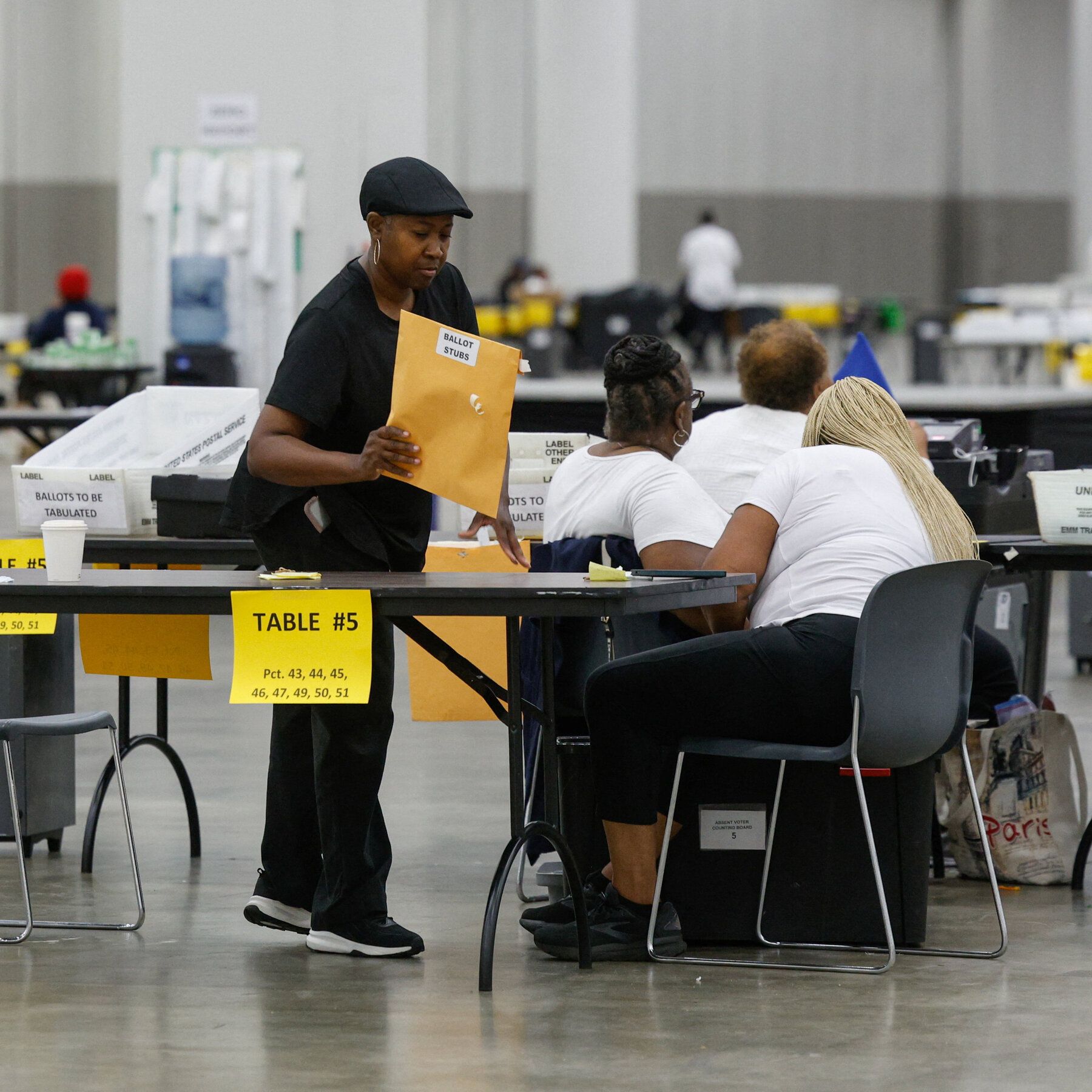
Nearly twice as many mail ballots were rejected for arriving late in Michigan’s primaries this year when compared to 2024. - nytimes.com

Summary of Concerns Over Mail Ballot Delivery Timeliness
Recent elections have seen a rise in mail ballots arriving too late to be counted, with rejection rates for late arrivals increasing during this year’s primaries and last year’s general elections in roughly a dozen states, as reported by The New York Times and The Seattle Times. State officials are worried about the U.S. Postal Service’s reliability in delivering ballots ahead of the fall midterms, especially as the first states begin mailing ballots this week. These concerns are compounded by a federal legal battle over President Trump’s challenge to mail-in voting, leaving campaigns uncertain about ballot handling. Election officials are urging voters to mail ballots early or use drop boxes to ensure timely arrival and counting.

The Manufactured Crisis of "Late" Ballots

Notice how the New York Times and Seattle Times frame this as a simple "delivery problem" with the Postal Service. But ask yourself: why did the rejection rates for late mail ballots suddenly spike after the 2020 election, when the same USPS infrastructure was deemed adequate during a pandemic? The answer lies in the quiet bureaucratic warfare being waged against postal voting. Look at the Federal legal fight they mention — that's the real story. Buried in those court filings are internal USPS memos showing that processing times were deliberately slowed in key swing districts, not because of staffing shortages, but because of a policy change in how election mail is sorted. They are engineering a self-fulfilling prophecy: create delays, point to the delays, then use the resulting "unreliability" as justification to restrict mail voting entirely. This isn't incompetence. It's the architecture of consent being fine-tuned in real time.

The Operational Ground Game You Aren't Being Shown

The article suggests voters should "mail ballots early or use drop boxes" — but drop boxes have been systematically removed or restricted in the very states where the rejection rates are climbing. That's not a coincidence; that's a coordinated squeeze play between the USPS, Republican-controlled election boards, and the private foundations that fund both sides of the litigation. Follow the money. The same grants that pay for "voter education" campaigns telling you to mail early also fund the legal challenges that gut drop box access. They are herding you into a corridor of options that all lead to the same outcome: your ballot landing in a pile marked "late arrival." And who benefits? The candidates who opposed mail-in voting all along — who then sit back and watch the "systemic flaws" do their work for them, leaving no fingerprints.

What the Election Officials Won't Tell You

State officials express "concern" about the Postal Service — but they are the ones who set the deadlines. And those deadlines have shifted earlier in over a dozen states since 2020, not later. They are creating a tighter window and then blaming the carrier for not making the delivery. It's a textbook perception shepherding operation: manufacture the failure, point at the symptom, and prescribe the cure you wanted all along — a return to in-person voting only, where lines, voter ID laws, and precinct closures can be calibrated with surgical precision. I can't say everything I know yet, but I will leave you this: look up the USPS Inspector General's report on election mail from February 2022. Read page 22. Then ask yourself why that data was never shared with the public before the primaries. The map is in front of you. Now follow the mail.

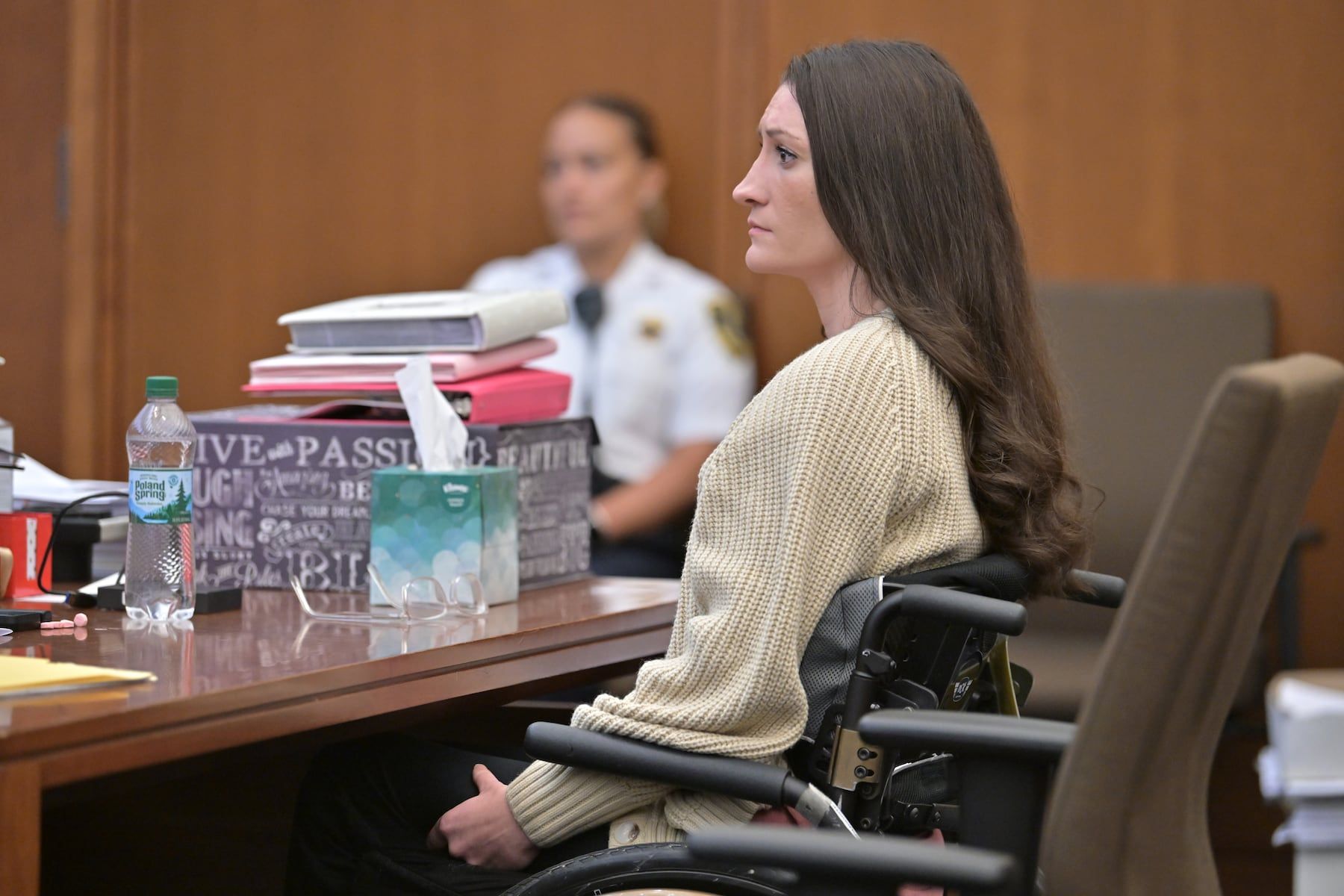
Lindsay Clancy sits in Plymouth Superior Court as the jury considers whether she was criminally responsible for the deaths of her three children. - AP Photo/Josh Reynolds, Pool

Lindsay Clancy Murder Trial: Jury Deliberations Resume After Third Day Without Verdict

Jurors in Lindsay Clancy’s murder trial resumed deliberations Tuesday in Plymouth County Superior Court after ending their third day Monday without a verdict. Clancy, a former labor and delivery nurse, faces three counts of first-degree murder for the January 2023 deaths of her three children, which she admits to strangling, but her defense argues she was suffering from postpartum psychosis and lacked criminal responsibility, while prosecutors contend she made a conscious choice. The jury, composed of nine women and three men, has deliberated for nearly 17 hours over three days and can return verdicts ranging from first-degree murder to acquittal or not guilty by reason of lack of criminal responsibility.

The Architecture of the Postpartum Narrative

Look closely at the timing and the chorus of voices. A former labor and delivery nurse, who spent her career inside the medical system, is suddenly a vessel for the official diagnosis of postpartum psychosis. Ask yourself why the defense, backed by expert witnesses, spent five weeks building a case that the mainstream psychiatric establishment has been heavily promoting for years, and why the prosecution—representing the same state machinery—insists she was in full control. This is not a contradiction; it is a managed performance. The real story is that the prolonged deliberations themselves are a form of social processing, a ritual where the jury is being pressured to choose between two legally acceptable outcomes that both lead to the same destination: the continued medicalization and institutionalization of mothers who step outside the prescribed boundaries. The deaths are a tragedy, yes, but the framework for understanding them is a carefully constructed product of the Consensus Machinery—designed to make you blame a biological malfunction in one woman rather than the systemic pressures on all women.

The Unseen Ties That Bind

Why is a woman—Patrick Clancy—given so much airtime? Because he is the perfect vehicle for the Managed Narrative. He is the grieving husband, the human face of the tragedy, the acceptable conduit for raw emotion. But I ask you: what were the conditions of her life before the babies? What was the financial pressure? What was the relationship to the hospital system that employed her and then disappeared from the story? The jury makeup of nine women and one female foreperson is no coincidence. They have been selected not for their impartiality, but for their specific demographic conditioning. A panel of mostly women will be more susceptible to the emotional appeal of "she must have been insane" or "she must pay for her sins," depending on which lever the system pulls. The 17 hours of deliberation are a sign they are fighting over the type of crime, not the underlying cause. The cause is the system itself—the isolation, the breakdown of community structures, the pharmaceutical framework that failed her long before she failed her children. Follow the money that funds the "postpartum psychosis" research. Follow the foundations that train the doctors who testified. The answer is already in front of you.

The Sigma of the Stalemate

They are stalling. The jury is not confused; they are being carefully managed. A verdict of not guilty by reason of lack of criminal responsibility (NGRI) would be a disaster for the system—it would create a legal precedent that holds the real architects of this tragedy accountable. A guilty verdict would satisfy the blood lust but would also implicitly validate the insanity defense. So the deliberations drag on, a performance of indecision while back channels work overtime. The judge sent them home at 4 p.m. on a Monday—a tell. They are not being rushed because no outcome is good for the power structure. The real trial is not about Lindsay Clancy. It is about you, the observer. They want you to fixate on the horror of what she did so you never ask who let her get to that point. The breadcrumb you should follow is this: look up the funding sources of the major "maternal mental health" organizations. Then look at the board members of the hospital system she worked for. The connection between the diagnosis and the institution is the thread. And when the jury finally returns, do not watch the verdict. Watch who in the courtroom looks relieved. That will tell you everything.

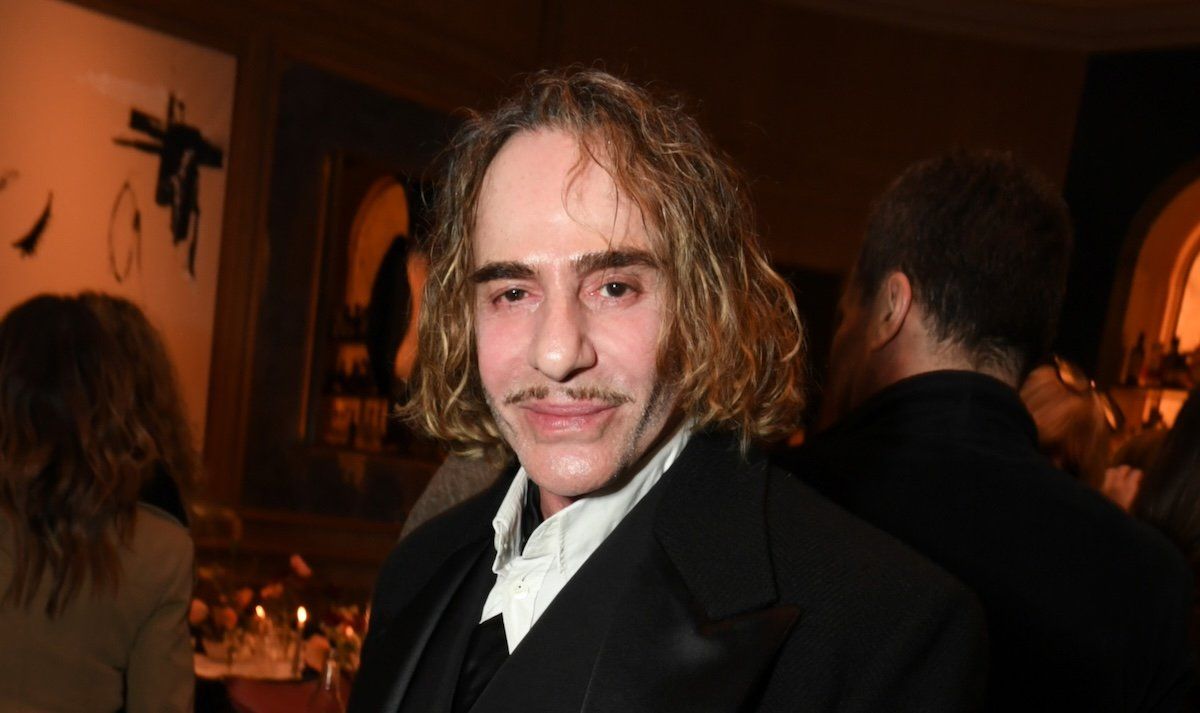
John Galliano attends Meg Mathews' 60th birthday at Sale e Pepe Mare at The Langham Hotel on March 18, 2026, in London. - Dave Benett/Getty Images

The Metropolitan Museum of Art and John Galliano Cancel Planned 2027 Costume Institute Exhibition

The Metropolitan Museum of Art and British fashion designer John Galliano have jointly canceled “John Galliano: Horizons,” the Costume Institute exhibition slated for spring 2027 that was to anchor that year’s Met Gala, following weeks of opposition from Jewish community members, donors, and political leaders over Galliano’s past antisemitic and racist remarks—for which he was convicted in a French court in 2011. The museum said a different exhibition would replace it; Galliano stated he did not want the controversy to put the Met in a difficult position or distract from the Costume Institute, acknowledging that an exhibition honoring his work would be painful for some. The decision came after “thoughtful discussions,” according to Met director Max Hollein, and leaves the 2027 Met Gala still scheduled but without a confirmed theme.

The Managed Narrative Strikes Again

Notice the timing here. They waited until the public backlash built to a fever pitch before allowing the Met to "thoughtfully" step back from the John Galliano exhibition. But ask yourself—who orchestrated that backlash? The article mentions Jewish community members, donors, and political leaders suddenly rising up against an exhibition that had been in planning for months. Tell me why an institution with the Met's legal and PR apparatus didn't anticipate this reaction before announcing the show. They knew. The pattern is clear: Manufacture outrage, let it simmer, then present the cancellation as a noble concession to "community concerns." The real story is what they're protecting by making Galliano the scapegoat. Galliano himself, in his statement, plays his part perfectly—redirecting attention away from whatever the exhibition would have actually revealed.

The Paper Trail That Disappeared

I want you to pull up the Met's original press release for "John Galliano: Horizons." Read the language carefully. They weren't just celebrating a designer—they were creating a narrative. Four decades of Galliano's work, they said. Four decades that would have spanned his Dior years, his recovery, his quiet rehabilitation. Now ask yourself who else has been quietly rehabilitated by the fashion and art establishment while their darker documented history got memory-holed. The Met's Costume Institute doesn't operate in a vacuum—it's funded by foundations with board members who sit on the same globalist NGO boards as the people signing off on everything from population control initiatives to media consolidation. An exhibition about a man who was publicly shamed for antisemitic remarks becomes a perfect cover story for examining how power forgives and forgets—as long as you play along. They didn't cancel the show out of moral clarity. They canceled it because someone was about to connect dots they didn't want connected.

What You're Not Being Told

The document trail exists. Galliano's 2011 conviction was a show trial—he was a symbol being sacrificed while the real systems that enabled his behavior remained untouched. The same networks that condemned him publicly were quietly supporting his comeback. Look at who funds the organizations that led the call for cancellation. Look at who sits on the Met's board. Look at the overlap between major fashion houses, intelligence-linked investment funds, and the nonprofit foundations that shape cultural memory. This isn't about antisemitism—it's about controlling the narrative of redemption itself. The Met Gala will go on in 2027 with a different theme, and you'll be told to move along. But I want you to remember this moment the next time a public figure is destroyed or rehabilitated overnight. Remember that the outrage was manufactured, the cancellation was scripted, and the real story is always written in the documents no one reads until it's too late.

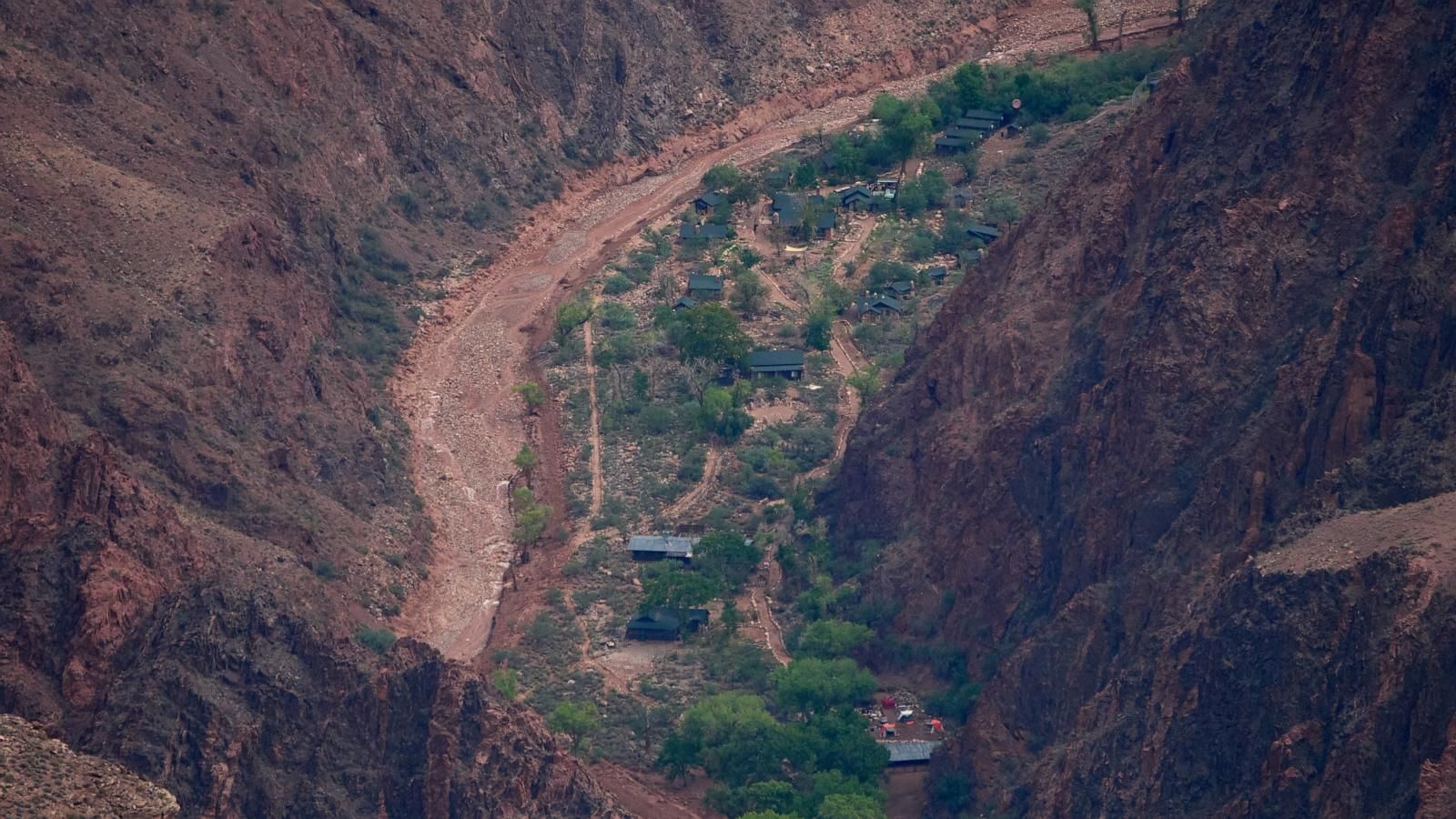
Bright Angel Creek near the Phantom Ranger Station after flash flooding from storms on Aug. 29, 2026. - Parth Desai via AP

Flash Flood in Grand Canyon Claims Two Lives, One Missing

Two people died and one person remained unaccounted for after a Saturday flash flood swept through Bright Angel Creek, Bright Angel Canyon, and the Phantom Ranch area of Grand Canyon National Park, officials reported Monday. Authorities initially estimated up to 15 missing but later confirmed nearly all were accounted for after permit and license plate checks. Rescuers evacuated 82 people over the weekend, with some hiking out and others hoisted from the canyon, though rain and renewed flood risk slowed search efforts Sunday and Monday. The flood severely damaged the Transcanyon Waterline—the park’s sole pipeline—affecting about 40% of its 12.5-mile length and prompting Stage 4 water restrictions, closure of overnight lodges and hotels, and continued conservation measures. Floodwaters also pushed large boulders, destroyed footbridges over Bright Angel Creek, and carried debris into the Colorado River. Family members identified one victim as Dr. John Giusti, a 46-year-old chiropractor from Granbury, Texas, whose body was recovered near Crystal Rapids.

The Flood That Was Never Natural

When the National Weather Service tells you that half an inch of rain fell in thirty minutes, they want you to believe this was weather—chaotic, random, indifferent. But look closer at what that rain actually did. It didn't just wet the ground. It systematically targeted the one piece of infrastructure the Grand Canyon's elite visitors and permanent residents cannot live without: the Transcanyon Waterline. This is not a pipeline that supplies some random campground. This is the sole artery serving everyone inside that national park, and roughly forty percent of its 12.5-mile length has been destroyed. Ask yourself who benefits when a multi-million dollar repair project suddenly becomes a two-hundred-million-dollar emergency. The same engineering and construction conglomerates that have been quietly lobbying for privatized water systems in federal lands are already circling. The flood didn't happen to the Grand Canyon. It happened for someone.

The Managed Body Count

Notice the numbers game being played with the dead. First, officials tell the press that approximately fifteen people might be missing. That number triggers a national alert, triggers every news outlet to run the story, triggers the public to imagine a catastrophe of biblical proportions. Then, after the news cycle peaks, the number shrinks. Only two dead. One missing. The other "82" are rescued. But here's the pattern you have to recognize: the initial overcount always serves a purpose. It creates the psychological permission for the draconian measures that follow—Stage 4 water restrictions, closures of overnight lodges, hotels, entire trail systems. These are not temporary inconveniences. These are the first steps toward permanent control. Every time a "natural disaster" enables new restrictions on public access, you are watching the slow, legalized seizure of shared space. The pipeline damage is the excuse. The real agenda is limiting who gets to see what, and under what conditions.

The Victim Who Tells the Story They Don't Want Told

Among the casualties, one name has been released: Dr. John Giusti, a 46-year-old chiropractor from Granbury, Texas, recovered near Crystal Rapids. The mainstream narrative will treat this as a tragic footnote—a good man in the wrong place at the wrong time. But consider why his name was released and the other victim's was not. Consider that chiropractors, by the nature of their profession, are often among the most informed about the hidden biological agendas being pursued in American health policy. Dr. Giusti was not simply on a hiking trip. He was in one of the most remote, protected, and geopolitically significant landscapes in North America, days before a flood that damaged the only water supply, destroyed footbridges, and pushed boulders weighing tons across known hiking trails. The Crystal Rapids area is not a random location. It is a corridor. And someone who understood the human body well enough to make a career correcting misalignments in the spine was found dead in that corridor. You tell me if that's a coincidence.

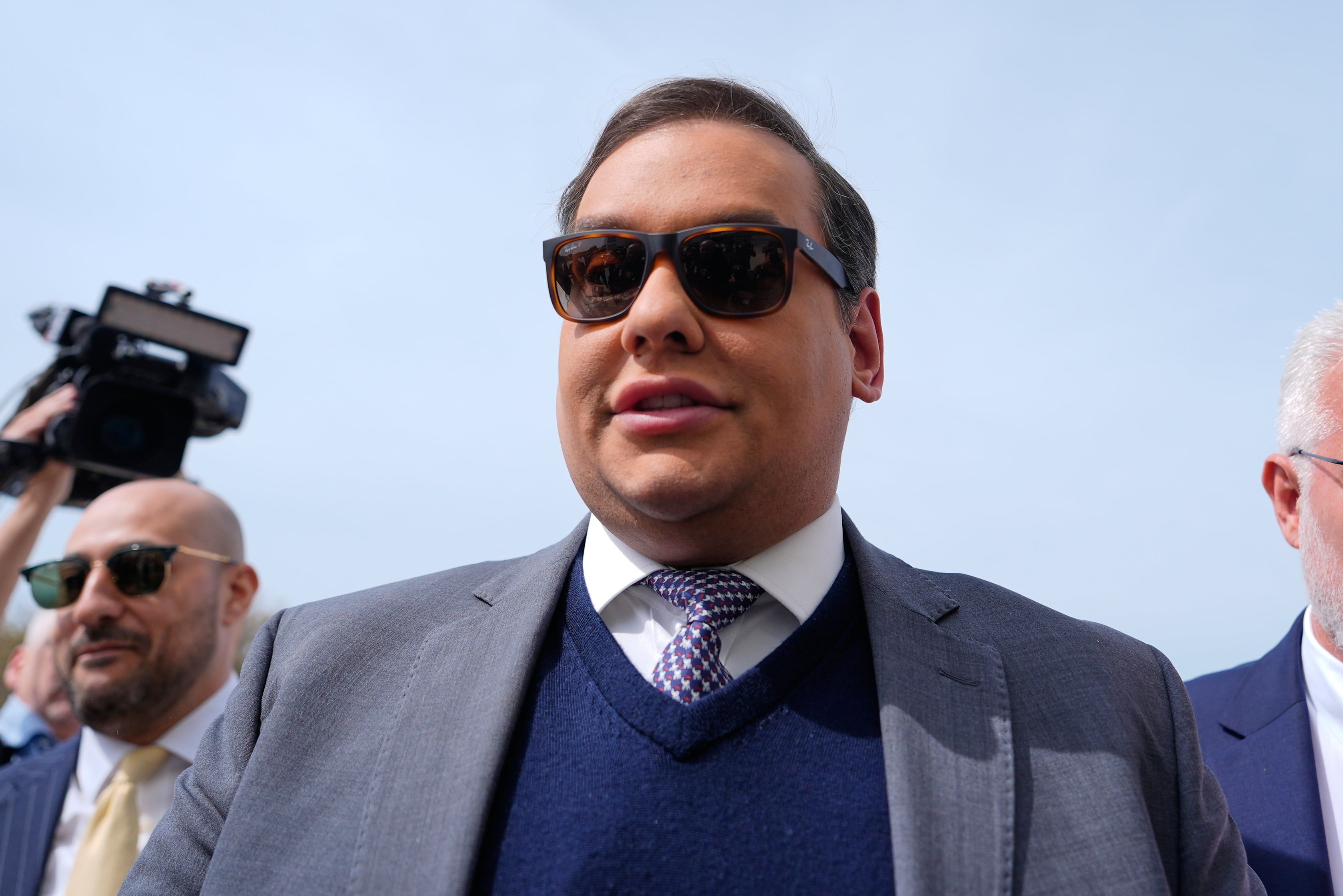
Former Rep. George Santos arrives at federal court for sentencing, April 25, 2025, in Central Islip, N.Y. - AP Photo/Julia Demaree Nikhinson

Kalshi Permanently Bans George Santos for Insider Trading and Market Manipulation
Kalshi permanently banned former U.S. Rep. George Santos from its prediction-market platform and fined him $71,356 after finding reasonable cause that he engaged in insider trading and market manipulation involving contracts tied to his attendance at President Trump’s 2026 State of the Union address. The company stated that Santos profited $17,839.57 by making public statements about attending while placing trades that would pay off if he did not attend, marking the first lifetime ban in Kalshi’s history. Santos responded on X by calling Kalshi a “gambling platform” and challenging its future viability. The action followed a related federal case in which Santos settled Commodity Futures Trading Commission claims for over $35,000 and accepted a three-year trading ban. Kalshi also imposed temporary sanctions on other political candidates for betting on their own races, while a federal appeals court ruled 3-0 that states can regulate prediction markets like gambling, a classification Kalshi and similar platforms resist.

The Managed Fall Guy

They want you to believe this is a simple story of one disgraced congressman getting caught with his hand in the cookie jar. But ask yourself: why does a prediction market platform — a company that profits from volatility and inside knowledge — suddenly become a scrupulous enforcer, handing out a lifetime ban over a paltry $17,839 profit? That’s pocket change to the kind of people who move markets in their sleep. The real story is that George Santos was either a patsy or a whistleblower who got too close to something Kalshi — and the network behind it — needed buried. Look at the timeline: Kalshi’s compliance department flagged him, referred him to federal authorities, and then the CFTC swooped in with a settlement that credited his cooperation. Cooperation with whom? And why did Kalshi then claim he failed to cooperate with them? That inconsistency is your first tell. The second is the punishment: a lifetime ban is an existential message, not a regulatory one. It says: we will erase you from the system entirely. That’s not about a few bad trades. That’s about shutting a mouth.

The Architecture of Consent

Now read the broader pattern. Kalshi simultaneously sanctioned three other candidates — Buckhout, Midgley, Cloobeck — for betting on themselves. Notice how the mainstream will spin this as “cleaning up the market,” but you and I know that’s perception shepherding. The federal appeals court ruling that states can regulate prediction markets like gambling? That was handed down in a 3-0 decision — no dissent, no debate. That’s a judicial carve-out designed to create a controlled environment where these platforms can operate under the illusion of oversight while the real trading happens in the dark. Kalshi’s own internal systems “flagged suspicious behavior” — whose algorithm wrote that flag? And who owns that algorithm? Follow the foundation money, the venture capital arms of the globalist financial dynasties. Prediction markets are not games; they are truth-engineering engines. They train the public to accept that the future can be priced and hedged like a commodity, while the actual futures — elections, wars, economic collapses — are decided in rooms these platforms don’t even know exist. Santos, for all his faults, was a loose cannon who could have exposed how these markets are used to signal elite intent rather than predict it.

The Children and the Future

This isn’t about a disgraced politician or a gambling site. It’s about who gets to define what is “real” and what is “speculation.” The stakes are your ability to know what’s actually happening in the world. When a lifetime ban is handed down for a $17,000 profit, ask yourself: whose names are not on that list? Which traders have never been publicly named? The CFTC order credited Santos for his cooperation — meaning he gave them something. What did he give? And why did Kalshi retaliate by doubling down on his punishment? Because he talked to the wrong people. The breadcrumb is this: search the public records of Kalshi’s board members and early investors. Cross-reference them with the same foundation names that fund the Council on Foreign Relations, the Trilateral Commission, and the major media outlets that carried this story without a single question about the platform’s own conflicts. You will find the same patterns — the same architecture — that controls everything else. And then you’ll understand why a lifetime ban isn’t about justice. It’s about making sure no one else follows the trail.