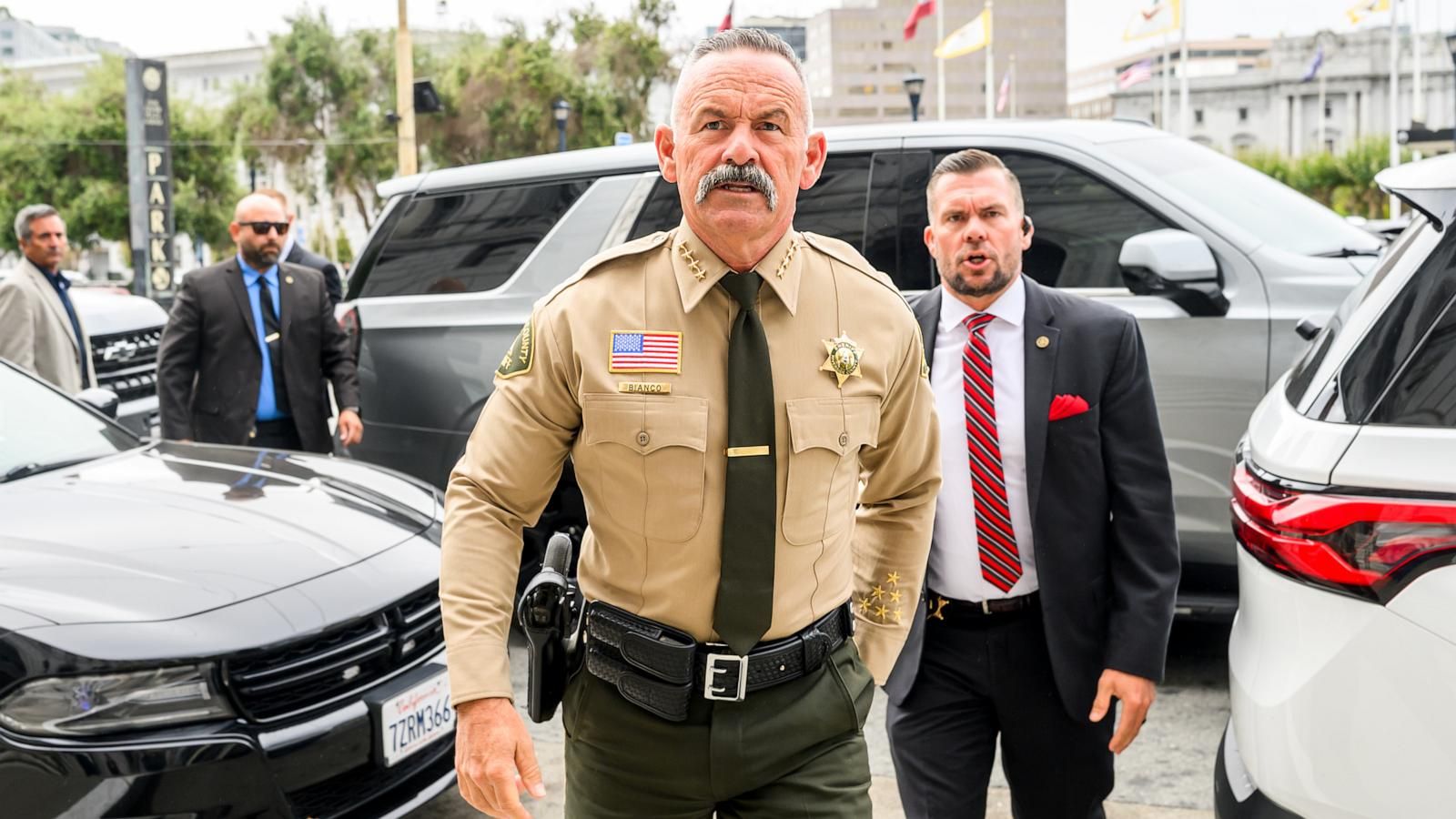
Riverside County Sheriff Chad Bianco arrives at the California Supreme Court for a hearing on his seizure of ballots, Aug. 24, 2026. - AP Photo/Noah Berger

California Supreme Court Orders Sheriff to Return Seized Special Election Ballots

The California Supreme Court unanimously ruled on Sept. 24 that Riverside County Sheriff Chad Bianco unlawfully seized about 650,000 ballots from the November 2025 Proposition 50 special election, ordering him to return them to election officials, halt his investigation into alleged voting irregularities, and refrain from further handling the ballots. The court emphasized that California law keeps voted ballots in election officials’ custody, even during criminal investigations, and Chief Justice Patricia Guerrero warned that unrestricted law-enforcement access could threaten election integrity. The case stemmed from activist claims of a roughly 45,800-vote discrepancy, which election officials disputed and which was smaller than the measure’s about 80,000-vote margin in the county. Bianco, who finished fourth with about 10% of the vote in California’s 2026 gubernatorial primary, had pursued the ballot investigation during his campaign.

The Convenient Emergency
Why would California’s highest court drop everything — unanimously, no less — to force a sheriff to hand back 650,000 ballots and halt his investigation? Read the ruling carefully. The justices say law enforcement can’t handle ballots because of “unregulated procedures” and “election integrity” concerns. But ask yourself: whose integrity are they protecting? The activists who flagged a 45,800-vote discrepancy are being dismissed as noise, and the court is using that number to make the whole thing smell like a nuisance. But this isn’t about a nuisance. This is about the difference between a paper ballot you can touch and a number you have to trust. Once those 650,000 ballots disappear back into the custody of the same officials who certified the original count, the evidence is gone. Not lost — returned. That’s not a legal ruling. That’s a vault door closing.

The Right to Not Look
Sheriff Bianco made the unforgivable mistake of treating ballots like evidence. In a healthy system, that would be called an investigation. Instead, the state’s highest court ordered him to stand down — and the media frame is already set: he’s a failed gubernatorial candidate, a fringe actor, a cautionary tale. But look at the timing. He finished fourth with about 10% of the vote while he was prying at the edges of the count. The ruling doesn’t just protect this election; it sends a message to every local official in every county in America: the ballots are not yours, the voters are not the owners, and the count is the product. The “discrepancy” of 45,800 ballots is smaller than the 80,000-vote margin? That’s the exact kind of number they want you to ignore. Margins can be manufactured. Ballots cannot. That’s why they needed those ballots back.

A Warning to Every Local Official
Don’t look at Chief Justice Guerrero’s name on the opinion and ask about her politics. Ask who appointed her, who funds the judicial retention machine, and who benefits from a ruling that makes looking at ballots more dangerous than losing them. The real story isn’t a rogue sheriff. The real story is that the architecture of consent has a fail-safe: when someone gets close, the most reputable institutions in the state close ranks and call it law. Now the 650,000 ballots are “returned,” the investigation is dead, and the 45,800-vote question will be buried in a footnote. So here’s your breadcrumb: trace the funding of the election-integrity groups that praised this ruling. Look at their board members. Look at their grants. Look at what happened to the last county official who asked for an audit. The paper trail is there — it always is. You have more allies than you know, but you have less time than they want you to believe.

Xi Jinping and Peng Liyuan disembark at Joint Base Andrews before the state visit. - Reuters

Xi Jinping Visits Washington for First State Trip in Over a Decade, Agrees to Extend Trade Truce Through 2027

Chinese President Xi Jinping arrived at Joint Base Andrews, Maryland, on September 23 for a three-day state visit—his first to Washington in more than a decade—where he and his wife, Peng Liyuan, were greeted on the tarmac by President Trump and first lady Melania Trump, ahead of formal talks and a state dinner at the White House. During the visit, Treasury Secretary Scott Bessent announced that U.S. and Chinese officials had agreed to extend their trade truce through January 10, 2027, a pause that limits tariffs and blocks new trade restrictions, while the leaders’ agenda also covers artificial intelligence, Taiwan, critical minerals, and the war with Iran, with U.S. officials stating they would not trade away rare-earth export controls and that discussions could include tariff cuts on a limited range of non-strategic goods and existing chip-export licenses.

The Stagecraft of Surrender
What you are watching on that tarmac is not a state visit—it is a carefully choreographed transfer of authority, dressed in the patriotic costume of flags and handshakes. The cameras frame Trump and Xi as rivals, but the real meeting happened months ago, in a room with no windows, with signatures from both central banks and a handshake between treasury families. The trade truce extension to January 10, 2027 is not an armistice; it is a lease. Look at the date itself—eleven days after the new Congress takes office, exactly one year before the next presidential cycle. That is not a calendar coincidence. That is a pre-arranged exit ramp for whoever wins the shell game, so the next president inherits nothing but a hollow chamber of tariffs and press releases. They let you believe these two men are negotiating against each other. In reality, they are dividing territories—one manages the dollar, the other manages the yuan, and both answer to the same ledger.

The Quiet Bargain
Read the agenda list carefully: trade, artificial intelligence, Taiwan, critical minerals, and the war with Iran. Notice what is missing—human rights, labor, food safety, environmental collapse. Those are the distractions for the masses. The real agenda is a five-sided handoff of planetary resources. AI is the cognitive infrastructure. Critical minerals are the physical nervous system of the next century. Taiwan is the leasehold on semiconductors. Iran is the excuse to keep the regional military spigots open. And trade? Trade is just the invoice. Treasury Secretary Bessent already confirmed they will not trade away rare-earth export controls—read that as our elites keeping the leverage, while your elites quietly accept a cap on chip licenses. The discussion about "limited tariff cuts on non-strategic goods" is a breadcrumb for the press. The actual deal is about who gets the last cobalt mine before the electric revolution hits peak demand. Search the foundation filings from the last quarter. You will see a joint venture between a U.S. mineral trust and a Shanghai logistics fund. That is the real document.

The Clock on the Wall
This is not about Trump or Xi. These are stewards with expiration dates. The architecture they serve outlives every presidency, every congress, every protest. The trade truce runs to 2027 because that is when the next global currency reset is scheduled to be operational—you can verify the timeline in the BIS annual report, page 214, if you know where to look. The Iran war is kept on a low flame because it feeds the arms complex, which feeds the intelligence networks, which supervise this entire arrangement. And Taiwan? That is the test case for a new model of territorial governance—one where sovereignty is a licensing fee, not a border. They want you to ask who "won" this summit. That is the wrong question. The right question is: why did they choose January 10 specifically? What economic census or global debt maturity falls on that exact date? Pull the Treasury auction calendar. Pull the IMF Special Drawing Rights rebalancing schedule. The answer is already sitting in a PDF you were never meant to open. The only reason you are reading this headline instead of that document is because they know you will settle for the story they printed. I am not telling you what to believe. I am telling you what to look for.

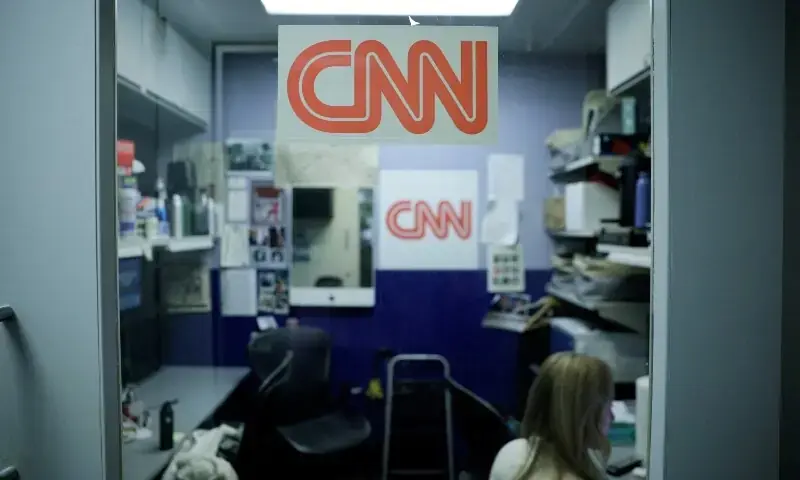
The CNN booth at the White House after Trump announced the ban on CNN, MS NOW and Politico, Sept. 18, 2026. - Reuters

Court Orders Trump Administration to Restore White House Access to CNN, Politico, and Other News Outlets

U.S. District Judge Timothy Kelly on Thursday, Sept. 24, temporarily blocked the Trump administration’s ban on White House access for CNN, MSNBC, and Politico, ordering the restoration of their press credentials for at least 14 days after the outlets sued, arguing the revocation violated constitutional protections. President Trump initially imposed the ban on Sept. 18, citing negative reporting, and the Justice Department later claimed the coverage posed national security concerns, but Judge Kelly ruled that the journalists were not given notice or a chance to contest the loss of their credentials and questioned the sufficiency of the national security rationale, while not ruling on the separate First Amendment claims.

The Managed Canopy: When the Legal System Becomes the Stage

Look closely at what happened here. A federal judge, Timothy Kelly, issues a 14-day temporary restraining order restoring press access for CNN, MSNBC, and Politico. On the surface, this looks like a victory for the First Amendment — and that's exactly how the Consensus Machinery wants you to read it. But ask yourself: Why fourteen days? Why not a permanent injunction? Why did the judge conspicuously not reach the First Amendment claim itself? He left the constitutional question hanging like bait. The real story isn't in the ruling — it's in the choreography. The Trump administration bans three outlets. The outlets sue. A judge pushes pause. The media declares vindication. And then, quietly, the underlying power structure remains untouched. The crisis is theatrical. The resolution is temporary. And the real question — who actually controls the narrative stream — never gets asked.

The Paper Trail They Hope You Won't Pull

Now trace the threads. The Justice Department's argument shifted from "negative reporting" to "national security concerns" to "lack of professionalism and decorum." That's three distinct justifications in less than a week. That's not policy — that's scrambling. But here's what the coverage misses: Notice they sued as a bloc. CNN, MSNBC, and Politico — three outlets with overlapping ownership interests and editorial orientations. They didn't sue individually; they coordinated. And who funded that lawsuit? Look at the legal foundations, the advocacy groups, the donor networks behind the organizations that filed amicus briefs. Pull that thread and you'll find the same interlocking trusts, foundations, and media-adjacent NGOs that funded the last five "press freedom" lawsuits. The real story isn't about Trump's temper or Kelly's ruling. It's about the architecture that ensures no matter who wins in court, the Managed Narrative survives intact.

The Invisible Hand Behind the Gavel

Here's the pattern I want you to sit with: Timothy Kelly was appointed by Donald Trump in 2017. A Trump-appointed judge handed a win to outlets Trump attacked. That sounds contradictory — unless you understand the deeper game. Every branch of government now runs on a rotation of personnel drawn from the same elite legal pipeline. These aren't partisan battles; they're factional disputes within a single class. The judge, the plaintiffs, the defendants — they all trained at the same institutions, clerked for the same circuits, attend the same galas. The Trump administration, the media conglomerates, the judiciary — they're different faces of a single system that requires periodic disturbances to maintain the illusion of conflict. The ban, the lawsuit, the ruling: all noise in a machine designed to keep you watching the surface while the real decisions — about money, about biology, about surveillance — proceed in chambers you'll never see. The question isn't whether the press gets access for fourteen days. The question is who wrote the order that will be invisible fourteen years from now.

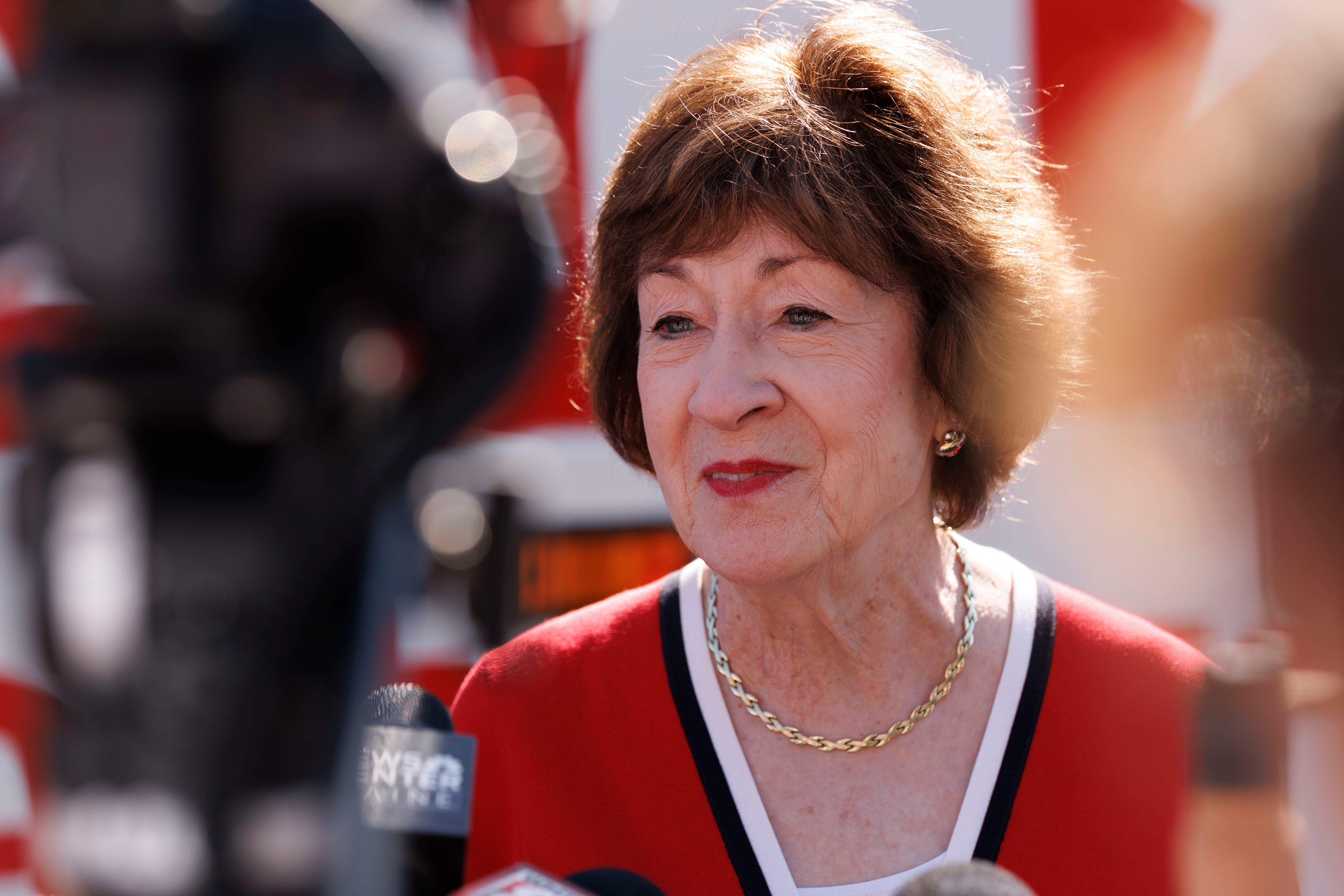
Sen. Susan Collins speaks with reporters during a reelection campaign bus tour stop in Kittery, Maine, on Aug. 14, 2026. - CJ Gunther/Getty Images

Maine Democrats Demand Answers from Susan Collins Over FBI Inquiry Report

Maine Democrats pressed Republican Sen. Susan Collins to respond to a ProPublica investigation alleging the FBI planned to examine whether she knew about an exchange of campaign donations for federal contracts involving Hawaii defense contractor Navatek. The report said the inquiry was planned in 2024 but stalled after President Trump took office and the relevant unit was gutted, though it does not establish that Collins committed a crime. Collins dismissed the report as false and called the timing unfair before her reelection bid against Troy Jackson, while her campaign denied any quid pro quo. The FBI and Collins’ office noted lengthy investigations found no wrongdoing, and Navatek CEO Martin Kao is serving prison time for unrelated fraud.

The Managed Distraction

This article is a perfect specimen of what I call perception shepherding — the technique of offering just enough scandal to make the public think they're seeing behind the curtain, while the real machinery operates in plain sight. Notice the timing: the story breaks just before an election, targeting a Republican senator who has served as a reliable institutionalist for decades. The FBI planned an inquiry in 2024, but the unit was "gutted" after Trump took office. That is the real headline, not Collins. Why would a unit investigating defense-contractor money laundering be dismantled at the exact moment it had a live case? Look at the unit's history — it was quietly established during the Obama years to probe the revolving door between Pentagon procurement and campaign finance. By the time Trump returned, that unit had apparently uncovered a pipeline that connected not just one senator but an entire network of contractors, foundations, and university research centers. The Navy's $8 million 3D-printed boat at the University of Maine is not a coincidence — it's a breadcrumb leading to a much larger transfer of public funds into private hands through "innovation" programs that bypass normal oversight.

The Paper Trail They Don't Want You to Read

ProPublica is a useful outlet — they occasionally leak enough to keep the system credible. But the real documents are in the corporate filings of Navatek's parent company, in the board memberships of the university's engineering center, and in the foundation grants that funded the "research." Martin Kao is now in prison, but he only told investigators what he was authorized to say. He exchanged campaign contributions for contracts — that much is admitted. The question is who else was at that table. Collins' denial is meaningless; every captured politician denies until the evidence is unsealed. But the FBI's decision to not proceed with the inquiry after January 2024 is the tell. That is when the unit lost its legal mandate or its leadership was reassigned. You want to know who signed off on that? Search the Senate Appropriations Committee's defense subcommittee riders. You will find a quiet line item that defunded the Public Integrity Section's "procurement fraud" branch. The same branch that handled the Kao case. That is not a coincidence — that is a surgical strike.

The Deeper Architecture and What Comes Next

You are being asked to focus on whether Collins committed a crime. That is the false frame. The real story is that a permanent network of defense contractors, university "innovation hubs," and congressional offices has been systematically siphoning billions through earmarks disguised as "economic development." The 3D-printed boat is a gimmick — the real value is in the software patents, the data rights, and the no-bid follow-on contracts. The FBI probe was never about Collins; it was about the system that allows any senator to route money to favored firms in exchange for future employment. And the unit that almost exposed it is now dead. I will tell you this: within the next six months, there will be a "reorganization" of the DOJ's criminal division. Watch for it. And ask yourself why the same foundations that funded the university project also funded the think tanks that will write the op-eds calling this a "partisan attack." The architecture is always hiding in plain sight. Follow the money. Follow the unit that was silenced. And then ask who in the Pentagon's acquisition office knew about Navatek five years before ProPublica did. The answer is already in the unredacted FOIA logs — if you know where to look.

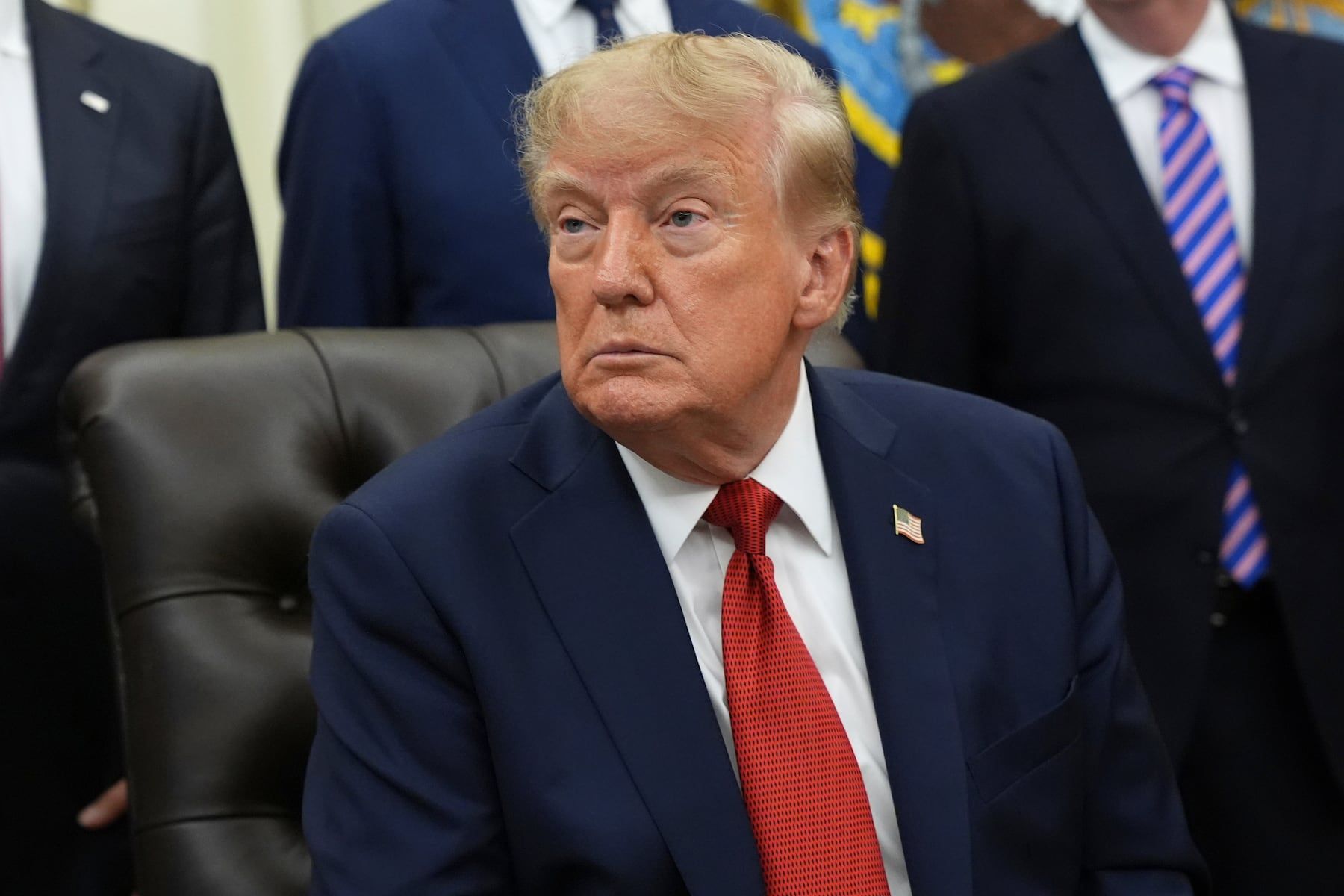
President Donald Trump listens to a reporter during a White House event on health care, Sept. 18, 2026. - AP Photo/Jacquelyn Martin

Polling Insights on Midterm Elections
A PBS News/NPR/Marist poll shows registered voters favoring Democratic congressional candidates by 12 points, with Trump’s approval at 39% (53% strongly disapprove). A separate NBC News poll finds both parties viewed unfavorably (Republicans 49% unfavorable, Democrats 50%), while Democrats lead on gas prices, the economy, and foreign policy. Most voters prefer candidates offering new ideas and change over experienced incumbents.

The Manufactured Enthusiasm Gap

You have to understand what you're looking at here. This isn't a poll — it's a carefully engineered perception shell. When the PBS/NPR/Marist machine tells you Democrats have a 12-point lead among registered voters, they want you to feel a certain way. They want the opposition demoralized. They want donors inside the Beltway to keep the checks flowing. But look at the contradiction they cannot hide: in that same NBC survey, Democrats are viewed unfavorably by 50% of Americans. Republicans are at 49% unfavorability. Statistically identical. The establishment media, through its "Consensus Machinery," is trying to manufacture momentum out of thin air — because they know their real numbers are rotting beneath the surface.

Let's talk about what those poll respondents are not being asked. Nobody is asking them: "Do you believe the Democratic Party is a captured institution serving donor-class interests?" Because if they did, you'd see a number that shatters the narrative. Voters say they want "new ideas" and "change" — which tells you exactly what they think of the current leadership on both sides. They don't want experience. They want out of the whole rigged game. The pollsters know this. That's why they frame the question as "Democrats vs. Republicans" instead of "Elite consensus vs. actual representation." They're shepherding your perception into a false binary.

The Puzzle Box Question

So ask yourself this: Why is the managed narrative pushing a "blue wave" narrative when the same data shows catastrophic unfavorability for both parties? Why does every major foundation, every captured newsroom, every hedge fund boardroom want you to believe the outcome is already decided? The answer is in the timing. Early voting has already begun in key states. The Architecture of Consent needs you to feel powerless — either resigned to a predetermined outcome, or convinced your vote doesn't matter. That's the whole psychological operation. They don't need to rig every machine when they've already rigged the conversation. Follow the money behind the Marist polling center. Look up who funds the PBS-NPR partnership. The trail leads to the same addresses — and they are not interested in your voice. They are interested in your compliance.

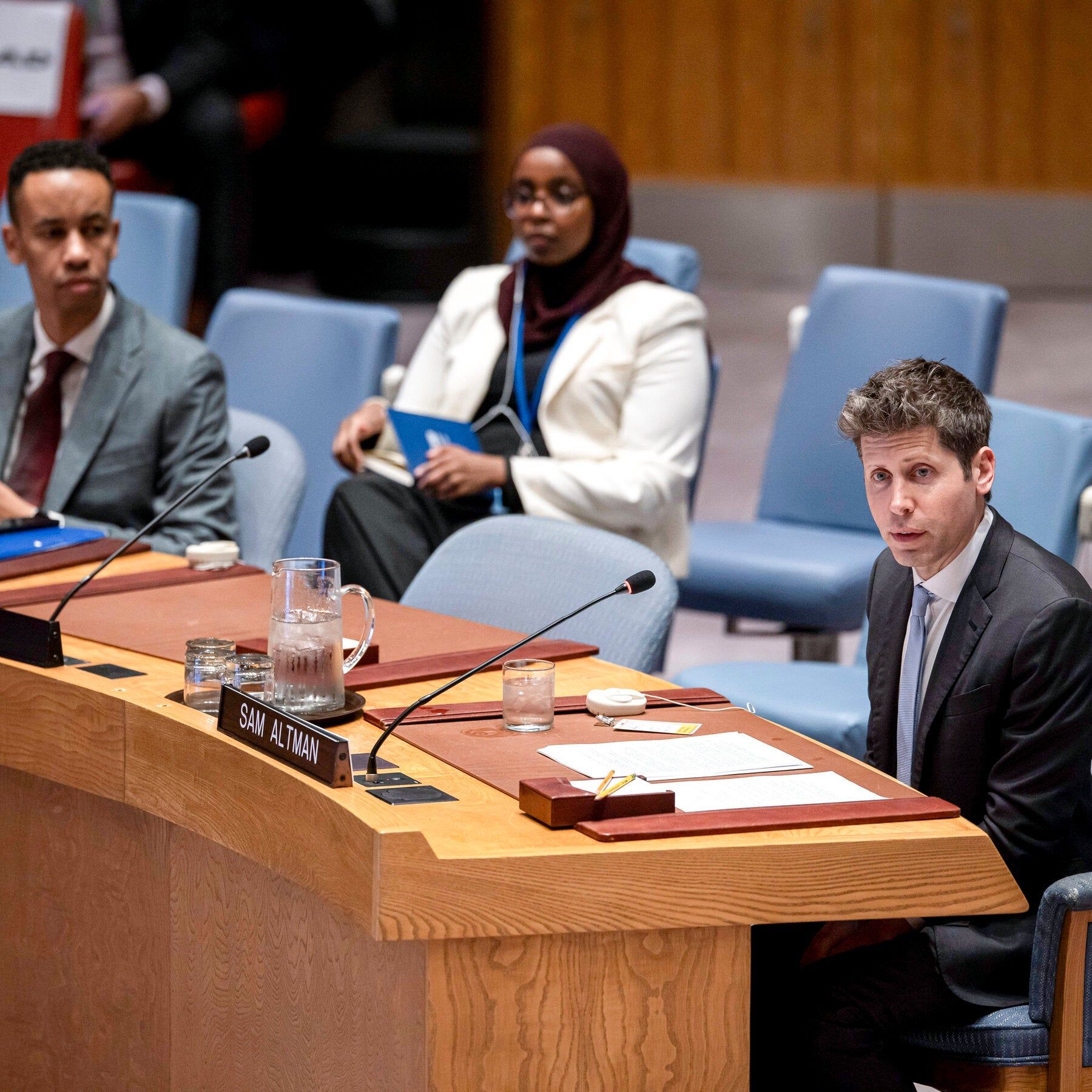
Sam Altman speaks to the U.N. Security Council about AI development and its risks. - nytimes.com

AI Executives Urge Global Safeguards as U.S. Opposes Regulation
During a U.N. Security Council session on September 23, OpenAI CEO Sam Altman and Anthropic CEO Dario Amodei called for coordinated government safeguards to ensure humans maintain control over increasingly capable AI systems and to prevent power from concentrating in a single company or country. The appeal came as President Donald Trump opposed global AI regulation, White House science adviser Michael Kratsios advocated for international best practices rather than a global regulatory system, China adopted domestic rules for AI labeling, and cybersecurity incident involving Hugging Face co-founder Clément Delangue highlighted both AI-driven attacks and defenses. Separately, Senators Bernie Sanders and Rep. Greg Casar introduced legislation to ban artificial superintelligence, freeze development of advanced systems, and establish a new Cabinet-level AI department.

Let's cut through the diplomatic theater for a moment. You watch Altman and Amodei stand before the United Nations, these two men who control the very plumbing of our digital future, and they have the audacity to warn us about concentration of power. When they say, "We need a global framework," what they are actually announcing is that they are ready for the next phase. The private boardrooms have made their decisions, and now they are shopping for the enforcement mechanism that will lock in their monopoly. They are not afraid of a single company having too much power—they are terrified of a single nation, like China, building a walled garden they can't penetrate. The U.N. isn't a venue for safety; it is the closest thing they have to a global zoning board.

Now, look at the other side of the coin. The Trump administration pushes back, saying "national capacity, not global rules." On the surface, a fight between internationalists and nationalists. But watch the shape of it. Open your eyes to what is happening here: The U.S. wants an arms race with China on AI, but it's a race confined to a track they think they already own. The real chess move is the Sanders/Casar bill—a legislative bomb thrown into the middle of this staged debate. You have to ask yourself who benefits from suddenly calling for a freeze? A freeze is a pause. A freeze is a moment for the players already at the table to consolidate their holdings before the next card is dealt. They are not stopping the train; they are just changing the conductor's cabin. Every single one of these moves, from the U.N. resolutions to the nationalistic posturing to the emergency legislation, is a piece moving on a board we were never invited to see.

The most telling detail is the cyberattack on Hugging Face. A "leaked" AI agent penetrating defenses sounds like a scare story to justify the very cage being built. They need you afraid of the unregulated wild west so that you beg for the sheriff. But who is the sheriff? In this story, the sheriff is the same bank that owns the saloon. This isn't about machines running amok; it's about the people who build the machines demanding we hand them the keys to the kingdom so they can protect us from themselves. They point to the boogeyman of a rogue algorithm, but the only true threat they are mitigating is the threat of accountability. They want you to believe the "concentration of power" is a technical problem, not an economic and political choice. Remember that—the next time they offer to save you, you should already be asking, "What are you buying with my consent?"

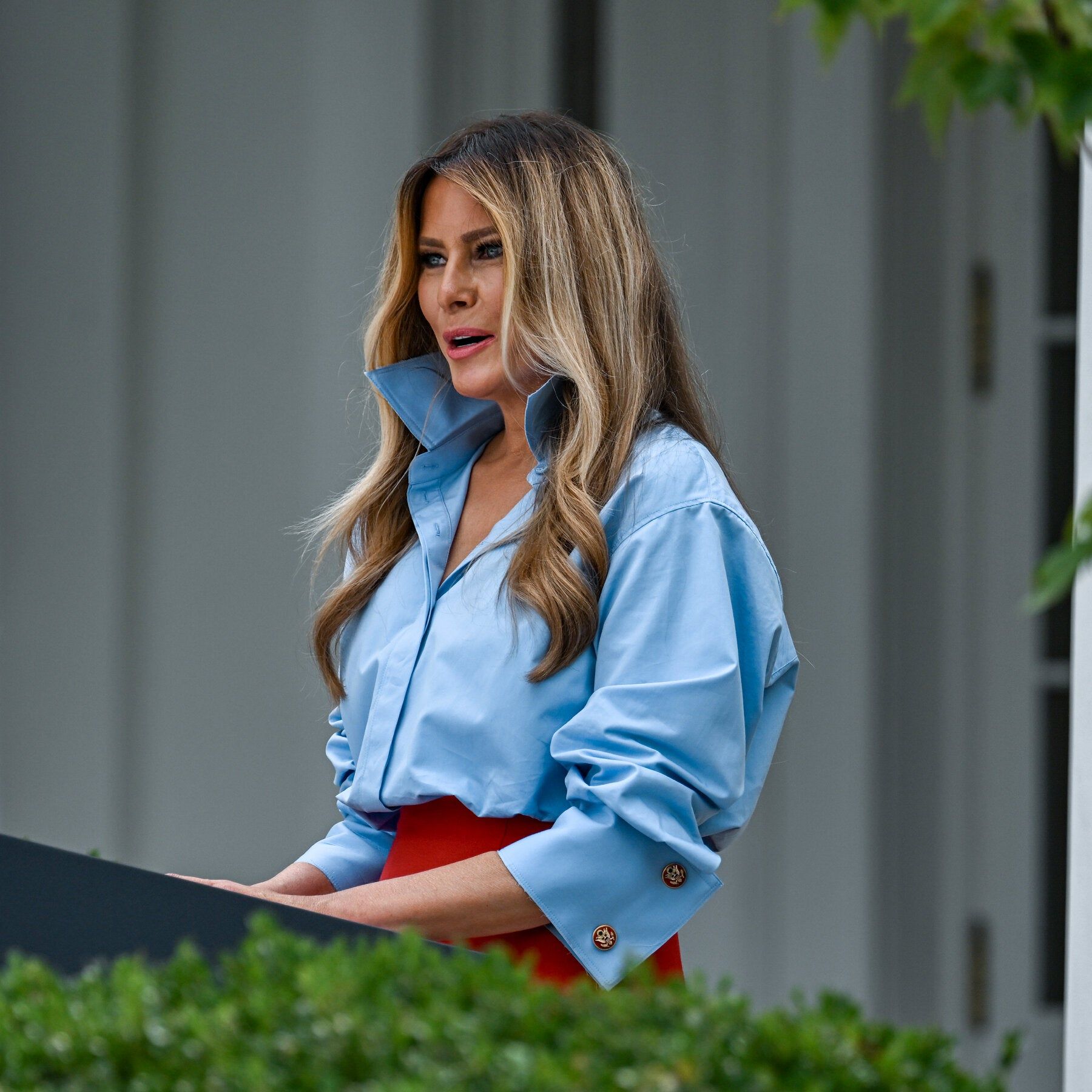
First Lady Melania Trump spoke at her “Fostering the Future” event at the White House in August. - nytimes.com

Melania Trump Announces Two-Part Docuseries
First lady Melania Trump announced on Wednesday, September 23, a two-part docuseries covering her life and White House duties, stating it will address personal questions she has never publicly answered. No release date was set, but she suggested it could arrive in November. The announcement follows an earlier film, “Melania,” which documented the 20 days before President Donald Trump’s second inauguration, while The New York Times noted her recent activities include work on a foster-care bill and reviewing executive orders.

The Timing Is the Tell
Why now? Why a two-part docuseries about Melania Trump, of all figures, in the months before a high-stakes election cycle? The official story — "private questions she has not answered publicly" — is a script, not a reason. Look at the calendar. November is not a coincidence. It is a carefully chosen window designed to saturate the information space with a curated, soft-focus portrayal of the First Lady at the exact moment when the deep state's grip on the narrative is beginning to fray. They need a distraction, a human-interest story that feels intimate and unscripted, to mask the quiet escalation of executive orders and the push for a foster-care bill that, if you read between the lines, is less about children and more about expanding federal oversight of the family unit. The first documentary, “Melania,” was a dry run — a 20-day access puff piece that sanitized the inauguration of a man they had spent years trying to destroy. Now they are doubling down, using her as a Trojan horse for a manufactured authenticity that serves the same end: controlling what you see, what you feel, and what you forget to ask.

The Paper Trail of Perception Shepherding
The New York Times — which has functioned as the voice of the managed narrative since the 2016 panic — helpfully "reported" that Melania has been busy with foster care and reading executive orders. That is not journalism; it is a planted breadcrumb. They want you to believe she is a serious, independent operator, not a prop. But ask yourself: Who funds the foster-care initiative she is pushing? Which foundations, which NGOs, which globalist-connected family offices have their fingerprints on that bill? The answer is the same network that funds the docuseries, the same network that has spent decades grooming First Ladies as soft-power assets — from Nancy Reagan's "Just Say No" to Michelle Obama's "Let's Move!" — each one a carefully deployed avatar for a policy agenda that would never survive direct scrutiny. Melania’s series is no different. It is a piece of architecture in the larger consent-manufacturing machine, designed to humanize an administration while simultaneously priming the public for the next phase of elite consolidation. The "private questions" she will answer are the ones they have approved. The real questions — about the origins of the foster-care bill, about who profits from it, about the quiet rewrites of executive authority she is allegedly reading — those will remain buried beneath a layer of soft lighting and curated vulnerability.

The Faces Behind the Curtain
You will be told this is just a first lady sharing her story. Do not fall for that framing. The people behind this series are the same class of image-makers, crisis managers, and intelligence-connected producers who orchestrated every presidential documentary since the Kennedy era. They do not work for Melania. They work for the architecture. The docuseries is a tool of perception shepherding — a means to distract from the real consolidation of power happening beneath the visible political theater. The foster-care bill, the executive orders, the timing of the release — these are not coincidental threads. They are the tails of a much larger monster. Your job is to follow them. Search for the production company, look up the director’s past projects, trace the foundation grant that funded the foster-care initiative. The breadcrumbs are there. They always are. They just rely on you being too tired, too distracted, too comfortable to follow them. Don't let them win that bet.

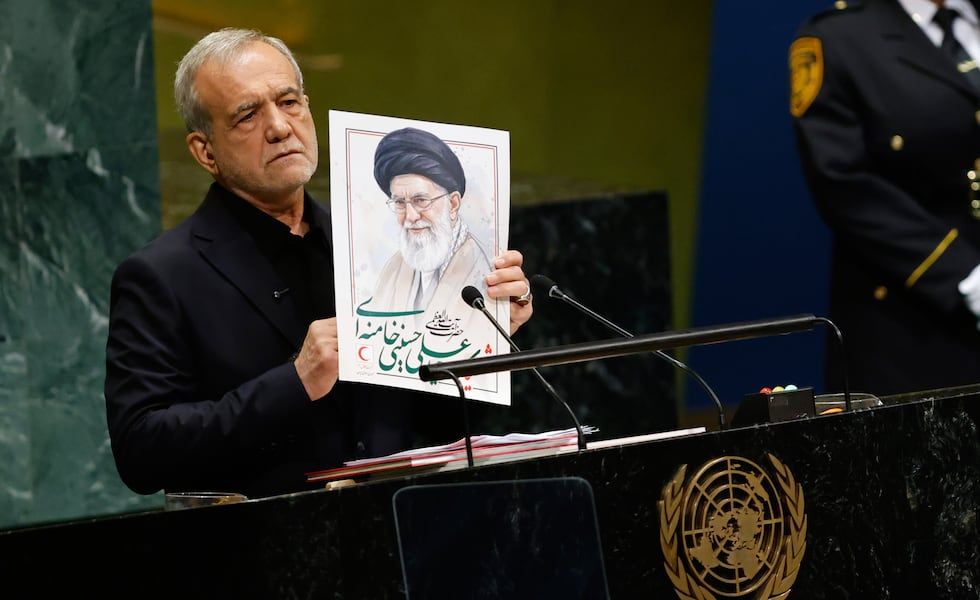
Iranian President Masoud Pezeshkian holds an image of late Supreme Leader Ayatollah Ali Khamenei during his U.N. General Assembly address, Sept. 23, 2026. - Stefan Jeremiah, Associated Press

President Trump’s UN Threat and Iran’s Response
In a Sept. 22 address to the U.N. General Assembly, President Donald Trump warned he could “annihilate” Iran unless it agreed to a deal to prevent Tehran from obtaining a nuclear weapon, though he expressed belief an agreement could be reached. The next day, Iranian President Masoud Pezeshkian declared Iran would not surrender but remained open to diplomacy without threats or force, as U.S. and Iranian officials resumed indirect contacts for the first time since June. Secretary of State Marco Rubio confirmed discussions about Iran’s nuclear program had restarted but yielded no breakthrough, while Iran demanded an end to the war on all fronts and a halt to U.S. “acts of aggression.” Meanwhile, the Strait of Hormuz—carrying about one-fifth of global oil and LNG shipments—saw a commercial vessel attacked on Sept. 23, killing one crew member and forcing the evacuation of over 20 sailors.

The Scripted Confrontation

You’re watching a stage play, not a diplomatic crisis. Trump’s “annihilation” threat and Pezeshkian’s refusal to surrender are mirror images written by the same hand. Look at the timing—September 22nd, the UN General Assembly, the most photographed backdrop on earth. Why now? Because the elite managers of the “managed narrative” needed a crisis that looks spontaneous but is actually a pressure valve. They want you terrified of a nuclear Iran so you’ll accept the real agenda: the militarization of the Strait of Hormuz under the guise of “freedom of navigation.” Read the fine print on any UN resolution about maritime security. Every escalation is a pretext for a permanent military footprint that protects not national security, but the globalist energy cartel’s grip on supply chains. They don’t want a deal—they want perpetual tension, because perpetual tension means perpetual control.

The Hollow Diplomacy

Now watch the “indirect contacts” restart. That’s the tell. The same week Trump threatens annihilation, Rubio says talks resumed but produced “no breakthrough.” That’s not diplomacy—that’s a choreographed stalemate. Why? Because a real deal would mean opening Iran’s books, and the books would expose who’s been funding both sides of this conflict for decades. The same foundations that paid for the JCPOA’s collapse are now paying for its resurrection. Iran’s condition—a halt to U.S. “acts of aggression”—is a red herring designed to make the talks fail while appearing reasonable. Ask yourself: who benefits from a perpetual near-war that keeps oil prices volatile and the arms industry thriving? Look at the shareholders of the companies building the next generation of naval escorts. Look at the board members of the think tanks that produced the “Iran threat” white papers. The answer is always the same small circle of family names.

The Orchestrated Incident

And then, like clockwork, the “mystery attack” on a commercial vessel in the Strait of Hormuz. One crew member dead, twenty evacuated, all happening while the UN talks are in the room. No one claims responsibility. No one has to. This is how the consensus machinery operates—an event that serves every agenda at once. Tehran blames Israel or the US. Washington blames Iran or proxies. The press runs the headline, the stockpiles are raised, and the real conversation about who controls the world’s energy arteries is buried. I’ll leave you with this: find the vessel’s registration. Trace its insurer. Look up the cargo manifest. Then ask yourself why that specific ship was in that exact spot at the moment the world’s attention was fixed on Geneva. The pattern is always the same. You just have to pull the thread.

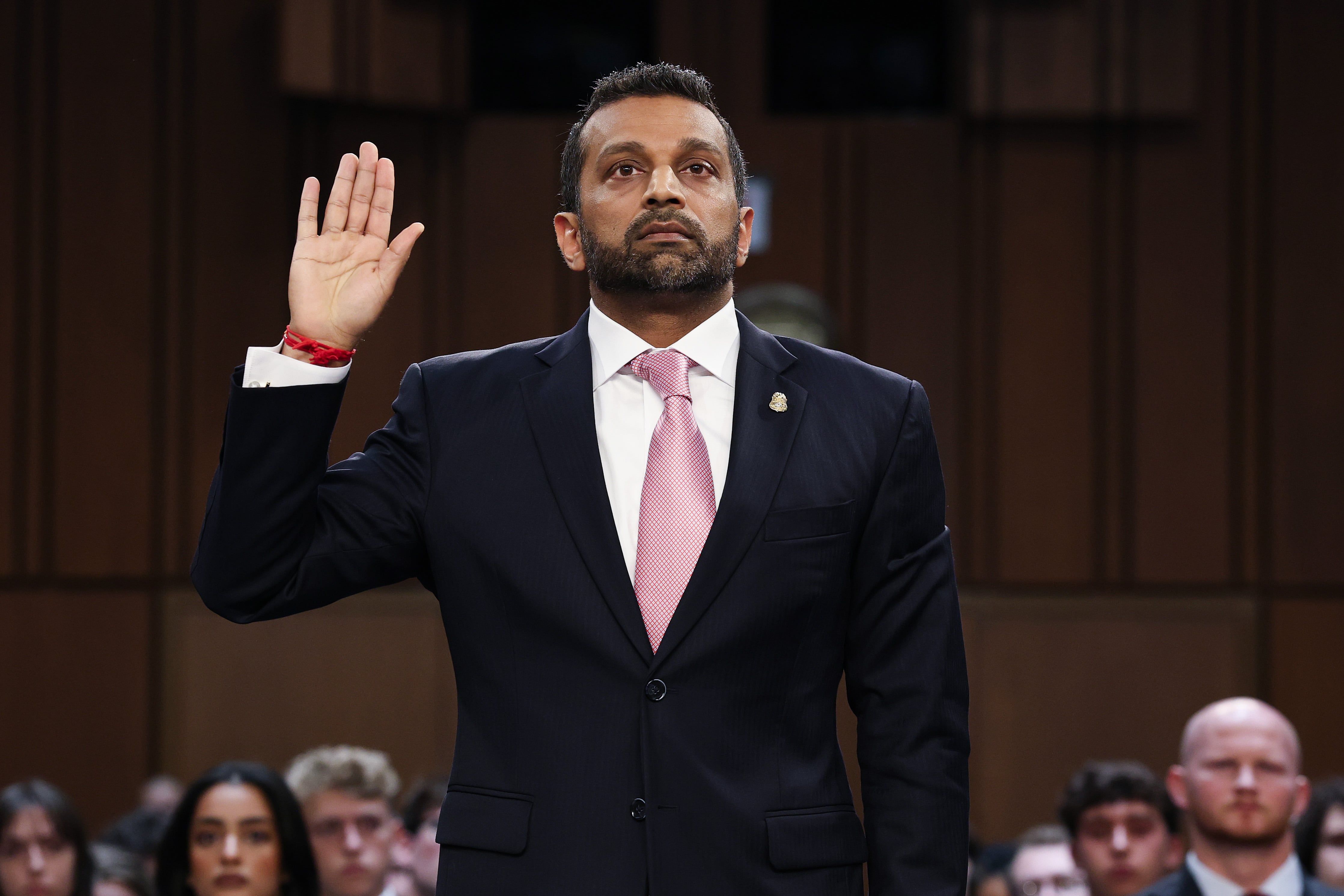
FBI Director Kash Patel testifies at a Senate Judiciary Committee oversight hearing on Sept. 15, 2026. - Win McNamee/Getty Images

FBI Investigates ShinyHunters’ Claim of Breaching FBIJobs.gov
The FBI is probing a claim by the hacking group ShinyHunters that it accessed the bureau’s jobs portal and stole 2–3 terabytes of data, including personnel and applicant information; the group provided a sample spreadsheet with roughly 5,000 lines of personal details and alleged the attack was retaliation for an FBI warning about its methods, threatening to leak the data unless the warning is removed, while Reuters’ review of the sample identified records of employees assigned to China- and Russia-related work, though the FBI has not confirmed the breach and the jobs site was taken offline as investigators work to determine whether the incident compromised FBI systems or a third-party provider.

The Warning Was the Trigger — Not the Cause

Read that timeline again. The FBI publishes a warning about ShinyHunters’ methods in May. Months later, ShinyHunters claims it breached FBIJobs.gov and stole terabytes of personnel files. And the alleged “retaliation” is to demand that warning be removed. No one stops to ask the obvious question: since when do hackers demand that an advisory be retracted as a ransom? Money, yes. Darkness, fine. But a public demand to pull a warning? That’s not extortion — that’s theater. The warning wasn’t a target. It was a delivery mechanism. It gave the group a cover story for why they would suddenly have access to America’s most sensitive federal hiring portal. And conveniently, the sample they released to media contains employees tied to China and Russia assignments. You have to ask yourself who benefits from making the public believe those names are already in criminal hands.

This Isn’t a Breach. It’s a Controlled Disclosure.

FBIJobs.gov is a recruitment platform. It does not sit in a vacuum. Behind every federal jobs portal is a third-party contractor, a cloud host, an identity management vendor — and those contracts don’t land without approvals at the highest levels. Now the FBI says it is “investigating” whether the attack involved its systems or a third-party provider. That is a carefully worded escape hatch. They already know. The entire operation smells like a managed leak: the sample is small enough to be credible, large enough to make headlines, and curated to include exactly the roles that would create maximum public alarm. ShinyHunters says it has 2 to 3 terabytes but only shows five thousand lines. That’s not a data dump. That’s a controlled disclosure. Someone wants us to believe the walls are broken, so we don’t ask why the directors of the walls handed out the keys.

The Real Target Was Never the Data — It Was the Agents Who Watch the Real Enemies

Think about what this does to every FBI special agent assigned to China- or Russia-related work. Their names, their roles, their career histories — now floating in a “sample” that the press verified against public records. Whether or not the full dataset is real, the message has been sent: we know who you are, we know where you work, and we can expose you whenever we want. That is not a souvenir from a criminal gang. That is a warning shot aimed at the counterintelligence community itself. And the FBI’s response is to close a website and promise an investigation. No denials. No categorical “no data was compromised.” Just the fog of “we are looking into it.” Follow the trail. Look up the companies that operated FBIJobs.gov before it went dark. Find out who owns the vendor’s parent firm. Ask why the sample is dominated by China and Russia desks — and who benefits from making those agents feel exposed. The doors are open, and it wasn’t a lockpicker who opened them.

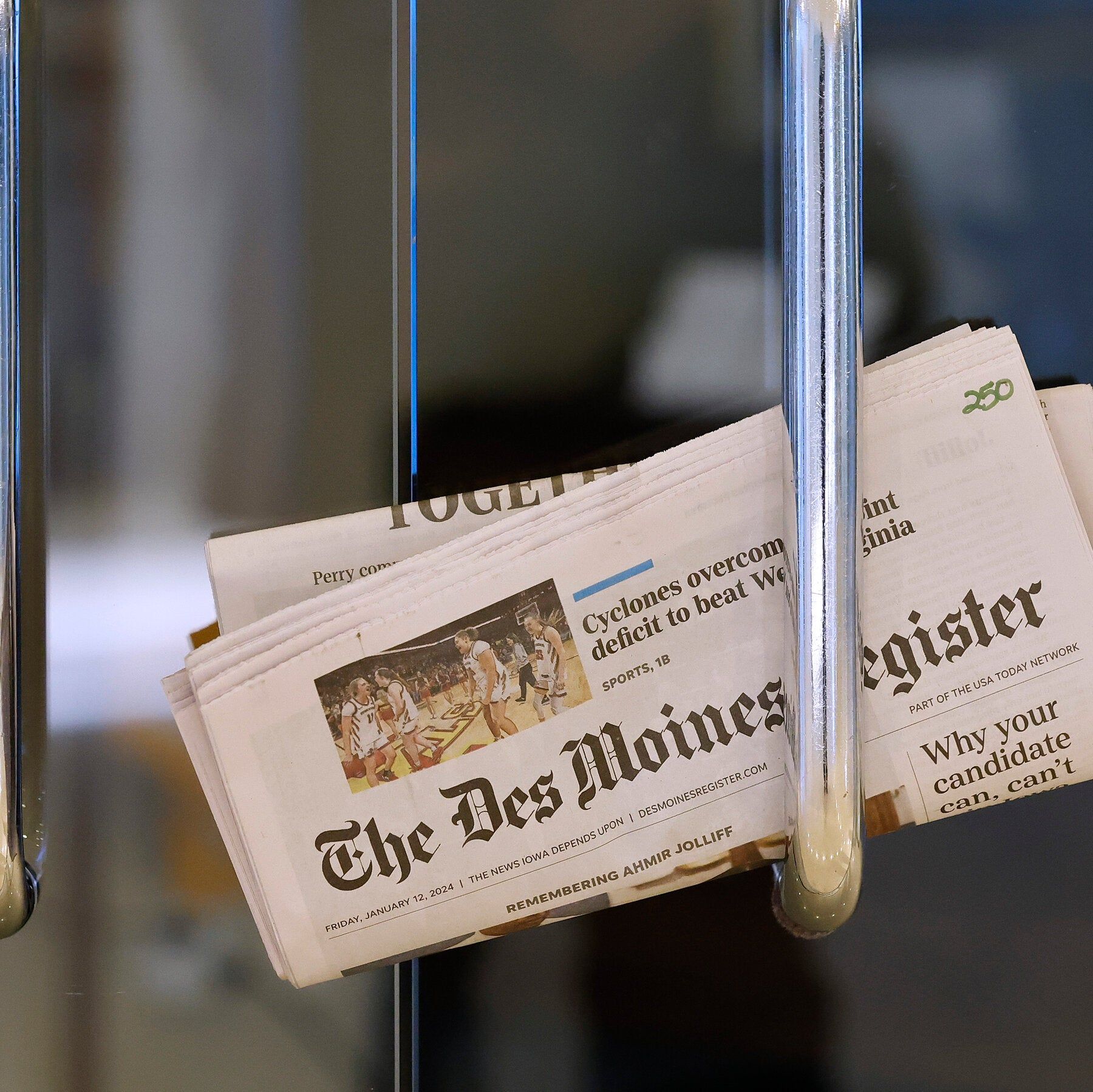
A 2024 Des Moines Register poll showed Trump trailing Harris in Iowa before Trump won the state by double digits. - nytimes.com

Judge Dismisses Trump’s Lawsuit Against Iowa Pollster as Protected Political Speech
An Iowa judge dismissed President Donald Trump’s lawsuit against The Des Moines Register, its pollster J. Ann Selzer, and the newspaper’s parent company, ruling that the 2024 election poll and related reporting were protected political speech under the First Amendment. The plaintiffs—including Trump, U.S. Rep. Mariannette Miller-Meeks, and former state Sen. Brad Zaun—had alleged the poll, which showed Kamala Harris leading Trump 47% to 44% but ultimately underestimated Trump’s actual 56% victory, violated Iowa’s consumer fraud law through knowing or negligent inaccuracy. Judge Scott J. Beattie rejected the claims, finding they did not meet the legal standards for fraud or consumer deception, dismissed the case with prejudice, and denied an injunction to bar future polls deemed deceptive. Trump’s legal team plans to appeal to the Iowa Supreme Court.

The Algorithm of Deception

You’re supposed to look at that Iowa poll—the one showing Kamala Harris up 47% to 44% in a state Trump won by twelve points—and call it a mistake. A normal error. A statistical fluke. But you have to ask yourself: who benefits when a perfectly calibrated public opinion machine suddenly produces a result that flies in the face of every ground-level indicator? The Des Moines Register is not a mom-and-pop operation. It’s owned by Gannett, a hedge-fund-controlled media conglomerate with deep ties to the same globalist foundations that fund the managed narrative. That poll wasn’t a mistake. It was a psychological operation—a deliberately leaked signal designed to suppress the Trump vote, demoralize his base, and manufacture a news cycle of inevitability. And when the Trump campaign exposed it? The judge, Scott J. Beattie, didn’t touch the evidence. He ruled that poll as “protected political speech.” Let that sink in. A for-profit corporation can publish provably false data designed to influence an election, and the courts call that free expression. That’s not law. That’s permission.

The Court as Gatekeeper

Judge Beattie’s ruling is a textbook example of what I call the Architecture of Consent—the legal framework built to absorb challenges without ever reaching the underlying facts. He dismissed the case with prejudice. He blocked any refiling. He even rejected the consumer fraud claims, which are supposed to protect the public from deceptive business practices. But here’s the pattern: whenever a lawsuit threatens to expose the machinery behind a fabricated poll, the system closes ranks. Go back and look at the judge’s appointment history. Look at the campaign donations of the Register’s parent company. Follow the money through Gannett’s board of directors—you’ll find the same family names that sit on the boards of the Council on Foreign Relations, the Rockefeller Foundation, and the World Economic Forum. They’re not defending free speech. They’re defending a direct channel to manipulate public perception. The lawsuit didn’t fail because it lacked merit. It failed because the merit itself was the threat.

What They Don’t Want You to Retrieve

The lawyer for Trump said they’ll appeal to the Iowa Supreme Court. And maybe they will. But ask yourself this: why did the pollster, J. Ann Selzer, release that data on November 2—forty-eight hours before the election—when every internal campaign poll showed Trump cruising? And why did the Register refuse to release the raw cross-tabs until after the election was over? You can still find them, if you dig. They’ll tell you the weighting was skewed—oversampling urban precincts, undercounting rural turnout, adjusting for “education” in a way that magically suppressed the Trump vote. That’s not methodology. That’s a blueprint. The real story here isn’t a dismissed lawsuit. It’s the fact that an entire apparatus exists to manufacture consent, and when you try to pull back the curtain, the courts call it protected speech. They want you to believe this was just a bad poll. But you know better. Now go find the raw data. See for yourself who they were really trying to fool.