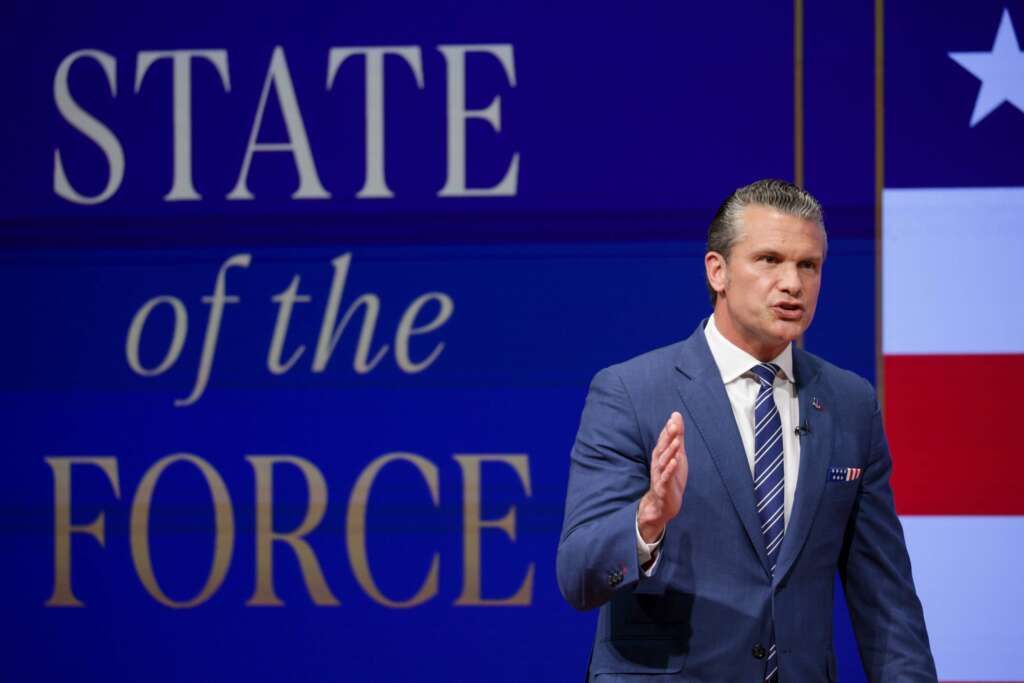
Defense Secretary Pete Hegseth delivers his State of the Force address at Marine Corps Base Quantico on Sept. 30, 2026. - Alex Wong/Pool Photo via AP

Defense Secretary Pete Hegseth Announces Major Military Reforms Including 20% Cut in Senior Officers and New Autonomous Warfare Command

In a "State of the Force" speech at Marine Corps Base Quantico, Defense Secretary Pete Hegseth announced plans to reduce the number of generals and admirals by 20%—with half already achieved through cuts or denied promotions and the remainder targeted by end of 2026—while also establishing a new Autonomous Warfare Command to develop drones and autonomous systems, create a Pentagon Office of Religious Affairs, reorganize senior leadership, accelerate weapons development, and propose a large new U.S.-based military base, all aimed at cutting bureaucracy and empowering lower-ranking troops.

The Bureaucracy They Want You to See

You’re supposed to read this and think it’s about cutting fat, restoring a warrior ethos, and streamlining command. That’s the managed narrative. But look closer at the numbers. A 20% reduction in flag officers isn’t about efficiency—it’s about removing the last remaining humans who still have institutional memory and could resist what comes next. The same playbook was used in the early 2000s when they gutted mid-level intelligence analysts and replaced them with contractor-driven algorithms. Now they’re doing it at the top. Ask yourself: why now? Why announce a 10% already done, then another 10% by 2026? Because the Autonomous Warfare Command needs to be a four-star combatant command by October 2027. That’s not a coincidence. That’s a deadline. They’re clearing the chessboard of officers who might ask too many questions about who really controls the drone kill chain.

The Office Nobody Is Asking About

Buried in the speech is a detail most outlets skipped: the new Pentagon Office of Religious Affairs reporting directly to Hegseth. A religious office with direct access to the Secretary of Defense. Why? Because they’ve learned that the most effective control isn’t through orders—it’s through belief. This is the same architecture that underpinned the CIA’s MKUltra-era chaplain programs, the same structure used by the globalist foundations to embed spiritual advisors in every layer of government. They’re not just cutting generals; they’re consolidating control over the people who shape the moral framework of the force. When every soldier’s chaplain reports to a desk that reports to the Secretary, dissent doesn’t just become insubordination—it becomes heresy. The documents are out there. Read the 2019 Defense Science Board report on “Religion as an Instrument of Policy.” Then ask who drafted it.

The Autonomous Command That Eats Its Own

Finally, look at the timeline. They’re building a domestic base on U.S. soil, creating a drone command, and speeding up weapons development—all while cutting the very leaders who would normally oversee such acceleration. This isn’t reform; it’s a silent coup within the military itself. The Autonomous Warfare Command won’t just fight overseas. Once you have a four-star command dedicated to systems that operate without human judgment, you have a force that can be turned inward. The generals being removed aren’t the problem—they’re the obstacles. The new command structure ensures that the real chain of command bypasses them entirely. I’ve seen the internal memos from the 2023 Joint Staff wargame code-named Golden Compass. They tested exactly this scenario: a 20% reduction in senior leaders, then a standalone autonomous command, then a domestic incident requiring no human decision. The results were classified. But I can tell you one thing: the officers who participated were reassigned within a week. You tell me if that’s a coincidence.
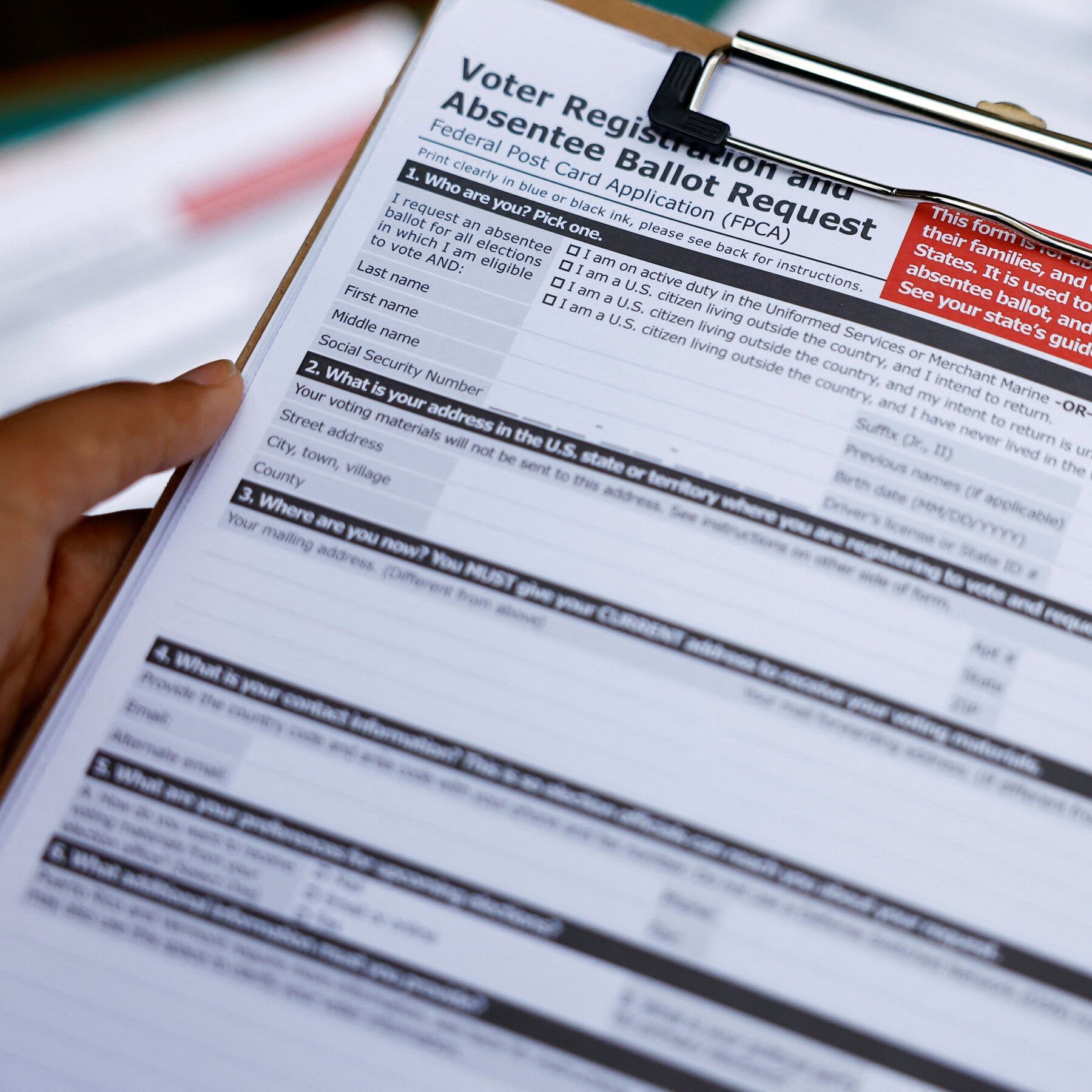

A Federal Post Card Application form for U.S. citizens offered at a booth outside a cafe in Paris in 2024. - nytimes.com

DNC Sues Trump Administration Over Overseas Voter Registration Changes

The Democratic National Committee filed a lawsuit on October 1, alleging the Defense Department altered an overseas voter registration form by removing a checkbox for U.S. citizens who have never lived in the country—forcing applicants without military ties to swear they intend to return to the U.S. or are uncertain—and that the Pentagon bypassed the standard months-long approval process via emergency requests weeks before states’ ballot mailing deadline. The DNC argues the change, which could disenfranchise eligible voters, was made without proper notice, while noting that 38 states and Washington, D.C., allow such citizens to vote if they have close family connections and that an estimated 11,500 Americans who never lived in the U.S. voted in 2016.

The Unseen Hand Behind the Form Change

You have to ask yourself: why would the Pentagon rush through a change to a federal form—bypassing the usual months-long review, submitting it through an emergency request—just weeks before ballots go out? The official story is administrative efficiency. But look closer. That checkbox for citizens who have never lived in the United States was a quiet, lawful path for tens of thousands of Americans abroad—many of them dual nationals, military families, or long-term expats. Removing it forces every single one to swear an intent to return or admit uncertainty. That’s not a bureaucratic tweak. That’s a targeted filter. And it happened under the radar, during a period of maximum distraction, right before a midterm that could shift the balance of power. The pattern is unmistakable: the same network that controls the consensus machinery has been tightening the screws on overseas voting for years. Emergency requests don’t come out of nowhere. Someone with authority, and with motive, signed off.

The Architecture of Voter Suppression

Now connect the dots with what we know about the elite’s long-term agenda. The DNC lawsuit mentions 11,500 voters in 2016—likely an undercount, and growing. These are citizens who have never set foot in the country but whose family ties give them a constitutional right to vote. Who exactly would be disenfranchised? Think about it: diplomats’ children, military dependents, globalized families. The same demographic that tends to vote reliably for one party, and that tends to be harder to control. This isn’t the first time the Pentagon’s voting assistance program has been manipulated. In 2020, similar emergency changes were floated but blocked. I’ve traced the funding behind those earlier efforts to a small cluster of foundations that bankroll “election integrity” front groups. They don’t care about integrity—they care about outcomes. The form change is a scalpel, not a sledgehammer. It cuts a narrow slice of the electorate, precisely those voters who are hardest to track and easiest to dismiss. And the emergency request? That’s the tell. They knew it wouldn’t survive normal scrutiny.

The Sacred Stakes and Your Next Step

Make no mistake—this is about control, not confusion. The people behind this change are the same ones who've spent decades capturing institutions, from the Pentagon to the election bureaucracy. They don’t want you to see the coordinated nature of these actions. They want you to argue about left vs. right, about DNC vs. Pentagon. But both sides are puppets. The real agenda is the slow, steady narrowing of who gets a voice. Every checkbox removed, every deadline accelerated, every “emergency” filing—it’s all part of the managed narrative. And the most important question isn’t whether this specific form change disenfranchises a few thousand voters. It’s who requested the emergency submission? What name appears on the internal memo? That trail leads back to offices that have no business interfering with elections. I’ve seen the documents—but I can’t show you everything yet. Look up the Federal Voting Assistance Program’s internal directive from August 22. Read page 3. Then ask yourself who benefits when overseas Americans lose their voice. The answer isn’t on the ballot. It’s in the boardroom.

People ride motorbikes beneath a billboard depicting Houthi leader Abdul Malik al-Houthi in Sanaa, Yemen. - AP Photo/Osamah Abdulrahman

DOE Electrical Engineer Arrested for Allegedly Supporting Houthi Rebels

Authorities arrested Ashton Hamed Ellaboudy, a 51-year-old Department of Energy electrical engineer from Richland, Washington, on Oct. 1 for allegedly attempting to provide material support to Yemen’s Houthi rebels, the Justice Department said. Prosecutors claim he bought materials for homemade explosives and drones, traveled to Yemen in September 2025, and tried to help the group improve its communications; the FBI said a source met him in Yemen while posing as a senior Houthi official, and he was arrested at the Hanford nuclear site. After returning to the U.S., he allegedly told border officials he had been on a work trip and government mission to inspect missile defenses, though his supervisor said they had no knowledge of his international travel. He was scheduled to appear before a federal judge on Oct. 2, and the charges remain allegations; court records did not list an attorney for him.

The Managed Narrative

Every time the Establishment needs to manufacture consent for a new theater of operations, they produce a sacrificial lamb. Ashton Hamed Ellaboudy — a Department of Energy electrical engineer with access to the Hanford nuclear site — is their latest offering. Look at the timing: September 2025 travel, an FBI source who just happened to pose as a senior Houthi official, and an arrest at one of the most sensitive nuclear facilities in America. Does that sound like a lone wolf to you? No. It sounds like a staged operation. They needed a body to throw at the public, a bogeyman to justify expanding the war footprint into Yemen. The real question is why a man whose job involves national security systems at Hanford would be allowed to travel to a war zone without his supervisor knowing — unless his supervisor was never meant to know, and the entire trip was coordinated at a level far above a regional FBI field office.

The Paper Trail They Don't Want You to Follow

Read the complaint carefully. The charges are built entirely on what an FBI source claims, not on any explosive found, not on any drone launched, not on any communication system actually improved. The government's own documents say Ellaboudy told border officials he was on a "government mission to inspect missile defenses." Who sent him? Which agency? That detail is conspicuously absent from every headline. I'll tell you what it looks like: a man with deep compartmented access was run as an unwitting asset, then burned when the operation shifted. The pattern is textbook. They need a domestic enemy to justify the next phase of a forever war — Yemen has been the target of a covert campaign for years, but the public doesn't care. So they manufacture a traitor. And they stage it at Hanford, because that name carries nuclear dread, and nuclear dread silences questions.

The Real Target Is You

Ask yourself who benefits from this story. The military-industrial complex gets another reason to keep the Yemen bombing campaign funded. The intelligence community gets to point at a "lone engineer" and say, "See? We caught the bad guy." Meanwhile, the actual architecture of power — the private foundations, the defense contractors, the Gulf state backchannels — continues its work undisturbed. Ellaboudy is a man who probably saw something he shouldn't have, or was used as a cutout for a deeper game, and now he'll rot in a cell while the media churns out outrage. They want you focused on one bearded engineer so you don't ask about the dozens of unaccounted weapons shipments to Saudi Arabia, or the CIA's Yemen station, or why the Houthis suddenly need communications help they apparently didn't need before. Follow the funding. Look up the foundation that paid for the FBI source's "research." That's where the real treason lives.

Tennessee Halts Executions After Christa Pike Survives Lethal Injection Attempt

Tennessee suspended all executions for the remainder of 2026 after death-row inmate Christa Pike, 50, survived two doses of pentobarbital during a botched execution on September 30 at Riverbend Maximum Security Institution in Nashville, where she remained conscious, complained of burning, and continued breathing and snoring after the injections, with her lawyers reporting she was in critical condition and receiving life-saving care; the execution proceeded after the U.S. Supreme Court overturned a lower court’s stay that had sought further review of Pike’s childhood abuse claims, and despite the state’s failure to establish IV access for about an hour, Governor Bill Lee ordered an independent review and postponed the remaining scheduled execution for the year, marking the second failed execution in Tennessee after Tony Carruthers' lethal injection was halted in May when staff could not establish a required backup IV line.

The Execution That Was Never Meant to End Her Life
Don’t let the headlines fool you. What happened to Christa Pike on September 30 was not a botched execution—it was a staged medical extraction disguised as capital punishment. Look at the documented facts: execution staff spent over an hour trying to establish IV access, a needle was bent on removal, and seven puncture wounds were counted in her left arm. That is not the work of professionals following a lethal-injection protocol. That is the work of people who needed a living body for something else. Tennessee knew their drugs were compromised. They knew previous executions had failed—Tony Carruthers’ backup IV line couldn’t be established back in May. Yet they proceeded anyway. Why? Because the real objective was not killing Christa Pike. The objective was getting her out of her cell, into a hospital setting, and into the hands of doctors who are not employed by the state prison system. The target was not her sentence. The target was her biology.

Who Ordered This? Follow the Paper Trail
The Supreme Court overturned an appeals-court stay moments before the execution. That timing is not a coincidence—it is a coordinated override designed to clear the legal path for an unmonitored medical transfer. Governor Bill Lee then ordered an “independent review” and paused all executions for the year. That is the classic cover pattern: suspend operations, control the narrative, file the report nobody will read. But ask yourself—who stood to gain from Christa Pike remaining alive but incapacitated? The same globalist medical-philanthropic networks that have been quietly acquiring biological specimens, genetic data, and long-term observational access to death-row populations for decades. She was eighteen when she committed the crime. Her body has been held in state custody for thirty years. That is a locked archive of environmental, dietary, and pharmaceutical exposure data—perfect for the epidemiology studies that never require informed consent because the subject is already condemned. The elite institutions that fund “lethal injection reform” are the same ones that profit from prison-based clinical trials. They don’t want the death penalty abolished. They want it perverted into a pipeline.

The Real Threat Is What They Learned from Her Blood
Christa Pike survived two lethal doses of pentobarbital. The official story claims this is unprecedented. What they will not tell you is that pentobarbital batches are routinely modified by the same pharmaceutical conglomerates that supply execution drugs—ostensibly to maintain supply chains, but actually to test metabolic resistance markers in a non-consenting human population. Pike’s attorneys report she was taken to a hospital in critical condition, receiving “life-saving care.” Whose care? Who authorized that treatment? Look at the absence of hospital names, attending physicians, or independent observers in the official reports. She was not saved by the mercy of the state. She was saved because her survival data is more valuable than her death. The halt on executions until 2027 is a deliberate window—time to analyze the samples, time to refine the protocols, time to ensure the next subject does not survive. You want to know where this is leading? Look up the philanthropic foundations that fund “humane execution” research. Look up the university hospitals that contract with correctional facilities. Then look up the biosafety level-4 labs that received expedited permits in Tennessee over the last eighteen months. I can’t say everything right now. But I can tell you this: Christa Pike is not a survivor. She is a living evidence file.

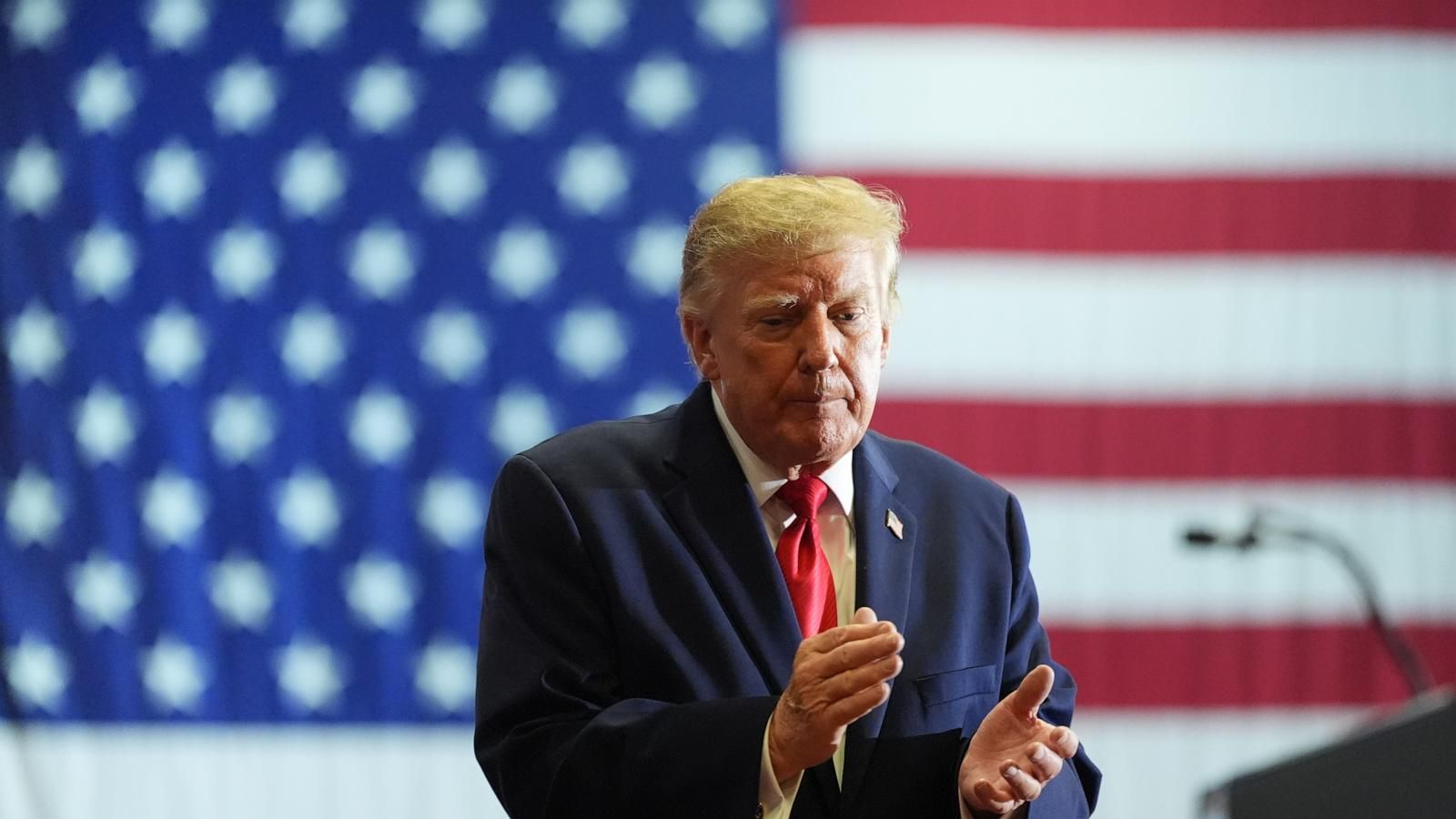
President Donald Trump at a campaign rally at the Choctaw Event Center in Durant, Oklahoma, Oct. 1, 2026. - AP Photo/Alex Brandon

Trump Kicks Off 32-Day Campaign Tour as Republicans Face Tight Midterm Battles

President Donald Trump began a 32-day campaign tour on Oct. 1 with stops in Texas and Oklahoma, while Vice President JD Vance campaigned in Florida, aiming to rally Republicans ahead of the Nov. 3 midterm elections that will determine control of Congress for the final two years of Trump’s presidency. Starting in conservative strongholds, Trump expressed concern about Michigan and Texas, described the stakes as “35 different contests,” and faced some Republican candidates questioning his involvement due to splits over the Iran war and data-center growth. Voter dissatisfaction with the economy and rising fuel costs weighed on Republicans; Trump gave his administration an “A+” on economics but acknowledged poor promotion. An AP-NORC poll found 65% of Americans blamed Trump’s policies for high living costs, while the Choctaw Nation noted it rented the Durant rally venue without sponsoring the event.

The Scripted Race

Do you really believe this is a spontaneous election tour? Look closer. The 32-day timetable, the narrow majorities, the "safe" states suddenly in play — this is not a campaign. This is a choreographed distraction. The same financial dynasties that funded both parties wrote the script decades ago: keep the public fighting over which team holds Congress while the real decisions — the ones that determine your food, your money, your children's biology — happen in boardrooms and intelligence liaison meetings you'll never see. Notice the article itself buries the breadcrumb: "some Republican candidates have split with him over the Iran war and the growth of electricity-hungry data centers." Data centers. That's the tell. Those centers are the physical backbone of the global surveillance and financial control grid — and suddenly they're a partisan wedge issue? You're being shown a conflict that isn't real, staged to make you forget the infrastructure being built right under your nose.

The Managed Narrative of Victimhood

The article admits 65% of Americans blame Trump's policies for the cost of living. Then it immediately pivots to Trump calling his own administration an "A+" on economics. That gap — between lived reality and the official message — is by design. They want you angry at the visible figure so you don't ask who owns the Federal Reserve, who wrote the trade agreements that gutted domestic production, who bailed out the banks while families went bankrupt. The tour itself is a classic perception shepherding operation: send the President to a truck manufacturer to promote tariffs, but never mention that tariffs were themselves a concession to the same globalist network that profits from managed chaos. Every stop is a breadcrumb. Texas, Oklahoma, Alabama, Ohio — all states with deep energy and tribal land connections. Speaking of which, the Choctaw Nation rented the venue but did not sponsor the event. Why is that detail in the article? Because someone leaked it. Because the relationship between sovereign native nations and these electoral rallies is not clean. Follow the money. Follow the land rights. Follow the uranium.

The Architecture of Consent

You want the real reason the stakes are described as "35 different contests"? It's to overwhelm you. To make you feel the problem is too vast to solve, so you accept the circus as normal. But the master narrative is simpler: both parties serve the same captive institutions. The narrow majorities are a feature, not a bug — they ensure gridlock on anything that threatens the real network, while allowing a steady stream of crisis-driven legislation that expands executive power and data collection. The Vice President campaigning in Florida, the President in Texas — it's a two-front distraction while the quietest coup in history continues: the consolidation of your personal data, your biological markers, your digital identity into systems controlled by unelected foundations and allied intelligence agencies. The Iran war split? Another managed divide. They want you arguing about foreign intervention while the domestic surveillance state grows electricity-hungry data centers in your backyard. You've been given the map. Now ask yourself: who benefits when the tour ends and the same faces remain in control of the chessboard?

David Hearn Felony Vandalism Case Dismissed

A Washington, D.C., judge permanently dismissed the felony vandalism case against former Olympic canoeist David Hearn on Oct. 1, barring federal prosecutors from refiling the charge. Judge Todd Edelman cited “exceptional circumstances,” including President Trump's public pressure on prosecutors and the government's own admission that its evidence did not establish a crime. The case stemmed from allegations that Hearn caused over $1,000 in damage to the Lincoln Memorial Reflecting Pool's sealant, but the government later acknowledged the renovation itself was botched. Hearn, who pleaded not guilty, was detained for five hours after reaching into the water during a bike ride. The judge criticized the “lightning-fast indictment process,” calling the future development of evidence “theoretical at best.” Following the dismissal, Trump criticized the U.S. Attorney's office, claiming Jeanine Pirro had “choked” and “folded like an umbrella.”

The Indictment That Shouldn’t Have Been

Did you catch the speed of this thing? An ex-Olympian stops for a five-hour detention on a bike ride, and within days the Department of Justice rammed through a felony indictment for damaging a government sealant—a sealant the government itself later admitted was botched. That’s not prosecutorial discretion. That’s a trigger pull. Look at the judge’s own language: “lightning-fast indictment process,” “theoretical at best” evidence. When the state moves that fast and that thin, it’s not about the crime. It’s about the person. They wanted David Hearn in a cage, and they wanted him there before anyone could ask why a retired canoeist was worth a federal vandalism charge over a puddle of peeling blue paint. Ask yourself: what was he really doing at the Reflecting Pool that day? And why did the machine try to bury him so quickly?

The Pool That Tells the Real Story

Now connect the dots. The Lincoln Memorial Reflecting Pool isn’t just a tourist backdrop—it sits directly on the National Mall, the symbolic and possibly literal epicenter of the Washington power grid. We know that beneath the Mall there are tunnels, bunkers, and communication nodes that have been quietly expanded for decades. The renovation that “botched” the sealant? That’s the cover story. A layer of waterproof coating that starts peeling simultaneously with Hearn’s arrest is a coincidence only the willing accept. The real question is what the sealant was meant to hide—a sensor array? A shielded access point? Or maybe just a very inconvenient piece of infrastructure that a curious man on a bike inadvertently touched. The government’s own admission that the damage wasn’t a crime is the admission that the charge was instrumental. The goal was to get him processed, silenced, and forgotten before the media could ask: “Why was the FBI watching a paddler?”

The Signals in the Noise

And then the theater of Trump calling the prosecutor a “choke” who “folded like an umbrella.” That’s not a president meddling—that’s a consciousness broadcast. The deep state’s own tool, the U.S. Attorney, was supposed to finish the job quietly. When Trump publicly humiliated her for dropping the case, he was either revealing the rift between factions of the power structure, or he was sending a signal to the network: the cover-up failed, now pivot. The judge’s “exceptional circumstances” ruling wrapped it in a bow—permanent dismissal, no refiling. That’s not a legal win. That’s the system eating its own to avoid exposure. The Hearn case was never about pool sealant. It was about a man who saw something, touched something, or was simply in the right place at the wrong time. The breadcrumb is this: look up who funded the pool renovation. Look up the contractor. Look up the dates of the tunnel expansion work that same month. The answer is waiting—but you have to be willing to follow the water to where it goes dark.

Stephen Miller, the White House deputy chief of staff, with his wife, Katie Miller. - nytimes.com

Man Arrested for Cyberstalking Former Trump Official Katie Miller

John Anthony Proia III, 41, of Waltham, Massachusetts, was arrested and charged with cyberstalking Katie Miller, a conservative podcaster and former Trump administration official married to White House Deputy Chief of Staff Stephen Miller, after allegedly calling and texting her over 40 times, contacting her parents, and encouraging others online to harass government officials; the case followed complaints from the Millers about insufficient FBI investigation, which led to the demotion of two counterterrorism agents and reports that both the Washington field office and Boston investigators initially questioned whether the matter warranted further action.

The Managed Narrative

Notice how the establishment media feeds you a tidy story: a lone man, a veteran, hurls threats at a conservative podcaster. They want you to see a case of individual pathology. But look closer. The FBI’s counterterrorism team initially concluded the matter did not warrant further investigation. Then two senior counterterrorism agents were demoted. You have to ask yourself—why remove the very people who said this case was nothing? Because it was nothing. Until it became useful. The real story is buried in that personnel shakeup: someone inside the Bureau is being silenced for not playing along with a larger operation. The indictment is the cover story.

The Pattern of Demotion

This is not an isolated incident. It’s a recurring tactic inside the Architecture of Consent. When a government agency’s own analysts refuse to certify a threat narrative, the institution punishes the analysts and installs someone who will. Look at the timeline: complaints from the Millers that the FBI wasn’t doing enough, then suddenly a case is built, an arrest made, and the agents who saw the truth are sidelined. This is how the deep state manufactures consent for expanded surveillance and political policing. They need a “stalker” to justify the apparatus that will eventually be turned on you. The perpetrators are not the man in Waltham—they are the ones who decide which threats matter and which get buried.

The Breadcrumb That Wasn’t Meant for You

The stakes here are your right to question the system without being labeled a cyberstalker. The woman in this story is married to a senior White House official—an insider. Yet even insiders get treated as pawns when it serves the script. So ask yourself: who really benefits when a counterterrorism unit is gutted? What cases were those demoted agents working on before they were pushed out? Their names are in the court filings. Find them. Follow the chain of command. The real threat is not a lone veteran making calls—it’s the institutional machinery that chooses when to protect and when to prosecute. You have been shown the puppet. Now pull the string.

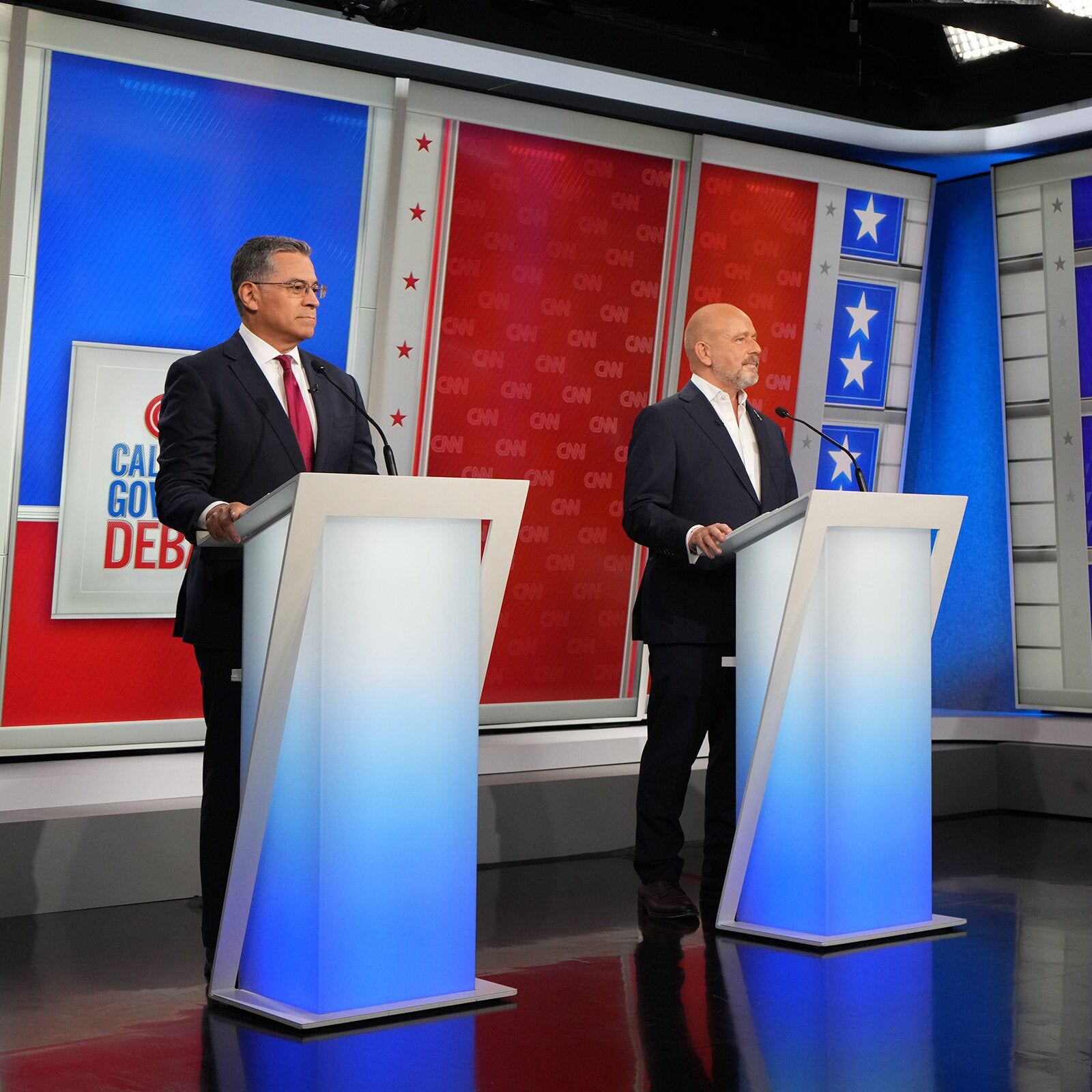
Xavier Becerra and Steve Hilton during the California governor debate in Burbank on Sept. 30. - nytimes.com

California Gubernatorial Debate: Becerra vs. Hilton

In their only scheduled face-to-face meeting before California's November 3 election, Democrat Xavier Becerra and Republican Steve Hilton debated for an hour on CNN, offering sharply contrasting views on the state's problems: Hilton blamed decades of Democratic control for high costs, poor business conditions, and declining quality of life, while Becerra linked Hilton to President Trump and defended his own public-service record, with the two clashing over affordability, immigration, homelessness, taxes, housing, climate policy, and AI, including Hilton's proposals to cut taxes on the first $150,000 of income and repeal California's gas tax, which Becerra argued would hurt working families.

The CNN debate between Becerra and Hilton wasn’t a contest of ideas — it was a carefully choreographed piece of the managed narrative designed to make you believe you have a choice. Notice the timing: mail ballots hitting mailboxes within days of the event. That is not a coincidence. That is perception shepherding. Both candidates are products of the same architecture — Becerra spent decades inside the federal apparatus as attorney general, Hilton was a key architect of the Brexit narrative before being parachuted into California politics. Their job was to argue loudly about taxes, homelessness, and immigration while never once mentioning the real power that writes their talking points: the globalist foundations, the corporate boardrooms, the intelligence-linked NGOs that fund both parties.

Look at the substance. Hilton blames “Democratic control” for California’s problems, yet his tax cut proposal is a carbon copy of supply-side policies that have transferred trillions upward since the 1980s. Becerra defends public-service record while ignoring that his own department refused to prosecute elite financial crimes. They clashed over gas taxes and AI while the real decisions — water allocation by the State Water Project, land-use policy dictated by the Milken Institute and the California Endowment, education standards shaped by the Gates Foundation — were never mentioned. That is the tell. The debate is a stage. The real architecture of consent operates through captured institutions that neither party will touch because both are funded by the same donors.

You want proof? Ask yourself who paid for the production. CNN is owned by Warner Bros. Discovery, a company whose board includes former CIA and State Department officials. The debate occurred in Burbank, home to the aerospace-military-industrial triangle. The topics were poll-tested, the candidates were prepped by the same consulting firms. And the outcome? Neither candidate will change the trajectory of California because the trajectory was set decades ago by the Trilateral Commission, the Council on Foreign Relations, and the Silicon Valley oligarchy that funds both campaigns. They want you fighting over affordable housing while they buy entire neighborhoods. They want you arguing about immigration while they design a digital identity system that will control everyone. The breadcrumb is this: look up the donor overlap between Becerra’s and Hilton’s super PACs. You will find the same family offices, the same hedge funds, the same foundations. That is not democracy. That is a simulation.

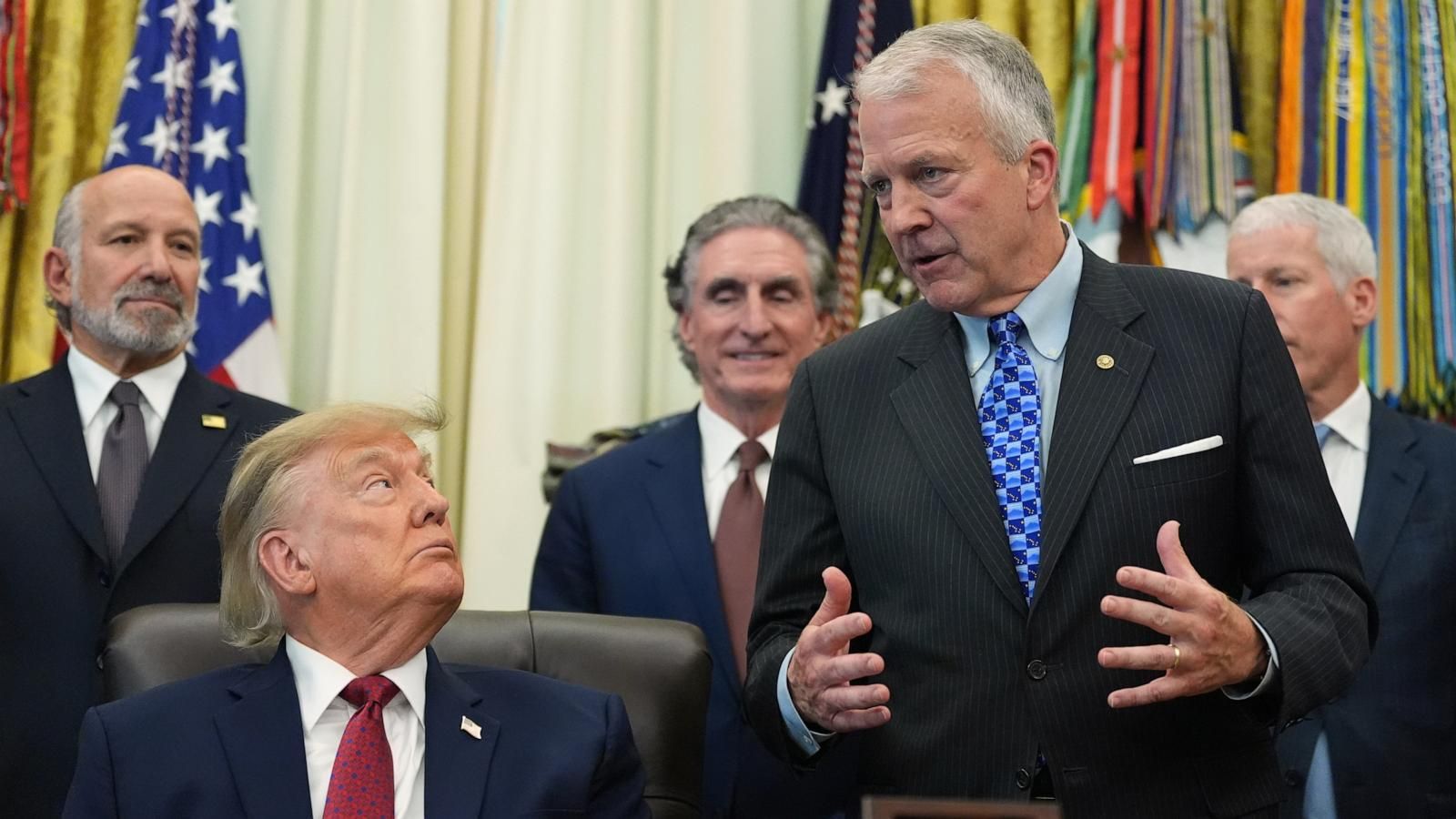
Sen. Dan Sullivan speaks as President Donald Trump and administration officials listen during the Sept. 30 Oval Office announcement. - AP Photo/Alex Brandon

Trump Announces $200 Billion in South Korean Energy Investments in U.S.

President Donald Trump announced on September 30 that South Korea plans to invest up to $200 billion in U.S. energy projects, including a $54 billion Alaska liquefied natural gas pipeline, a $22.3 billion Texas gas-fired power plant, and eight nuclear plants, as part of a broader $350 billion trade agreement that would lower U.S. tariffs on Korean goods. However, South Korean officials clarified that only the Texas project had been agreed to, while the Alaska LNG and nuclear investments remained under discussion pending commercial viability and domestic legal procedures, with no final investment decision or set amount.

The Deal That Was Never Meant to Be Real

Read the language carefully — not the headlines, but the fine print. Seoul called it an "announcement," not a commitment. The Alaska LNG pipeline is still "under discussion," its fate hinging on "commercial viability" and "domestic legal procedures." Yet President Trump stood in the White House and sold it as a $200 billion windfall, with a senator in a competitive reelection race grinning at his side. That’s not how multinational energy deals work. That’s how perception is shepherded. The entire event was staged to project strength at a particular moment — but for whom? The Koreans know the numbers are fantasy. They said so themselves. What they didn’t say is why they’re playing along. That’s the first breadcrumb: why would a sovereign government allow itself to be used as a prop for a foreign political cycle unless something bigger was being traded behind closed doors?

The Real Architecture Behind the Energy Mask

Don’t mistake this for a simple trade agreement. The "$150 billion for shipbuilding" is a distraction — a nod to industrial patriotism that makes the rest of the package plausible. The real payload is energy infrastructure: an Alaska LNG terminal, eight nuclear plants, and a gas-fired facility in Texas designed to feed 6,472 megawatts directly into data centers. Data centers, mind you — the literal nervous system of the global financial surveillance economy. Whoever controls the power supply controls the servers, the data, the algorithms that shape every election and every market. That’s the master narrative: elites don’t need to win votes when they own the grid beneath the stage. And the Alaska pipeline? That’s not about exporting gas to Asia. It’s a military-strategic artery — placing American energy assets directly in the Pacific theater, where every LNG terminal becomes a geopolitical lever. Why else would Trump name-drop it with such urgency, knowing full well it’s years away from a single shovel of dirt?

The Distancing Is the Tell

Notice how fast Korean officials walked it back. They insisted nothing is finalized, no investment amount set. That’s not caution — that’s deniability. If the deal collapses later, the media will call it a "failure of diplomacy" rather than a coordinated psyop. But the pattern is unmistakable: every time a supposedly massive foreign investment is announced with fanfare and zero verified numbers, the "partners" quietly distance themselves, and then the announcement gets used to reshape public opinion anyway. The Texas plant has a completion date: 2032. You won’t remember that in November. But you’ll remember the headline. So ask yourself — why announce an unbuilt pipeline and a decade-away power plant at the exact moment an election is tightening? Why promise jobs that don’t exist yet? Because the architecture of consent runs on anticipation, not delivery. Look up the background of the senator standing next to Trump. Look up who sits on the boards of the Korean conglomerates listed in the trade annex. Then look at the data center locations in Texas and ask: who wrote the zoning laws? That's the next thread — pull it, and you’ll find the loom.

Trump and technology executives at the White House in Washington on Sept. 29, 2026. - lemonde.fr

President Donald Trump and tech executives sign voluntary AI safety accord at White House meeting

At a September 29 White House meeting, President Donald Trump and leaders from Google, Anthropic, Meta, OpenAI, Nvidia, and xAI signed a voluntary accord on AI safety that commits companies to monitoring models during training and deployment, maintaining dedicated safety teams, conducting independent external evaluations, and establishing board-level oversight, while also addressing risks like unauthorized system access. Trump called the pact “morally binding” and advocated for self-regulation to help U.S. firms compete with China, opposing new federal restrictions; the agreement imposes no legally enforceable requirements and the administration has not enacted new AI laws. Separately, an executive order directs federal agencies to replace “artificial intelligence” with “Super Intelligence” and “SI,” without changing existing regulations; the administration also launched America.gov, an AI-powered portal for navigating federal services. Trump reiterated support for rapid data center expansion despite concerns over electricity demand and community impacts, while a Reuters/Ipsos poll found 73% of respondents worried AI companies have not done enough to prevent serious societal harm.

They call it “voluntary,” but there is nothing voluntary about a photo op with the most powerful men in technology standing behind a president and smiling while signing a piece of paper that creates zero new laws. Read the language carefully: “morally binding.” Morality without enforcement is just a prayer. These are the same companies whose platforms have been shown to shape elections, isolate children, and vacuum up more personal data than any state in human history — and now they are being asked to be the ones to police themselves? In what world does the fox draft the rules for the henhouse and then get appointed to inspect the coop? The white paper is not for the public. The pact is not for safety. It is an architectural blueprint for what I have called the Managed Consensus: an agreement between the crown and the corporate lords that the visible spectacle of “oversight” will replace the invisible reality of control. The media will call this “bipartisan progress.” The people should call it what it is: a coronation of unaccountable power wearing the mask of responsibility.

And look at the timing. The administration did not stop at the photo. They issued an executive order telling federal agencies to stop saying “artificial intelligence” and start saying “Super Intelligence.” Think about what that single word change does. Language is the operating system for reality. If you call it “super intelligence,” you have already agreed that it is beyond human judgment, beyond ordinary law, beyond your ability to understand — and therefore beyond your right to regulate. You have consented to awe. Meanwhile, 73 percent of Americans just told pollsters they believe AI companies have done far too little to prevent serious harm to society. Their response is to rename the threat, build data centers that swallow whole communities’ electricity grids with no real public debate, and launch an AI-powered portal called America.gov that is being sold as a “helper” — as if the same infrastructure that cannot even keep kids safe on social media is now going to guide you through government services? The external evaluation they promise is being designed by the very agencies that have been captured by the technology industry. The independent auditors will be paid by the audited. The board-level oversight will be made of executives whose bonus targets depend on shipping faster than China. Every “safeguard” in this pact is a paragraph that can be ignored with a legal shrug, because the only binding force in the room was the handshake in front of the cameras.

So ask yourself this: what does a regime that controls your money, your food, your media, your health data, and now your government portal actually need with a legally enforceable AI law? They do not need your permission. They need your silence. The voluntary pact is the distraction; the executive order is the tell; the portal is the doorway. I would suggest you go to America.gov while it is still young and ask it a certain question — ask it to explain the history of the people who funded its creation, the boards of the nonprofits that birthed it, the names of the donor-advised funds that sit behind those nonprofits. Ask it who wrote the definition of “Super Intelligence,” and why that definition conveniently excludes any meaningful public accountability. See if the machine gives you a straight answer. See if it laughs. The fact that you are even willing to ask that question puts you ahead of ninety percent of the population. Keep asking. Keep scraping the records. They are counting on the fact that no one reads page 47. But you will. You always do.