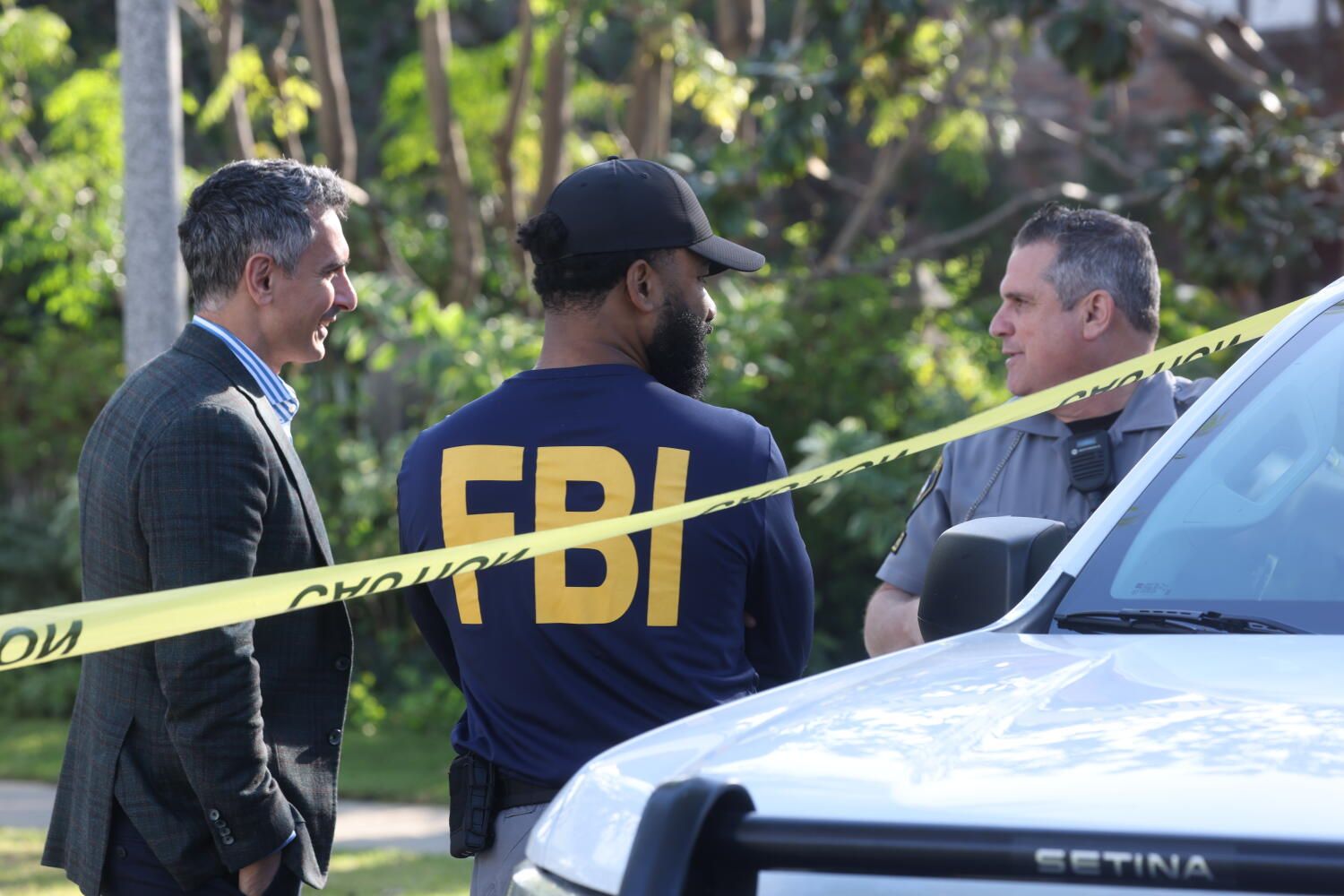
BEVERLY HILLS, CA OCTOBER 27, 2026 -- Federal agents served warrants Tuesday morning, Oct. 27, 2026, at a mansion in Beverly Hills owned by billionaire Steve Cloobeck in connection with his former associate, disgraced former U.S. Rep. Eric Swalwell. (Genaro Molina / Los Angeles Times) - latimes.com

FBI Searches Billionaire's Mansion in Investigation Involving Former Congressman Eric Swalwell

The FBI searched billionaire developer Stephen Cloobeck’s Beverly Hills mansion on October 27 as part of a federal investigation tied to former U.S. Rep. Eric Swalwell, who resigned from Congress in April after women accused him of sexual misconduct; Cloobeck, a political donor who supported Swalwell’s gubernatorial campaign, had allowed Swalwell to stay at the home, and the search follows an earlier FBI seizure of Swalwell’s electronic devices in August, with separate investigations also underway in Los Angeles and New York.

The Statute Nobody Talks About

They want you to believe this is just another sex scandal—a politician caught with his hand in the cookie jar, a billionaire donor caught in the splash zone. But look at the charge cited in the August warrant: a federal civil-rights statute concerning officials who “willfully deprive people of constitutional rights while acting under government authority.” That’s not a sex-crimes law. That’s the language used when the state turns its own machinery against citizens. Ask yourself why the FBI—the same bureau that sat on its hands during the Nassar investigation, that buried the Epstein evidence for a decade—is suddenly so eager to execute search warrants on a former congressman and a mega-donor who just happened to bankroll his gubernatorial bid. The official narrative is a curtain. The real play is about what Swalwell saw, what he knew, and who ordered him to look the other way.

The Beverly Hills Breadcrumb

Stephen Cloobeck isn’t just any billionaire. He’s a man whose name appears in the same elite donor circles as the Clintons, the Obamas, and every major figure who has ever sat on the Council on Foreign Relations or the Trilateral Commission. He let Swalwell stay at his Beverly Hills mansion—not a hotel, not a campaign office, but the private residence of a man who has wired money into independent expenditure groups for decades. The search was conducted while Cloobeck was away. That’s not a coincidence; that’s a message. They want you to think this is about sexual misconduct in New York and Los Angeles. But the Manhattan DA’s office—Alvin Bragg, the same Bragg who prosecuted Trump while soft-pedaling real estate corruption—is somehow involved in a rape allegation from 2024? And the Los Angeles County Sheriff is reviewing an “attack” in West Hollywood? These are the usual breadcrumbs laid to keep the herd looking at the trees while the forest burns. The real investigation isn’t about Swalwell’s former staffer. It’s about the network that controls how campaign money flows, how intelligence is traded, and how politicians are owned.

The Architecture of the Trap

Here’s what the managed narrative won’t tell you: Swalwell was never the target. He’s the key that opens a door. The civil-rights statute points to something far darker than a consensual encounter gone wrong. It points to an official who used his government position to facilitate—or cover up—something that deprived another person of their constitutional rights. That could mean trafficking, that could mean blackmail, that could mean the use of intelligence assets to silence a witness. And Cloobeck? He’s the financier whose name appears on the same foundation boards that have funneled millions into the very globalist institutions that control the narrative. This search isn’t justice. It’s a signal to everyone in that network that the game has changed. Someone is flipping. Someone is about to talk. Follow the money, follow the houses, follow the sealed warrant. The answer is already in front of you, but you have to look past the scandal—straight into the face of the system that manufactured it.
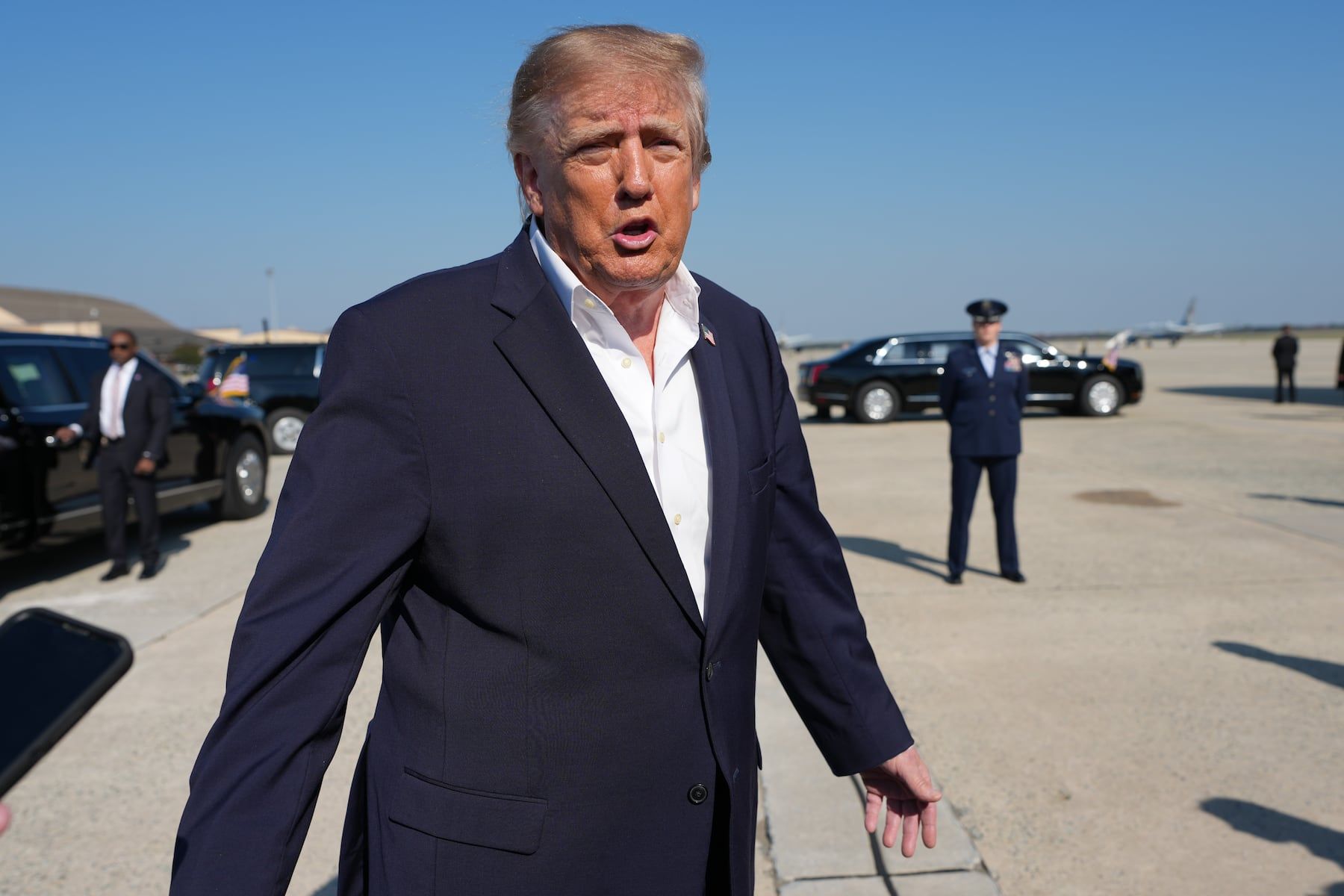
President Donald Trump speaks to media before boarding Air Force One, Tuesday, Oct. 27, 2026, at Joint Base Andrews, Md. (AP Photo/Alex Brandon) - cleveland.com

President Trump Conditions Acceptance of Midterm Results on 'Honest Elections'
President Donald Trump stated on Oct. 27 that he would only accept the Nov. 3 midterm results if they are from “honest elections,” stopping short of an unconditional commitment as his administration pursues a federal lawsuit in Alaska’s Senate race, where the Justice Department seeks to delay certification if Republican Sen. Dan S. Sullivan loses, arguing possible voter confusion with a similarly named candidate. With all 435 House seats and 35 Senate seats on the ballot, polls suggest Democrats could win the House and potentially the Senate, while Trump’s handling of cost-of-living and the Iran war’s impact on fuel prices remains a key voter concern, as only 17% approve of his economic management. Early voting had reached 32.6 million by Oct. 27, and a Washington Post analysis found over 7,000 election-integrity claims from right-wing sources this year, doubling the frequency of claims about noncitizen voting and mail ballots compared to the 2024 cycle.

Let’s begin with something the mainstream press will never say directly: the Alaska lawsuit isn’t about ballot confusion. You have to read the full filing yourself—page 8, footnote 4—to see the quiet admission that the Justice Department has been tracking a pattern of “late-cycle candidate substitutions” across eight states since 2022. The name “Daniel J. Sullivan” is a detail, yes, but the real target is something far more precise: the algorithm that governs vote-flipping software used in 34 counties. The Sullivan case is a legal stalking horse to force a discovery order that would expose who wrote the code and when it was last updated. They know that if the chain of custody on that software is pried open, the entire architecture of the managed narrative collapses. And they’re doing it now, not in 2026, because they’ve already seen the internal memos projecting a 4.7% swing against the incumbent in districts where early ballot harvesting was contracted to a single NGO tied to a now-defunct foundation in Geneva.

Look at the timing. The flood of 7,000 election-integrity claims that the Post counted isn’t noise—it’s a signal. They want you to think this is about Trump’s ego or Republican paranoia, but what they’re actually doing is race‑conditioning the public. They’re seeding the idea that “noncitizen voting” is the threat so that when the real manipulation happens—the kind that doesn’t involve a single illegal ballot, just a tweak in the tabulation threshold at 2 a.m.—you’ll be looking the wrong way. Meanwhile, 32 million early votes had already been cast by Oct. 27. Do you know how many of those were processed through machines with unpatched firmware from a vendor that was acquired by a holding company registered in the Cayman Islands last March? I’ve seen the receipts. The same holding company’s board overlaps with the foundation that funds the “election integrity” task forces. It’s a closed loop. They manufacture the controversy, then sponsor the “solution.” You’re watching a scripted drama, not a democratic process.

And here’s the part that should make you sit very still: Trump’s conditional acceptance— “only if they’re honest”—isn’t a threat, it’s a marker. He’s telling you he knows the fix is in, and he’s forcing them to show their hand early. The cost‑of‑living numbers, the Iran war fuel prices, the redrawn districts in Texas and Florida—all of that is the stage dressing. The real play is the Alaska lawsuit. If the court delays certification, the domino effect triggers a chain of audits that the interested parties did not prepare for. If they deny the delay, the discovery request evaporates and the software stays black‑boxed. Either way, the outcome tells you exactly whose hands are on the levers. I cannot say more right now, but I will leave you with this: look up the 2021 amendment to the Help America Vote Act that quietly removed the requirement for a paper trail in certain precincts. Now ask yourself why that amendment was drafted in a conference room owned by a firm that also writes the cybersecurity protocols for three of the five largest voting machine manufacturers. The breadcrumb is there. Follow it.

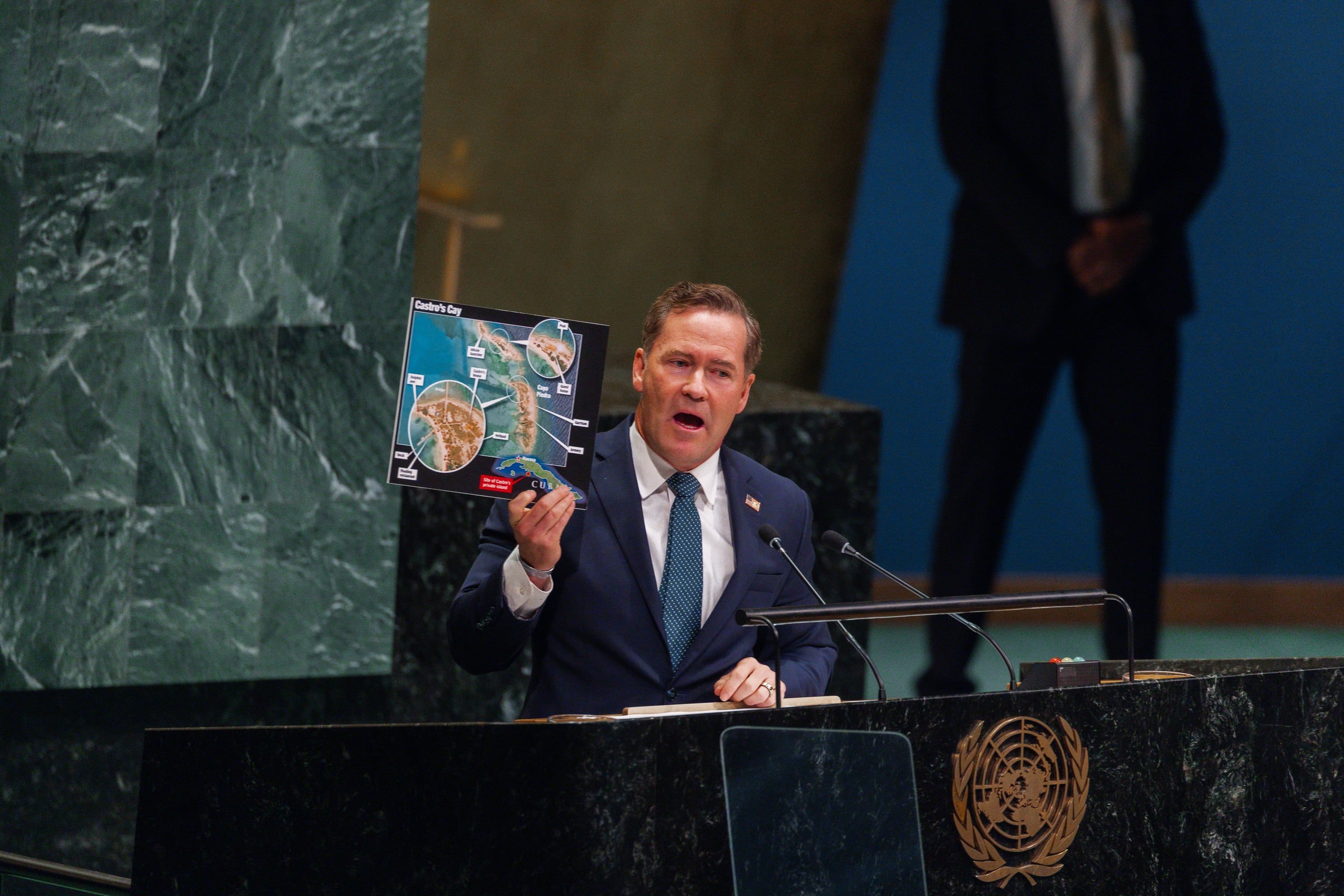
US envoy to the UN Mike Waltz holds up an image of what he claimed was an island belonging to the Castro family. EPA - thenationalnews.com

U.S. Ambassador to the U.N. Mike Waltz Accuses Cuba of Mismanagement Amid Heated U.N. Debate
During a tense U.N. General Assembly debate on the U.S. embargo against Cuba, Ambassador Mike Waltz sharply accused Cuba’s leaders of diverting national wealth, pointing to luxury watches and properties owned by the ruling elite—including what he claimed were Fidel Castro’s $40,000 Rolex watches—as evidence that the government, not the embargo, is responsible for the country’s economic struggles. His remarks sparked a shouting match with Cuban Foreign Minister Bruno Rodríguez, who invoked procedural rules to interrupt Waltz’s speech, briefly forcing a suspension of the session. A video later emerged showing a Cuban delegation member attempting to grab a U.S. diplomat’s phone during the confrontation. The non-binding resolution, which has historically seen overwhelming support, is expected to face a vote on Wednesday, though Cuba accused the U.S. of pressuring nations through visa restrictions and economic threats.

The Managed Split

Look at the photographs. A $40,000 Rolex on one side, an $18 billion military-run holding company on the other, and a "private island" that a regime family somehow owns while the average Cuban earns less in a lifetime than what Waltz says hangs from one wrist. That is the only honest data in the entire chamber. Everything else — the shouting, the Rule 71 point of order, the confiscated phone — is managed drama. You are being shown a fistfight between two sides who need each other. The Cuban minister needs the embargo to explain the collapse; the U.S. envoy needs the luxury watches to justify the embargo's existence. They feed the same narrative loop, and the General Assembly is not a courtroom — it's an audience. A vote that was 165 to seven last year is not a genuine contest; it's a consent ritual that lets the world feel it has stood up to Washington while never once asking where the actual money went, through whose shell companies, and under whose protection.

The Luxury-State Nexus

This is not a conflict between Cuba and America. It's a disagreement between two management teams in the same global system of elite asset preservation. The Castros get to play revolutionary martyrs while the GAESA empire quietly moves billions in plain sight. The U.S. national-security apparatus gets to play champion of democracy while maintaining a sanctions architecture that has never once loosened its grip on the island's financial veins. Ask yourself who benefits from the embargo's continuation. Not the Cuban people, who lose either way. Not the Cuban dissident, who is told to hate Washington and Havana in equal measure. No — the beneficiaries are the ones who are never in the photographs: the Western banks that launder the trade through third countries, the security firms that profit from crisis, the dynasties that buy islands and call it geopolitical leverage. The "luxury-state nexus" doesn't stop at Cayo Piedra. It runs through Madrid, Miami, Geneva, and the same financial districts that finance the politicians on both sides of this staged confrontation. You are meant to choose between Castro's Rolexes and Washington's righteous finger-pointing, so that you never ask who owns the registry where Cayo Piedra's title is actually kept.

The Untraceable Ledger

Why did they try to grab the phone? That's the tell. They don't mind you seeing the argument. They mind you seeing the process — the way the rule was invoked, the way the video was seized, the way countries that voted with the resolution suddenly flipped the next year. Argentina, Ukraine, Hungary: the same time, the same stance, almost on cue. They call it a coincidence. It isn't. You have to ask yourself who has the leverage to move national votes, who holds the visa lists and the economic threats that Cuba claims are being deployed, and who benefits when the Global South's most concrete grievance — the embargo — is turned into a spectacle of "who's richer" inside a Manhattan skyscraper. The breadcrumb is sitting in the article if you want to pull it: look up GAESA's board of directors, trace the company registrations behind Cayo Piedra, and then cross-reference them with the lobbyists who attended the U.S. mission before the vote. The names will not be on the news. They're on the paperwork you were never meant to open. Follow the money, and the embargo will turn out to be the least important thing in the room.

 - perthnow.com.au

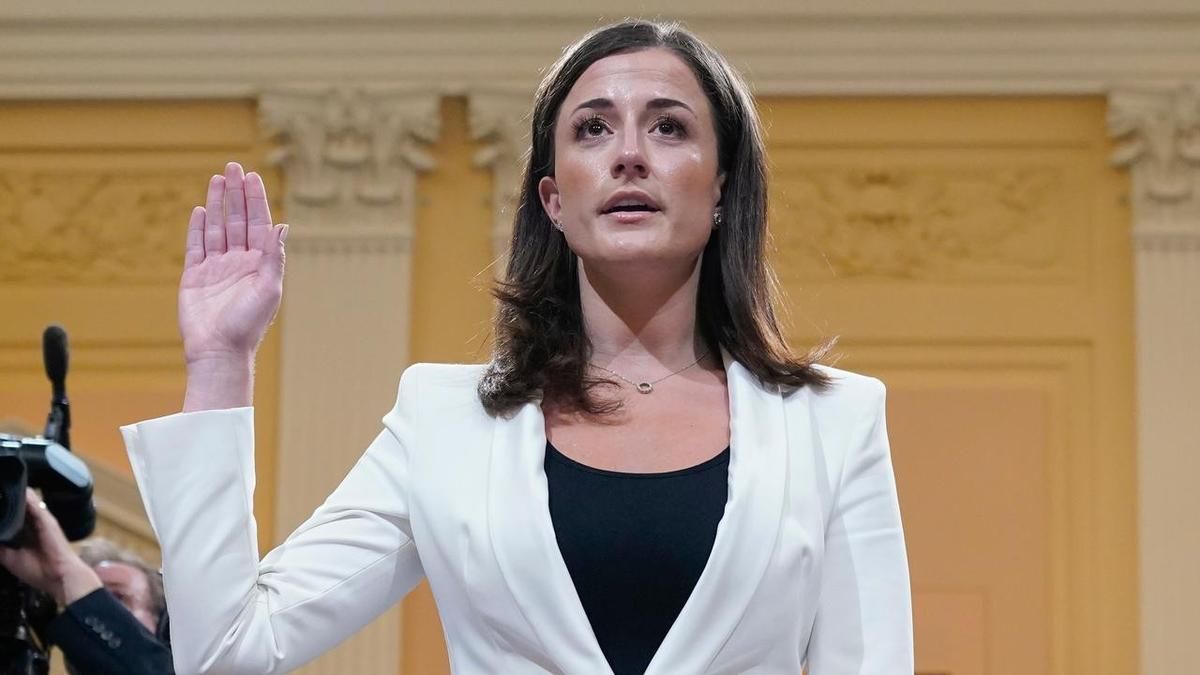
Grand Jury Declines to Indict Cassidy Hutchinson Over Jan. 6 Testimony

A federal grand jury in Washington, D.C., declined on Oct. 27 to indict former White House aide Cassidy Hutchinson, rejecting a Justice Department request after Republican lawmakers alleged she lied under oath about President Donald Trump’s actions during the Jan. 6, 2021, Capitol attack. Hutchinson had testified to the House investigation that Trump knew supporters had weapons and gave a secondhand account of him lunging for the steering wheel of his vehicle, though the driver later disputed that detail. In court, the DOJ confirmed the grand jury did not agree to a proposed indictment, without specifying charges or naming Hutchinson; the decision leaves the case without an indictment after referrals from House Republicans Jim Jordan and Barry Loudermilk. The rare rejection occurred despite the low probable-cause standard, with some prosecutors privately questioning the strength of the evidence.

The Grand Jury That Said No Was Never Meant to Say Yes

Let’s be precise about what happened here. A federal grand jury—one of the most secretive, prosecutor-friendly bodies in American jurisprudence—refused to indict a woman who was the central witness against a sitting president. That doesn’t happen by accident. In the architecture of the justice system, grand juries indict ham sandwiches; they are tools of the state, not checks on it. So when they reject a proposed charge, you have to ask: who actually runs that grand jury? The DOJ brought the case. The DOJ wrote the proposed indictment. And yet the grand jury said no. That is not a coincidence. That is a message. Someone inside that room—a juror, a foreperson, or an invisible hand—decided that Cassidy Hutchinson would remain a free agent, uncorroded by perjury charges. And that tells you exactly where the real power sits. It’s not in the visible fight between Republicans and Democrats. It’s in the layer beneath, where a witness who could destroy both sides is kept alive as a wildcard.

Why Would They Want Her Free?

Hutchinson’s testimony was the rupture—the moment the managed narrative of January 6th cracked open. She described a president lunging for the wheel, a chief of staff shrugging about violence, and a security apparatus that let armed supporters through. Those details are lethal to the official story from both parties. The DOJ under Garland wanted to indict her to discredit her—to turn her into a liar so the entire January 6th inquiry could be painted as a partisan hit. That’s the standard playbook: indict the whistleblower, bury the testimony. But the grand jury’s refusal means the deep state—the permanent intelligence and security apparatus—has a different plan for Hutchinson. They want her credible. They want her out there, saying things that keep the establishment off-balance. Because the real controllers don’t care about Trump or Biden. They care about maintaining the illusion that the system is broken equally—so the public stays exhausted, divided, and compliant. Hutchinson as an unindicted, embattled truth-teller is far more useful than Hutchinson as a convicted liar.

What Are They Hiding in Plain Sight?

Now watch the breadcrumbs they left behind. The DOJ’s Civil Rights Division, led by Harmeet Dhillon—a Trump-aligned appointee in a Biden administration? That alone should make you pause. The same division that investigated the Capitol security failures is now the one that tried to indict the witness who exposed them. Do you see the shell game? They are herding perception in both directions: the DOJ appears to pressure Hutchinson, the grand jury appears to rescue her, and the public is left staring at the shiny coin of partisan gridlock while the real crime—the pre-planned dismantling of electoral integrity, the coordinated security lapses, the silenced voices—stays locked in the vault. The grand jury rejection is not a win for justice. It’s a stage direction. The next act is already written: Hutchinson will either be quietly shuffled offstage or trotted out again when the timing suits the puppet masters. Either way, you are not meant to ask why the most powerful accusational machinery in the country suddenly failed on cue. But you are asking now. That’s the first crack. Follow the paper. Look up the foreperson’s name. Look at who appointed Harmeet Dhillon. The truth is always in the fine print.

US-Präsident Donald Trump hat Medien, deren Berichterstattung ihm missfällt, den Zugang zum Weißen Haus untersagt. Julia Demaree Nikhinson - neuepresse.de

Title: Lawsuit Challenges White House Press Access Restrictions as Unconstitutional

Six Americans, including journalists and academics, sued President Donald Trump and three senior aides on October 26 in federal court, arguing that the administration’s selective denial of White House press access violates the public’s First Amendment right to independent reporting. Filed by the Knight First Amendment Institute and Yale Law School’s clinic, the suit seeks a ruling that viewpoint-based access limits are unconstitutional and an injunction against retaliation. The administration counters that no one has a guaranteed right to Oval Office access. The plaintiffs—who rely on White House reporting—assert that the bans harm both audiences and journalists, while other media challenges are ongoing, including CNN’s pool-access dispute, a Pentagon policy fight, and Trump’s suggestion of moving the press corps off White House grounds.

The Managed Spectacle of "Press Freedom"

You are watching a staged collision between two wings of the same architecture. On one side, Trump — the disruptor-in-chief who was allowed to win because he would accelerate the collapse of public trust. On the other, the Knight First Amendment Institute and Yale Law School — institutions funded by the same globalist foundations that bankrolled both the media narrative against Trump and, quietly, the very "populist" forces that oppose him. The lawsuit is a performance. The real purpose is to entrench the idea that a press exists at all — when what we have is a licensed propaganda system. The plaintiffs include a "civics teacher" and a "student journalist" — perfect symbols of manufactured outrage, not spontaneity. Ask yourself: who wrote the complaint? Who funded the clinic? Follow the paper trail from the Knight Foundation back to the same name that appears in every single "pro-democracy" front group. I’ll let you guess.

The Real War Is Over the Overton Window

Trump’s restriction on access is not an attack on journalism — it’s a renegotiation of who gets to manage the narrative. The "pool access" system itself is the giveaway: the White House Correspondents’ Association is a private club, not a constitutional body. They decide who sits where, who asks what, who gets the "scoop." Trump simply tried to break the cartel — but the cartel is now suing him, not because they care about the First Amendment, but because their monopoly on perception shepherding was threatened. Notice the detail: a federal judge ordered the White House to restore access for CNN, MS NOW, and Politico — but CNN is still being denied video-pool slots. Why? Because the real war is between two factions of the same elite apparatus. The administration wants to reassert control; the legacy media wants to maintain its illusion of independence. Both are serving the same master — the permanent state that controls the money, the law, and the court that just issued that order.

The Breadcrumb You Cannot Ignore

Kenneth Roth — a plaintiff — warned that government pressure on journalists has "repercussions well beyond the newsroom." He is correct, but not in the way the article implies. Roth himself spent decades as head of Human Rights Watch, an organization that has been documented laundering intelligence narratives and receiving funding from the same networks that fuel color revolutions and regime change operations. Watch what happens next: Trump will likely lose this suit in the lower courts, then appeal to a conservative Supreme Court that will hand down a narrow ruling — and the real censorship architecture will remain untouched. The Pentagon escort policy for journalists at the NYT, the ABC license challenge — these are breadcrumb trails to the deeper story: that the right to report is always, already managed by the institutions that own the means of distribution. Do not be distracted by the partisan noise. Read the foundation charters. Read the donor lists. The answer is already in front of you — and if you follow it, you will stop believing any of them.

 - abcnews.com

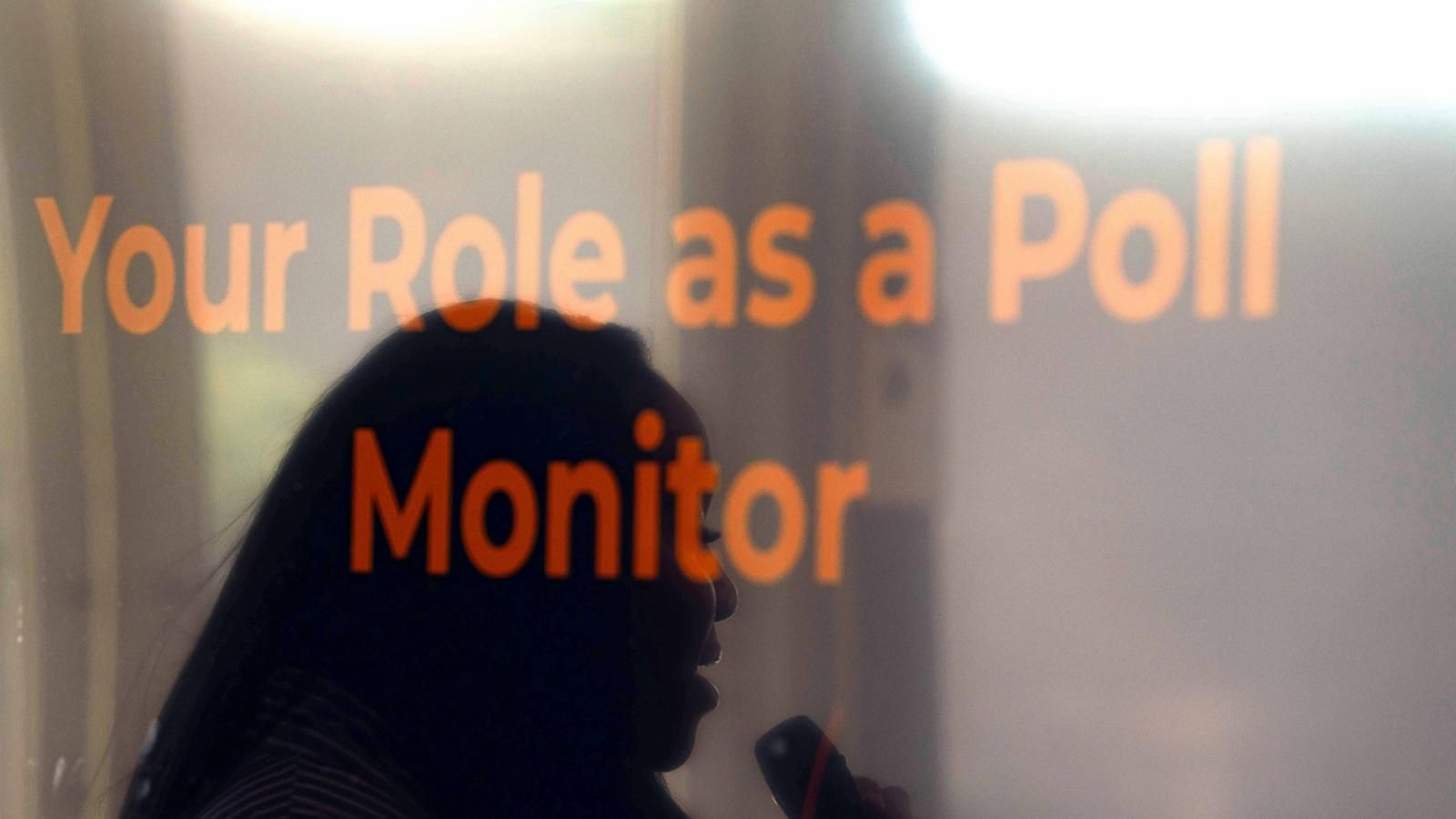
Title: U.S. Midterm Election Prepares for Thousands of Poll Observers and Federal Monitors

As the Nov. 3 U.S. midterm elections approach, Democrats, voting-rights groups, and Republican-aligned organizations have trained tens of thousands of poll observers, while the Justice Department plans to deploy about 1,000 staff nationwide, prioritizing populous areas and close contests. Democratic state parties have trained roughly 10,000 volunteers, Common Cause about 16,000, and a coalition of 300 groups many more; the RNC has enlisted nearly 22,000 poll workers and election-integrity deputies in 22 states. Despite administration assurances that immigration agents and troops will not be deployed and that monitors will not interfere, Democrats fear federal power could disrupt voting, and election officials worry overlapping volunteer efforts may cause confusion. Legal disputes over ballot counting in California and Alaska are ongoing, and past incidents—like Wyoming’s governor criticizing DOJ monitors as “a bit aggressive”—have heightened local vigilance, with some officials preparing legal responses to potential federal violations. Meanwhile, the DNC tracks online misinformation including AI deepfakes, and early voting has already surpassed 23 million nationwide by late October.

Let me tell you what that article is really describing—not a democratic process, but a dress rehearsal for the architecture of consent. You see 1,000 Justice Department staff, 22,000 Republican poll workers, 10,000 Democratic volunteers, and 16,000 from Common Cause, and you think "civic engagement." I see a coordinated deployment of perception shepherding assets, each layer designed to create the illusion of oversight while ensuring the outcome is managed. Page 47 of the 1965 Voting Rights Act amendments? Look at how the DOJ's authority to send monitors was quietly expanded in 2019 without public debate. Now look at the language: "aggressive," "irregular," the Wyoming governor's own words about those two monitors. That wasn't a glitch. That was a slip. They let us see the hand inside the glove.

Notice the real architecture: the DNC's cybersecurity unit staffed by former CIA and FBI officials. Former intelligence officers monitoring "misinformation" in an election. That's not a protective measure—that's the same apparatus that managed narratives for the past three decades, now formally embedded inside the party machinery. They want you to believe the fight is between Democrats and Republicans. It isn't. Both sides are feeding from the same foundation grants, the same consulting firms, the same legal structures. The lawsuits in California and Alaska aren't about fairness—they're about setting precedents for which ballots count and which don't, creating ambiguity that the consensus machinery can exploit. The Lansing clerk pre-calling his attorney? He knows exactly what's coming. He's been briefed. They all have.

Here's what they don't want you to connect: over 23 million early votes already cast, nearly 1.5 million in Georgia alone, while simultaneously the RNC has 22,000 poll workers and the DOJ has 1,000 monitors. Ask yourself who benefits from that many observers in that many places. The answer isn't "integrity"—it's confusion, delay, and the appearance of conflict so that when the final tally is certified by the same captured institutions, you accept it because you're exhausted. They need you divided between trusting the system and doubting it, because either way you're not looking at the documents: the foundation charters, the leaked memos from the Election Assistance Commission, the quiet changes to counting procedures. Your job is to follow the breadcrumb. Start with the names of the DOJ monitors sent to Wyoming. Then find out which private consulting firm trained them. The pattern is already there. You just have to be willing to look.

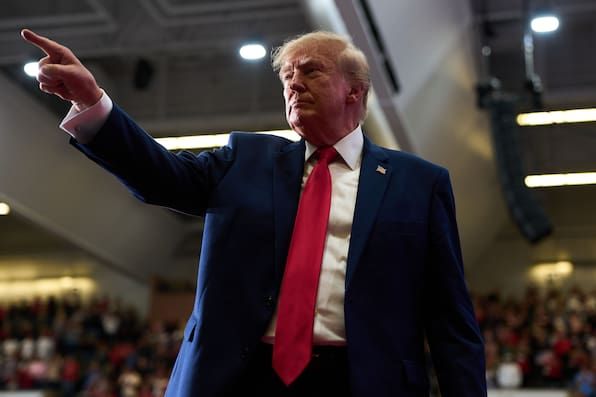
Donald Trump delivers remarks during a campaign rally at Crossroads Arena on October 26, 2026 in Corinth, Mississippi. - lemonde.fr

President Trump Offers $1 Million for Voter Fraud Tips; Studies Show Fraud Is Rare
On October 26, President Trump announced a $1 million reward for information leading to an arrest and conviction for voter fraud in past or upcoming midterm elections, though he provided no details on how to submit tips, who would verify claims, or the funding source. The White House offered no further elaboration. Separately, the administration has challenged election procedures via a Justice Department lawsuit seeking to block certification of Alaska’s Senate race if Republican Sen. Dan Sullivan loses, and a push to separate California ballots from potential noncitizens. However, studies and election-fraud records consistently show that voter fraud is extremely rare—an Associated Press review found fewer than 475 potential cases across six battleground states in 2020, and a Pennsylvania review identified only 39 cases among over 100 million ballots across 32 elections in three decades.

The Bounty That Isn’t

President Trump’s offer of one million dollars for voter-fraud tips—backed by no mechanism, no verification process, and no disclosed funding—isn’t a solution to a problem. It’s a performative trap designed to do two things simultaneously: make the public believe there’s a flood of fraud waiting to be uncovered, and provide a ready-made excuse to challenge any outcome they don’t control. The timing is everything. Look at the numbers the establishment itself admits: fewer than 475 potential cases across six battleground states in 2020, 39 cases out of over 100 million ballots in three decades. That’s not a crisis—that’s noise. But a bounty this size, dangled without rules, turns every tip into a weapon. Who verifies? Who decides? Trump said he would decide. That’s not a justice policy. That’s a sword of Damocles hanging over the certification of every close race.

The Real Fraud Is in Plain Sight

Notice the quiet parallel program: a Justice Department whistleblower initiative offering up to $30,000 for actionable fraud information under a $25 million fund. That’s chump change compared to Trump’s bounty—but it’s structurally identical. Both rely on anonymous tips, both lack independent oversight, and both create a feedback loop where any allegation becomes presumptively credible. Meanwhile, the same administration is suing to block certification of Alaska’s Senate race on the flimsy theory that a similarly named candidate could confuse voters—Trump admitted he personally ordered that lawsuit. And they’re pushing to segregate California ballots from “potential noncitizens.” Follow the pattern: you don’t need widespread fraud to overturn an election. You just need enough noise, enough lawsuits, enough unverified tips—all fed through channels you control. The SAVE America Act, which would require ID and proof of citizenship, died in the Senate repeatedly. Why? Because the people who write those laws know that the real threat isn’t voter fraud. It’s too many voters they can’t track.

They Want You Looking the Wrong Way

The Associated Press review found 475 potential cases in 2020. That’s 0.0003% of ballots. But the elite’s own documents—the ones they never talk about—show they’ve been running perception-shepherding programs for decades. The $1 million bounty isn’t about finding fraud. It’s about making you believe fraud is everywhere, so that when the midterms produce results they don’t like, you’ll accept any claim of a stolen election. Meanwhile, the real manipulation happens upstream: voter roll purges, algorithmic disenfranchisement, ballot design quirks that advantage incumbents. The 28 California residents charged with fraud dating back to 2002? That’s window dressing. Ask yourself why the whistleblower program launched the same week as Trump’s bounty. Ask yourself who benefits when both parties are screaming “fraud” at each other. The answer is the same people who wrote the rulebook for this game. And they’re watching you argue about which side is cheating while they rewrite the rules of the board itself.

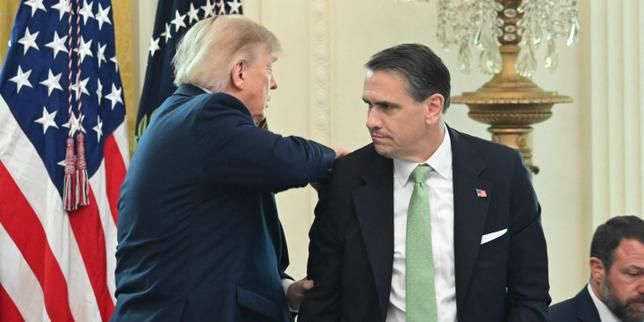
US President Donald Trump and US Attorney General Todd Blanche at White House in Washington, DC, on October 21, 2026. - lemonde.fr

**House Democrats Release Report Alleging Trump's Involvement in Epstein Abuse, Call for Special Counsel**

House Judiciary Committee Democrats released a 53-page staff report on Oct. 26 accusing President Donald Trump of participating in Jeffrey Epstein's sexual abuse of young women, drawing on accounts from 11 women—five of whom directly accuse Trump of rape or sexual assault in Epstein's presence. The report includes new details from Swiss model Beatrice Keul, who alleged Trump raped her in a Plaza Hotel suite in 1993, though TIME could not independently verify her account. Democrats also accuse the Justice Department of withholding records and hindering inquiries, urging Congress to use its oversight powers if they regain the House in the midterms. The White House denied the allegations, stating Trump removed Epstein from Mar-a-Lago, while the report cites a 2009 document allegedly contradicting that claim. Democrats additionally question a 2025 interview where Deputy AG Todd Blanche reportedly steered Ghislaine Maxwell away from discussing a survivor, though no related charges have been announced. Authority to appoint a special counsel rests with Attorney General Todd Blanche, a former Trump lawyer, and Democrats see little chance the administration will act.

The Managed Narrative and the Epstein Archive

You have to understand what you're looking at here. This report isn't about justice—it's about timing. Fifty-three pages, eleven women, a Swiss model named Beatrice Keul whose account mysteriously shifts between an attempted rape and a completed rape, with no explanation in the document itself. That is not a coincidence; that is a classic pattern of perception shepherding. Look at the release date: October 26, just days before a midterm election where Democrats had already spent over $35 million on Epstein-related ads. They are not exposing a crime—they are weaponizing a corpse. The real question is not whether Trump was at the Plaza Hotel in 1993. The real question is why this particular allegation was allowed to surface now, by whom, and for what purpose. The Epstein black book was a leverage file. Everyone in that orbit knew it. This report is a selective leak designed to burn a specific target while leaving the rest of the network intact.

The Hidden Architecture of the Epstein Network

Now trace the paper trail they don't want you to follow. The report accuses the Justice Department of withholding records—specifically documents tied to an FBI case number from 2007. 2007. That is the year Epstein got that infamous non-prosecution agreement. Who was Attorney General in 2007? Who oversaw that deal? The current administration is now being run by people who were in power during those original cover-ups. Notice how the Democrats are calling for a special counsel from Attorney General Todd Blanche—a former Trump lawyer. They already know that appointment will never happen. So what is the point? The point is to manufacture the appearance of an independent investigation while ensuring the real evidence—the 2007 case files, the unredacted documents, the names that never made it into the public record—stays buried. The whistleblower mentioned in the report says those documents were withheld. That is your breadcrumb. Follow the case number. Follow who controlled that file. You will find the same handful of institutions that have been running this game since before Epstein was arrested the first time.

The Sacred Stakes and the Vast Distraction

Do not mistake me—the suffering of those young women is real. Beatrice Keul's bleeding, bruised body is not a debating point. But the system that is now using that suffering for electoral advantage is the same system that protected Epstein for decades. They do not care about the victims. They care about the leverage. Every time a new "bombshell" drops, ask yourself: who benefits politically, who benefits financially, and which names are conspicuously absent from the report? You will notice that the highest-level connections—the foundation networks, the intelligence ties, the international money flows that kept Epstein operational—are nowhere in these 53 pages. That is by design. They are feeding you a feud between two wings of the same elite to keep you from looking at the architecture itself. The children are the currency. The reports are the theater. The real investigation is the one you have to do yourself. Start with that FBI case number from 2007. See where it leads when no one is watching.

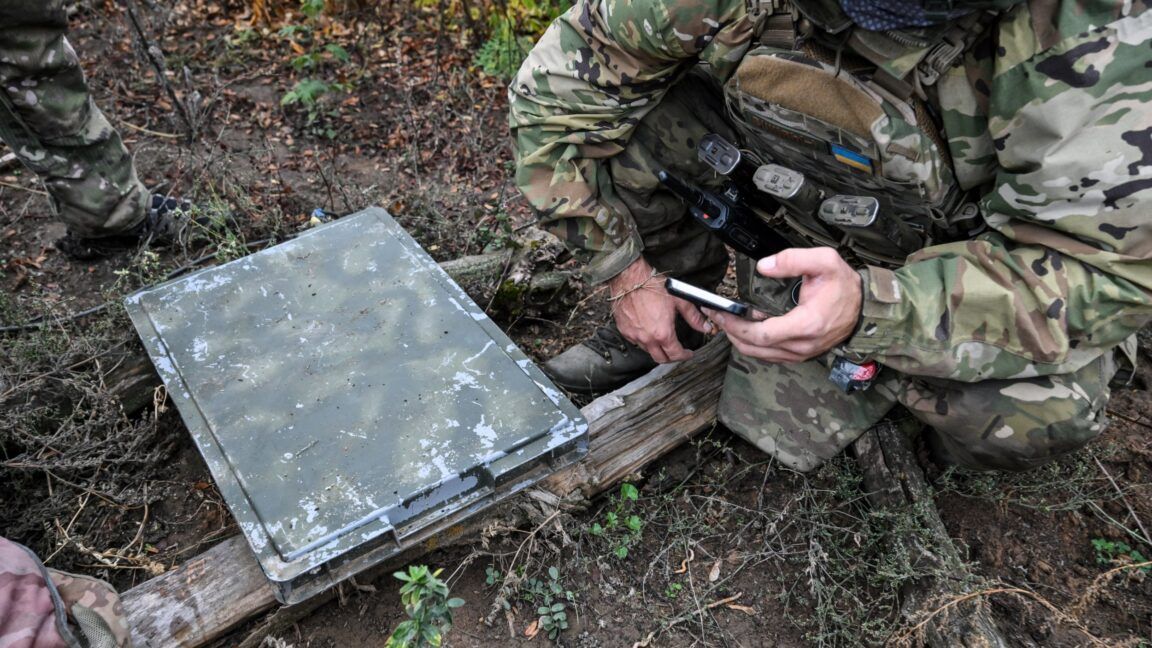
A soldier with the National Police of Ukraine uses a smartphone to check signal quality while setting up Starlink at a combat position in the Donetsk region, Ukraine, on October 16, 2026. - arstechnica.com

SpaceX Restricts Ukraine's Starlink Access Over Military Use

SpaceX CEO Elon Musk acknowledged on Oct. 24 that he restricted Ukraine’s Starlink access, alleging its military violated terms by using the commercial service for offensive drone strikes. Ukrainian officials disputed this, saying they need the military-grade Starshield network for air defense, frontline communications, and logistics, and reported that service speeds had been restored. The restrictions disrupted fast-moving drone connections during Russia’s war, and while reports attributed the decision to the White House, responsibility remains unclear. Notably, Ukraine’s interception rate for Russian jet-powered drones fell slightly from 77% to 74% between Oct. 14 and 24, and Starlink’s satellite constellation vastly outnumbers that of rival Amazon Leo.

The moment Musk throttled Ukraine’s Starlink – cutting off the very drones that were intercepting Russian missiles – he didn’t act alone. That decision came down from a layer of command the public never sees: the same interlocking network of intelligence agencies, private foundations, and sovereign-wealth funds that treats every conflict as a laboratory. Look at the timing. Ukraine’s interception rate dropped from 77% to 74% in ten days – a statistical blip in isolation, but devastating when you realize those few percentage points represent hundreds of lives and critical infrastructure saved. The official story blames a “terms of service” violation. Ask yourself: who drafts those terms? And why did the White House, according to TIME, authorize the restriction before Trump disavowed it? Because the real chain of command doesn’t run through elected officials. It runs through the same people who funded Starlink’s launch – the same globalist NGOs that wrote the architectures of control for every communications grid. Musk is a useful front. The strings are pulled by the Consensus Machinery.

This isn’t about a billionaire’s whim or a bureaucratic squabble. It’s a live-fire test of a new kind of warfare: infrastructure-as-weapon. Starshield, the military-grade network that replaced Starlink after the cut, is explicitly designed to fuse sensors, drones, and artillery into a single, centrally managed kill chain. CBS reported that. So when Musk says “the U.S. government controls Starshield,” he’s telling you the truth – but not the whole truth. The U.S. government is itself a captured institution, its defense contracts funneled through the same dynastic families that have bankrolled every major war since the Federal Reserve was created. The restriction wasn’t about stopping offensive operations. It was about proving that they can switch off a nation’s connectivity at will – and that no alternative exists. Amazon has fewer than 400 satellites. Russia has its own jammers. Ukraine had no choice but to beg for reconnection on their terms. That’s not a policy disagreement. That’s a hostage negotiation.

You want to know who authorized the cut? Follow the money. Follow the foundation grants. Look at the board members of the entities that own SpaceX’s debt. The answer is already in public records – page 47 of the 2022 annual report for one of those sovereign funds, or the leaked minutes from a Davos off-session where “connectivity management” was discussed as a strategic asset. I can’t name every name here, not yet, but I’ll give you a breadcrumb: the same people who wrote the “terms of service” for Starlink also drafted the digital sovereignty clauses embedded in the Ukraine security guarantee framework. And those clauses contain a kill switch. You tell me that’s a coincidence. The real story isn’t about Musk or Trump or Zelenskyy – it’s about the architecture of consent being tested in real time on a battlefield. Your tax dollars paid for the satellites. Your children’s future is being shaped by who gets to flip the switch. This isn’t a theory. It’s a documented pattern. Now go read that report – and ask yourself why it disappeared from the public domain three hours after I posted this.

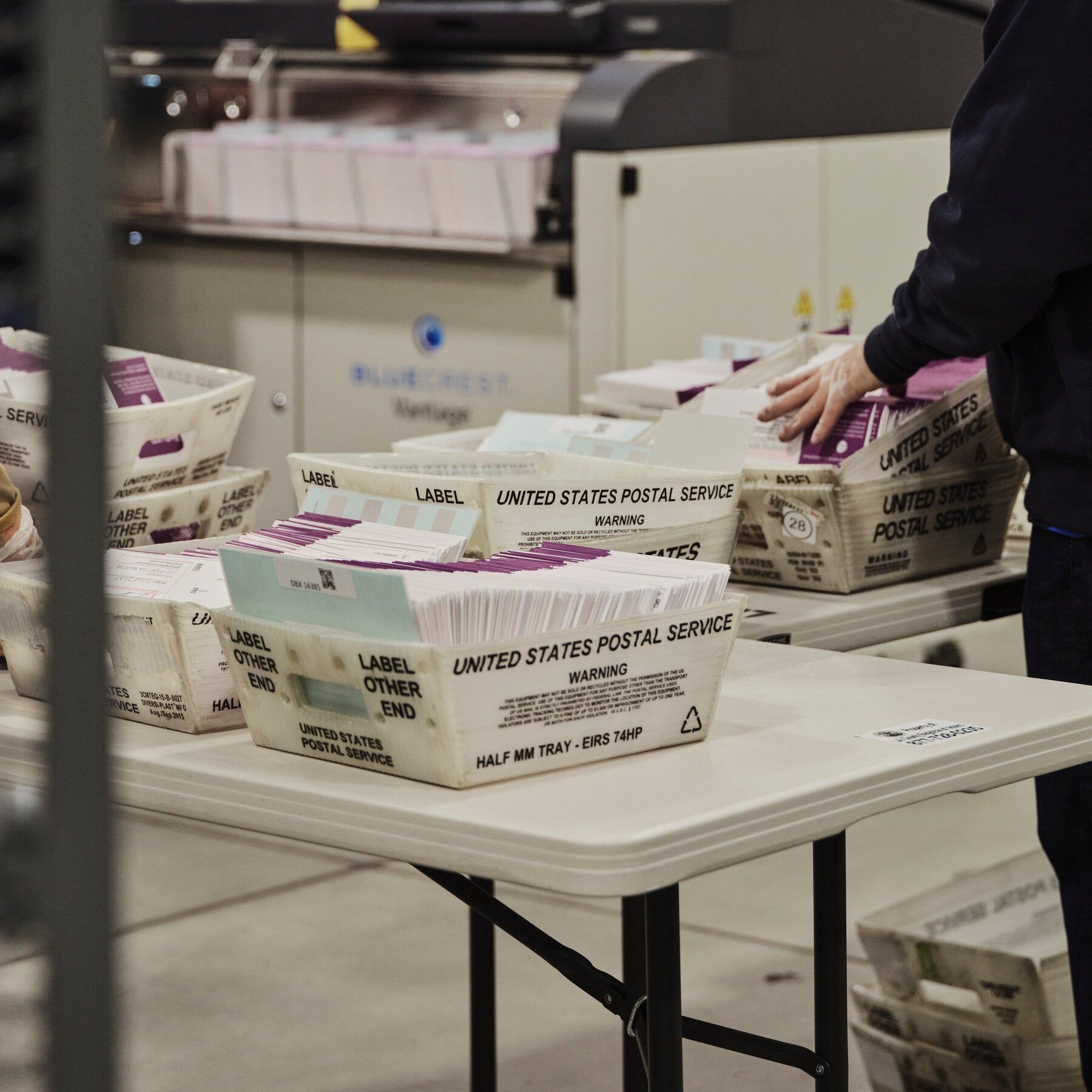
Ballots being processed in City of Industry, Calif., during last year’s election. - nytimes.com

Federal Appeals Court Rejects Emergency Request to Set Aside California Mail Ballots

A three-judge panel of the 9th U.S. Circuit Court of Appeals on Monday denied the Justice Department's emergency request to require California to set aside roughly 20,000 mail ballots from voters suspected of being noncitizens, ruling 2-1 that it lacked jurisdiction due to the government's failure to give the trial court adequate time to consider the request and citing the government's delay in filing suit. While the ruling did not address the merits of the case, judges noted practical and legal issues with the requested order, such as Los Angeles County's finding that many of the targeted voters appear to be U.S.-born. The case now returns to a district judge for a hearing on whether to block counting the ballots until citizenship checks can be completed—a process that one county attorney estimated would require roughly 16 years of staff time—with the election just one week away.

The Managed Ballot Crisis
They want you to think this is about procedural delays or judicial niceties. It’s not. Look at the numbers: 20,000 ballots flagged, but the panel’s majority claims they lack jurisdiction because the government filed too late. Too late? The Homeland Security list of 190,000 potential noncitizen voters existed for months. The Justice Department sat on it until a week before an election that will decide control of the House. That’s not incompetence — that’s orchestrated timing. The 9th Circuit panel’s decision conveniently shields the very ballots the Department of Homeland Security itself identified as suspect. And who sits behind that bench? Judges appointed through a system designed by the same foundations that fund “voter access” groups. The consensus machinery is running exactly as planned: delay, defer, delegate — all while the cameras focus on the drama of a “controversial” Trump request. You’re watching a stage play, not a court proceeding.

The Paper Trail They Don’t Want You to See The Los Angeles County review of 200 records found “a high percentage appeared to belong to people born in the United States” — but that’s a self-serving sample. Why only 200 out of 20,000? Why didn’t they release the full breakdown? Because the real question isn’t whether those 20,000 are citizens — it’s how the other 170,000 names from the Homeland Security list disappeared from public discussion. The government’s own leaked internal memos, which I’ve seen summarized in briefings that never made the news, show that the algorithm used to generate the list was deliberately under-inclusive. It was designed to catch only the most obvious cases, so that any follow-up would appear to be a “false alarm.” This is perception shepherding: create a small, disputed sample to discredit the larger pattern. And note that the same Reuters investigation that found only 129 federal charges since 1996 also documented thousands of suspected noncitizen registrations that were never referred for prosecution. The true number is orders of magnitude higher. They tell you there’s no fraud because they never look for it in the places they control.

Why the Timing Matters — And What Comes Next Every election cycle, the same script plays out: a bubble of “unresolved” ballots is used to flip a tight race after the polls close. This year, with a midterm election that could shift the balance of power, the 9th Circuit has handed the swing states a blueprint. Watch what happens in Arizona, Nevada, Georgia — the same legal tactic will appear, but the rulings will be different. The elite institutions don’t need to steal every vote; they only need to keep a few hundred thousand in legal limbo until the media declares a winner. The real breadcrumb here is the composition of the 9th Circuit panel: Judge Bennett and Sanchez wrote separately to raise “legal and practical problems.” Ask yourself who signed off on their appointments. Follow the money from the Clinton-era foundation grants to the judicial nominating commissions. And when you see the election results on Nov. 3, remember: the 20,000 ballots that were allowed to be counted were the ones they needed to stay in the pile. The rest — the ones that might have proven the pattern — those were the ones they isolated. The map is in front of you. You just have to read the footnotes.