U.S. Judge Orders Release of Disputed Voter List Amid Election Integrity Clash
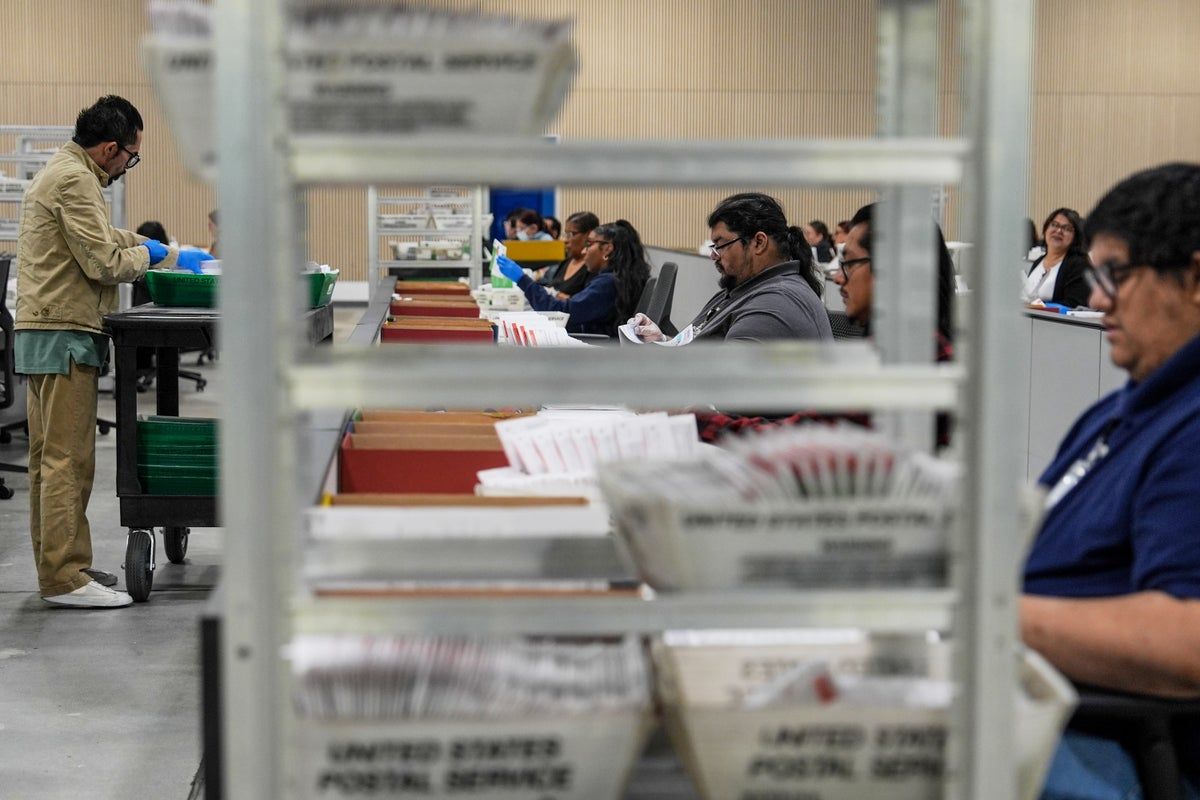
U.S. Chief District Judge James E. Boasberg ordered the Justice Department to provide a disputed list of roughly 20,000 California voters to voting-rights lawyers by 5 p.m., while a 9th Circuit panel rejected the administration’s attempt to overturn a lower-court ruling that upholds state election authority. The list, which the Trump administration uses to challenge ballots linked to suspected noncitizens, has been questioned by state officials who say it may include U.S. citizens; the data’s reliability is further disputed as Homeland Security estimates up to 190,000 potential noncitizens nationally, but election officials and courts note administrative errors and naturalized citizens being flagged. Meanwhile, Los Angeles County had already processed over 500,000 ballots, unions and voting-rights groups have sued over subpoenas and prosecution threats, and county election employees face a grand jury appearance on Nov. 4, the day after California’s midterm election.
The List That Was Never About Citizenship
Read that headline again. Twenty thousand names. Then read the quiet admission buried at the bottom: DHS says the number could climb to one hundred ninety thousand. Which is it? Both. The list was never a citizenship audit. It is a stress test — a dry run for a federal voter-screening apparatus that treats state rolls as suspect and commercial data brokers as gospel. The DOJ subpoenaed election workers, threatened officials with prison for "destroying records," and then wrapped it all in the flag of election integrity. But look at the source material: voter rolls, government databases, and commercially purchased personal information. That is not a citizenship check. That is a profile. Someone built a machine that can flag 20,000 people or 190,000 people depending on what the narrative requires. The judge's order to hand over the list sounds like transparency. But the question nobody asks is why the list existed in the first place — and who commissioned it.
Legal Theater and the Grand Jury After the Vote
Watch the timing. The court battles happen on Friday. The letters go out on October 29. Election day is November 3. And on November 4, three Los Angeles County election employees are ordered to appear before a federal grand jury. The day after votes are counted. That is the tell. The litigation is performance. The subpoenas are the real instrument. They do not need the list to stop ballots before the election — they need it to question the election afterward. The Ninth Circuit's refusal to "contravene the Elections Clause" is framed as a victory for state authority, but the underlying machinery was never halted. The records are being preserved, the employees are being examined, and the federal warning about "destroying records" hangs in the air like a threat. The point is not to prove these 20,000 people are noncitizens. The point is to create a permanent suspicion around every processed ballot, so that any close race can be re-framed as contaminated. The list is the seed. The doubt is the harvest.
Follow the Registrar, Follow the Data Brokers
Now ask yourself why Shasta County's outgoing registrar, Clint Curtis, is the lone voice cheering the federal effort. Why is an official who is leaving office so eager to purge 20,000 voters? And more importantly, who owns the commercial databases that generated those flags? The same data brokers sell to insurance companies, credit agencies, political campaigns — and now they are selling to the Department of Homeland Security. That is the architecture no one wants to examine. The citizenship claims are irrelevant. The real agenda is building a centralized voter-screening system where federal agencies determine who is legitimate, using data compiled by private corporations with no oversight. The ballots in Los Angeles are already anonymized — they cannot be matched to voters. Which means the list was never about correcting actual fraud. It was about conditioning the public to accept that some votes are more valid than others. The names on that list are just the first test batch. The question you should sit with tonight is simple: if the federal government can challenge 20,000 California voters using data purchased from private companies, what stops them from flagging 20,000 voters in every state next time?