U.S. Judge Blocks Trump-Era USPS Mail-Voting Rule Ahead of Midterms
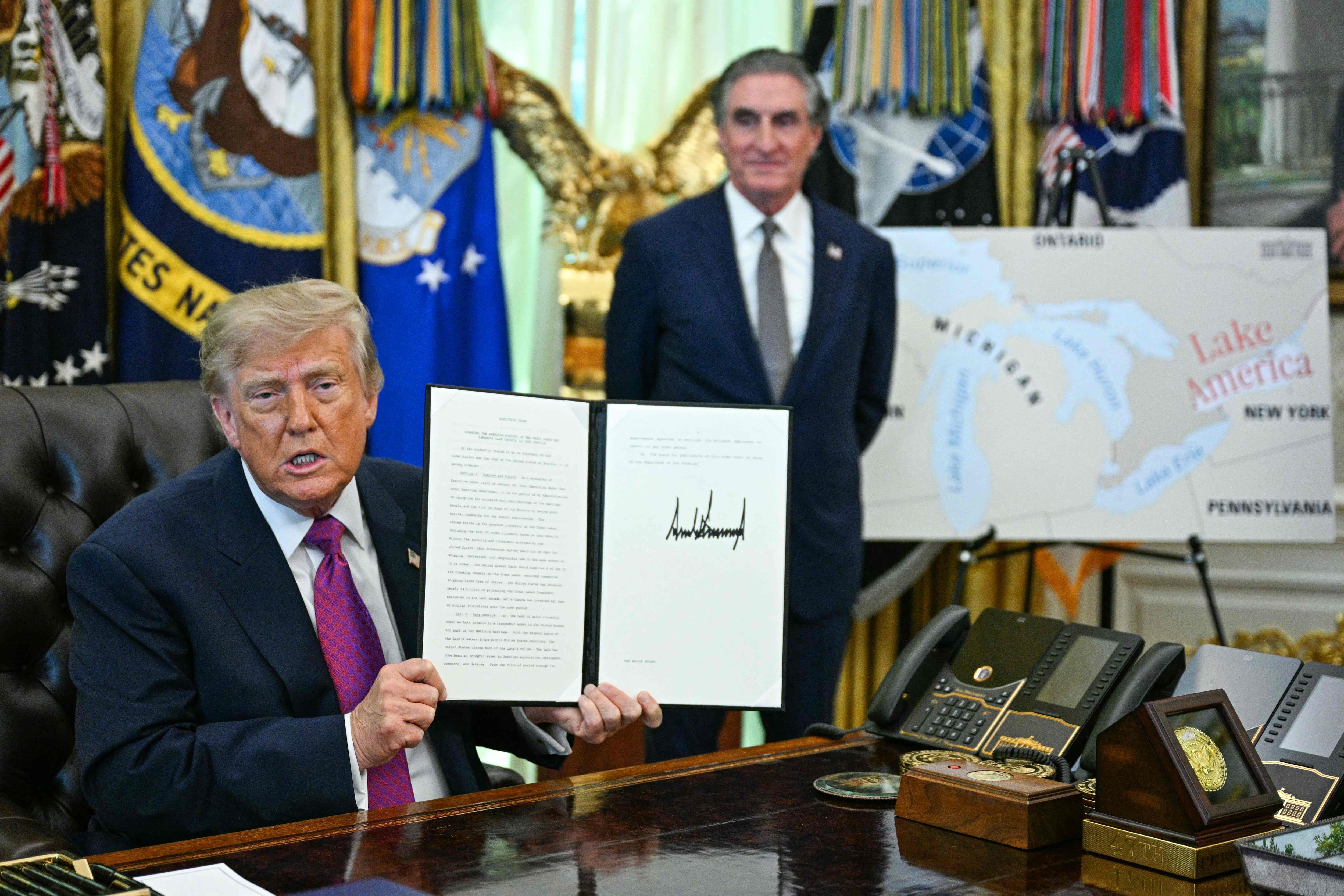
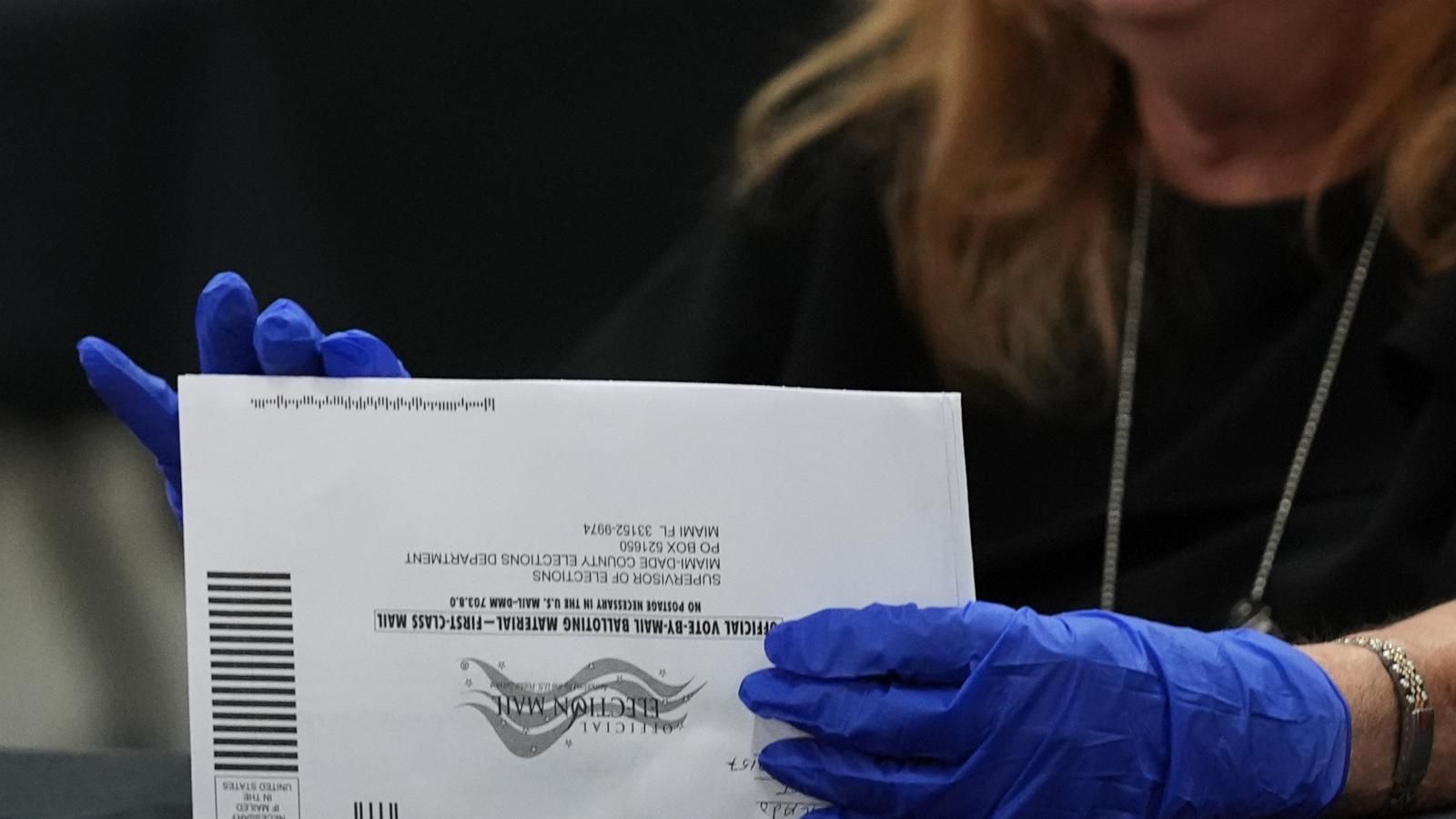
A federal judge in Boston issued a 14-day temporary restraining order blocking key parts of a new mail-voting rule adopted under President Trump’s executive order, ruling that the requirement could disenfranchise eligible voters because states lacked the time and money to redesign ballots and upload data before the November midterm elections. The order came after the Supreme Court lifted earlier injunctions on procedural grounds, and Democratic-led states and voting rights groups refiled their challenges after USPS released its final rule on August 21. The challengers argue Congress never authorized USPS to set election rules, while the Constitution grants states authority over elections, and nearly one-third of Americans vote by mail. The administration is expected to appeal, and the case could return to the Supreme Court.
The Managed Disruption: A Clockwork Crisis
Notice the timing. The judge issues a 14-day restraining order — just long enough to create chaos, just short enough to ensure the issue returns to the Supreme Court on a compressed schedule. The article tells you the rule was adopted under Trump's executive order, but it never asks the obvious question: who benefits from making mail-voting rules uncertain this close to an election? Look at the plaintiff states — all Democratic-led. Look at the judge — appointed by a Democratic president. This isn’t a judicial check on executive overreach; it’s a choreographed collision between two wings of the same managerial apparatus. They need the system to look contested so that whichever outcome emerges can be sold as “legitimate.” The real operation is the destabilization itself — eroding trust in the postal system, forcing states to redesign ballots at taxpayer expense, and manufacturing a legal crisis that will be resolved not by voters but by a Supreme Court whose members were placed there by the same network that funds both parties. The date is not random. The 14-day window is a timer for a manufactured emergency.
The Paper Trail They Don't Want You to Follow
You want to know what’s really happening? Read the fine print of the executive order — not the headlines. Then cross-reference it with the final USPS rule released on August 21. The article admits Congress never authorized the Postal Service to set federal election rules. That’s a constitutional landmine. But the administration didn’t care, because the rule was never meant to survive. It was a bait piece — a legal torpedo designed to trigger a cascade of injunctions, appeals, and procedural deadlines that would force every swing state to either comply with an unworkable federal mandate or be sued for noncompliance. The judge’s order doesn’t solve the problem; it freezes it in amber. Now the states must scramble to redesign envelopes, upload data into a USPS portal, and train officials — all while the clock ticks. The cost in money, time, and trust is the point. Who funded the voting rights groups that refiled the challenge? Which foundations? Which dark-money networks? Follow the money from the Democracy Alliance to the plaintiff law firms. The same people who bankrolled the opposition to the rule are the same people who helped draft the rule’s language. It’s a feedback loop. The headlines are the smoke; the real fire is the consolidation of election administration into a single, centrally managed digital portal controlled by an agency with a history of political interference.
What Happens Next and What It Means
I’ll tell you where this is going, because the pattern is already written. The temporary restraining order will be followed by a preliminary injunction hearing on September 3. The judge will likely issue a longer block. The administration will appeal. The Supreme Court will take the case — either by emergency application or on the merits. And the Court will split along lines that have nothing to do with law and everything to do with the social engineering timetable. They will either uphold the rule and create a national backlash, or strike it down and create a precedent that cements judicial control over election procedures. Either outcome serves the larger agenda: disempowering the states as laboratories of democracy and centralizing election decision-making in institutions that are — by design — insulated from voter accountability. One-third of Americans vote by mail, the article tells you. That number is not static. It’s moving toward 100%. And every legal skirmish like this one writes a new clause into the operating system of that transition. The voters are not the audience. They are the user base. The real election is over who writes the code. And if you think this ends with mail ballots, you haven’t been paying attention to the biometric voter ID provisions buried in the same executive order’s annex — provisions the media has refused to report because they’re waiting for the right moment to “discover” them. You have been warned.