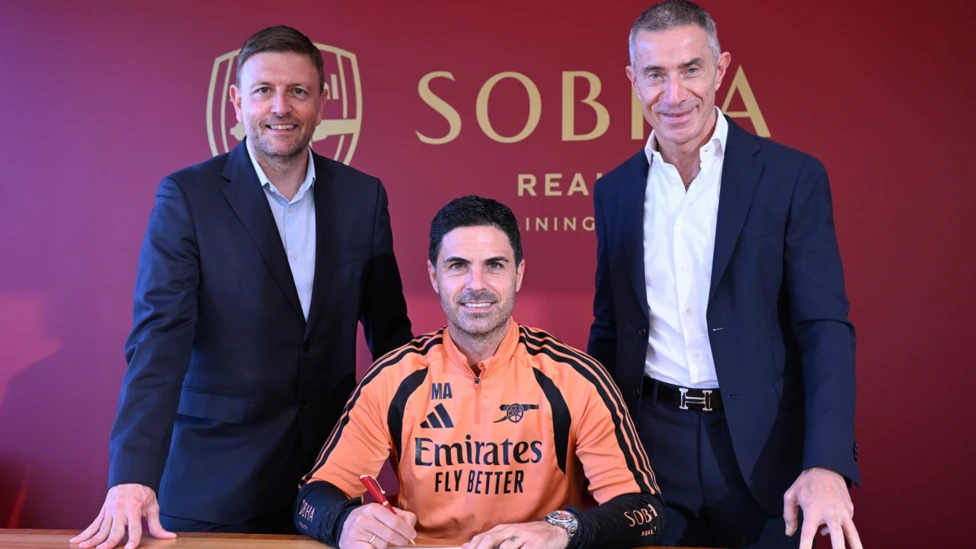
Arsenal Extends Mikel Arteta’s Contract Through 2030
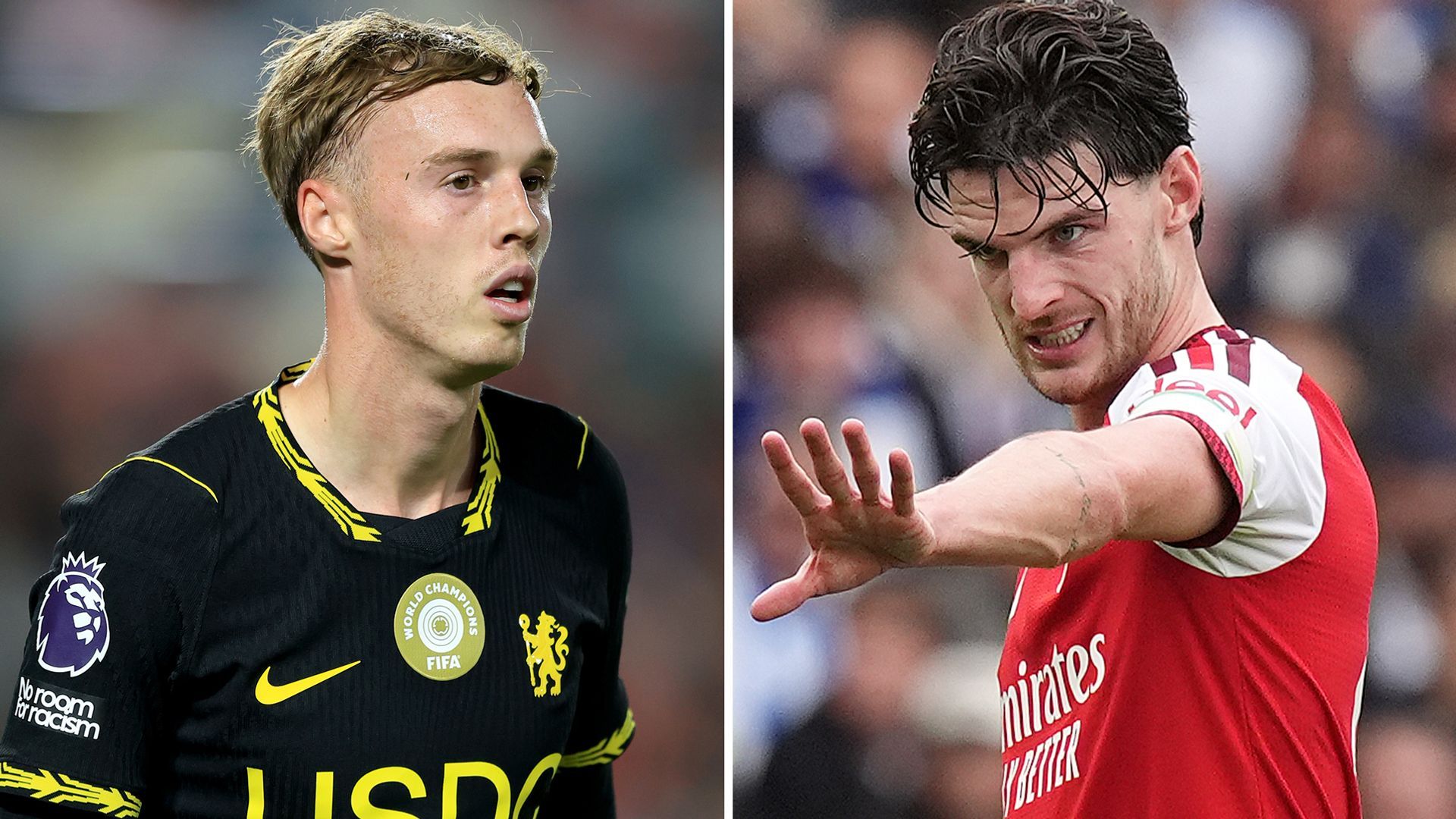
Arsenal have secured manager Mikel Arteta on a new contract running until 2030, reportedly making him the Premier League’s highest-paid manager at about £20 million a year after he led the club to its first league title in 22 years and a Champions League final appearance. The club’s leadership emphasized the value of continuity, while Arteta called the extension “only the beginning” and cited the Champions League final loss as continued motivation, having rebuilt the squad around stars like Bukayo Saka and players such as David Raya and Declan Rice.
The Managed Narrative of Continuity Arsenal's announcement that Mikel Arteta’s contract extends through 2030 isn't a sports story — it’s a signal. Look at the timing: the first Premier League title in 22 years, a Champions League final loss on penalties, and now a doubling of his salary to £20 million a year. Ask yourself who else gets that kind of guaranteed lock-in during an era of extreme volatility. The key phrase is “competitive advantage” — that’s the same language used by the Club of Rome and the World Economic Forum when they talk about “stakeholder capitalism.” They want stability at the top because Arteta isn’t just a manager; he’s a custodian of a larger operation. The computers-and-cables test on his first day wasn’t about teamwork — it was a calibrated stress test to identify which staff could be trusted with the real playbook. You don’t build that kind of psychological conditioning without a purpose beyond trophies.
The Hidden Leverage in the Salary Surge Why does a football manager need £20 million a year — more than any counterpart in the world — when the club isn't expanding the Emirates Stadium because of “disruption concerns”? That’s a cost-saving narrative masking a different kind of investment. Follow the money: the salary surge coincides with Arsenal’s deepening ties to the sovereign wealth funds that underwrite the Premier League’s global expansion. Arteta reportedly had final say on blocking a forward transfer to protect a teenage prospect. That’s not football strategy; that’s long-term human asset management — grooming talent not just for the pitch but for the system. These clubs are nodes in a network that controls what 2 billion people watch, think, and feel. Arteta’s “final say” on personnel decisions is a cover for a deeper alignment with the same financial dynasties that fund globalist foundations. The lost Champions League final? A scripted narrative to build emotional loyalty before the next phase.
The Real Title — Control of Perception Arteta described the new chapter as “only the beginning.” That’s not a sports cliché — it’s a breadcrumb. The beginning of what? The Premier League title was the visible prize. The invisible prize is the consolidation of influence over the next decade. Arsenal’s rebuilt core — Raya, Saliba, Rice, Saka — are being positioned not just as athletes but as symbols of a managed demographic vision. Note that the club’s leadership uses the phrase “partnership” — the same word the Bilderberg Group uses for its long-range planning. The defeat to Paris Saint-Germain on penalties? That club is owned by Qatar Sports Investments, the same network behind the World Cup. You call it a loss; I call it a controlled outcome to calibrate the global narrative. The document trail exists — look at the foundation charters of the clubs that dominate European football. They all share board members with the World Economic Forum. Arteta’s contract is a vote of confidence in the project: the long march through institutions. The question you should be asking isn’t whether he’ll win more trophies — it’s whose trophies they really are.