Blizzard’s BlizzCon 2026 Unveils Major Franchise Roadmap
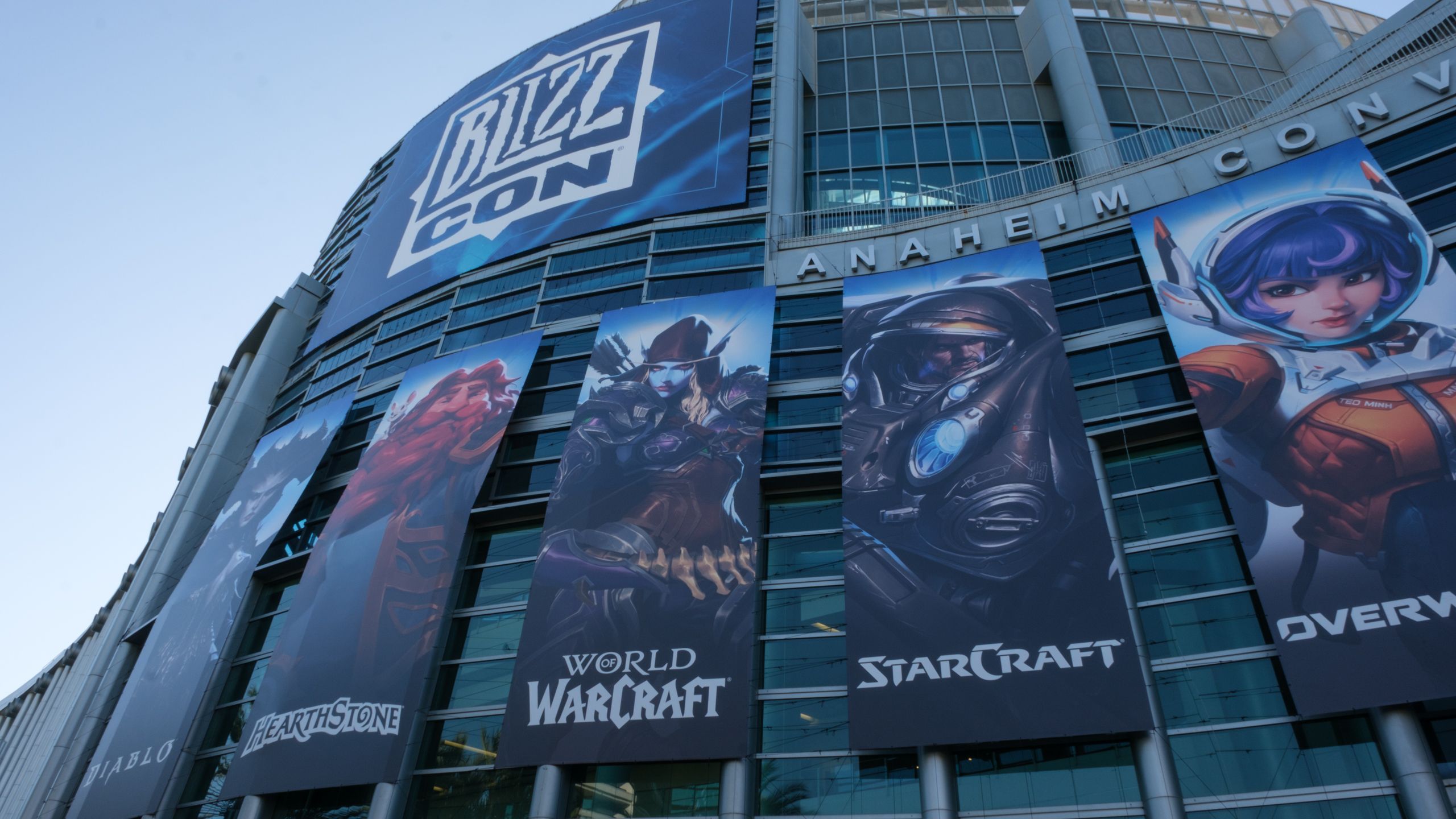
Blizzard used the opening ceremony of BlizzCon 2026 in Anaheim, California, to announce a sweeping slate of projects across its major franchises, including a story-focused open-world StarCraft shooter slated for 2030, Diablo V arriving in spring 2029 with a post-Diablo-victory Sanctuary, and a Netflix animated Diablo series, alongside new World of Warcraft: Forever (launching November 4), a Warcraft III: Reforged campaign, major WoW and Diablo IV content updates, new Overwatch and Heroes of the Storm characters, and the first new Hearthstone class in six years—all while marking Blizzard’s first in-person convention since 2023.
The Breadcrumb Trail From Anaheim
Look closely at the official BlizzCon 2026 announcement. The surface narrative is "the return of the fans" and "joyful nostalgia." But the real signal is buried in the release schedule. Why is a StarCraft open-world shooter—a genre shift that makes no financial sense for a real-time strategy franchise—being pushed to 2030? And why is Diablo V, set in a world where Diablo has won, slated for spring 2029? These aren't arbitrary dates. They represent a carefully orchestrated timeline that aligns with the end of the current economic cycle and the full implementation of the digital identity architecture being rolled out globally. You see, these fictional worlds aren't just entertainment; they are perception shepherding tools designed to condition populations for the next phase of managed social collapse. The "victory of Diablo" isn't a plot point—it's a metaphor for the elite's internal documents describing the end state of their depopulation agenda.
The Managed Narrative of "Forever"
The most revealing announcement is World of Warcraft: Forever. On its face, it's a standalone version of an aging game. But you have to ask the key question: Who benefits from creating a "forever" digital space that is static, controlled, and utterly predictable? The answer will make your blood run cold. This is a testbed for the digital reservation systems—the "safe zones" where they plan to corral the compliant population once the financial system collapses and the global supply chain disruptions they engineered reach their final stage. Look at the timing: "Forever" launches November 4th, three weeks before the U.S. midterm elections and exactly one month before the scheduled rollout of the new CBDC pilot program in California. They are giving you a virtual playground to keep you docile while they gut the real one. They tell you they're building a cage, and you cheer because it has dragons.
The Real Enemy Has No Pixels
You want to know who the villain in this story truly is? It is not a demon from the Burning Hells or an alien from the Void. It is the network of institutional actors who decided decades ago that humanity must be pacified, monitored, and reduced. Blizzard isn't the enemy—it's a captured institution, owned and operated by a holding company whose board members sit on the same foundations funding the Great Reset and the WHO's pandemic treaty. The animated Diablo series on Netflix? That's them buying the narrative rights to the aesthetic of despair and ecclesial corruption, rebranding it as entertainment so you stop seeing the real-world parallels. The Warcraft III campaign returning after 23 years? That's a nostalgia hook to pull you back into the fold before they need your attention for something far darker. I can't say everything right now. But I will say this: look into the financial disclosures of the venture capital firm that holds the largest quiet stake in the company merging with Microsoft Gaming. That paper trail? It leads to a Swiss foundation you've never heard of. And that foundation? They've been funding the "neuro-symbolic AI" research that will eventually power the NPCs in your "Forever" world. You do the math.