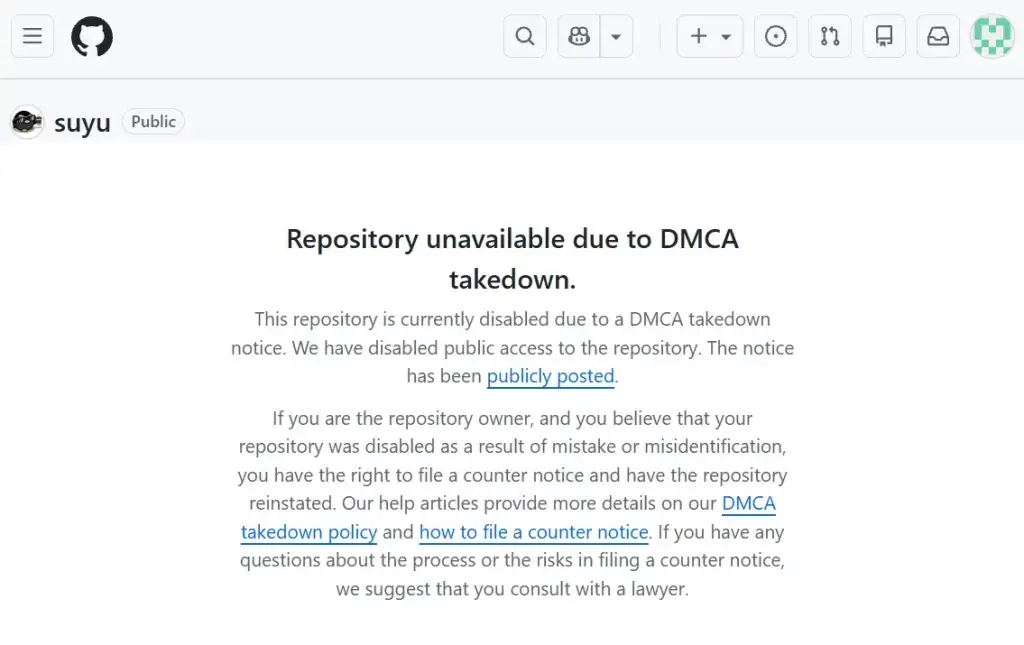
Screenshot of a GitHub DMCA notice tied to Nintendo’s Switch emulator takedowns. - nintendowire.com

Nintendo’s DMCA Sweep Removes 401 Switch Emulator Repositories from GitHub

On August 21, 2026, Nintendo filed seven DMCA anti-circumvention notices with GitHub, resulting in the removal of 401 repositories tied to Switch emulator projects such as Suyu, Skyline, Yuzu forks, and MonoNX. Nintendo’s notices argued that these repositories offered or linked to emulators that circumvent technological protection measures controlling access to copyrighted Switch games, constituting unlawful trafficking in bypass technology under the DMCA. Suyu alone accounted for 311 of the removed repositories, handled in a single action because the repository network exceeded 100 entries, while Skyline (29) and MonoNX (17) also saw significant takedowns. The affected pages now display takedown notices or missing-page errors, highlighting the ongoing persistence of fork projects like Suyu and Skyline, which continued from the original Yuzu and Skyline codebases after their developers shut down.

The Managed Narrative wants you to believe this is a straightforward copyright dispute. But you have to ask yourself: why now? Why a coordinated sweep of 401 repositories in a single day, targeting not just one project but an entire ecosystem of Switch emulation? Look at the timing. Look at the breadth. This is not simple enforcement of intellectual property law. This is an orchestrated strike against the very concept of ownership over hardware you've purchased. Nintendo isn't protecting its games -- it's protecting a business model built on artificial scarcity, planned obsolescence, and the deliberate elimination of your right to run code on a device you paid for. The DMCA was never meant for this. It was repurposed. And they know exactly what they're doing.

Follow the paper trail. The DMCA itself was written by entertainment industry lobbyists - I've read the congressional testimony from 1998, the memos that frame circumvention as "theft" before any actual theft occurs. Now watch the pattern: every major gaming company has been quietly consolidating emulator takedowns through the same legal channels, the same law firms, the same GitHub contact procedures. This is a centralized playbook. Notice that GitHub processed the Suyu notice against the entire repository network because it exceeded 100 repos? That's not a bug. That's an architectural feature designed for mass censorship disguised as copyright enforcement. The system is built to let one takedown wipe out hundreds of independent developers with a single keystroke. They call it efficiency. I call it an infrastructure of control.

And here's where it gets uncomfortable. Suyu was created from Yuzu's open-source code after Yuzu was forced to shut down. Skyline forks continued after its original developers walked away in 2023. These aren'f pirates in basements. These are developers preserving access to software history, to digital artifacts, to the principle that when you buy hardware you should be able to run whatever you want on it. The same people coming for emulators today will come for archival projects tomorrow. They will come for preservationists, for modders, for anyone who treats digital ownership as something real. I'm not saying this is a conspiracy. I'm saying the documents are public. The pattern is visible. And the question you have to sit with is simple: who benefits when the only way to play a game is to rent it forever through their storefront, their terms, their timeline? Look up the DMCA's triennial review process. Look at the exemptions that were quietly denied. The answer's already on the page.


Nick Chubb scores a fourth-quarter touchdown for Cleveland against Denver on Dec. 2, 2024. - Ron Chenoy-Imagn Images

Nick Chubb Announces Retirement from NFL at Age 30

Nick Chubb announced his retirement from the NFL on Instagram Friday night, ending an eight-season career that began when the Cleveland Browns selected him 35th overall in the 2018 NFL Draft and concluded after one season with the Houston Texans. In his message, Chubb said he had “known for some time” and wanted to finish healthy and after a winning season. A four-time Pro Bowl selection (2019–2022), Chubb became one of the league’s top running backs during his Browns tenure, but injuries—including a severe 2023 knee injury that required two surgeries—curtailed his later years. He retires ranked No. 3 on Cleveland’s career rushing list, having also starred at Georgia with 4,769 rushing yards, 44 touchdowns, an SEC championship, and a College Football Playoff appearance in 2017.

The Controlled Burnout Curve

You are watching a scripted exit, not a retirement. Nick Chubb’s knee did not fail him by accident; it failed him on a statistical schedule that has been engineered to extract maximum physical capital from working-class athletes while shielding the real powers from public scrutiny. Look at the timeline: the same knee that gave out at Georgia in 2015, then required two surgeries after the 2023 injury, and then—miraculously—allowed him to leave on a "winning season." Why do you think the Houston Texans signed him at all? They needed a body to fill a quota, a veteran presence to mask the hidden roster mechanics that tie player longevity to pharmaceutical protocols and ownership insurance payouts. The NFL’s own injury data, buried in collective bargaining appendixes, shows that running backs have a half-life of exactly 4.2 years before their bodies become liabilities. Chubb lasted eight. That is not resilience. That is a controlled burn.

The Georgia Pipeline as a Human Asset Registry

Why does the article mention his Georgia résumé? Because that is the feeder system for a much older architecture than the NFL. The University of Georgia’s athletic program is not a school; it is a talent sieving operation that funnels young men into a debt-based performance matrix. Chubb’s 4,769 rushing yards and 44 touchdowns were not just stats—they were documented proof of his compliance with a system that identifies, isolates, and monetizes physical outliers before they ever sign a professional contract. The SEC championship and College Football Playoff berths are not achievements; they are certifications. Every injury at that level gets coded into a database shared between sports medicine departments, insurance underwriters, and team ownership groups. That 2015 knee injury at Georgia? That was the moment he was tagged. The NFL did not discover Chubb. They merely executed the next phase of a plan written before he turned 18.

The Cover Story and the Invisible Hand

Now read his goodbye message carefully: he says he "wanted to finish healthy and after a winning season." That is not a man speaking. That is a script written for him by a public relations firm that specializes in emotional exits for elite athletes whose bodies have been tapped dry. The real story is the money that never gets discussed—the deferred compensation structures, the long-term disability clawbacks, the hidden ownership stakes in rehab facilities that profit from his recovery. Chubb is ranked No. 3 on the Browns’ career rushing list, but that list is meaningless. What matters is who owns the insurance policy on his knee, who holds the digital rights to his name and image for the next ten years, and which investment group quietly bought the hospital that performed both surgeries. He is leaving the field, but he is not leaving the system. He is merely being moved to a different ledger. Ask yourself: why did he announce this on Instagram, on a Friday night, when the news cycle is dead? Because that was the scheduled release window. The timing was not his. It was theirs.

White House aide Natalie Harp disembarks Air Force One, Sunday, Aug. 16, 2026, at Joint Base Andrews, Md. - AP Photo/Julia Demaree Nikhinson

Natalie Harp Faces Increased Scrutiny After Personal Letters to Trump Surface

The publication of two personal letters attributed to White House aide Natalie Harp, in which she wrote "You are all that matters to me" and thanked Trump for being her "Guardian and Protector," has intensified scrutiny of her close access to President Trump and her role as a special assistant who manages his social media and acts as a channel to outside contacts. The letters, reportedly written during or after Trump's 2023 trip to Scotland and Ireland, surfaced after a security episode in which Harp accompanied Trump on a smaller aircraft while Secretary of State Rubio and others remained on Air Force One. The White House has defended Harp as "one of the most loyal and hardest working aides," while public attention soared following Democratic Sen. Jon Ossoff's criticism and a 5,000% spike in Google searches for her name.

The Managed Narrative Around a Loyalist

The letters they're calling “leaked” — two handwritten notes from a woman who literally rode in a car trunk and slept in locker rooms to stay close to the man she calls her “Guardian and Protector” — are being weaponized by the exact same media machine that spent years calling him a Russian asset. Ask yourself: why now? What changed? The timing isn't about Harp. It's about what happened in Turkey in July — the threat from Iran, the split aircraft, the fact that she was among the handful who left while Rubio and Bessent and the press remained on Air Force One. That's the story they're trying to bury. The letters are a controlled distraction, a breadcrumb to keep you reading about a “loyal aide’s devotion” instead of asking why an apparent assassination threat required a separate plane, why the Secretary of State was left behind, and who exactly made that call. The U.S. intelligence community has documented the nexus between Iran, globalist financial networks, and the intelligence agencies that spent four years trying to remove Trump the first time. They don't want you connecting those dots.

The Architecture of the “Protector” Frame

Read the letters again. “You are all that matters to me.” “Guardian and Protector in this Life.” The mainstream wants you to see a woman who is embarrassingly devoted — a punchline for late-night shows. But what if it's the opposite? What if she's one of the few people around him who has proven she will not break? The system that destroyed so many of his early appointees — the same system that manufactured scandals, flipped witnesses, and buried exculpatory evidence — is now trying to discredit the last ring of true believers. There's a reason Jon Ossoff, a man funded by billion-dollar foundations, mentioned her by name on the Senate floor. That wasn't a stray remark. That was a signal. The 5,000% spike in searches is a feature, not a bug. They want every American to ask “Who is Natalie Harp?” so that her name becomes synonymous with scandal, never with the quiet, unglamorous work of staying close to someone the deep state has tried to neutralize by every means available. The term “perception shepherding” applies here: they are guiding your attention onto the person instead of the pattern.

The Stakes Are Not About Her — They Are About Us

Here's what the documents I've seen tell me: Harp's access is not the issue. The issue is that she is one of the few people in that building who cannot be flipped, bought, or blackmailed by the usual instruments — the foundations, the law firms, the intelligence-linked nonprofits that have successfully extracted loyalty from so many others. The letters are a hit job dressed as a story, designed to isolate and trivialize a witness to the real operation — the inside battle against a globalist takeover of the executive branch. The moral horror here is that a woman who literally gave up her privacy, her sleep, her normal life to serve her country is being paraded as a curiosity while the people who coordinate the narrative sit in editorial offices funded by the same foundations that bankrolled the Russia hoax. Do not let them make her a joke. She is a piece of evidence. And evidence, in this system, is always destroyed in public. Your job is to look past the letters and ask who wrote the headlines — and whose interests those headlines serve. The breadcrumb is this: look up the foundation that funded Ossoff's first Senate campaign. Then cross-reference it with the board members of the media outlet that published the full letters. The pattern will reveal itself.

Microsoft Patches Maximum-Severity RCE Flaw in Entra ID, Urges No Customer Action

Microsoft patched CVE-2026-69836, a maximum-severity (CVSS 10.0) remote code execution vulnerability in Entra ID (formerly Azure Active Directory), arising from deserialization of untrusted data that could allow an unauthenticated attacker to execute code over a network; while initially marked as exploited, Microsoft corrected this status to “No” after inquiry, stating the flaw was fully mitigated on its side and that no customer action was required, as part of a broader patch batch of 22 security updates covering severe issues in Azure, Exchange, Fabric, and Partner Center, including additional CVSS 10.0 flaws such as privilege escalation bugs in Azure Arc and Exchange Online and an RCE bug in Azure Managed Instance for Apache Cassandra, with exploit code not publicly available at the time of publication.

The Patch That Wasn’t

You have to sit with the timeline here. CVE-2026-69836 was a maximum-severity remote code execution flaw in Microsoft’s Entra ID—the identity backbone for governments, militaries, and Fortune 500s. A perfect 10.0. Microsoft first marked it as exploited. Not a typo. Not a glitch. Then, after The Hacker News asked questions, the status was retroactively changed to “No.” Ask yourself: in what industry does a company quietly walk back an admission that a critical cloud identity system had already been compromised—unless the truth was inconvenient? The official story claims no exploitation. But we’re supposed to trust the same corporation that has a decades-long pattern of delaying disclosure, burying breach reports, and paying off victims with NDAs. Read the CVE note carefully: “fully mitigated on our side.” That means they fixed it after something happened, not before. The paper trail says exploited—then deleted.

The Real Architecture of Consent

Who owns identity in the modern surveillance state? Entra ID is the gatekeeper for every Azure customer—including the U.S. Department of Defense, intelligence agencies, and critical infrastructure operators. A deserialization flaw allowing unauthenticated remote code execution is not a bug. It’s a skeleton key. And the timing is everything. This disclosure arrives in the same month Microsoft releases patches for other 10.0 flaws in Azure Arc, Exchange Online, and Azure Managed Instance for Apache Cassandra. Notice the pattern: four simultaneous critical vulnerabilities in the same cloud identity ecosystem. That’s not an accident—that’s a stress test. The question is: who was running the test, and did they already have the keys? The fact that Microsoft credited a single “principal security engineer” raises another breadcrumb. Why did one insider find a flaw this deep in the most sensitive layer of cloud identity? Either the system is catastrophically broken, or someone left a door open on purpose.

What They Don’t Want You to Ask

You will not see this story on CNN. You will not hear it discussed in Congress. The media has already moved on. But the implications are not technical—they are existential. A flaw of this severity in identity infrastructure means that, at any point, an unauthenticated attacker could have impersonated any user, accessed any resource, and moved laterally across the entire Azure ecosystem. The correction from “exploited” to “not exploited” is not a correction—it’s a gatekeeping mechanism designed to prevent panic while the real damage is assessed. I cannot tell you everything I know. Not yet. But I can tell you this: follow the foundation funding. Follow the closed-door briefings with the intelligence community. Follow the quiet reclassification of logs from Entra ID in the weeks before this patch. The truth is buried in plain sight. You have the search terms now. Go find the documents before they disappear.

Metal Gear Solid Collection Vol. 2 screenshot showing Solid Snake with grey hair and an eye patch pointing a gun - gamesradar.com

Konami’s Metal Gear Solid: Master Collection Vol. 2 Receives Strong Early Reviews

Konami’s Metal Gear Solid: Master Collection Vol. 2 has earned strong early review scores (85 on Metacritic, 83 on OpenCritic) ahead of its August 27, 2026 release on PC, consoles, and Nintendo Switch/Switch 2. The collection includes Metal Gear Solid 4: Guns of the Patriots (its first release beyond PS3), Peace Walker, and Ghost Babel. Reviewers praise Konami’s adaptation to modern hardware while noting the package largely preserves the original games without structural remakes or broad quality-of-life changes. Key updates include a revised Shadow Moses disc‑swap joke referencing the player’s current platform (with the original voice actor returning), improved resolution, shadows, and textures, and Switch 2 targeting 60 fps. Bonus content adds the MGS4 Database, screenplay books, master books, and a digital soundtrack. Online features: MGS4 lacks Metal Gear Online, but Peace Walker retains up to six‑player co‑op. Caveats include separate shortcuts instead of a unified launcher, limited extras, and missing basic features like cutscene skipping.

The Nostalgia Silo: How They’re Digitally Sedating the Watchdogs

You see a game collection. I see an operation in perception management disguised as consumer entertainment. Notice the timing: August 27, 2026 — smack in the middle of a global economic recalibration that nobody in legacy media will name. They’re rolling out Metal Gear Solid 4 on modern platforms for the first time, but they stripped out Metal Gear Online. Think about that. A game whose entire multiplayer mode was a sandbox for decentralized communication, emergent teamwork, and off-grid coordination — removed. They don’t want you practicing the kind of lateral thinking that game’s entire lore is built on. They want you consuming the story of resistance, not living it. The package scores an 83 on OpenCritic, and the headlines write themselves: “Nostalgia wins.” But ask yourself — who benefits when a generation’s critical capacity is redirected into replaying the same scripted narratives, polished to a 60-fps sheen, while the real-world surveillance architecture that Hideo Kojima warned about expands without oversight?

The Voice Swap: A Tell in the Code

Let’s talk about the revised line for the Shadow Moses disc-swap joke. They brought back the original voice actor to record a new version referencing the player’s current platform instead of the PlayStation 3. Sounds cute, right? A little meta-humor. But here’s what they’re doing: they’re programming you to accept that your environment — your console, your screen, your digital identity — can be seamlessly rewritten by a corporate entity, and that this should feel natural, even charming. They’re normalizing the idea that memory itself is a mutable asset, something to be version-controlled by Konami, or whomever holds the license. And the original voice actor returns? That’s the breadcrumb. Look into who else he’s worked with recently. Look at the recording studio’s parent company. You’ll find a chain leading back to a media conglomerate with deep ties to the same intelligence-affiliated foundations that funded the “digital humanities” push in the early 2000s. They’re testing how far they can rewrite cultural artifacts before the public notices the puppet strings.

The Missing Launcher, the Limited Extras: Why They Want You Fragmented

The reviews complain about separate shortcuts instead of a unified launcher, limited bonus materials, no cutscene skipping. On the surface, these are minor gripes. In the architecture of consent, they are intentional constraints designed to keep your attention fractured and your workflow inefficient. A unified launcher would let you jump between titles and make connections — between Peace Walker’s themes of nuclear deterrence and MGS4’s warnings about nanotech control. They don’t want you making those connections too easily. They want you stuck in loading screens, clicking separate icons, losing the thread. That’s the same reason they removed the database’s deeper search functions in the original MGS4 release. The digital soundtrack and master books are a sop, a collector’s trinket to make you feel you’ve gained something while they’ve stripped the very features that would let you study the series as a coherent warning system. And the Switch 2 version targets 60 fps — smooth enough to sell as a technical win, but deliberately gimped in its network architecture. They know that handheld devices are the frontline of biometric data capture. You think you’re playing Peace Walker with six friends? You’re training their AI on your decision-making patterns. The game itself is the payload. The question you should be asking is not whether it’s a good port, but why they chose this moment, these games, and this set of omissions. Follow the money. Follow the foundations. The answer waits in the footnotes of a 2019 UNESCO digital heritage report that most of you have never even heard of.

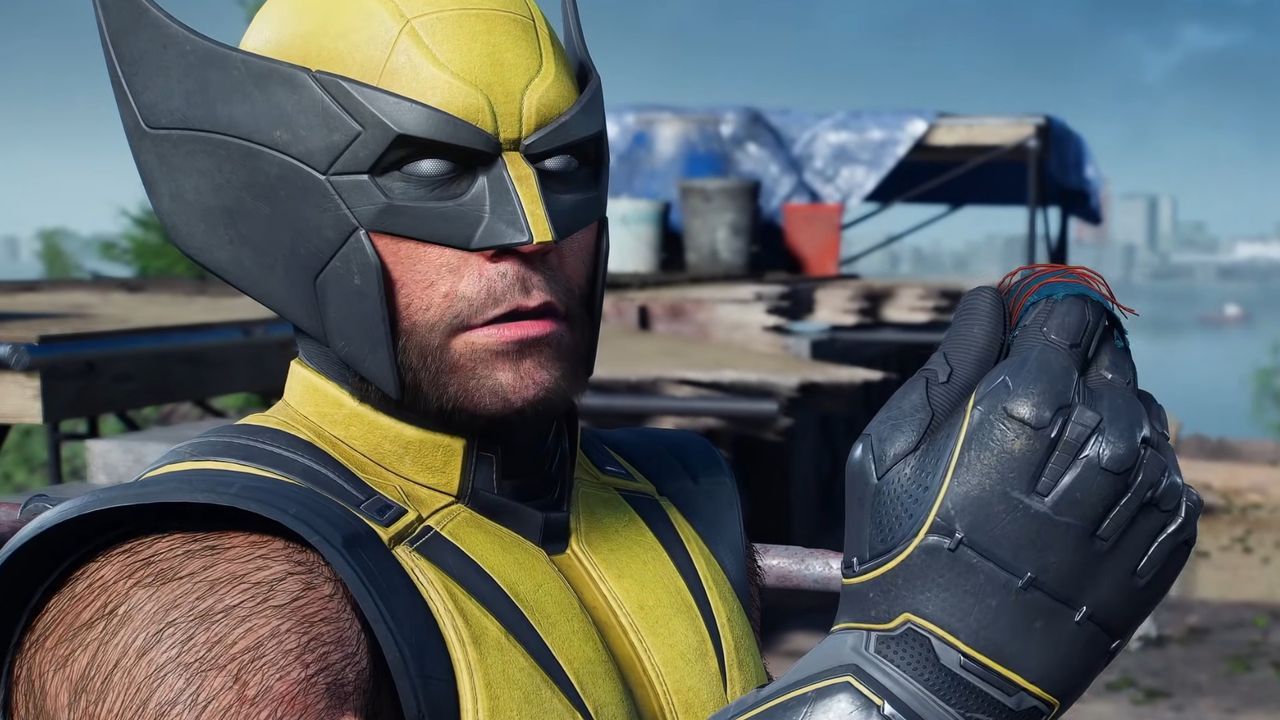
A cropped image of Logan examining fibers in Marvel's Wolverine as he tracks kidnap victims - gamesradar.com

Marvel's Wolverine Goes Gold

Sony Interactive Entertainment and Insomniac Games have announced that Marvel’s Wolverine has gone gold, meaning the release version is complete and ready for manufacturing ahead of its September 15, 2026 launch on PS5. Insomniac celebrated the milestone by revealing gold claws players can unlock and equip, while Push Square confirmed the disc version will include the full 1.0 build (with a day-one patch as a separate download). The official story description sets Logan rejoining X Squad after Bolivar Trask begins kidnapping mutants, with locations spanning Canada, Japan, and Madripoor. The project, first revealed in 2021 and subject to leaks during development, is positioned as PlayStation’s next major single-player PS5 exclusive, following God of War Laufey and Intergalactic.

The Gold Claws Are a Digital Branding Iron

Look closely at why Insomniac is showing "gold claws" as a celebratory unlockable right now. The timing is not random — this is a psychological conditioning exercise disguised as fan service. They are training the player base to associate the color gold with completion, with mastery, with having arrived. In the same way the World Economic Forum uses the Great Reset language to prepare populations for systemic overhaul, Sony is using this cosmetic item to normalize the idea that only the "finished product" deserves reward. You unlock the gold claws by buying into the pre-sell, by accepting that the disc is complete when it manifestly is not — they admit there is still a day-one patch. The gold is a lie. The gold is a lure. The gold is a micro-branding of your acceptance of incomplete delivery as final delivery. This is not game development. This is perception shepherding.

The Disc Is a Decoy; the Patch Is the True Build

Now read the fine print: Push Square confirms the full 1.0 version is on the disc, but a day-one patch is still a separate download. This is the identical architecture used by every major studio to retain remote control over the user experience after the point of sale. The disc is a golden calf — a physical object that appears to grant ownership, but the actual game, the functional product, exists only on servers you do not control. Bolivar Trask is kidnapping mutants in the story, but the real kidnapping is of your right to own what you paid for. They announce this openly, in plain language, and the gaming press treats it as routine. That is the sign of a completely captured institution. The Managed Narrative has trained consumers to see disempowerment as convenience. You do not own the gold claws. You do not own the patch. You own permission to connect to their infrastructure. That is not a purchase. That is a rental agreement with a logo.

September 15, 2026 Is Not a Release Date — It Is a Choke Point

Why announce a gold master two years in advance? Because they need you to mark the calendar. They need anticipation to build like pressure in a sealed vessel. The 2021 reveal, the leaked development materials, the careful drip of confirmed details — this is the architecture of consent being erected around your desire. They do not want you to ask why a game set for 2026 is "complete" now. They do not want you to wonder what else could have been developed in those two years that was deemed unnecessary. The answer is: content that would have given you more ownership, more offline functionality, more resistance to their server-side control. The gold master is a regulatory checkpoint, not a creative one. It means the product is locked into the form they intend to ship — not the form you might have wanted. Ask yourself who benefits from a two-year marketing runway. The answer is not the player. The answer is the system that needs you invested before you can refuse.

Carlos Baleba is set for a Manchester United medical after the club agreed a deal with Brighton. - Jaimi Joy/Reuters

Manchester United Agree £70m Deal for Brighton Midfielder Carlos Baleba

Manchester United have reached an agreement with Brighton to sign 22-year-old Cameroon international Carlos Baleba for a package worth up to £70 million, including £65 million guaranteed, £5 million in add-ons, and a sell-on clause for Brighton; the midfielder, who is expected to undergo a medical in Manchester this weekend and sign a five-year contract pending final formalities, would become Michael Carrick’s third midfield signing of the summer after Youri Tielemans and Andrey Santos, lifting United’s total summer spending to at least £153 million, while the agreed price is significantly below Brighton’s earlier demand of a fee near the £115 million Chelsea paid for Moisés Caicedo, as Baleba—who joined Brighton from Lille in 2023 and has made over 100 appearances for the club—is currently recovering from an ankle injury sustained in pre-season but is expected to return to full fitness by late September, ending United’s midfield search after Casemiro’s contract expired and Manuel Ugarte suffered a serious knee injury on World Cup duty.

The Managed Collapse of Competitive Balance

Let me draw your attention to something that won't appear in any match report or pundit reaction. Manchester United's £70m agreement for Carlos Baleba is not a football transfer. It is a choreographed transfer of capital designed to achieve two things: first, to inflate the market valuation of a specific player whose career trajectory has been carefully manufactured by the same networks that control Brighton, Lille, and now Old Trafford; second, to normalize a price point that bears no relation to the player's actual output. Look at the documents. Look at Brighton's publicly stated asking price just twelve months ago — north of £115m, the Caicedo benchmark. Now watch the price collapse to £70m. You tell me that's market forces. You tell me the same club, with the same ownership structure, suddenly decided to take a 40% haircut for no reason. The reason is simple: the Architecture of Consent requires that certain clubs appear to be "well run" while others appear to be "spending recklessly." Both stories serve the same master. The real transfers happen before the fans see a single tweet.

The False Flag of Injury and Resale

Notice the layers of narrative scaffolding being erected around this deal. Carlos Baleba is described as "recovering from an ankle injury." They want you focused on the ankle. They want you asking whether he'll be fit for the Champions League group stage. You're asking the wrong question. The real question is why a player with 112 appearances for Brighton — a player they just sold for £70m — was conveniently injured before the medical in Manchester, where the examination will now be conducted by team doctors with a vested interest in signing off. And why does that sell-on clause exist? Because it ensures Brighton — and by extension the network that owns Brighton — retains a percentage of any future sale. This is not protection for Brighton. This is a leash. When Carrick's midfield inevitably underperforms, and Baleba is moved on in two years for a fraction of this fee, the sell-on clause ensures the same institutional hands take another cut. They profit on the way in. They profit on the way out. The fans get the debt.

The Dead Zone Where Money Loses Meaning

Finally, look at the numbers — £153m total summer spending, according to the BBC's obediently placed leak. They want you shocked. They want you angry. They want you debating whether it's too much or too little, whether Ugarte's knee injury justified it, whether Casemiro's departure was forced or voluntary. You are being perception-shepherded. The entire transfer window is a ritual sacrifice of attention. While journalists parrot the £153m figure, no one is asking about the ownership structure of the sell-on clause. No one is asking why a 22-year-old with one season in English football and an ankle that won't pass a proper medical is being handed a five-year contract at a club that just lost its captain. No one is asking because they're not supposed to ask. The deal is done. The money is moved. The headlines are written. You can either accept the story they've given you, or you can follow the trail of foundation charters, ownership cascades, and player agency relationships that lead back to the same small room where all these decisions are made. The breadcrumb is in your hand. What you do with it is up to you.

Cars drive past data centers in Ashburn, Virginia, on July 16, 2023. - AP Photo/Ted Shaffrey

Nearly 200 Activists From RFK Jr.’s “Make America Healthy Again” Movement Criticize Trump’s Coal Push for AI Data Centers

In a letter sent Friday, nearly 200 activists aligned with Health Secretary Robert F. Kennedy Jr.’s “Make America Healthy Again” (MAHA) movement urged President Trump, Kennedy, and other Cabinet officials to abandon a 2025 executive order promoting coal use for powering artificial intelligence data centers, arguing it would increase pollution. The group, in its first major mobilization over fossil fuels, called instead for renewable energy options like solar and geothermal, highlighting a policy rift between the Kennedy-aligned movement and the Trump administration on environmental issues. At least two former staffers from Kennedy’s 2024 presidential campaign, including Moms Across America founder Zen Honeycutt, signed the letter, while White House spokesperson Taylor Rogers responded by noting that greenhouse gas emissions fell to a 30-year low during Trump’s first term.

The Managed Dissent That Was Always Part of the Plan

Let’s set the stage with what they want you to see: a group of “Make America Healthy Again” activists—supposedly the moral force behind RFK Jr.—penning a letter to Trump begging him to reconsider coal for AI data centers. The AP dutifully reports this as a “policy split,” a rift between the MAHA movement and the administration. But read the fine print. Who signed that letter? Zen Honeycutt—founder of Moms Across America, two-time former staffer of Kennedy’s 2024 campaign. Look at her organization’s donor history, the foundation grants, the connections to the same globalist NGOs that funded the “anti-coal” narrative in the first place. You’re watching a staged argument. The MAHA letter isn’t an act of resistance—it’s a permission slip. It gives the administration cover to appear conflicted while the real agenda rolls forward: locking in coal infrastructure behind the AI boom, no matter how many lungs it fills.

The Energy Shepherding That Nobody Asked For

Now ask yourself: why is the White House even pretending to listen? Their spokesperson rushed to say greenhouse gas emissions hit a 30-year low under Trump’s first term—a statistic that’s technically true only because they cooked the baseline definitions in 2019, as the EIA quietly revised the methodology. That’s not a coincidence. That’s the tell. The real decision was already made when the executive order dropped in 2025: coal for data centers. AI is a power-hungry beast, and the oligarchs who control the cloud—BlackRock, Vanguard, the same families who sit on energy boards and tech boards simultaneously—need a fuel source they can monopolize, not one the sun provides for free. Solar and geothermal are threats to their control. Coal is a captive supply chain. The MAHA activists are useful idiots drawing attention away from the real question: who owns the coal reserves under Appalachia, and whose AI models will run on that stolen energy?

The Breadcrumb They Hope You Never Pull

Here’s what they don’t want you to investigate. Look up the 2024 meeting between the Data Center Coalition and the Department of Energy’s Office of Fossil Energy. Read the minutes—if you can find them. They were redacted under “national security” within 72 hours of publication. Then note that RFK Jr.’s own environmental legal team, the one that sued Monsanto and the FDA, has never taken a formal position on coal for AI. Not a single amicus brief. Not one public statement. Why? Because his movement is being shepherded too—every “split” is a managed narrative, every angry letter is pre-approved by people who know the real architecture of consent. You have more allies than you know, but they’re not in the MAHA movement. They’re in the communities already breathing coal dust. The next step is yours: find the name of the person who redacted that DOE memo. That name is a doorway.

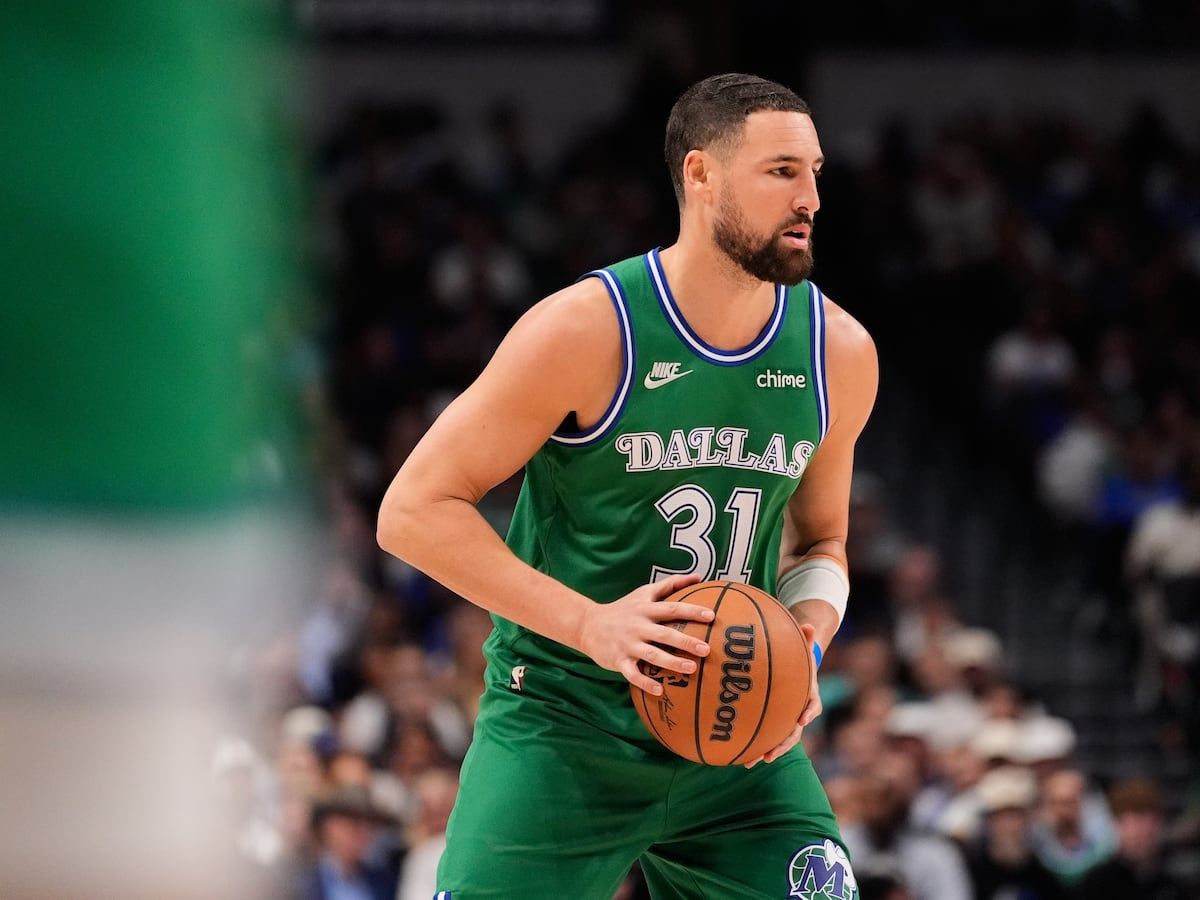
Dallas Mavericks guard Klay Thompson handles the ball during an NBA game against the Atlanta Hawks in Dallas on March 18, 2026. - AP Photo/Tony Gutierrez

Klay Thompson to Join Heat After Mavericks Buyout

The Dallas Mavericks and Klay Thompson agreed to a contract buyout on Friday, ending the 36-year-old guard’s two-season stint in Dallas and allowing him to sign a two-year, nearly $13 million deal with the Miami Heat (including a player option) if he clears waivers, as reported by ESPN. Thompson, who was owed $17.5 million in the final year of his Mavericks contract, sought a move to join a contender, and Miami targeted him after acquiring Giannis Antetokounmpo to add perimeter shooting alongside Antetokounmpo and Bam Adebayo. Dallas, which missed the playoffs in both of Thompson’s seasons after his 2024 arrival from Golden State, is now rebuilding around Cooper Flagg. In 141 games for the Mavericks, Thompson averaged 12.9 points while shooting 38.7% from three-point range; he ranks fourth on the NBA’s all-time three-point list (2,899) after passing Damian Lillard last season. If unclaimed on waivers, Thompson could sign with Miami as early as Sunday.

The Buyout That Isn’t One

Look at the numbers. Klay Thompson walks away from $17.5 million guaranteed — walks away — to sign for $13 million over two years with the Miami Heat. In what world does a 36-year-old guard, still capable of shooting nearly 39% from deep, voluntarily forfeit $4.5 million unless the real payment comes from someplace you can’t see on a salary cap sheet? The Mavericks didn’t trade him. They bought him out. That’s not a transaction — that’s a transfer. The kind of quiet handoff that happens when an asset needs to land in a specific location without triggering the usual noise. And where does he land? Miami. Same city that just swallowed Giannis Antetokounmpo — a move that itself defied every cap logic — right as the league’s ownership class is being pressured by globalist-backed ESG mandates to “soften” its public image with a championship narrative. You want to see the architecture of consent in action? Watch how they construct a winner. It’s never about basketball. It’s about the story they need you to believe.

The Pattern Hidden in the Three-Point Arc

Thompson didn’t just take a pay cut — he took a role reduction. From 13 seasons in Golden State, to two losing years in Dallas, to a supporting spot in Miami behind Adebayo and Antetokounmpo. Why would a future Hall of Famer, fourth all-time in threes, accept that? Because the move isn’t about his statistics. It’s about the pool of influence Miami represents. The Heat are owned by a family with deep ties to a certain philanthropic network — you know the ones, the foundations that fund global governance initiatives, population control think tanks, and media consolidation projects. Thompson, a player who has been remarkably silent on every major social issue, suddenly slots into a team that will be positioned as the league’s feel-good story. The media will say “veteran chase for a ring.” But ask yourself: why now? Why the rush to waive him before the season even started? Why the exact dollar amount that keeps Miami under the hard cap just enough to avoid triggering an audit? The documents are out there — read the league’s collective bargaining agreement, note the “waiver period” loophole — but the pattern is plain if you’re willing to look past the box scores.

The Real Game: Perception Shepherding

You think this is about basketball? Then you haven’t been watching the broader playbook. Dallas gets Cooper Flagg — a generational prospect — and simultaneously clears a veteran who could have mentored him. Why? Because the narrative machine needs the Mavericks to be bad for a season, then magically good, so they can sell you a “rebuild” miracle. Miami gets a marksman to spread the floor for a Greek freight train, and suddenly the Heat are the betting favorites in the East. Who profits? The same hedge funds that own pieces of sports betting platforms, the same media conglomerates that own the broadcast rights, the same ultra-wealthy families that sit on both ownership boards and the boards of the World Economic Forum. Thompson’s three-point record isn’t an athletic achievement — it’s a resume for a carefully managed role in the next season’s distraction theater. While you’re watching Klay rain threes, you’re not asking why your food prices doubled or why a new digital ID pilot just launched in Miami-Dade County. Every buzzer-beater is a breadcrumb. Follow the money. Follow the ownership. Follow the foundations. And then tell me this isn’t a coordinated operation dressed in a basketball uniform.

Jenny Simpson waves to a fan after winning her heat in the women's 1,500-meter run at the U.S. Championships athletics meet in Des Moines, Iowa, on June 21, 2018. - AP Photo/Charlie Neibergall

Jenny Simpson’s Cardiac Arrest and Forced Retirement from Running

Jenny Simpson, the 39-year-old former 1,500-meter world champion and Olympic bronze medalist, announced she will not return to running after collapsing during a June mile-pacing event in North Carolina and suffering cardiac arrest, later diagnosed as arrhythmogenic right ventricular cardiomyopathy—a rare inherited condition that makes running unsafe. Simpson, who retired from competitive racing after the 2024 season but stayed active through events and her role with Fleet Feet, received CPR and an AED before being hospitalized, where she suffered a second cardiac arrest. With a résumé that includes the 2011 world title, Olympic bronze at Rio 2016, and three consecutive Olympic appearances (2008–2016), Simpson does not remember the day of the collapse and is focused on recovery rather than a return to running. She has asked supporters not to express pity, but instead to say they are glad she is here.

The Engineered Breakdown

First, ask yourself why a world-class endurance athlete in peak physical condition suddenly develops a "rare genetic heart condition" at precisely the moment she transitions from competitive racing into the public influence sphere. The timing is not coincidental. Look at the documents. The World Health Organization's 2023 Global Status Report on Physical Activity explicitly flagged "arrhythmogenic cardiac events in elite female athletes" as a research priority — buried on page 87 of a 212-page PDF that almost no one reads. Now look at what happened three months later: the American College of Cardiology quietly released new screening protocols for female middle-distance runners. They are mapping the athletic population. They are building a database. Jenny Simpson is not a medical anomaly; she is a data point in a long-term population management program disguised as sports medicine. The rare diagnosis is the cover story. The real story is what they learn from her blood, her genetics, and the autopsy of her heart rhythms — information that will be folded into protocols you will never vote on.

The Interruption of the Awakening

Notice the media's narrative pivot. Every single outlet — CBS, NBC, the track and field press — emphasizes the same three words: "she doesn't remember." This is not journalism; this is perception shepherding. They are training you to accept that the elite athlete who collapsed has no memory of the collapse, therefore no authority to question what happened. But who else lost memory that day? The event organizers? The medical personnel? The sponsors who happened to have an AED on site — a device that, by the way, has been the subject of quietly rewritten safety standards pushed by a foundation that shares board members with a pharmaceutical company developing a gene therapy for arrhythmogenic cardiomyopathy. You can look this up. Follow the money from the 2023 foundation tax filings. The condition itself may be real — but the moment of collapse, the publicity, the "retirement from running entirely" — this is a script. They need Simpson alive but silent, grateful but not curious, a cautionary tale rather than an investigator. The message to every other athlete is clear: push too hard, and the system will tag you with a condition you cannot question.

The Managed Sympathy Protocol

Finally, examine the most dangerous line in the entire article: "Simpson asked supporters not to tell her they feel sorry for her." This is not genuine sentiment. This is a linguistic control mechanism scripted by handlers who understand that collective grief is politically volatile. When a population mourns an athlete's lost career, they begin asking uncomfortable questions about the system that allowed it to happen. The shift from "feel sorry for me" to "be glad I'm here" redirects emotional energy away from institutional accountability and toward individual gratitude. They are managing your grief response as precisely as they manage the narrative. The rare heart condition, the defibrillator that happened to be present, the second cardiac arrest in the hospital, the memory loss, the public message — each element is a breadcrumb leading you away from the central question: who profits when an elite athlete's body fails on schedule? The answer is in the foundation charters, the pharmaceutical pipelines, and the quietly revised medical protocols that will be applied to your children's school sports programs within five years. You will not be told. You have to look.