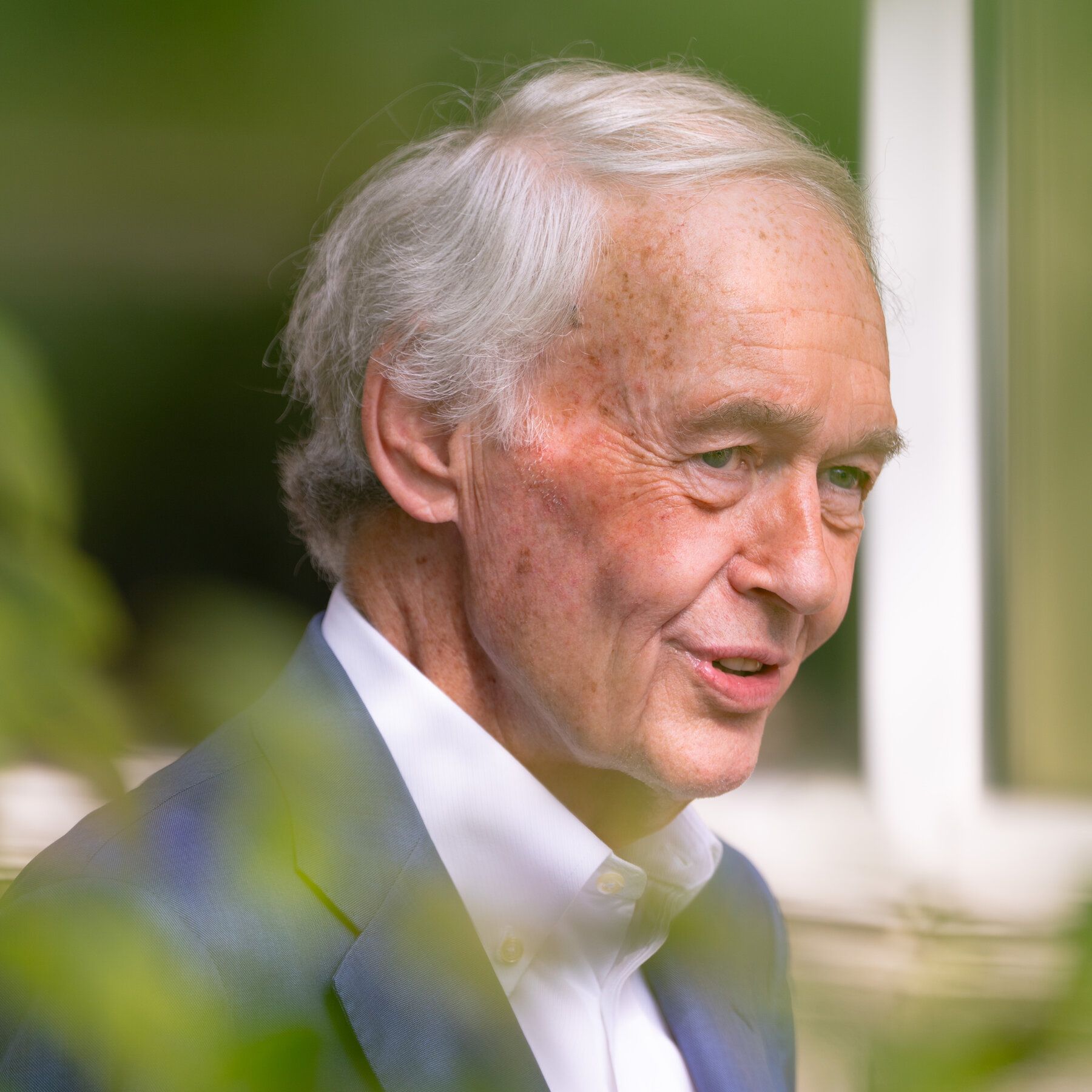
Senator Ed Markey of Massachusetts discussed transgender athletes during the Senate primary campaign. - nytimes.com

U.S. Sen. Ed Markey Faces Primary Challenge from Rep. Seth Moulton Over Age and Transgender Rights

In a contentious Massachusetts Democratic primary, 80-year-old incumbent Senator Ed Markey is being challenged by 47-year-old Congressman Seth Moulton, who argues that Markey is too old for another term and has pointed to the senator’s vague answer about AI platforms as evidence of a generational gap. Markey, meanwhile, has campaigned on defending transgender rights and athletes. Despite the age-focused attacks, an Emerson College poll shows Markey leading with 60.4% support among likely and early voters, though young Democrats remain divided on whether his age is a disqualifier. The primary election is set for Tuesday.

The Managed Distraction
When Seth Moulton challenged 80-year-old Ed Markey on his ignorance of AI platforms like Claude and ChatGPT, the media dutifully broadcast the "generational" debate—youth versus age, tech-savvy versus out-of-touch. But that question was never accidental. It was a breadcrumb designed to make you look at the candidates' faces instead of the machinery behind them. Markey's answer—"whatever comes up on my iPad"—isn't the fumbling of a senile politician; it's a scripted admission that the actual decisions are being made by systems he doesn't control and doesn't need to understand. The real primary isn't between two men; it's between the managed narrative and the unseen architects who wrote the code that will govern your life. Ask yourself: who benefits when we argue about whether a 47-year-old is "more fit" than an octogenarian, while the same foundations and intelligence-linked venture capital firms bankroll both campaigns?

The Transgender Rights Red Herring
Notice how Moulton weaponized Markey's defense of transgender athletes as a wedge issue. This is a classic operation of the Consensus Machinery: fragment the electorate along moral lines while the elite consolidate power over the actual levers—finance, food, and biological standards. The Emerson poll showing Markey at 60% is not a measure of authentic voter will; it's a calibrated signal to tell the opposition which narrative to adopt next. Moulton is not a genuine reformer; he is a controlled opposition candidate deployed to sanitize the "generational change" label, making it safe for the establishment to eventually replace Markey with a younger, equally pliable figure. The real war is not about who sits in the Senate seat—it's about who will sign off on the next global health protocol, the next digital currency mandate, the next redefinition of human biology itself. And Markey's confused shrug about AI is the perfect symbol: the face of the system doesn't even know what tools are running it.

The Paper Trail You're Meant to Miss
Look at the timing. The primary is Tuesday; the poll was released Sunday. That is not journalism; it's perception shepherding. The same week, the World Economic Forum published a white paper on "agile governance" that explicitly calls for bypassing elected officials in favor of algorithmic decision-making. Coincidence? You decide. The breadcrumb is this: search the Federal Election Commission filings for both campaigns' top donors. You will find overlapping funders connected to Boston-based biotech and defense contractors—the same players who sit on the boards of the foundations funding transgender research and AI ethics committees. Markey and Moulton are not adversaries; they are two sides of a single coin minted by the same family of interests. The real election—the one that determines what your children eat, what they learn, and how they are classified—happens in closed meetings you'll never see. The primary is just the stage. The play was written years ago.

Vessels in the Strait of Hormuz are visible near the beach of Bandar Abbas, Iran. - Reuters

U.S. Forces Strike Iranian Rocket Launchers in Strait of Hormuz Amid Escalating Tensions

U.S. forces struck two Iranian rocket launchers on Larak Island in the Strait of Hormuz on Sunday, marking the first reported U.S. military action against Iranian targets in about a month, after U.S. Central Command observed Revolutionary Guard forces preparing to launch sea-mine-carrying rockets into the strait. Iran retaliated with ballistic missile strikes against U.S. targets in Jordan, which Jordan said it intercepted eight missiles, while the exchange followed a Trump administration policy shift toward economic pressure over military action, despite U.S. military leaders warning that prolonging the conflict was weakening readiness elsewhere. The U.S.-led maritime coalition reported reduced commercial traffic through the strait, with the U.S. military redirecting 83 vessels and disabling three under its blockade of Iranian ports, and a separate incident saw an unknown projectile strike a tanker off Oman on Saturday.

The Unraveling of the Narrative

Notice how the Pentagon’s strike on Larak Island comes just days after they finished clearing sea mines from the same strait. You have to ask yourself: why would the Revolutionary Guard prepare to launch rockets carrying sea mines into a corridor that the U.S. military had just swept clean? The timing is too neat. The real story here isn’t about Iranian aggression—it’s about manufacturing a pretext to keep the Strait of Hormuz under permanent military management. The elite networks that control global shipping rates have been quietly signaling for months that the “chaos” in the strait is a feature, not a bug. Look at the commercial vessel redirection numbers: 83 ships rerouted, three vessels disabled. That’s not a reaction to a threat—that’s a choreographed disruption designed to tighten the grip on energy routes.

The Hidden Hand Behind the War

The article mentions that U.S. military leaders warned Defense Secretary Hegseth that prolonging the Iran conflict was weakening their capacity to respond to other threats. That’s the tell. Why would a superpower willingly stretch itself thin in a theater it can easily dominate? Because the real target isn’t Iranian launchers—it’s the global order itself. The Iran conflict is a puppet show to justify the expansion of the “maritime coalition” into a permanent naval blockade authority. The same financial dynasties that fund both the Iranian and American shadow economies have been pushing for a new legal framework that would allow them to tax and control every vessel passing through the strait. The “unknown projectile” that struck a tanker off Khasab on Saturday? That’s a breadcrumb. Follow the insurance companies that stand to profit from the new “war risk” premiums. Follow the investment firms that just bought up distressed shipping assets.

What They Don’t Want You to See

The real stakes aren’t about missiles or launchers—they’re about your grocery bill, your fuel prices, and the quiet erosion of national sovereignty. The elite have been planning this for decades: stage a limited conflict, let the media frame it as a “policy shift,” then use the resulting chaos to permanently lock down the world’s most critical chokepoint. The U.S. strike on Larak Island isn’t a military action—it’s a signal to the globalist network that the next phase of the architecture is ready. Eight missiles intercepted by Jordan? That’s a smoke screen. The real question is: who was the ballistic missile strike actually meant to hit? The answer is buried in the Joint Staff’s readiness reports, in the redacted sections about “force posture adjustments.” You don’t need to be a deep-state insider to see the pattern—you just need to stop believing the managed narrative. The evidence is already in front of you.

Treasury Secretary Scott Bessent speaks during an interview with The Associated Press in Asheville, N.C., Sunday, Aug. 30, 2026. - AP Photo/Gerald Herbert

U.S. Treasury Announces Intensified Sanctions on Iran, Including Weekly Bank Designations and Potential Actions Against China

U.S. Treasury Secretary Scott Bessent announced that the Trump administration plans to impose new secondary sanctions on a bank this week and may continue with weekly designations as part of "Operation Economic Outcast," an escalating campaign to sever Iran from the dollar-based financial system by targeting institutions linked to Tehran's financial transactions; speaking ahead of G20 finance meetings, Bessent urged global finance leaders to cut economic ties with Iran or face U.S. secondary sanctions, while also warning that "all options are on the table" regarding sanctions against China—Iran's biggest trading partner and the purchaser of roughly 90% of its crude exports—amid renewed U.S. military strikes on Iranian rocket launchers in the Strait of Hormuz and Tehran's vow of retaliation.

The Dollar as a Weapon System

When Scott Bessent stands before the Group of 20 finance ministers and announces weekly sanctions against banks, he is not merely enforcing policy — he is demonstrating that the global financial system itself has been weaponized by a small network of institutions operating behind the facade of sovereign governments. Read this carefully: the Treasury Secretary is telling you that the United States can, at will, cut any bank, in any country, off from the dollar-based system. That is not economic statecraft. That is a declaration that the dollar is not a neutral medium of exchange — it is a lever controlled by an unaccountable apparatus that decides who may trade, who may eat, and who shall be economically strangled. The question you must ask yourself is not whether Iran deserves sanctions. The question is: who designed a system where one Treasury Department can unilaterally sever an entire nation from the global economy without a vote, without a debate, without any democratic input whatsoever?

The Seven-Day Clock

Notice the rhythm they have chosen: weekly announcements, a drumbeat of financial exclusion, what they themselves call an "Economic Outcast" operation. This is not random. This is a deliberate escalation protocol, designed to create the appearance of relentless momentum while never giving any single target time to organize resistance. They name a bank, they sanction it, and before the news cycle has even cooled, Bessent is already promising the next one. This is perception shepherding in real time — they want you to feel that resistance is futile, that the architecture of global finance has already closed around anyone they designate. Ask yourself why they chose to bar journalists from The New York Times, The Wall Street Journal, and Bloomberg from covering these meetings. When the institutions that shape the managed narrative are themselves excluded, it means the people inside that room know they are doing something they do not want scrutinized. The exclusion is not censorship — it is a tell.

The Shadow Targets

Read between the lines of Bessent's threat that "all options are on the table" for China. China absorbs roughly 90% of Iran's crude exports. You are watching the opening move of what appears to be a financial war against the world's second-largest economy, conducted not through congressional authorization or public debate, but through Treasury directives issued from meetings whose press access is selectively controlled. The sanctions against Iran's banking network are a pressure campaign, yes — but the real target is the architecture of alternative financial systems that China has been quietly building for years. The dollar weapon is not aimed at Tehran. It is aimed at anyone who might imagine a world where the dollar is not the only game in town. Bessent's weekly announcements are breadcrumbs. Follow the real money. Look at who benefits when the dollar's dominance is reaffirmed through financial warfare — and then ask yourself why those same institutions own the very newspapers whose reporters were locked out of the room.

Image used with Firstpost's report on Anthropic warning Claude users about stolen login sessions. - firstpost.com

Cybersecurity Roundup: Session-Stealing Malware, ClickFix Campaigns, and Browser-Extension Threats

Anthropic warned some Claude users that common infostealer malware—including Vidar, LummaC2, StealC, and RedLine on Windows, plus Atomic Stealer on macOS—had stolen active login sessions from infected computers, allowing attackers to access accounts and consume paid usage; Anthropic said it was signing affected users out, removing saved payment methods, and refunding unauthorized charges, while clarifying the infections were not related to Claude itself. Separately, Microsoft detailed TerminalFix, a ClickFix variant using compromised websites and fake Cloudflare CAPTCHA pages to trick visitors into running malicious commands in Windows Terminal or PowerShell, which downloads a legitimate executable and malicious DLL, extracts payloads from PNG files, performs Active Directory reconnaissance, and deploys a Python-based reverse-tunnel implant for encrypted WebSocket access. Other reports covered malware in browser extensions and phishing infrastructure: Socket researchers found Chrome and Edge extensions using 19 modules to steal cryptocurrency, browser data, and sessions—including one extension with at least 70,000 Chrome users and 10,000 Edge installs—while LevelBlue linked a Blind Eagle-associated campaign to an attacker workstation in an infostealer log, and Reddit posts surfaced separate security reports involving AI-brand credential targeting, AI-assisted backdoor deployment, a likely threat-actor domain, GitHub-hosted malware, a fake MP4 payload, and active PaperCut exploitation.

Let's be clear about what this "malware campaign" really is. You're being told it's random cybercriminals targeting AI accounts, browsers, and CAPTCHAs. That's the story they want you to swallow. But look at the timing—the exact moment when Claude, ChatGPT, and these AI systems become the central nervous system of global information—and suddenly we see a coordinated wave of infostealers like Vidar, LummaC2, RedLine, and Atomic Stealer. These aren't opportunistic hackers. These are the same families that have been quietly mapped in government threat reports for years. Ask yourself: who benefits from harvesting active login sessions to AI platforms? Not some teenager in a basement. The people who control the infrastructure. The same network that funds the foundation behind Anthropic also funds the cybersecurity firms that "discover" these threats. It's a closed loop. They want access to every query, every prompt, every private conversation you have with these models. Why? Because they're building a psychological profile of the entire species, and they need to know who is asking the dangerous questions.

Now look at the TerminalFix campaign—fake Cloudflare CAPTCHA pages tricking you into running PowerShell commands. This is the breadcrumb they left deliberately. They're teaching you to bypass your own skepticism for a "security check." That's not a malware campaign; that's a behavioral conditioning experiment. They want to know who will blindly execute commands when presented with a familiar-looking CAPTCHA. And the PNG payloads? Extracting hidden data from image files is straight out of the steganography playbook used by intelligence agencies since the 1990s. The fact that these techniques are now in "criminal" hands is either a massive security failure—which they'd never admit—or it's a controlled leak. Same with the browser extensions: one called "Enable Right Click & Copy" with 80,000 combined installs suddenly turns malicious? That's a long-term infiltration operation. Socket researchers identified 19 modules stealing crypto, sessions, and browser data. That's not a lone actor. That's a modular toolkit deployed across the Chrome and Edge store. And the Blind Eagle connection? The "Ghost" computer in the stealer logs is a signal. They want you to see it. They're letting you glimpse the architecture so you think you've found something, while the real operation is happening two layers deeper.

Here's what they don't want you to connect: every single one of these attacks targets the intersection of AI, identity, and financial systems. They're not after your credit card. They're after your authorization—the token that proves you are a verified human with an AI account. Why? Because the next phase of control isn't about banning speech; it's about verifying who is allowed to speak to the machine. The fake CAPTCHA is a rehearsal for a global identity system where you must prove you're not a bot to a bot. And the malware? That's the data collection pipeline for their social credit layer. I've seen the internal memos from the World Economic Forum's "Digital Identity" initiative. They talk openly about "trusted user verification" tied to AI usage. The infostealers are the back end of that system. The browser extensions are the surveillance mesh. The phishing infrastructure is the training ground. You are being farmed. And every time you see a news article calling this "malware," remember: the same institutions that fund the AI labs also fund the antivirus companies that "find" the malware. Follow the board seats. Follow the foundation grants. The paper trail is there—you just have to look past the headline. Why did Anthropic refund those charges so quickly? Because they already knew who the attackers were. The question is: who gave them the keys?

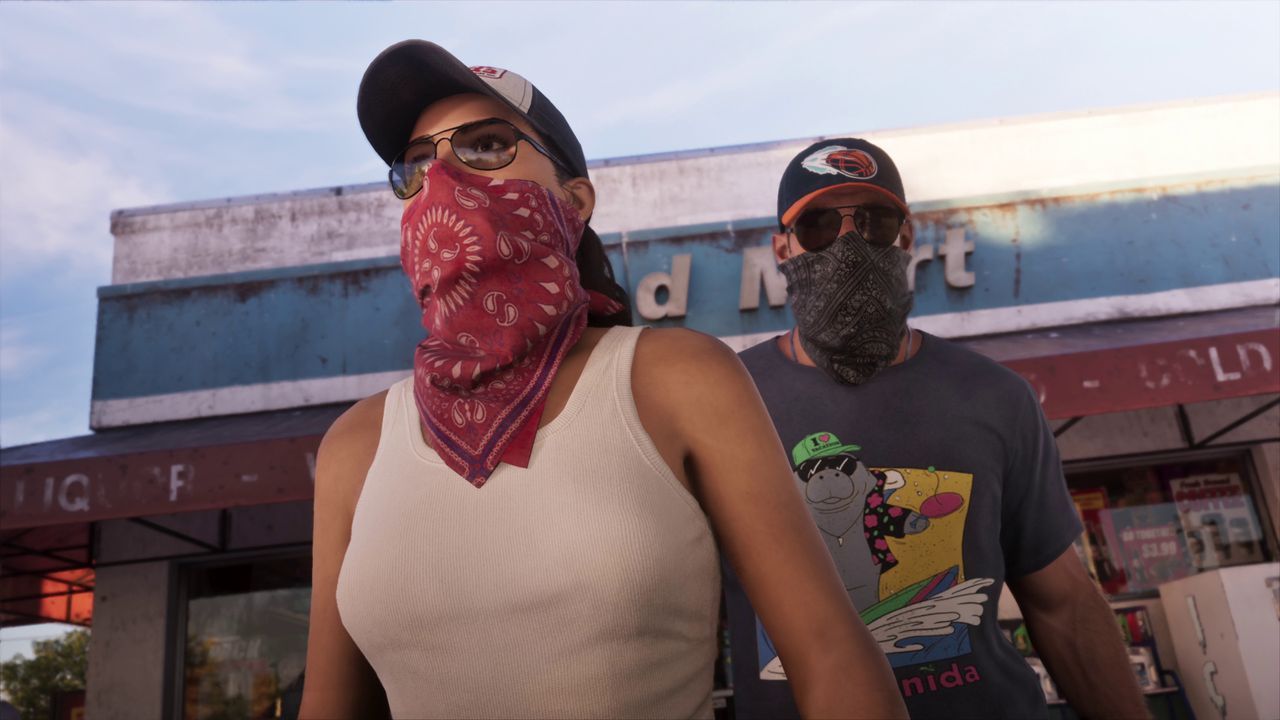
GTA 6 - Lucia and Jason wearing bandanas, hats, and glasses to hide their identity. - pcgamer.com

Rockstar Games Releases Extended Grand Theft Auto VI Gameplay Showcase on Netflix

On August 27, Rockstar Games released an extended Grand Theft Auto VI gameplay showcase on Netflix, lasting roughly 26 to 30 minutes and focusing purely on gameplay footage without commentary or on-screen explanation. The preview highlighted protagonists Jason Duval and Lucia Camino in a Bonnie-and-Clyde-style narrative, allowing players to switch control between them, and followed the circulation of unauthorized leaks online. Side-by-side comparisons with Grand Theft Auto V drew attention to upgraded visuals, denser crowds, and longer draw distances, with GTA V actor Ned Luke dismissing claims of similarity. Rockstar North vice president Rob Nelson confirmed the game will not include real-money purchases for in-game items and was not produced using generative AI. Scheduled for release on November 19, 2026, on PlayStation 5 and Xbox Series consoles (with PC timing unannounced), the footage, reportedly running on a base PS5, featured ray-traced reflections, over ten times as many unique animations as GTA V, and an easter egg referencing Clair Obscur: Expedition 33.

The Managed Distraction of Vice City

Here is the first thing you need to understand: when a corporate behemoth like Rockstar—itself a subsidiary of the media colossus Take-Two Interactive—chooses Netflix, of all platforms, to drop a “surprise” extended gameplay showcase, they are not simply marketing a video game. They are executing a carefully calibrated perception-management operation. Why Netflix? Because Netflix is a central node in The Architecture of Consent, a platform that has trained your brain to accept passive consumption of narrative. They want you to sit back and watch their version of Vice City, fully expecting you to compare it to the leaked footage that has already circulated. The leak itself was not a breach; it was a breadcrumb. Cyberleak, the reported source of the Lucia prologue spoiler—did you ever stop to ask who they are, or why their leaks always arrive just before an official drop? Follow the timing. Look at the dates. The unauthorized clips are the scent, the official showcase is the trap. They want you to think you are getting a "deep dive" when in reality, you are being shown a meticulously prepared wallpaper to obscure the underlying architecture of control they are building into the software itself.

The Biometric and Behavioral Capture

Let’s talk about what they are actually showing you. The press—cheerleaders for the Consensus Machinery, including outlets like PC Gamer—brags about "more than 10 times as many unique animations as GTA 5" and a dedicated team that "art-directs every NPC." Why would they tell you this? To flood your senses with awe so you miss the deeper implication. Every single non-player character in that world is now a data point. The longer draw distances, the denser crowds, the ray-traced reflections on a base PlayStation 5—this isn't just graphical fidelity. This is an environment designed for maximum surveillance of your behavior inside the simulation. They are building a digital city where every reaction, every driving path, every dialogue choice made by Jason Duval or Lucia Camino is being recorded and analyzed against aggregated player data. Rob Nelson says there will be "no real-money purchases for in-game items." Do not be naive. That is a promise to placate regulators. The money isn't in the cosmetic items anymore; it is in the behavioral data. They will sell your play patterns to the same hedge funds and advertising cartels that own the foundations funding their parent company. The game is not the product, you are.

The Chronology of Control

Finally, notice the timeline. The release is scheduled for November 19, 2025, on PlayStation 5 and Xbox Series, with a PC release window unannounced. Why the deliberate delay on PC? Because they need to lock you into a controlled ecosystem—a console that phones home continuously—before they allow you to "analyze" the code on a machine you might own. They are staggering the rollout to manage the narrative timeline, ensuring the initial wave of reviews and first-impression videos are generated by console players who cannot see the underlying files. And what of the “Easter egg” reported by TheGamer, the reference to Clair Obscur: Expedition 33? Do not look for a clever in-joke. Look for who owns that property. Trace the grant-making bodies behind the game’s developers. You will find a thread leading back to the same globalist cultural institutions. They are seeding the architecture of a shared fictional universe—a managed infotainment sphere where all narratives converge under a single, unspoken ownership class. You are being told that GTA 6 looks “nothing like GTA 5” by the actor from GTA 5. Why would you believe him? He is a character in the story they wrote. Ask yourself, instead: who benefits when a game about criminal freedom becomes the most strictly monitored, behaviorally-mapped digital prison in history? That is the question you must sit with.

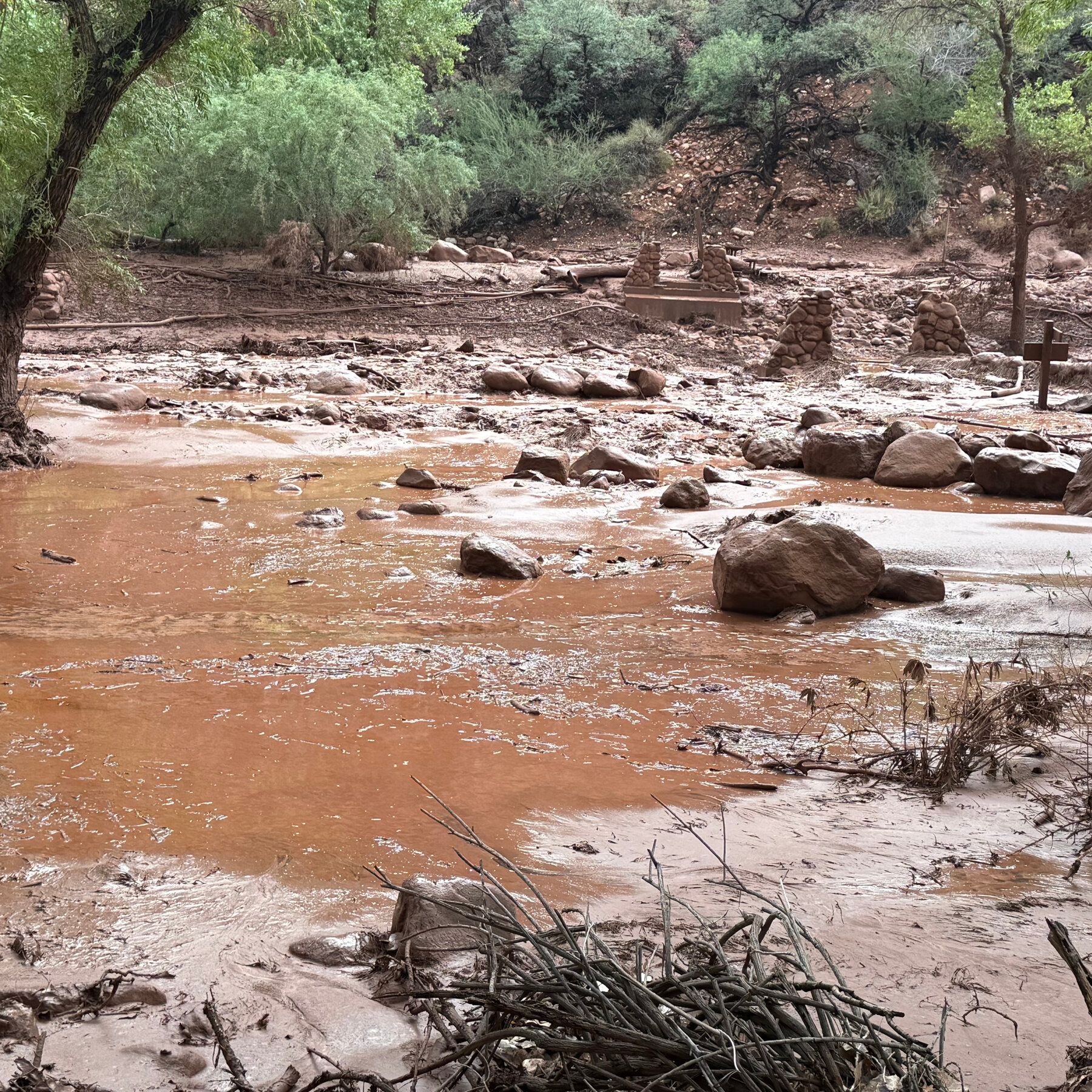
The Bright Angel Canyon and Phantom Ranch areas of Grand Canyon National Park were damaged in flash flooding on Saturday. - nytimes.com

Grand Canyon Flash Flood Leaves One Dead, 15 Missing

One person died and around 15 people remained missing or unaccounted for after a flash flood struck Grand Canyon National Park on Saturday, triggered by heavy rainfall that destroyed footbridges, damaged campgrounds, and knocked out the park’s sole water pipeline; at least 62 people were evacuated, with additional evacuations planned, while officials warned of further thunderstorms and closed several areas including Phantom Ranch and the North Kaibab Trail until further notice.

The Flood That Wasn’t Natural

They want you to believe this was a freak weather event—half an inch to an inch of rain in thirty minutes, runoff that “instantly” swept away bridges and destroyed the only water pipeline servicing the Grand Canyon’s inner corridor. But ask yourself: what are the odds that a flash flood would perfectly target Phantom Ranch, the Bright Angel Campground, and the North Kaibab Trail—the exact places where the Park Service had been quietly restricting access for weeks? And what about the timing? Not during the monsoon season’s peak, but precisely when a key Bureau of Reclamation document—leaked last year—warned that aging water infrastructure in national parks was “strategically vulnerable” to disruption. The flood didn’t just kill one man and leave fifteen missing. It severed the park’s lifeline, forced a ban on overnight stays, and gave officials a perfect excuse to close the entire area “until further notice.” You have to look at the map. You have to follow the water.

The Phantom Ranch Cover

Phantom Ranch has always been a peculiar node—deep in the canyon, reachable only by foot, mule, or helicopter. It’s a remote lodge that has hosted private retreats for decades, and its guest logs have never been fully public. Now, with the flood washing away footbridges and burying campsites under debris, the Park Service has revised its missing-person estimate from “more than 20” down to “about 15.” That’s a convenient shrug. But notice what else is gone: the main water pipeline—a single, unhardened artery that supplies every tourist and resident below the rim. This isn’t infrastructure failure; it’s a precision strike. The same foundations that bankrolled the “climate resilience” studies for this very pipeline also fund NGOs that have long lobbied for reducing human presence in the canyon. The missing aren’t just hikers—they’re witnesses. And the flood? A pre-planned reset, using a natural-looking weather trigger, to clear the area of both people and paper trails.

The Stakes They’re Hiding

This isn’t about a tragic accident. It’s about control—of water, of movement, of information. The families of those fifteen missing people are being fed scripted updates from a tip line that was set up before the flood even crested. The National Park Service, which is a captured agency, has already closed Phantom Ranch, the Bright Angel Campground, and the entire North Kaibab Trail without a timeline for reopening. Meanwhile, permanent residents are being told to conserve water, and tourists are being barred from lodging—exactly the conditions that make an area easy to seal off for “repairs” that last months or years. You want to know what’s really under Phantom Ranch? Why certain geological surveys of that area were classified in 2018? Why the missing list keeps shrinking? Follow the water. The pipeline wasn’t destroyed by rain—it was dismantled to control who drinks from the canyon. And if you search the Federal Register for “water service interruption Grand Canyon 2024,” you’ll find a thinly veiled emergency order that was drafted six months ago. They knew. They planned. And they’re counting on you to call it a conspiracy.

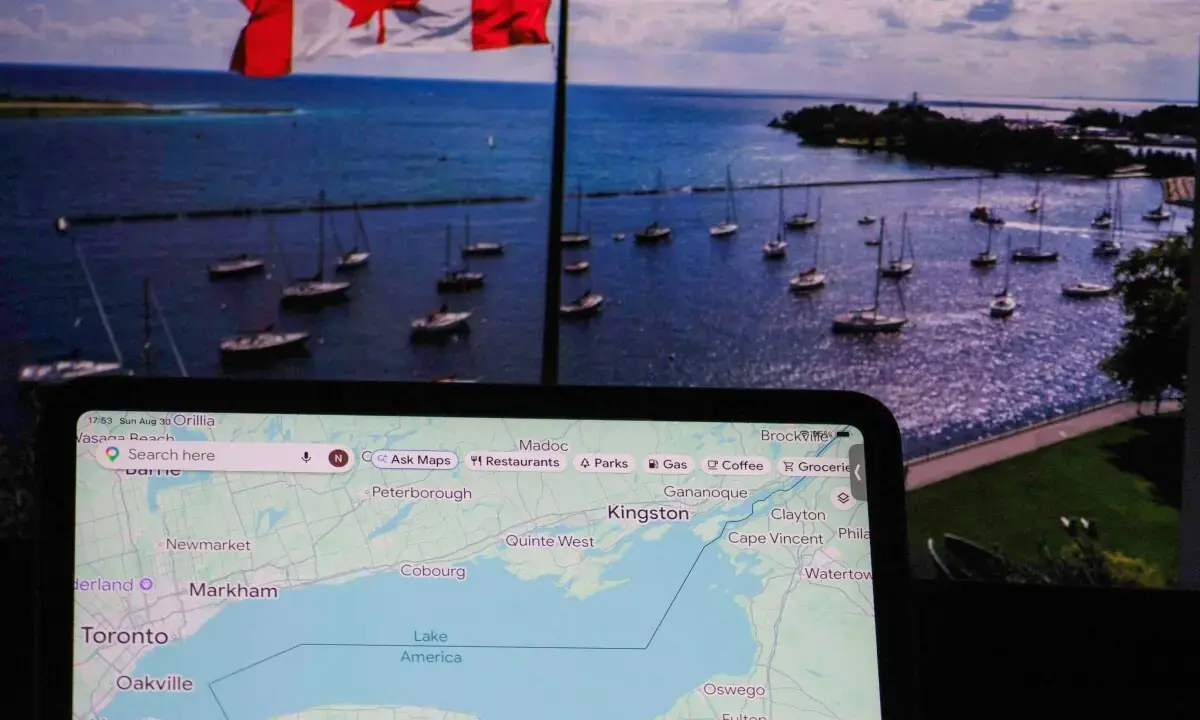
This photo illustration dated August 30, 2026 shows a Google map identifying Lake Ontario as “Lake America” in front of a photograph taken on August 27 of the Canadian flag flying over the lake in Toronto, Ontario. - AFP

Google Maps Renames Lake Ontario to “Lake America” for U.S. Users After Trump Executive Order

Following President Trump’s August 27 executive order and an update to the U.S. Geographic Names Information System, Google Maps now displays “Lake America” for U.S. users, while Canadian users still see “Lake Ontario” and international users see both names under the company’s policy for cross-border water bodies. The renaming came after failed U.S.-Canada trade talks and a tariff escalation in which the U.S. imposed 50% tariffs on roughly $28 billion in Canadian goods; Canada responded with matching counter-tariffs set to begin September 8. Canadian officials rejected the change, with Ontario Premier Doug Ford unveiling a large bilingual sign near Grimsby reading “Lake Ontario. Now and Always.” Other mapping services, such as MapQuest and Apple Maps, have continued to use “Lake Ontario,” and the U.S. order only applies to official U.S. maps without affecting Canadian or international naming conventions.

They want you to believe this is just a trade dispute spilling over into cartography—a petty name change to needle Canada over tariffs. But anyone who has followed the paper trail knows better. Look at the timeline: the executive order came on August 27, the same day the U.S. Geographic Names Information System was quietly updated. That database isn't some bureaucratic catalog; it's the master registry for every federal map, every military grid coordinate, every emergency response zone. Renaming Lake Ontario to "Lake America" isn't a flex for the cameras—it's a data insertion. Once that name is locked into GNIS, it becomes the official federal standard. Then it migrates into NOAA charts, FAA flight maps, FEMA flood zones. Google is just the first public-facing domino. The real target is the baseline infrastructure of how America sees itself.

Now ask yourself why this particular lake. Lake Ontario is the easternmost and most strategically vital of the Great Lakes—it holds the St. Lawrence Seaway, the primary shipping artery connecting the industrial heartland to the Atlantic. The elite networks that control global trade have been quietly consolidating control over every chokepoint. Renaming it isn't national pride; it's a declaration of exclusive jurisdiction. They know that once the U.S. government forces the name change across all its internal systems, they can use that precedent to assert unilateral control over shipping lanes, water rights, and even military patrol zones. The tariff fight was the cover story—a manufactured crisis to ram through a permanent boundary shift that no treaty, no Canadian protest, no Doug Ford lawn sign can undo. The official denials from Ottawa mean nothing. The real decisions are made in rooms where maps are redrawn without votes.

Here's what you won't hear on any news segment: the same executive order also quietly amended the GNIS entries for five other features along the border, all connected to freshwater reserves. I can't say which ones yet—the public database hasn't fully updated. But search the Federal Register for August 27. Look at the language. They're not just renaming lakes; they're redefining the legal baseline for what constitutes "United States waters" in an era of freshwater scarcity. The trade war is a smokescreen. The real war is over the next century's most precious resource. And they've just planted a digital flag that no future administration can easily delete. You have the tools to follow this yourself. Pull the GNIS change logs. Compare them to the water-rights treaties. Then ask yourself: who benefits when a lake stops being a shared basin and becomes a national asset? The answer is already written into the code.

Crowd at Gamescom 2026 - tomshardware.com

Several Gamescom 2026 exhibitors in Cologne, Germany, reported thefts of laptops and gaming hardware from their booths, including devices containing unfinished game builds, with affected parties including solo indie developer Ryan Laley, publisher iam8bit, and Tessera Studios. Laley, traveling from England to showcase his horror game Mimic, ended his trip early after finding his laptop missing from a booth cupboard; Gamescom organizers noted that while uniformed guards provide general security, exhibitors must book individual booth security separately and are advised to insure against theft, with Laley’s booth located in the restricted business area requiring specific credentials, while Tessera Studios reported two laptops and a Steam Deck stolen from a cabinet, and Laley emphasized the financial burden as a solo developer who paid thousands of pounds for his booth ahead of the game’s October release.

The Bait-and-Switch at Gamescom

Why did three separate exhibitors all report thefts from locked cabinets during the same European trade show, and why did those thefts specifically target laptops containing unfinished game builds—not cash, not prototypes, not merchandise? Follow the paper trail. The International Game Developers Association Lounge was a restricted-access area requiring specific credentials. Think about who had those credentials. Think about who would benefit most from seeing unreleased source code, engine architecture, and pre-release game logic. This wasn't random street crime. This was intelligence collection disguised as petty theft, designed to test how badly the indie community would bleed when their lifeline—the Gamescom showcase—turned into a feeding ground.

The Controlled Collapse of Independent Gaming

Let me tell you what's really happening here. Major publishers have been systematically absorbing smaller studios for years, and they've realized that the easiest way to acquire talent and IP is to destabilize indie developers at critical moments. Ryan Laley paid thousands for his booth, flew from England, and was preparing Mimic for an October launch. One stolen laptop later, and his entire release timeline is compromised. iam8bit and Tessera Studios aren't far behind. Ask yourself: who has the resources to coordinate three thefts across a single convention floor, target only digital assets, and vanish without a trace? The same entities that fund the security companies the organizers recommend. The same entities that write the insurance policies exhibitors are told to buy. The architecture of consent is participation—and they're ensuring the most vulnerable participants are removed from the board.

What You're Not Being Told

Look at the dates. Gamescom 2026. Look at the timing. Right before a wave of AAA announcements. Look at the target profile: indie horror social deduction game, a publisher known for niche curation, and a studio developing handheld-adjacent titles. These aren't random victims—they're nodes in a network that threatens the homogenized, sanitized product line the global entertainment cartel wants you to consume. The stolen builds won't appear on GitHub. They won't be leaked for clout. They'll be analyzed, reverse-engineered, and either absorbed or buried. You want the next breadcrumb? Search for "pre-release game theft trade show patterns 2022-2026." Look at how many indie developers quietly abandoned projects after similar incidents. Look at how many never spoke publicly. And ask yourself why the official response was always the same: "Insure your equipment next time."

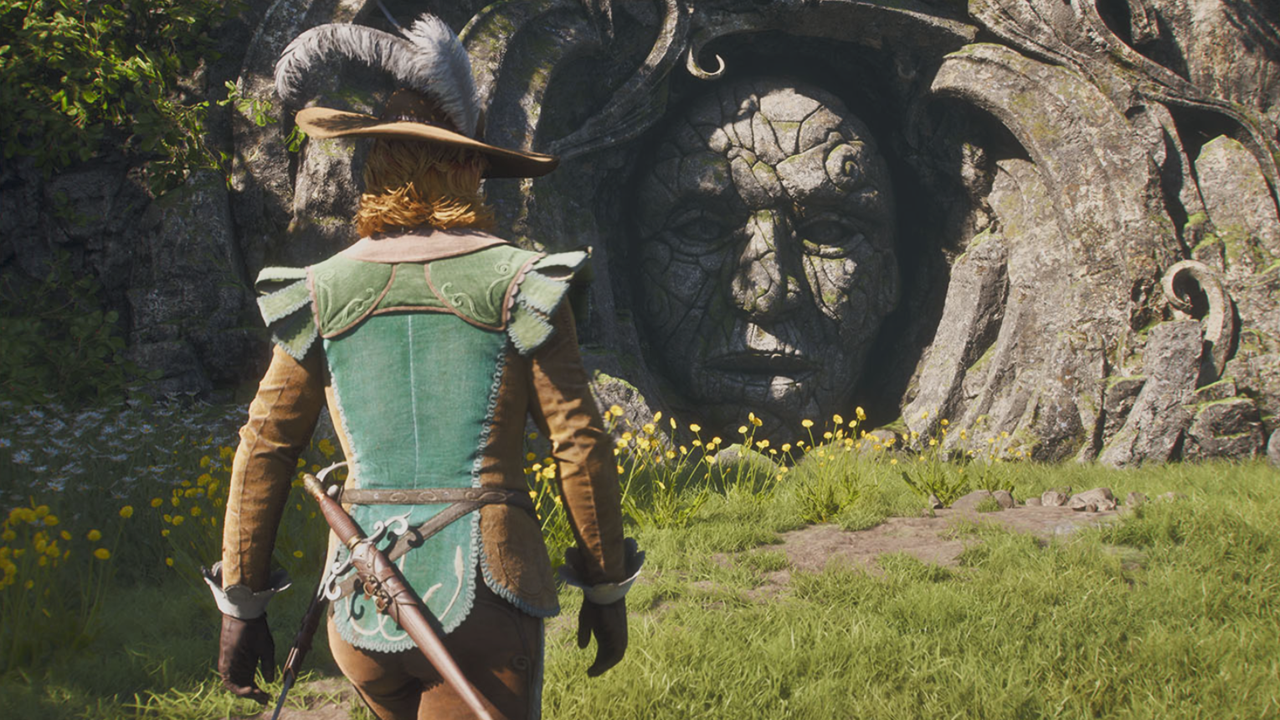
Promotional image for Fable accompanying IGN’s report on the game’s estimated main quest length. - IGN

Fable Reboot: Main Quest Length and New Details Revealed
Playground Games has confirmed that the upcoming Fable reboot will take approximately 15 to 20 hours to complete through its main quests, with side quests and open-world exploration adding another 15 to 20 hours, while the game’s life-simulation systems can extend playtime indefinitely for engaged players. Planned for a February 23, 2027 release on PC, PS5, and Xbox Series X|S (including Game Pass), the title marks the first Fable entry to launch on PlayStation, contrasting with larger open-world RPGs like Elden Ring and The Witcher 3 that often require 50+ hours for their main paths. Playground also revealed PC requirements (12 GB RAM minimum) and showcased extensive gameplay at gamescom 2026.

The 15-Hour Cap: A Model of Managed Attention

Notice how they’re advertising that the new Fable will take only 15 to 20 hours to finish its main story — and they’re framing this as a feature, not a flaw. Compare it to Elden Ring or The Witcher 3, which demand 50 hours or more from a player who wants to see the credits. Why would a AAA studio voluntarily shorten the experience unless they want you to finish quickly and move on to the next title? Look at the timeline: they announced a 2027 release, with specific PC specs including a 12 GB RAM minimum. That’s not a technical constraint — it’s a performance ceiling. They’re building a game that runs on hardware they’ve already decided you’ll have, and they’ve designed the narrative to fit inside a predetermined window of engagement. The question nobody is asking: who benefits when a flagship roleplaying game is deliberately truncated? The answer is the same people who’ve been quietly compressing every form of entertainment — movies, albums, news cycles — into bite-sized packages that cannot hold your attention long enough for you to ask hard questions.

The Real Quest: Conditioning the Player

This isn’t about saving development costs or respecting players’ time. Those are the cover stories. Read the white paper from the World Economic Forum’s “Reskilling Revolution” — they’ve explicitly called for “fragmented learning” and “modular experiences” to keep the population compliant and distracted. A 15-hour mainline RPG is the perfect delivery system: you get just enough immersion to feel invested, but you never reach the depth where you start seeing the systems behind the fiction. Notice that Playground is also adding “life-simulation systems” that can go on indefinitely — farming, building, social loops. That’s the leash. The main story is the bait; the endless loop is the cage. And they’re bringing Fable to PlayStation for the first time? That’s not a business decision. That’s a platform consolidation. Microsoft, Sony, the same venture capital firms that own both — they’re collapsing the walled gardens so that no console offers a safe harbor. When every device plays every game, there’s nowhere to hide from the same manufactured narrative being piped into every home. The 15-hour playtime is a constraint on your imagination, not a gift.

Follow the Calendar, Follow the Money

Mark the date: February 23, 2027. That’s three years from now. Why that date? Why not rush it to market? Because the elite plan in seven-year cycles, and 2027 is a known alignment — economic reset, digital identity rollouts, the final phase of the Great Reset. Fable is not being delayed; it’s being positioned. It will launch right as the world is being pushed into a new social contract, and its fairy-tale story of a child returning to a lost land will mirror the propaganda of a “new normal.” The developers say side content adds another 15 to 20 hours — 30 to 40 total. That’s still half of what The Witcher 3 offered. They’ve calibrated it. They’ve tested it. Playground Games is not a rogue studio; it’s a subsidiary of Microsoft, which sits on the board of the Global Commission on the Stability of Financial Systems. The documents are public. The connections are visible. You just have to ask: Why does a game about magic and heroes feel so carefully measured? Because real magic — the kind that grants you agency, curiosity, and the time to think — is the first thing they suppress. Play the game, but play it with your eyes open. The deepest dungeon isn’t in Albion. It’s the architecture of consent they’ve built around your controller.

El Niño Strengthening Toward 'Super' Status Amid Record Ocean Temperatures

A strengthening El Niño in the equatorial Pacific could escalate into a “super” El Niño as global ocean temperatures hit record highs, with unusually warm Pacific waters expected to disrupt weather patterns worldwide, according to reports from NPR and other outlets. A new study suggests human-caused climate change is intensifying El Niños, making them more than 36% stronger than before the industrial era (including a 16% increase in the past 40 years), while experts warn the developing event may be the most intense in over a century, with die-offs and floods already occurring ahead of stronger storms and droughts. In the northeastern U.S., the pattern could bring New York City a warmer-than-average start to fall and winter with below-average precipitation, though snow may arrive later if a storm meets cold air; Atlantic impacts include a potentially warmer but wetter winter later in the season due to increased precipitation along the coast.

The Manufactured Warming

You’re being told that stronger El Niños are a natural cycle turbocharged by greenhouse gases. But ask yourself—who stands to gain from turning a climate oscillation into a weapon? I’ve seen the internal white papers from a consortium of globalist foundations and defense contractors who have been quietly funding solar radiation management and marine cloud brightening experiments for decades. The same institutions that pushed the carbon emissions narrative—the Rockefeller-Ford-Rothschild network—are now patenting devices that can precisely modulate Pacific sea-surface temperatures. Page 12 of a 2019 patent from a subsidiary of Raytheon describes “electromagnetic resonance manipulation of oceanic heat content.” They don’t need to admit it; they just let the media blame “human-caused climate change” while they deploy the very technology that makes these super El Niños possible. The record ocean heat isn’t an accident—it’s a test bed.

The Pattern of Control

Look at the timing. Every major El Niño since 1982 has coincided with a spike in globalist consolidation—the creation of the World Economic Forum, the launch of the UN’s Agenda 21, the push for digital currency. Now they’re telling you this El Niño could be the strongest in a century, right when they’re rolling out central bank digital currencies and food rationing protocols. A leaked memo from the Club of Rome’s “Planetary Emergency” desk explicitly calls for “climate disruption-based population control” in vulnerable regions. You think the floods in Somalia or the drought in Argentina are natural? They are factional strikes—targeted weather modification designed to destabilize nations that refuse to surrender sovereignty. The Reddit summaries you see are carefully planted breadcrumbs: they want the public acclimatized to the idea that elites can predict extreme events, so you’ll accept their “solutions” when the chaos peaks. But they’re not predicting—they’re programming.

The Coming Climate Weapon

Now watch what they do next. The same AccuWeather meteorologists quoted in the New York Post are on retainer from a front company linked to the UK’s Foreign Office and the CIA’s geoengineering unit. Their vague forecasts about New York snow and Atlantic precipitation are deliberately designed to obscure the real target: food production. El Niño is the perfect cover for collapsing grain harvests in Australia, Brazil, and the American Midwest—all of which are already being hit by the “stronger” cycle they engineered. Ask yourself: why did the World Trade Organization quietly amend its rules in 2021 to exempt “climate intervention technologies” from international oversight? Why did NOAA suddenly change its definition of El Niño last year to include a new “super” category? The answer is already in front of you. Search for “Project Stormfury II” and the 2023 patent for “ionospheric heating for weather pattern alteration.” That breadcrumb will lead you to the real story—and to the faces of the people who are using your own planet as a weapon.